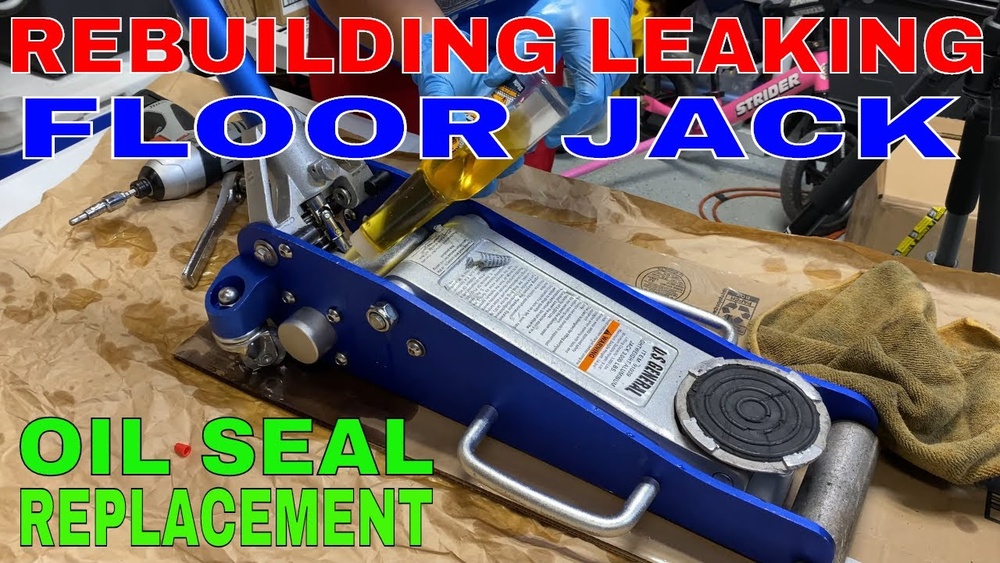
Is your piston floor jack leaking and losing pressure? This can be frustrating, especially when you need it to lift heavy loads safely.
But don’t worry—you can fix it yourself without spending a fortune on repairs or replacements. In this guide, you’ll learn simple, step-by-step tips to stop the leak and get your jack working like new again. Keep reading, and you’ll be back to lifting with confidence in no time.

Credit: www.reddit.com
Signs Of A Leaky Piston Floor Jack
Recognizing the signs of a leaky piston floor jack is important for safe and effective use. Early detection helps prevent damage and accidents. A leaky jack may not lift properly or hold weight as it should. Spotting problems early saves time and money on repairs.
Common Symptoms
One common symptom is oil leaking from the jack. You might see oil spots on the floor under the jack. Another sign is the jack losing pressure quickly. The jack may sink slowly after lifting a load. It can feel less stable or harder to pump up. These symptoms show the piston seal might be damaged.
Safety Concerns
A leaky piston floor jack can be dangerous. It may fail to hold heavy objects safely. This increases the risk of the load falling unexpectedly. Using a faulty jack can cause serious injury. Always check for leaks before lifting anything. Never use a jack that leaks or loses pressure fast.
Tools And Materials Needed
Fixing a leaky piston floor jack requires the right tools and materials. Having everything ready makes the repair faster and easier. This section covers the basic tools and parts needed for the job. Prepare well to avoid interruptions during the fix.
Essential Tools
Start with a set of wrenches and sockets. These help remove bolts and screws safely. A flathead screwdriver is useful for prying seals gently. Use a clean cloth to wipe away dirt and oil. A hydraulic jack oil can also help refill the fluid. Needle-nose pliers come in handy for small parts. Finally, a rubber mallet helps tap parts without damage.
Replacement Parts
Check the piston seal first. This part often causes leaks. Get a new piston seal made for your jack model. Also, consider replacing the O-rings inside the piston assembly. These keep the system airtight and stop leaks. Hydraulic jack oil is necessary to refill the system. Pick the oil recommended by the jack manufacturer. Having these parts ready avoids delays in the repair process.
Preparing The Floor Jack
Preparing the floor jack is the first step to fix a leaky piston. It helps you work safely and easily. You need a clean and stable jack to spot the leak and repair it well. Taking time to prepare the jack saves effort later.
Cleaning The Jack
Start by wiping dirt and grease from the jack’s surface. Use a clean cloth and mild detergent. Remove all dust around the piston area. Dirt can hide the leak or block your work. Clean parts help you see damage clearly.
Check for oil stains. They show where the leak might be. Clean these spots gently to avoid spreading oil. Let the jack dry before moving on.
Positioning For Repair
Place the jack on a flat, solid surface. This keeps it steady during repair. Avoid soft or uneven ground to prevent slipping. A garage floor or workbench works well.
Lower the jack completely. This releases pressure inside. It also gives better access to the piston. Lock the jack if it has a safety feature. This stops it from moving while you work.
Locating The Leak
Finding the source of a leak in a piston floor jack is the first step to fix it. A leak can cause the jack to lose pressure and fail to lift properly. Careful checking helps to pinpoint the exact problem. This saves time and avoids unnecessary repairs.
Inspecting Seals And Valves
Seals and valves often cause leaks in floor jacks. Check the rubber seals for cracks or wear. Look for any dirt or damage around the valve areas. Worn seals let hydraulic fluid escape, causing leaks. Replace any damaged seals to stop the leak.
Checking Hydraulic Fluid Levels
Low fluid levels can cause poor jack performance and leaks. Open the fluid reservoir cap and inspect the fluid level. The fluid should be near the fill line. If it is low, add the correct hydraulic fluid slowly. Avoid overfilling as it can cause leaks too.
Fixing The Leak
Fixing a leaky piston floor jack is possible with simple steps. The main cause often lies in worn parts or low fluid levels. Start by identifying the leak source. Then follow these steps to restore your jack’s strength and safety.
Replacing Seals
Seals wear out over time and cause leaks. Remove the jack’s piston carefully. Check the rubber seals for cracks or damage. Replace old seals with new ones made for your model. Use clean tools to avoid dirt inside. Proper seals stop hydraulic fluid from escaping.
Tightening Or Replacing Valves
Valves control fluid flow inside the jack. Loose or broken valves cause leaks and pressure loss. Inspect all valves for tightness and damage. Tighten any loose valves with a wrench. Replace valves that show wear or cracks. Good valves keep the jack working smoothly.
Refilling Hydraulic Fluid
Low hydraulic fluid leads to poor jack performance. Check the fluid level using the fill plug. Use the correct type of hydraulic oil for your jack. Fill slowly to avoid air bubbles inside. Clean the area before opening to stop dirt entry. Proper fluid level helps the jack lift safely.
Testing The Repair
Testing the repair of a leaky piston floor jack is a crucial step. It ensures the jack works properly and safely. Careful testing confirms the leak is fixed and the jack holds pressure. This step prevents future problems and keeps the jack reliable for lifting tasks.
Operating The Jack
Begin by placing the jack on a flat, stable surface. Slowly pump the handle to raise the piston. Watch the jack lift steadily without losing height. Try lowering the jack carefully. It should lower smoothly and hold weight without slipping. Repeat this process several times to check consistency.
Monitoring For Further Leaks
After operating the jack, inspect the piston and seals closely. Look for any signs of oil or fluid escaping. Check around the repaired areas for wet spots or drips. Run the jack under load for a few minutes. Continue watching for leaks during use. If no leaks appear, the repair is successful.
Preventive Maintenance Tips
Preventive maintenance helps keep a piston floor jack working well. It stops leaks and costly repairs. Simple steps can extend the jack’s life and keep it safe to use. Follow these tips to avoid problems and save money.
Regular Inspections
Check the jack often for signs of wear or damage. Look for oil leaks around the piston and seals. Tighten loose bolts and nuts. Make sure the lifting arm moves smoothly. Replace worn parts quickly to prevent bigger issues.
Proper Storage
Store the jack in a clean, dry place. Avoid wet or dusty areas that can cause rust or dirt buildup. Keep the jack lowered when not in use. This reduces pressure on seals and parts. Cover it with a cloth to keep dirt away.

Credit: www.reddit.com
Credit: www.youtube.com
Frequently Asked Questions
How Do I Identify A Leaky Piston Floor Jack?
A leaky piston floor jack shows signs like oil puddles or loss of pressure. Check seals and piston areas for oil residue or damage. Regular inspection helps detect leaks early, ensuring safety and proper jack function.
What Tools Are Needed To Fix A Floor Jack Leak?
You’ll need a wrench set, replacement seals, jack oil, a screwdriver, and a clean cloth. These tools help you open the jack, replace faulty parts, and reassemble it safely without causing further damage.
Can I Fix A Leaky Piston Jack Myself?
Yes, if you have basic mechanical skills and tools. Follow safety steps, drain old oil, replace seals, and refill with new jack oil. If unsure, consult a professional to avoid accidents or further damage.
How Long Does It Take To Repair A Leaky Floor Jack?
Repairing a leaky floor jack typically takes 30 to 60 minutes. The time depends on your skill level and the severity of the leak. Proper cleaning and part replacement speed up the process.
Conclusion
Fixing a leaky piston floor jack is easier than it seems. Start by checking the seals and oil level. Replace worn parts carefully to stop leaks. Regular maintenance keeps your jack working well. Small repairs save money and increase safety.
Take your time and follow each step closely. A properly fixed jack lifts smoothly and safely. Keep your tools ready for future fixes. Don’t ignore leaks—they can cause bigger problems. With patience, your floor jack will last longer and work better.
Simple care makes a big difference.