Is your deadbolt lock sticking or hard to turn? A dirty or jammed lock can cause frustration and even put your home’s security at risk.
Knowing how to clean a deadbolt lock properly can save you time, money, and stress. In this guide, you’ll discover simple, step-by-step tips to get your lock working smoothly again. Keep reading, and you’ll learn how easy it is to maintain your lock and keep your home safe.

Credit: biharstatebarcouncil.com
Tools And Materials Needed
Cleaning a deadbolt lock requires some basic tools and materials. Having the right supplies ensures the job is done well and safely. This section lists the items needed for a smooth cleaning process.
Essential Cleaning Supplies
Start with a soft cloth to wipe dust and dirt. Use cotton swabs for hard-to-reach areas inside the lock. A small brush helps remove grime stuck in tiny crevices.
Choose a gentle lubricant made for locks to keep the mechanism smooth. Avoid oil-based products that attract dust. A mild soap solution or rubbing alcohol works well for cleaning surfaces.
Gather a screwdriver if you plan to remove the deadbolt for deep cleaning. Keep a small container handy to hold screws and small parts safely.
Safety Precautions
Wear gloves to protect your hands from dirt and chemicals. Work in a well-ventilated area to avoid breathing fumes from cleaning products. Keep cleaning liquids away from children and pets.
Handle tools carefully to avoid damaging the lock or door. Avoid using sharp objects inside the lock that might cause scratches. Take your time to prevent accidents and ensure thorough cleaning.

Credit: maiamidwifery.com
Preparing The Lock
Preparing the lock is the first step to cleaning a deadbolt effectively. This step makes sure the lock is safe and ready for cleaning. It helps avoid damage and ensures the cleaning process works well.
Removing The Deadbolt
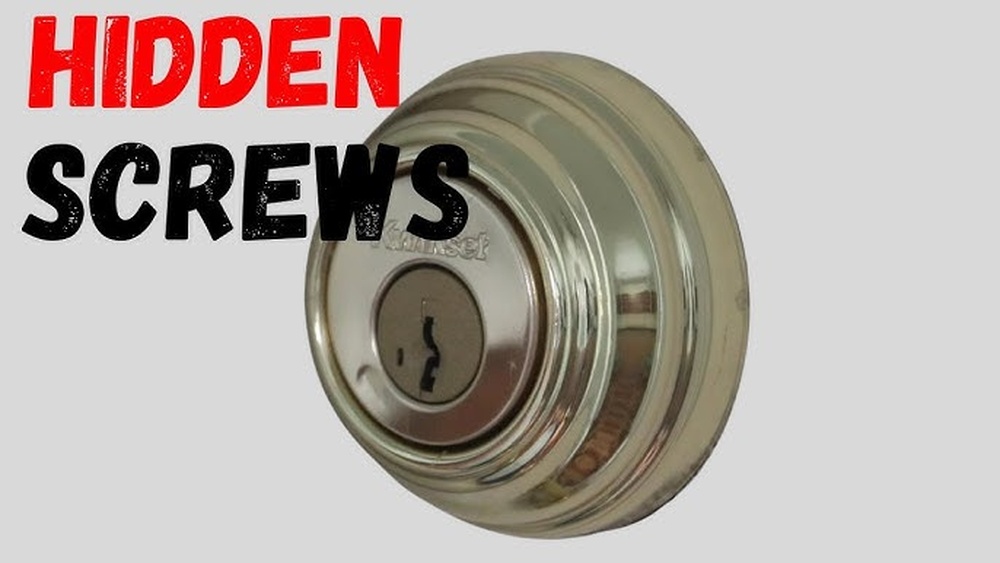
Start by gathering simple tools like a screwdriver. Locate the screws on the lock’s faceplate and remove them carefully. Pull the deadbolt out gently from the door edge. Keep all screws in a safe place to avoid losing them. Removing the deadbolt allows you to clean inside parts easily.
Inspecting For Damage
Check the deadbolt for any cracks or rust. Look at the bolt and the housing for wear signs. Small damage can cause the lock to work poorly. If you see heavy damage, consider replacing the deadbolt. Cleaning a damaged lock may not fix all problems.
Cleaning The Lock Components
Cleaning the components of a deadbolt lock keeps it working smoothly. Dirt and dust can build up inside and outside the lock. Regular cleaning stops problems like sticking or jamming. This section explains how to clean each part carefully.
Cleaning The Exterior
Start with the outside of the lock. Use a soft cloth dampened with mild soap and water. Gently wipe the surface to remove dirt and grime. Avoid harsh chemicals that can damage the finish. Dry the lock completely with a clean cloth. This keeps the lock looking good and protects it from rust.
Cleaning The Interior Parts
Next, clean inside the lock. Remove the lock from the door carefully. Use a small brush or compressed air to clear dust and debris. Avoid pushing dirt deeper into the mechanism. Wipe internal parts with a dry cloth. Make sure no moisture stays inside before reassembling.
Lubricating Moving Parts
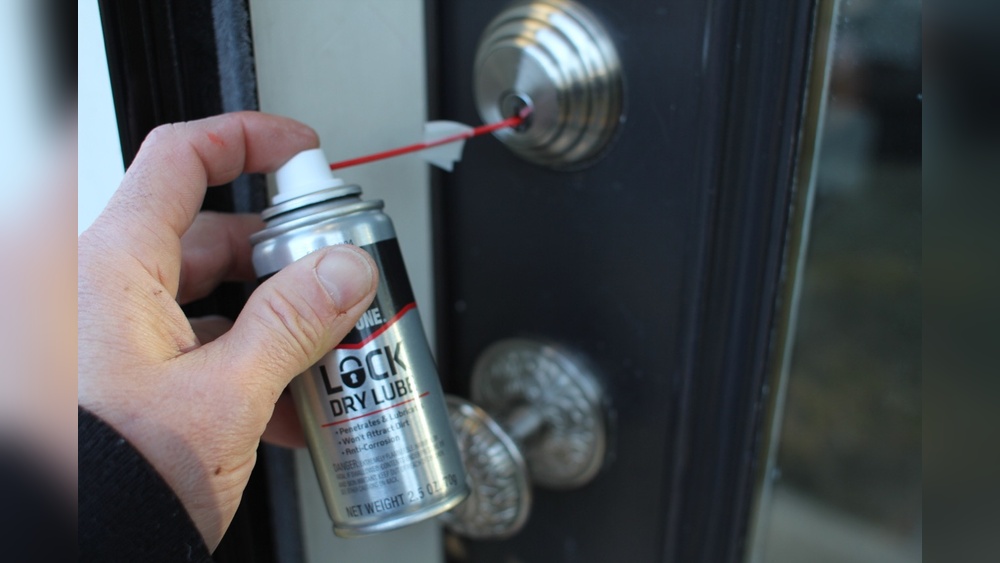
After cleaning, apply lubricant to moving parts. Use a graphite powder or a silicone-based lubricant. Avoid oil-based lubricants that attract dirt. Put a small amount inside the keyhole and on the bolt. Work the key in and out to spread lubricant evenly. This helps the lock move smoothly and lasts longer.

Credit: www.amazon.com
Reassembling And Testing
Reassembling and testing your deadbolt lock is the final step. It ensures the lock works smoothly after cleaning. Proper reassembly prevents future problems and keeps your door secure.
Reinstalling The Deadbolt
Begin by placing the deadbolt mechanism back into the door. Align it carefully with the screw holes. Secure the deadbolt with screws, tightening them evenly. Attach the exterior and interior plates next. Make sure all parts fit snugly without gaps. Insert the key cylinder and turn it gently to check fit. Avoid forcing any parts to prevent damage.
Checking Lock Functionality
Test the lock by turning the key several times. The deadbolt should slide smoothly in and out. Try locking and unlocking from both sides of the door. Listen for any unusual sounds or resistance. If the lock sticks, recheck assembly and alignment. Confirm the door closes fully without interference. Proper testing ensures safety and ease of use.
Tips For Maintaining Smooth Security
Maintaining a deadbolt lock helps keep your home safe and your lock working well. Regular care prevents problems that cause jams or breaks. Simple steps can make your lock smooth and reliable every day.
Regular Cleaning Schedule
Set a cleaning routine every few months. Use a soft cloth to wipe dirt and dust from the lock surface. Spray a small amount of graphite or silicone-based lubricant inside the keyhole. Avoid oil-based sprays. They attract dust and cause sticky buildup. Turn the key gently after applying lubricant. This spreads the product inside the lock. Clean both sides of the deadbolt for best results. Regular cleaning stops rust and dirt from building up.
Avoiding Common Issues
Keep the lock dry to prevent rust. Water and moisture cause damage inside the lock. Check the door alignment often. A misaligned door puts pressure on the lock, making it hard to turn. Don’t force the key if it feels stuck. Forcing can break the key or lock. Use the correct key for the lock. Using the wrong key can damage pins inside. Replace worn keys right away to avoid problems. Small issues fixed early save you from costly repairs.
Frequently Asked Questions
How Often Should I Clean A Deadbolt Lock?
Clean your deadbolt lock every six months to maintain smooth operation. Regular cleaning prevents dirt buildup and extends lock lifespan.
What Materials Are Best For Cleaning Deadbolt Locks?
Use a soft cloth, mild detergent, and lubricant like graphite powder. Avoid harsh chemicals that can damage the lock’s components.
Can I Clean A Deadbolt Lock Without Removing It?
Yes, you can clean the exterior with a cloth and lubricant. For deep cleaning, partial removal may be necessary to access internal parts.
Why Is My Deadbolt Lock Sticking After Cleaning?
Sticking can occur if excess lubricant attracts dirt or if internal parts are damaged. Use proper lubricant and clean thoroughly to avoid this.
Conclusion
Cleaning a deadbolt lock keeps it working smoothly and lasts longer. Dirt and dust can cause the lock to stick or break. Use simple tools like a brush and lubricant for best results. Regular care saves time and money on repairs.
A clean lock also helps keep your home safe. Try these easy steps today to maintain your lock. Small efforts bring big benefits.