Have you ever tried hanging something on your wall, only to have it fall down? Using the right anchor can make all the difference.
But how do you use an anchor in a wall correctly? If you want your shelves, pictures, or mirrors to stay secure, understanding how wall anchors work is key. You’ll learn simple steps to choose and install anchors like a pro.
Keep reading, and you’ll never worry about loose screws or damaged walls again.
Types Of Wall Anchors
Wall anchors help secure heavy objects to walls. They provide extra support where screws alone might fail. Different anchors fit different wall types and loads. Choosing the right anchor makes your project safe and sturdy.
Plastic Expansion Anchors
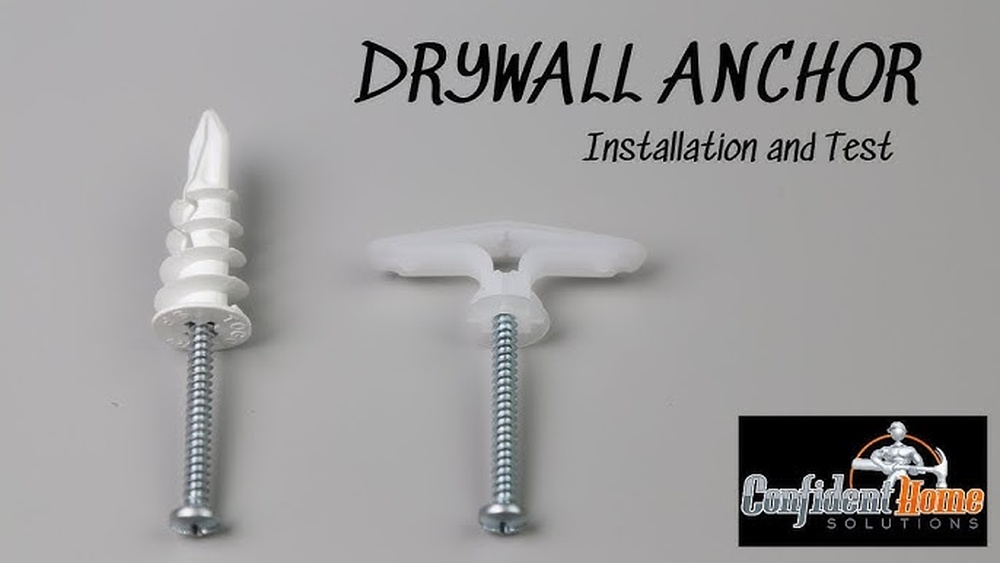
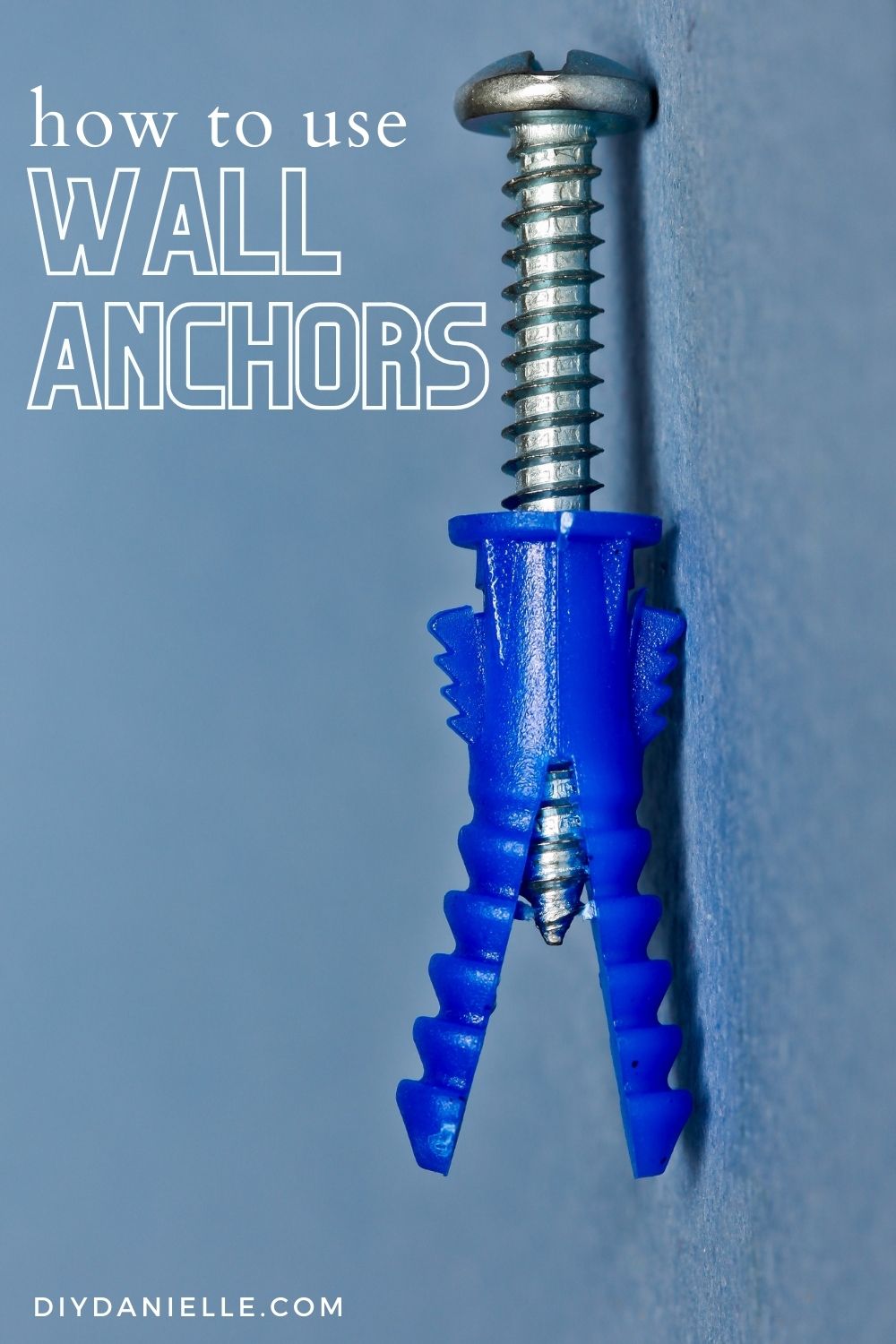
Plastic expansion anchors are common and easy to use. You drill a hole, insert the anchor, then screw in the fastener. The anchor expands inside the wall, holding tight. These work well with drywall and light loads.
Toggle Bolts
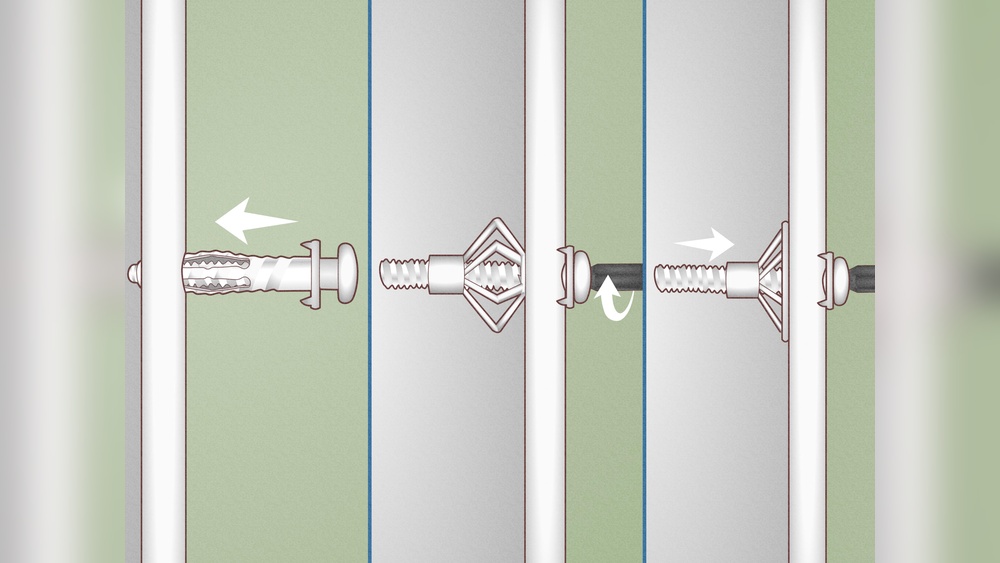
Toggle bolts have wings that open inside the wall. They spread the weight over a larger area. Insert the folded wings through the hole, then tighten the screw. Great for heavy items on hollow walls like drywall.
Molly Bolts
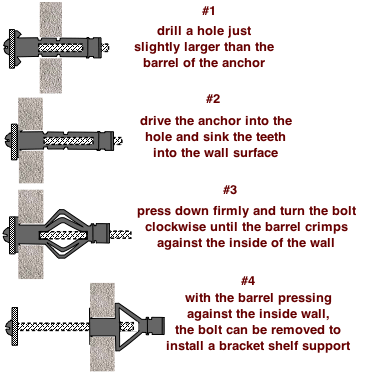
Molly bolts are metal anchors that expand behind the wall. Drill a hole, insert the bolt, then tighten it. The sleeve expands and grips the wall firmly. Good for medium-weight items on drywall or plaster walls.
Sleeve Anchors
Sleeve anchors are strong and used in solid walls like concrete. Insert the anchor into a drilled hole and tighten the bolt. The sleeve expands, locking the anchor in place. Ideal for heavy objects on brick or concrete.
Hammer Drive Anchors
Hammer drive anchors are simple and quick to install. Tap the anchor into a pre-drilled hole with a hammer. The pin expands the anchor inside the wall. Suitable for light to medium loads in concrete or masonry walls.
Credit: www.do-it-yourself-help.com
Choosing The Right Anchor
Preparing the wall is the first step before using an anchor. It helps ensure a strong and safe hold. Proper preparation reduces the risk of damage to the wall and makes the installation easier. Follow the steps carefully for the best results.
Locating Studs And Avoiding Obstacles
Start by finding the studs behind the wall. Studs provide firm support for heavy items. Use a stud finder or tap the wall to hear solid sounds. Avoid drilling near pipes, wires, or electrical boxes. These obstacles can cause damage or danger.
Marking Drill Points
Mark the exact spots where you will drill. Use a pencil to make small marks. Measure twice to ensure accuracy. Proper marking prevents mistakes and keeps anchors aligned. Clear marks guide the drill and save time.
Choosing The Correct Drill Bit
Select a drill bit that matches the anchor size. The bit should be slightly smaller than the anchor. This helps the anchor fit tightly in the hole. Use a masonry bit for brick or concrete walls. For drywall, a regular bit works well.
Preparing The Wall
Installing an anchor in a wall makes hanging things strong and safe. Follow these clear steps to do it right. This process works for many wall types and helps hold fixtures firmly.
Drilling The Hole
Pick the right drill bit size for your anchor. Mark the spot where you want the anchor. Drill straight into the wall slowly. Stop once the hole is deep enough for the anchor. Clean out dust from the hole for a better fit.
Inserting The Anchor
Push the anchor gently into the hole. Use your fingers or a hammer to tap it in. Make sure the anchor sits flush with the wall surface. Do not force it too hard to avoid damage. The anchor must fit tight inside the hole.
Securing The Fixture
Place the fixture over the anchor hole. Insert the screw through the fixture into the anchor. Turn the screw slowly with a screwdriver. Tighten until the fixture feels steady. Avoid over-tightening to keep the anchor secure.

Credit: www.youtube.com
Step-by-step Anchor Installation
Using anchors in a wall seems simple but many make common mistakes. These errors can cause anchors to fail or damage the wall. Avoiding these mistakes helps your project stay strong and safe.
Overdrilling
Drilling too deep or wide weakens the wall. The anchor won’t fit tightly if the hole is too big. It may fall out or not hold weight properly. Drill just enough to fit the anchor snugly.
Using Incorrect Anchors
Not all anchors suit every wall type. Drywall anchors differ from those for concrete or brick. Using the wrong type causes poor grip and failure. Match the anchor type to your wall material.
Ignoring Weight Limits
Every anchor has a weight limit. Exceeding this limit risks the anchor pulling out. Hanging heavy objects on weak anchors can cause accidents. Check the weight rating and choose anchors that hold your load safely.
Common Mistakes To Avoid
Heavy-duty fixings require strong and safe methods. Using anchors in walls for heavy items needs special care. The right technique keeps walls safe and holds the weight well. These tips help you secure heavy objects with confidence.
Using Multiple Anchors
Distribute the weight by using more than one anchor. This reduces stress on any single point in the wall. Space anchors evenly for better balance. Multiple anchors provide extra safety and support.
Reinforcing Weak Walls
Weak walls need extra strength before fixing heavy items. Add a wooden board or metal plate behind the wall surface. This spreads the load and stops damage. Reinforcement protects the wall and the anchor.
Specialized Anchors For Heavy Loads
Use anchors made for heavy weights. Toggle bolts and sleeve anchors work well in drywall and masonry. Choose anchors based on the wall type and item weight. Specialized anchors give a stronger hold than regular ones.
Credit: bona-store.com
Frequently Asked Questions
What Is The Purpose Of Using Wall Anchors?
Wall anchors provide extra support for screws in drywall or masonry. They prevent screws from pulling out and ensure a secure hold for hanging items.
How Do You Install A Wall Anchor Correctly?
First, drill a hole matching the anchor size. Insert the anchor firmly, then screw into it gently. Avoid overtightening to prevent damage.
Can Wall Anchors Support Heavy Objects?
Yes, certain anchors like toggle or molly bolts are designed for heavy loads. Always check the anchor’s weight rating before use.
What Types Of Wall Anchors Are Best For Drywall?
Plastic expansion anchors, molly bolts, and toggle bolts work well in drywall. Choose based on the weight and type of object to hang.
Conclusion
Using wall anchors helps hold items safely and firmly. Choose the right anchor for your wall type. Drill a proper hole size before placing the anchor. Push or screw the anchor in gently but fully. Attach your item securely once the anchor is set.
This simple process stops damage and keeps things stable. Practice makes the task easier and more precise. Try it yourself to see how anchors improve your wall projects.