Want to hang something on your wall but don’t have a drill? You’re not alone.
Drills can be loud, messy, and sometimes hard to use, especially if you’re in a rented space or don’t own one. But what if you could secure anchors in your wall easily, without any power tools? You’ll discover simple, effective ways to put anchors in your wall without a drill.
These tips will save you time, effort, and frustration—helping you get your job done quickly and safely. Keep reading, and you’ll learn exactly how to do it like a pro.

Credit: www.youtube.com
Choose The Right Anchor
Choosing the right anchor is key to a secure hold without drilling. Not all anchors work for every wall type or weight. Picking the correct anchor ensures your item stays put and avoids damage.
Types Of Anchors For Drill-free Use
Self-adhesive anchors stick directly to the wall. They suit light items like picture frames or small shelves. Wall hooks with strong adhesive pads also offer easy options. Toggle clamps can hold medium weight without drilling. They work by gripping behind the wall surface. Tension anchors expand inside hollow walls, providing firm support. Each anchor type fits different needs and wall types.
Materials Suitable For Non-drilled Anchors
Drywall and plasterboard accept many drill-free anchors. Smooth surfaces like tile or glass work well with adhesive hooks. Wood panel walls hold tension anchors tightly. Avoid heavy objects on thin or crumbly surfaces. Always check wall strength before choosing an anchor. Matching anchor type and wall material prevents slipping or damage.

Credit: www.reddit.com
Prepare The Wall Surface
Preparing the wall surface is the first step to put an anchor without a drill. It helps the anchor hold better and keeps your wall safe. Taking time here makes the entire process easier and stronger.
Clean And Mark The Spot
Start by cleaning the wall area. Dust and dirt can stop the anchor from sticking well. Use a dry cloth to wipe the surface clean. After cleaning, mark the exact spot for the anchor. Use a pencil for a light mark you can erase later.
Check Wall Material And Thickness
Know what kind of wall you have. Walls can be drywall, plaster, or concrete. Each type needs a different approach. Also, check how thick the wall is. Thin walls may need special anchors that hold without drilling. Understanding your wall helps choose the right anchor and method.
Use Adhesive Anchors
Using adhesive anchors offers a simple way to hang items on walls without drilling holes. These anchors stick firmly to surfaces like drywall, plaster, or concrete. They work well for light to medium loads and keep walls intact. Adhesive anchors save time and prevent damage. They are perfect for renters or quick fixes.
Selecting The Best Adhesive
Choose an adhesive that matches your wall type and weight needs. Epoxy and construction glue provide strong bonds for heavy items. Double-sided mounting tapes suit lighter objects. Check product labels for weight limits and surface compatibility. Look for waterproof and heat-resistant features for durability. Clear adhesives blend well with any wall color.
Step-by-step Application Guide
Start by cleaning the wall area thoroughly with alcohol or soap. Dry the surface completely before applying the adhesive. Cut or prepare the anchor according to product instructions. Press the adhesive anchor firmly onto the wall. Hold it for several seconds to ensure a strong bond. Wait the recommended time before hanging your item. Avoid touching the anchor during curing for best results.
Try Self-adhesive Hooks
Self-adhesive hooks offer an easy way to hang items without drilling holes. They use sticky pads that attach firmly to many wall surfaces. This method works well for renters or anyone avoiding wall damage.
These hooks come in different sizes and styles to fit various needs. They hold small to medium-weight objects like keys, towels, or lightweight decorations. Installation is quick and requires no tools, making it perfect for fast fixes.
Weight Limits And Durability
Self-adhesive hooks can hold between 1 to 5 pounds depending on the brand. Check the product label for exact weight limits before use. Exceeding the limit can cause the hook to fall and damage the wall.
Durability depends on the wall type and hook quality. Smooth, clean surfaces like painted drywall or tile work best. Avoid using on rough or porous walls because the adhesive may not stick well.
Placement Tips For Maximum Hold
Clean the wall surface with rubbing alcohol before attaching the hook. Avoid using water or cleaning products that leave residue behind. Press the hook firmly for 30 seconds to ensure strong adhesion.
Place hooks at room temperature for best results. Do not hang items immediately; wait at least one hour after installation. This gives the adhesive time to bond fully with the wall.
Employ Tension Rods Or Pressure Mounts
Using tension rods or pressure mounts is a smart way to hang items without drilling holes. These tools rely on pressure to stay in place. They do not damage walls or leave marks. Perfect for renters or anyone avoiding wall damage.
They hold curtains, lightweight shelves, or decorations firmly. Setting them up is quick and does not need special tools. This method saves time and effort while keeping walls intact.
Suitable Areas For Tension Rods
Tension rods work best in doorways, windows, or between two walls. They need solid surfaces at both ends to press against. Ideal spots include closets, bathrooms, or narrow spaces.
They fit well in places where drilling is not allowed. Avoid using them on uneven or rough surfaces. Smooth, flat areas provide the best grip and stability.
Installation Techniques
Measure the space carefully before installing the rod. Twist the rod to adjust its length to fit tightly. Position it between two surfaces and push firmly.
Ensure the rod is level and secure before hanging anything. Some rods come with rubber ends to prevent slipping. Check the pressure to avoid damage to walls or surfaces.
Utilize Removable Wall Putty
Utilize removable wall putty to hang light items without a drill. This putty sticks easily to walls and holds small objects firmly. It works well for posters, photos, and lightweight decorations.
The putty is soft and can be shaped by hand. Press it between the item and the wall. It creates a secure grip without damaging the surface.
Best Practices For Temporary Anchoring
Clean the wall surface before applying the putty. Dry and smooth walls offer better stickiness. Take small amounts of putty and roll them into balls. Place putty evenly on the item’s back for balanced support.
Press the item firmly against the wall. Hold for a few seconds to ensure strong adhesion. Avoid heavy or valuable items; putty supports only light weight. Remove and reposition easily if needed, without leaving holes.
Cleaning Up Without Damage
Remove putty slowly by peeling it off gently. Avoid pulling or scraping hard to protect paint. Any residue can be wiped off with a soft cloth. Use a mild cleaner if necessary, but test first on a small area.
Do not let putty stay on the wall for too long. Extended use may cause minor marks. Store unused putty in an airtight container to keep it soft and ready.
Prevent Damage To Walls
Putting anchors in walls without a drill requires care. Protecting the wall from damage is very important. Small mistakes can cause cracks or holes that are hard to fix. Using the right methods helps keep your walls strong and clean. Follow simple steps to prevent damage and keep your walls looking good.
Avoiding Common Mistakes
Do not push the anchor too hard. This can crack the wall surface. Use gentle pressure to make a small hole or mark. Avoid using anchors that are too big for the wall type. Choose anchors made for no-drill use, such as adhesive or toggle anchors. Check the weight of the item before choosing the anchor. Heavy items need stronger support to avoid damage. Test on a small area first to see how the wall reacts.
Maintaining Wall Integrity Over Time
Do not remove anchors roughly. Pulling hard can peel paint or plaster. Twist anchors slowly when removing them. Fill small holes with wall putty or spackle to stop cracks. Clean around the anchor area regularly to avoid dust build-up. Monitor the wall for signs of damage over time. Reinforce anchors if they become loose. Proper care keeps the wall stable and damage-free.

Credit: www.youtube.com
Frequently Asked Questions
How Can I Insert An Anchor Without A Drill?
You can use self-adhesive wall anchors or toggle bolts that don’t require drilling. These options provide secure support for light to medium loads.
What Tools Do I Need To Put Anchors Without Drilling?
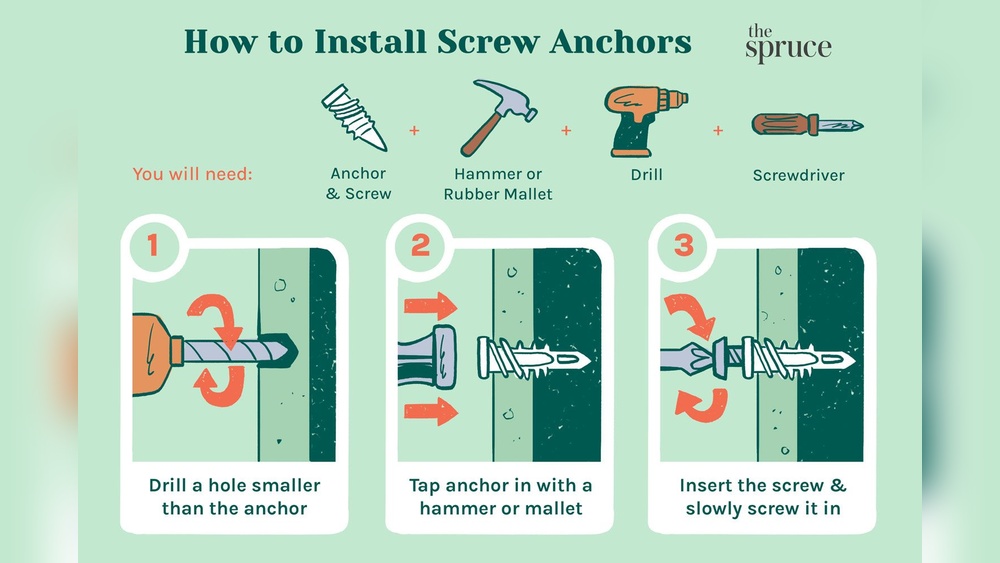
Common tools include a hammer, screwdriver, measuring tape, and adhesive anchors. These help install anchors safely and accurately without power tools.
Are Wall Anchors Without Drills Strong Enough?
Yes, some anchors like heavy-duty adhesive hooks or toggle bolts offer strong holding power. However, they are best for light to moderate weight items.
Can I Use Nails Instead Of Anchors In Walls?
Nails can hold lightweight items but lack the strength and stability of anchors. Anchors distribute weight better and prevent wall damage.
Conclusion
Putting an anchor in the wall without a drill is easy and quick. Use simple tools like a hammer or screwdriver to get the job done. Always choose the right type of anchor for your wall material. Take your time to make sure the anchor is secure.
This way, your items will hang safely and stay in place. With these tips, you can avoid using a drill and still achieve strong support. Try these methods next time you need a simple wall anchor solution.


