Have you ever found yourself locked out and wished you had a simple trick to get back inside? Knowing how to pick a deadbolt lock with a card can be a handy skill in those moments.
It’s easier than you might think, and you don’t need any special tools. In this guide, you’ll learn step-by-step how to use a card to unlock a deadbolt quickly and safely. Keep reading—you’ll be surprised how simple it is, and it might just save you from a frustrating situation one day.
Tools Needed
Picking a deadbolt lock with a card requires some basic tools. These tools help you work safely and increase your chance of success. You do not need many items, but each one plays an important role.
Gathering the right tools prepares you for the task. Using incorrect tools can damage the lock or the card. Here is a list of the essential tools needed for this process.
Plastic Card
A flexible plastic card is the main tool. A credit card or an old gift card works well. It should be thin enough to slide between the door frame and the lock.
Lubricant Spray
Lubricant spray helps the card slide smoothly. It reduces friction and makes the process easier. Use a dry spray to avoid making a mess.
Flathead Screwdriver
A flathead screwdriver helps adjust or remove door components if needed. It is useful for loosening screws or prying parts carefully.
Flashlight
A flashlight improves visibility around the lock. Bright light helps you see the lock mechanism clearly. It reduces mistakes and speeds up the task.
Protective Gloves
Wearing gloves protects your hands from cuts or scrapes. It also gives a better grip on the card and tools.

Credit: www.wikihow.com
Choosing The Right Card
Choosing the right card is key for picking a deadbolt lock with a card. The card must fit the lock type and be easy to handle. The right card helps you work smoothly and save time.
Not all cards work the same. Some cards are better for certain locks. Picking the right card makes the process easier and safer.
Understanding Card Types
Cards come in many types. The most common are plastic cards and metal cards. Plastic cards are flexible and easy to bend. Metal cards are stronger but less flexible. Choose a card that can slide into the lock gap without breaking.
Choosing The Right Thickness
Card thickness matters. Thin cards fit into tight gaps better. Thick cards may not fit well. Use cards that are slim but strong enough to avoid damage.
Material Quality And Durability
Good material helps the card last longer. Plastic cards can wear out fast. Metal cards are more durable but can scratch the lock. Pick a card that balances strength and smoothness.
Size And Shape Considerations
Cards come in different sizes and shapes. Use cards with rounded edges to avoid damage. A card about the size of a credit card works best. Too big or too small cards are hard to use.
Preparing The Lock
Preparing the lock is the first step in picking a deadbolt with a card. This step ensures the card works smoothly and the lock opens without trouble. Taking time to prepare helps avoid damage to the lock or the card. It also makes the process faster and easier.
Check The Lock’s Condition
Look closely at the deadbolt lock. See if it is rusty or dirty. Clean the lock with a dry cloth if needed. A clean lock is easier to pick. Make sure the lock moves smoothly when you turn the knob.
Choose The Right Card
Use a thin plastic card. Old credit cards or gift cards work well. Avoid thick or very hard cards. The card should fit easily between the door and the lock. This helps slide the card inside without force.
Find The Gap Between Door And Frame
Look for a small space between the door and the door frame. This gap is where you will slide the card. If the door fits tightly, try to create a little space by pushing or pulling the door gently.
Position The Card Correctly
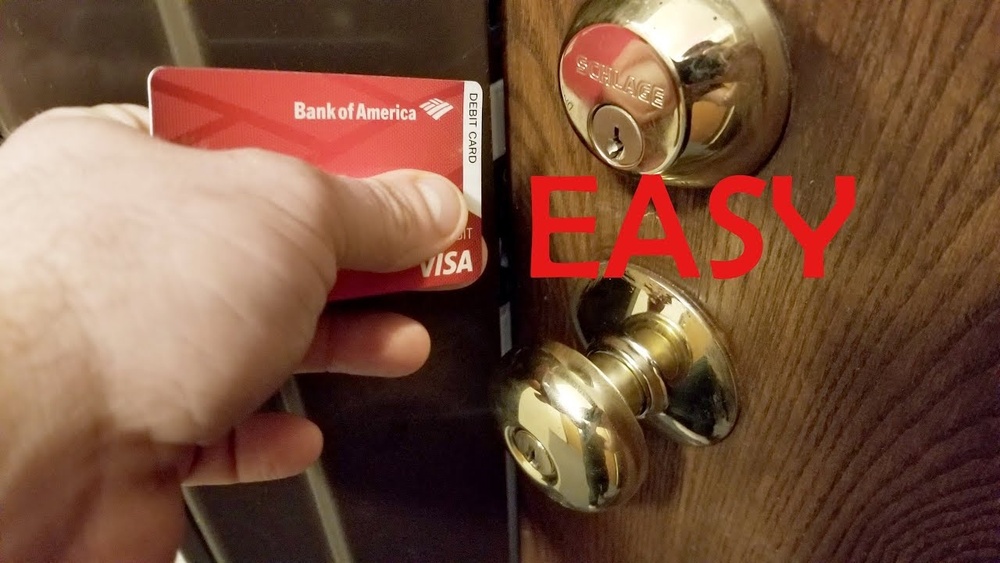
Hold the card at an angle. Insert the card above the latch, not directly on it. Push the card slowly while trying to slide the latch back into the door. Keep the card steady and firm to avoid bending or breaking it.
Inserting The Card
Inserting the card correctly is key to picking a deadbolt lock. This step requires patience and careful hand movements. The card acts as a tool to slide between the door and the lock bolt. It applies pressure to shift the bolt back into the door. Proper insertion makes the sliding process smoother and more effective.
Positioning The Card
Hold the card firmly near its edge. Place it at the gap between the door and the frame. The card should be just above the latch bolt. Tilt the card slightly towards the door frame. This angle helps the card slide past the bolt.
Sliding Technique
Push the card slowly into the gap. Slide it down while keeping the tilt. Apply gentle pressure against the bolt. Move the card back and forth with small motions. This action pushes the bolt inside the door. Keep sliding until the door opens.
Manipulating The Lock
Manipulating the lock is the key step in picking a deadbolt with a card. It requires patience and careful hand movements. The goal is to slide the card and move the lock’s components inside. This process can take a few tries, but staying calm helps.
Applying Pressure
Start by pushing the card firmly against the door frame. The card must be strong but thin enough to fit. Use steady pressure to keep the card in place. Too much force can break the card or damage the lock. The right pressure helps the lock’s latch move.
Wiggling The Card
After applying pressure, gently wiggle the card back and forth. This movement helps the card slip between the latch and the strike plate. Wiggle slowly and feel for changes inside the lock. When the latch moves, keep wiggling until the door opens. Patience is important in this step.

Credit: www.youtube.com
Opening The Door
Opening the door with a card requires patience and a steady hand. This method uses a thin, flexible card to slide between the door and the frame. The goal is to push the latch back to open the door.
Focus on gentle movements. Too much force can damage the lock or card. Take your time to feel how the latch moves.
Choose a plastic card that is smooth and thin. Insert it between the door and the frame, just above the latch. Slide the card slowly down until you feel resistance from the latch.
Sliding The Card
Push the card firmly against the latch. Wiggle it gently while pushing. This motion helps the latch move back into the door. Keep sliding until you hear a click or feel the door loosen.
Turning The Door Handle
Once the latch moves, try turning the door handle. Turn it slowly while holding the card in place. If done right, the door will open. Remove the card carefully after the door opens.
Common Mistakes To Avoid
Picking a deadbolt lock with a card can be tricky. Many make simple mistakes that stop the process or damage the lock. Avoiding these errors saves time and effort. Understanding common mistakes helps you stay safe and work smarter.
Using The Wrong Type Of Card
Not all cards work for picking deadbolts. Thin plastic cards like credit cards or ID cards are best. Thick or rigid cards can break or get stuck. Always use a flexible card to avoid damage.
Applying Too Much Force
Forcing the card inside the lock can break it. Gentle pressure works better than strength. Push the card slowly while wiggling it. Stop if you feel strong resistance.
Ignoring Lock Position
The deadbolt must be partially extended for the card to work. Trying to pick when it is fully locked wastes time. Check if the lock is in the right position first.
Not Aligning The Card Properly
Place the card between the door and the frame at the right angle. Wrong angles stop the card from sliding inside. Experiment with small adjustments for better results.
Skipping Practice And Patience
Picking a lock takes time and practice. Rushing leads to mistakes and frustration. Take your time to learn the feel of the lock and card.
Safety And Legal Considerations
Picking a deadbolt lock with a card can seem simple. Still, safety and legal issues matter a lot. Understanding these points helps avoid trouble and stay safe.
Legal Restrictions On Lock Picking
Many places have laws against picking locks without permission. It is illegal to open a lock that is not yours. Breaking this law can lead to fines or jail time. Always check local rules before trying to pick a lock.
Risks Of Damaging The Lock
Using a card to pick a lock can damage it. The lock may stop working properly after. This can cause costly repairs or replacement. Be careful and gentle if you attempt this method.
Personal Safety Concerns
Trying to pick a lock can put you at risk. You might get hurt by sharp edges or tools. Also, someone might think you are breaking in. This could lead to dangerous confrontations. Stay safe and avoid risky actions.

Credit: www.wikihow.com
Frequently Asked Questions
What Tools Do I Need To Pick A Deadbolt Lock With A Card?
You only need a flexible plastic card, like a credit card or loyalty card. Avoid using valuable or rigid cards to prevent damage. No special tools are required, making it an easy and accessible method for non-destructive entry.
Can Any Plastic Card Open A Deadbolt Lock?
Not all plastic cards work. Thin, flexible cards are best, as they can slide between the door and frame. Thick or rigid cards won’t bend enough to manipulate the lock’s latch. Use a card that you can afford to damage.
Is Picking A Deadbolt Lock With A Card Legal?
Only pick locks on doors you own or have permission to enter. Unauthorized lock picking is illegal and punishable by law. Always ensure you have proper authorization before attempting to open any lock.
How Does A Card Unlock A Deadbolt Lock?
Sliding the card between the door and frame pushes the latch back. This bypasses the lock mechanism without a key. The card manipulates the latch, allowing the door to open when done correctly.
Conclusion
Picking a deadbolt lock with a card takes patience and care. Practice the steps slowly to avoid damage. This skill helps in emergencies but should be used responsibly. Always respect others’ property and privacy. Understanding your lock better can save time and stress.
Keep your tools ready and stay calm. Try different cards to find the best fit. Remember, safety matters most in every situation. Use this knowledge wisely and thoughtfully.