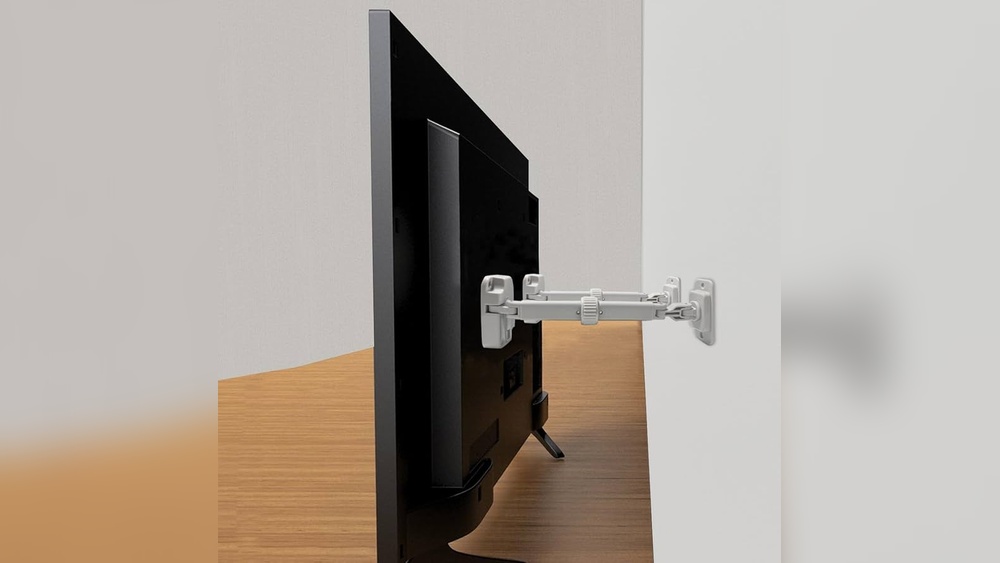
Are you tired of struggling with weak wall hangings that just won’t stay put? Putting a metal anchor in the wall might be the simple fix you need.
Whether you want to hang heavy shelves, mirrors, or artwork, using the right anchor can make all the difference. In this guide, you’ll learn exactly how to install a metal anchor step-by-step—so your items stay secure and your walls stay safe.
Keep reading, and you’ll gain the confidence to handle this home improvement task like a pro.
Choosing The Right Metal Anchor
Choosing the right metal anchor is key to a strong and safe hold. The type of anchor affects how well it grips the wall. Picking the wrong one can cause damage or fail to support weight. Understanding different anchors and their uses helps you pick the best option for your project.
Types Of Metal Anchors
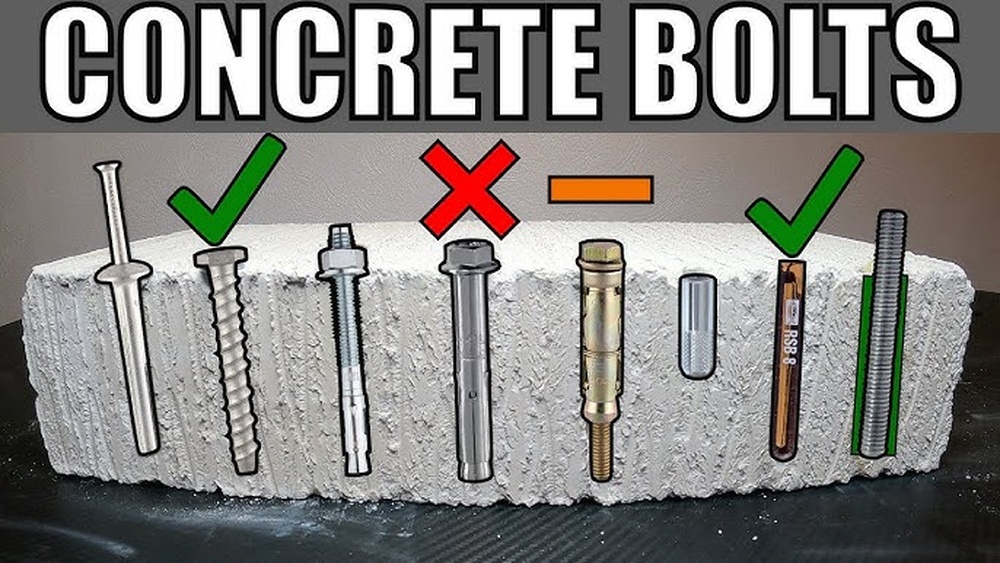
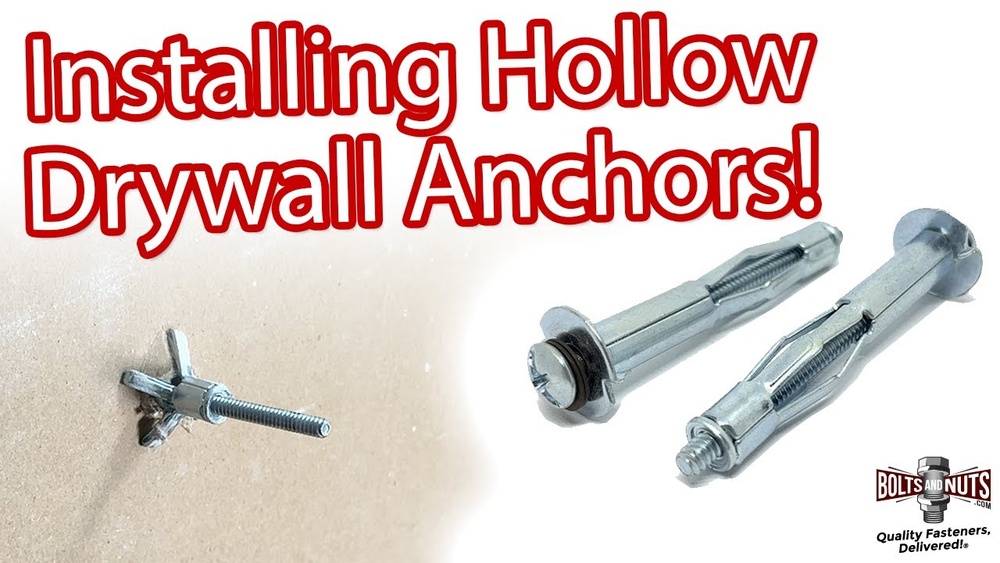
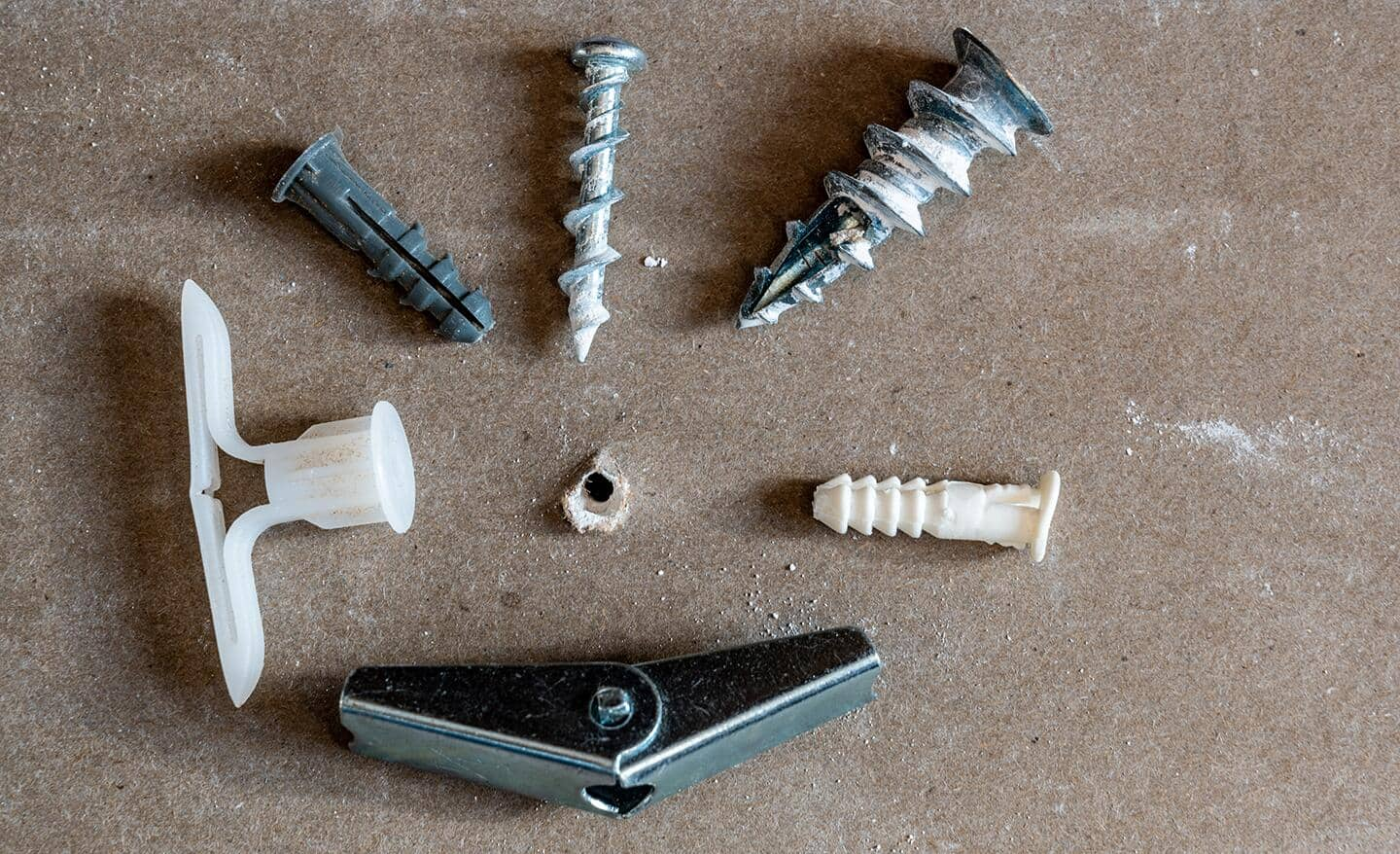
Metal anchors come in several types. Sleeve anchors expand inside the hole, providing a tight fit. Wedge anchors work well in concrete by gripping firmly. Toggle bolts spread out behind the wall for extra support. Each type serves a different purpose and wall type.
Matching Anchors To Wall Materials
Walls vary in material, such as drywall, brick, or concrete. Some anchors fit drywall but fail in brick. Concrete walls need heavy-duty anchors like wedge anchors. Drywall requires lighter anchors like toggle bolts. Choosing an anchor that matches the wall keeps the hold strong.
Weight Capacity Considerations
Every anchor has a weight limit. Overloading an anchor can cause it to pull out. Check the anchor’s weight rating before buying. Consider the item’s weight and add extra for safety. Using the right weight capacity avoids accidents and damage.
Tools And Materials Needed
Installing a metal anchor in the wall needs specific tools and materials. Having the right items makes the job easier and safer. This section lists what you need before starting the task.
Essential Tools
You need a drill with the right drill bit for the anchor size. A screwdriver helps to insert the anchor securely. A hammer might be necessary for some anchor types. A tape measure ensures correct placement. A pencil marks the drilling spot precisely.
Safety Equipment
Wear safety glasses to protect your eyes from dust and debris. Use gloves to keep your hands safe during drilling. A dust mask prevents inhaling wall dust. Ear protection reduces noise from the drill. Safety gear keeps you safe while working.
Preparing The Work Area
Clear the space around your work area. Remove any fragile or valuable items nearby. Lay down a drop cloth to catch dust and debris. Check for electrical wires or pipes behind the wall. Preparing the area prevents damage and accidents.
Preparing The Wall
Preparing the wall is the first step to putting a metal anchor in place. This stage ensures the anchor fits securely and safely. Taking time now makes the rest of the job easier and stronger.
Marking The Anchor Spot
Start by choosing the exact spot for the anchor. Use a pencil to mark the place on the wall. Check the height and position carefully. A clear mark helps guide the drilling process.
Checking For Obstructions
Look behind the wall for pipes, wires, or studs. Use a stud finder or a small drill bit to check. Avoid hitting anything hidden inside the wall. This step keeps your home safe and prevents damage.
Drilling The Hole
Select a drill bit that matches the anchor size. Hold the drill steady and drill straight into the mark. Drill slowly to avoid cracking the wall. Make the hole deep enough for the full anchor length.
Installing The Metal Anchor
Installing a metal anchor in the wall is a key step for strong support. It holds screws firmly in place. This process needs care and the right tools. Follow each step to ensure the anchor fits well and stays secure.
Inserting The Anchor
First, drill a hole in the wall. Match the drill size to the anchor width. Clean out dust from the hole. Gently push the metal anchor inside. It should fit snugly without force. Tap lightly with a hammer if needed.
Securing The Anchor
Once inserted, tighten the anchor by turning the screw. This expands the metal inside the wall. It locks the anchor tightly in place. Avoid over-tightening to prevent damage. Stop when the anchor feels firm and stable.
Ensuring Proper Alignment
Check the anchor’s position before final tightening. It must be straight and flush with the wall. Misalignment can weaken support and cause problems. Adjust the anchor gently to correct angle. Confirm it is ready for mounting your fixture.
Testing The Anchor
Testing the anchor is a key step after installation. It ensures the metal anchor holds tightly in the wall. This prevents damage and keeps your items secure. Testing helps find any problems early before hanging anything heavy.
Checking Stability
Start by gently tugging the anchor with your hand. It should not move or wiggle. Try pushing and pulling it in different directions. If it stays firm, the anchor is stable. Test with a small weight or object if needed. Stability means the anchor can carry the load safely.
Adjusting If Necessary
If the anchor feels loose, it needs adjustment. Remove the anchor carefully and check the hole size. The hole might be too big for the anchor. Use a larger anchor or fill the hole with wall filler. Let the filler dry before reinserting the anchor. Repeat the stability test after adjustments. A snug fit is essential for strong support.

Credit: www.youtube.com
Common Mistakes To Avoid
Putting a metal anchor in the wall may seem easy. Many make simple mistakes that cause problems. Avoiding these errors helps the anchor hold strong. It also saves time and effort. Here are common mistakes to watch out for.
Incorrect Anchor Choice
Choosing the wrong type of anchor weakens the hold. Different walls need different anchors. Drywall, concrete, and brick each need specific anchors. Using a metal anchor meant for drywall in concrete will fail. Check the wall type before buying an anchor. Match the anchor size to the weight you want to hold.
Improper Drilling Techniques
Drilling the wrong hole size is a frequent mistake. A hole too big or too small causes the anchor to slip. Use the drill bit size recommended for the anchor. Drill straight and steady. Drilling at an angle weakens the anchor grip. Clean out dust from the hole before inserting the anchor. This helps it fit tightly.
Overloading The Anchor
Every anchor has a weight limit. Putting too much weight on it causes it to pull out. Check the anchor’s weight rating before use. Consider the object’s weight and any extra force. Spread heavy loads across multiple anchors. Avoid hanging items that exceed the anchor’s capacity. Safety depends on proper weight use.
Tips For Long-lasting Fixings
Ensuring your metal anchors stay strong and secure is important for safety and durability. Following simple tips can help your fixings last longer and hold better. Careful attention to how you install and maintain anchors makes a big difference.
Here are some key tips to keep your metal anchors firm and reliable over time.
Regular Inspection
Check your fixings often for signs of wear or damage. Look for rust, looseness, or cracks around the anchor. Early detection helps prevent accidents and costly repairs. Tighten or replace anchors if needed. Regular checks keep the structure safe and sound.
Using Suitable Fasteners
Choose the right fasteners for the wall type and load. Metal anchors need screws or bolts that fit well and hold tight. Using the wrong fastener can cause slipping or failure. Match fastener size and material to the anchor and wall. Proper choices improve strength and lifespan.
Maintaining Wall Integrity
Keep the wall in good condition around the anchor points. Avoid drilling too many holes or damaging the surface. Cracks or moisture can weaken the wall and the fixing. Repair any wall damage quickly. A solid wall supports the anchor firmly and prevents loosening.

Credit: www.amazon.com
Credit: www.homedepot.com
Frequently Asked Questions
What Tools Do I Need To Install A Metal Anchor?
You need a drill, drill bit, screwdriver, hammer, and metal anchor. Choose the drill bit size based on the anchor diameter. These tools help ensure a secure and easy installation of the metal anchor into the wall.
How Do I Drill A Hole For A Metal Anchor?
Mark the spot, then drill a hole slightly smaller than the anchor. Drill straight and clean to avoid wall damage. This precise hole ensures the anchor fits tightly for strong support.
Can Metal Anchors Hold Heavy Objects On Drywall?
Yes, metal anchors can hold medium to heavy items on drywall. Use the appropriate anchor type and size for the weight. Always check the anchor’s weight rating before installation to ensure safety.
How Deep Should I Drill For A Metal Anchor?
Drill a hole as deep as the anchor length plus extra space for debris. This ensures the anchor fits fully and grips well inside the wall cavity for maximum strength.
Conclusion
Putting a metal anchor in the wall is simple and useful. Start with the right tools and follow each step carefully. This helps the anchor hold strong and keeps your items safe. Take your time and check your work as you go.
Soon, you will hang shelves, pictures, or mirrors with confidence. Practice makes perfect. Keep trying, and you will get better every time.