Have you ever found yourself standing in front of a locked deadbolt, feeling stuck and frustrated? You’re not alone.
Whether you accidentally locked yourself out or the key just won’t turn, knowing how to open a locked deadbolt can save you time, money, and stress. You’ll discover simple, effective methods to get back inside quickly and safely. Keep reading—you’ll learn practical tips that anyone can use, even if you don’t have special tools or experience.
Don’t let a locked door ruin your day; take control and unlock your way forward.
Tools Needed
Opening a locked deadbolt requires the right tools. These tools help you work safely and effectively. Some tools are easy to find at home. Others are made for locksmiths and can be bought online or in stores.
Common Household Items
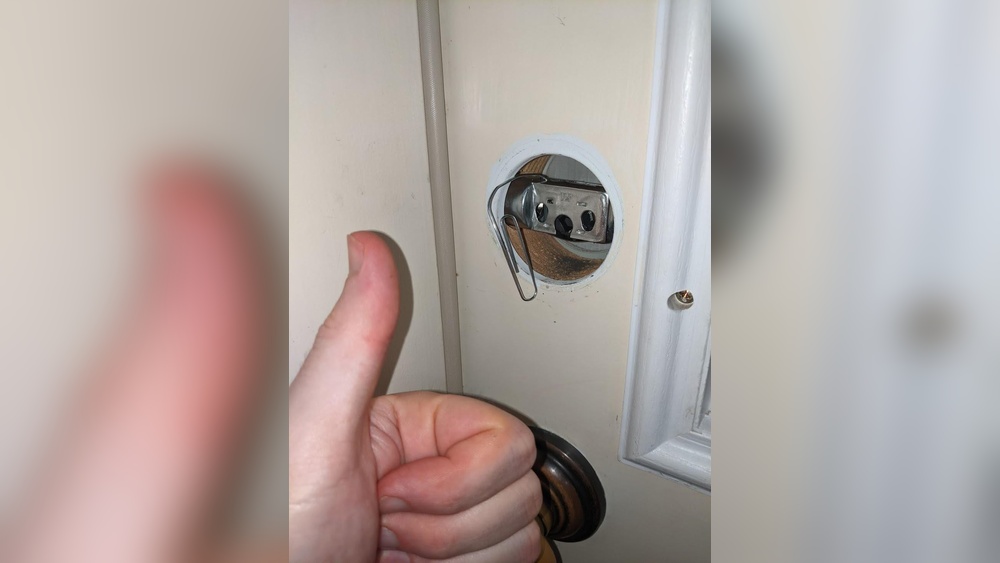
Simple tools like a hairpin or paperclip can sometimes open a deadbolt. A flathead screwdriver helps to pry or twist parts gently. Rubber gloves improve grip and protect your hands. Tape or plastic cards can slide between the door and frame to release the lock latch. These items are easy to find and useful for basic attempts.
Specialized Locksmith Tools
Lock picks are designed to move the pins inside the lock. A tension wrench helps apply the right pressure. A pick gun uses a quick motion to set pins. These tools require skill but increase the chance of success. Professional kits often include various pick shapes and sizes. Buying them online is possible, but practice is important to avoid damage.

Credit: www.wikihow.com
Assessing The Lock
Before opening a locked deadbolt, it is important to assess the lock carefully. This step helps you understand what tools and methods to use. Knowing the lock’s type and condition saves time and effort. It also reduces the chance of damage to the door or lock.
Type Of Deadbolt
Deadbolts come in different types. Some have a single cylinder, which means they lock and unlock with a key on one side. Others have a double cylinder, requiring a key on both sides. There are also electronic deadbolts with keypads or smart features. Identifying the type helps choose the right approach. For example, a single cylinder might be easier to open if you have a key. Electronic locks may need a different method or professional help.
Condition Of The Lock
Check the lock’s condition before trying to open it. Look for signs of rust, dirt, or damage. A rusty or broken lock might be harder to open or may break completely. Clean locks usually work smoother and respond better to tools. Also, test if the lock turns at all with the key or knob. This gives clues about internal problems. Understanding the lock’s state helps avoid forcing it and causing more damage.
Quick Methods To Unlock
Getting locked out can be stressful. Quick methods help open a deadbolt without special tools. These tricks use common items you may have around the house. They work best on simple locks and can save time before calling a locksmith.
Using A Credit Card
Slide a credit card between the door and frame near the deadbolt. Push the card while wiggling it up and down. The card can push the latch back enough to open the door. Use a flexible card that you do not mind bending or damaging.
Bobby Pin Technique
Straighten two bobby pins. Bend one tip slightly to act as a pick. Insert the bent pin into the lock and try to find the pins inside. Use the other pin as a tension wrench. Turn the wrench slowly while lifting the pins with the pick.
Screwdriver Approach
Use a small flathead screwdriver to turn the lock cylinder. Insert it into the gap between the door and the lock. Turn the screwdriver gently in the direction the lock opens. This works better on older locks with loose cylinders. Avoid forcing the tool to prevent damage.

Credit: www.youtube.com
Advanced Techniques
Advanced techniques can help open a locked deadbolt when basic methods fail. These methods require special tools and skills. They are not for beginners but can be useful in tough situations.
Lock Picking Basics
Lock picking uses small tools to move the pins inside the lock. The goal is to align pins to open the deadbolt without a key. It takes practice and patience to feel the pins move. A tension wrench and a pick are the main tools needed. Gentle and slow movements work best to avoid damaging the lock.
Drilling The Lock
Drilling destroys the lock’s inner parts to open it quickly. It uses a power drill and a strong drill bit. Drill the lock cylinder where the pins sit. This method damages the lock and needs replacement afterward. Wear safety glasses and use caution to avoid injury. Drilling is a last resort when other methods fail.
Bypassing With A Shim
A shim is a thin piece of metal that slips between the lock and the bolt. It pushes the bolt back to open the door. Shimming works best on spring latch deadbolts. It requires a thin, flexible shim made from a metal strip. Insert the shim carefully and wiggle it to move the bolt. This method does not damage the lock and is quick if done right.
When To Call A Professional
Knowing when to call a professional locksmith is important. Some deadbolt problems require expert tools and skills. Trying to fix them alone can cause more damage. A pro can save time and prevent extra costs.
Signs You Need Expert Help
If the key breaks inside the lock, call a locksmith. Stuck or jammed deadbolts that won’t budge need expert care. Damaged or worn locks often need repair or replacement. Strange noises or resistance when turning the key are warning signs. Failed attempts to open the deadbolt can make things worse.
Choosing The Right Locksmith
Pick a locksmith with a good reputation and proper licenses. Check reviews and ask for recommendations from friends. Confirm the locksmith offers emergency services if needed. Compare prices but avoid very cheap offers; quality matters. Make sure the locksmith uses professional tools and methods. Clear communication helps avoid misunderstandings and extra fees.

Credit: www.wikihow.com
Preventing Future Lockouts
Getting locked out is frustrating and stressful. Taking steps to prevent future lockouts saves time and worry. Simple habits and smart choices keep your home safe and accessible. Planning ahead helps avoid emergencies.
Spare Keys And Key Management
Keep spare keys in safe places outside your home. Give copies to trusted friends or family members. Avoid hiding keys where anyone can find them. Use a secure lockbox if needed. Label keys clearly to avoid confusion. Regularly check that spare keys are accessible and not lost.
Upgrading Lock Systems
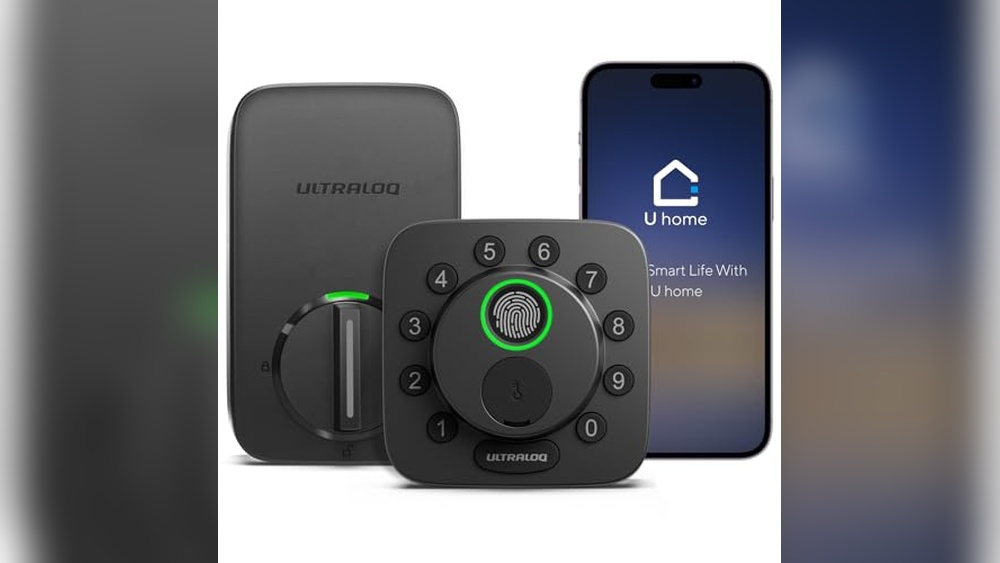
Consider installing smart locks for easy access. These locks use codes or phones instead of keys. Some allow temporary access for visitors. Choose locks with backup options in case of power failure. Upgrade old locks to improve security and convenience. Professional installation ensures proper function and safety.
Frequently Asked Questions
How Can I Open A Locked Deadbolt Without A Key?
You can open a locked deadbolt by using lock picking tools, a bump key, or by removing the lock cylinder. Always try non-destructive methods first. If unsure, consider calling a locksmith to avoid damage or legal issues.
What Tools Do I Need To Unlock A Deadbolt?
Common tools include a tension wrench, lock pick set, bump key, or a drill for emergencies. The right tool depends on the lock type and your skill level. Always use proper tools to avoid damaging the lock.
Is It Legal To Open A Locked Deadbolt Without A Key?
Opening a deadbolt without a key is legal only on your property or with permission. Unauthorized entry is illegal and punishable by law. Always ensure you have the right to access before attempting to unlock.
Can I Unlock A Deadbolt With A Credit Card?
Most deadbolts cannot be opened with a credit card due to their design. This method only works on spring latch locks. For deadbolts, use proper lock-picking techniques or professional help.
Conclusion
Opening a locked deadbolt can feel tricky at first. Simple steps and patience help solve the problem. Tools like a key, bump key, or credit card might work. Always try gentle methods to avoid damage. If you cannot open the lock, calling a professional is wise.
Knowing these tips saves time and stress. Keep calm and think through each step carefully. You can handle this situation with confidence.