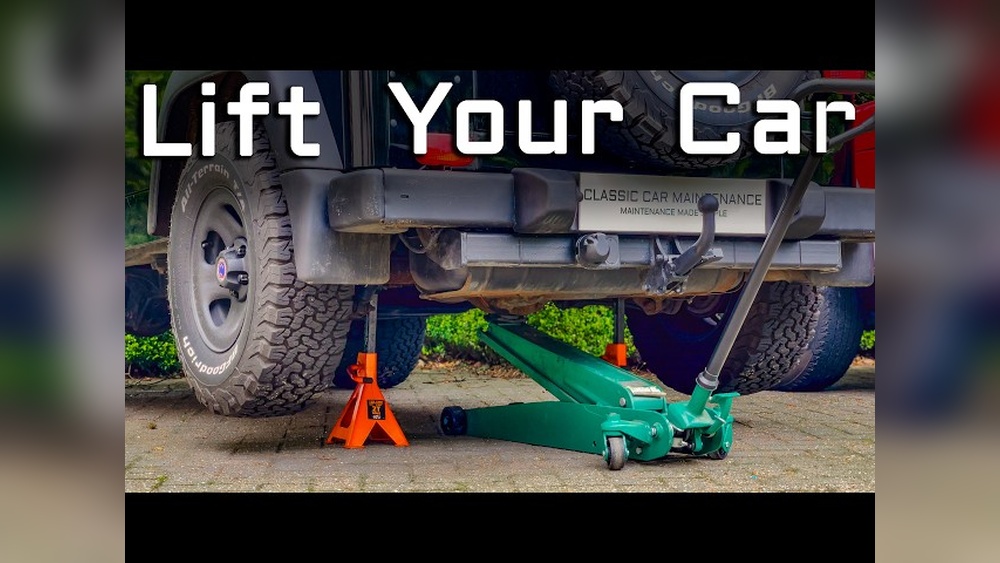
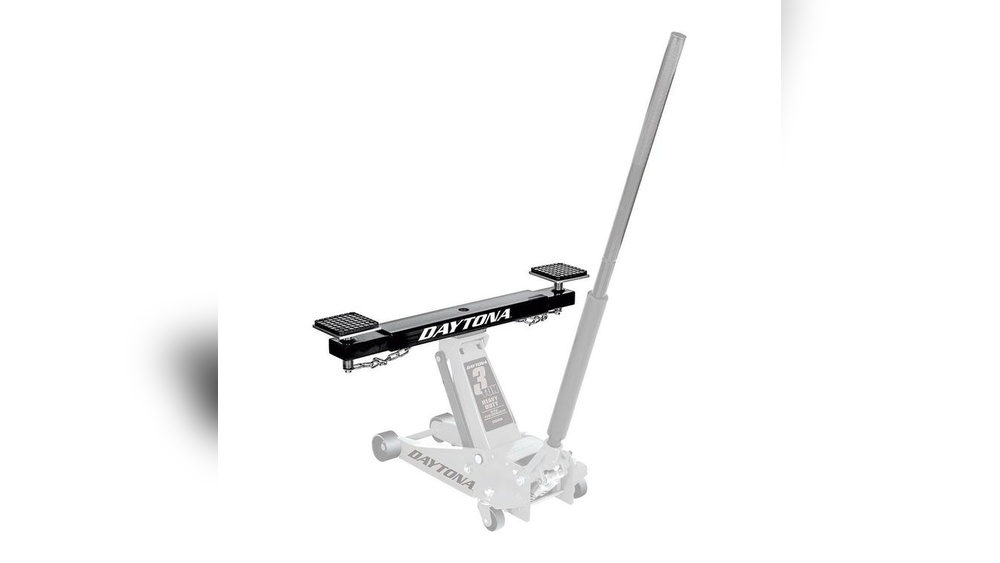
Is your Walker floor jack not working like it used to? Don’t let a small problem stop you from getting the job done.
You might think fixing it is complicated or expensive, but that’s not always true. With the right steps, you can repair your floor jack quickly and save time and money. In this guide, you’ll learn simple, clear ways to bring your Walker floor jack back to life.
Keep reading—you’re closer to a smooth, safe repair than you think.

Credit: stonedesignbysantos.com
Common Walker Floor Jack Issues
Walker floor jacks are helpful tools for lifting heavy vehicles safely. Over time, they may show common issues that reduce their performance. Knowing these problems helps you fix the jack quickly and safely. This section explains common Walker floor jack issues to watch for.
Hydraulic Fluid Leaks
Hydraulic fluid leaks cause the jack to lose pressure. The jack may not lift or hold weight properly. Leaks often come from worn seals or damaged hoses. Check the fluid level regularly. Replace seals or hoses if you see wet spots or puddles under the jack.
Slow Lifting Or Lowering
The jack may lift or lower slowly due to air trapped in the system. Dirt or debris in the hydraulic fluid also slows the process. Bleed the jack to remove air pockets. Clean and replace old hydraulic fluid to keep the jack working smoothly.
Jack Won’t Lift
If the jack won’t lift, it might have a faulty release valve. The pump may not create enough pressure. Check the release valve and tighten it if needed. Inspect the pump for damage or wear. Repair or replace parts to restore lifting power.
Unusual Noises
Strange sounds during use signal internal problems. Grinding or squeaking may come from worn gears or lack of lubrication. Regularly oil moving parts to prevent noise. Replace worn gears to avoid further damage.
Essential Tools And Materials
Repairing a Walker floor jack requires the right tools and materials. Having these items ready saves time and ensures a smooth repair process. This section lists the essential tools and materials you need for a successful fix. Each item plays a key role in restoring your floor jack’s function.
Basic Hand Tools
Start with a set of basic hand tools. Wrenches and sockets help remove bolts and nuts. Screwdrivers are needed for screws and small parts. Pliers assist in gripping and pulling components. A hammer may be useful for loosening stuck parts. Keep a clean cloth handy to wipe grease and dirt.
Hydraulic Fluid Types
Hydraulic fluid is vital for your floor jack’s lifting power. Use the fluid type recommended by the manufacturer. Most Walker jacks use hydraulic oil or jack fluid. Avoid using brake fluid or motor oil. These fluids can damage the seals and reduce performance. Always check the fluid level and top up as needed.
Replacement Parts
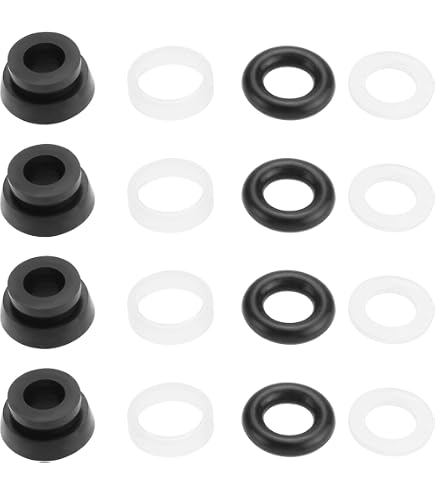
Identify worn or broken parts before starting the repair. Common parts include seals, O-rings, and valves. A new release valve may be necessary if the jack won’t hold pressure. Replacement wheels improve mobility if old ones are damaged. Use genuine Walker parts to ensure fit and durability.
Inspecting The Floor Jack
Inspecting a Walker floor jack is the first step in fixing it. Careful inspection helps find problems early. It saves time and money. You can prevent bigger issues by spotting small faults.
Start by checking all parts closely. Look for signs of wear or damage. Testing the hydraulic system is important too. It shows if the jack lifts smoothly. Also, check seals and valves to avoid leaks.
Checking For Visible Damage
Look over the entire floor jack carefully. Check the frame for cracks or bends. Examine the lifting arm and base for dents. Look at the wheels for wear or breakage. Loose or missing parts need attention.
Rust spots can weaken the metal. Clean these areas and decide if repairs are needed. Every visible fault could cause failure during use.
Testing Hydraulic Pressure
Pump the handle to lift the jack. Notice if it rises steadily or hesitates. If the jack struggles or won’t lift, hydraulic pressure may be low. Listen for strange sounds during pumping. These could mean air or fluid problems inside.
Lower the jack slowly. It should descend smoothly without sudden drops. Uneven movement shows hydraulic issues. Fixing this keeps your jack safe and reliable.
Examining Seals And Valves
Seals and valves control fluid flow inside the jack. Check seals for cracks or hardening. Old seals cause leaks and pressure loss. Valves should open and close without sticking.
Look for oil leaks around seals and valve areas. Leaks reduce lifting power and cause mess. Replace damaged seals and clean valves. This step ensures your jack works well and lasts longer.

Credit: www.amazon.com
Fixing Hydraulic Fluid Leaks
Fixing hydraulic fluid leaks in a Walker floor jack is key to keeping it working well. Leaks can cause the jack to lose pressure and stop lifting properly. Finding and fixing these leaks helps the jack stay safe and strong for a long time.
Hydraulic fluid leaks happen mostly around seals and fittings. These parts wear out or get damaged over time. Fixing the leaks involves finding where the fluid escapes, changing the bad seals, and then adding fresh hydraulic fluid. Each step is simple and saves you from buying a new jack.
Locating The Leak
Start by cleaning the jack’s surface. Dirt can hide the leak. Look closely at the hydraulic cylinder and connections. Check for wet spots or drips. Use a flashlight to see small cracks or holes. Mark the leaking area with a pencil or tape. This shows exactly where to fix.
Replacing Seals
Once you find the leak, remove the old seals. Use the right tools to avoid damage. Take off the worn or cracked seals carefully. Clean the seal grooves before putting new seals in. Fit new seals that match your jack’s model. Press them in place evenly for a tight fit.
Refilling Hydraulic Fluid
After sealing the leak, refill the hydraulic fluid. Open the jack’s fluid reservoir. Use clean hydraulic fluid recommended by the manufacturer. Pour slowly to avoid air bubbles. Fill to the correct level shown in the guide. Close the reservoir tightly to stop future leaks.
Resolving Slow Or Non-lifting Issues
Slow or non-lifting issues with a Walker floor jack can stop your work. The jack may not raise properly or may feel weak. Fixing these problems often involves checking the hydraulic system and mechanical parts. Simple steps can restore smooth lifting action quickly.
Bleeding Air From The System
Air trapped inside the hydraulic system causes slow lifting. Start by opening the release valve slightly. Pump the handle several times to push air out. Close the valve and test the jack. Repeat if needed until lifting feels strong and smooth.
Adjusting The Release Valve
The release valve controls hydraulic pressure. A loose valve causes slow or no lift. Tighten the valve carefully using a wrench. Do not over-tighten, or it may damage the jack. Test the jack after each adjustment to find the right tightness.
Cleaning And Lubricating Moving Parts
Dirt and rust slow down the jack’s movement. Clean the wheels, hinges, and pump parts with a cloth. Use light machine oil or grease on all moving joints. This reduces friction and improves lifting speed. Regular cleaning keeps the jack working well longer.
Addressing Unusual Noises
Unusual noises from a Walker floor jack signal a problem. These sounds can mean parts need attention or repair. Ignoring noises risks bigger damage and safety issues. Start by finding the source of the noise. Then, fix loose parts or replace worn ones. This keeps your jack safe and working well.
Identifying Noise Sources
Listen carefully to the type of noise. Squeaks often come from dry or dirty joints. Grinding sounds may mean metal parts rub together. Check the wheels, handle, and lifting arm. Move the jack slowly to hear where noise starts. Mark noisy spots for repair.
Tightening Loose Components
Loose bolts or screws cause rattling and shaking. Use the right tools to tighten them firmly. Check all visible fasteners on the jack. Do not overtighten; this can cause damage. Tight parts reduce noise and improve jack stability.
Replacing Worn Parts
Worn parts cause persistent noise and poor function. Inspect the wheels, seals, and lifting pads for wear. Replace any parts that look cracked, bent, or worn out. Use parts made for your Walker floor jack model. New parts restore smooth, quiet operation.
Safety Tips During Repairs
Repairing a Walker floor jack requires careful attention to safety. Follow important safety tips to avoid accidents and injuries. Taking precautions protects you and ensures the jack works properly after repair.
Proper Jack Positioning
Place the jack on a flat, solid surface before starting repairs. Avoid uneven or slippery floors that can cause the jack to tip. Keep the jack stable to prevent sudden movements.
Using Protective Gear
Wear safety gloves to protect your hands from sharp edges and oil. Use safety glasses to shield your eyes from dust and debris. Dress in clothes that cover your arms and legs to avoid cuts.
Testing After Repairs
After fixing the jack, test it slowly at first. Check for leaks or strange noises. Make sure it lifts smoothly and holds weight steadily. Stop using the jack if you notice any problems.
Credit: crjheavytrucks.com
Maintenance For Longevity
Proper maintenance keeps your Walker floor jack working well for a long time. Small care steps prevent big problems. It also ensures safety and reliable performance every time you use it.
Follow simple routines to keep the jack clean, lubricated, and checked. These tasks help avoid damage and extend the jack’s life. Regular attention saves money and effort later.
Regular Cleaning
Remove dirt and dust from the jack after each use. Use a dry cloth to wipe all surfaces. Avoid water that can cause rust or damage. Keep the wheels clean to move smoothly. Clean parts help the jack work without trouble.
Periodic Lubrication
Apply oil or grease to the moving parts often. Focus on the hinges, wheels, and lifting arm. Lubrication reduces friction and wear. Use a light machine oil for best results. Proper lubrication keeps the jack easy to use and quiet.
Routine Inspections
Check the jack regularly for signs of wear or damage. Look at the hydraulic system, seals, and screws. Tighten loose bolts and replace worn parts. Test the lifting and lowering functions carefully. Early problem detection prevents accidents and costly repairs.
Frequently Asked Questions
How Do I Fix A Walker Floor Jack That Won’t Lift?
Check the hydraulic fluid level first. Low fluid causes lifting issues. Refill if needed. Inspect for leaks or air trapped in the system. Bleed the jack to remove air and restore proper lifting function.
Why Is My Walker Floor Jack Leaking Oil?
Oil leaks usually come from worn seals or damaged O-rings. Inspect these parts carefully. Replace any damaged seals to stop the leak. Tighten loose fittings and ensure the hydraulic fluid reservoir is sealed properly.
How Often Should I Maintain My Walker Floor Jack?
Perform maintenance every 6 months or after heavy use. Check fluid levels, clean moving parts, and lubricate joints. Inspect for wear or damage to ensure safe operation and prolong the jack’s lifespan.
Can I Repair A Broken Release Valve On A Walker Floor Jack?
Yes, a broken release valve can be repaired or replaced. First, identify the valve type. Remove it carefully and install a compatible replacement. Testing after replacement ensures the jack releases pressure properly.
Conclusion
Repairing a Walker floor jack can save time and money. Follow each step carefully for best results. Regular checks keep the jack working safely and smoothly. Use the right tools to avoid damage. Fix small issues early to prevent bigger problems.
Stay patient and take your time during repairs. Proper care extends the life of your floor jack. Now, you can handle basic repairs with confidence. Keep your equipment ready for any job ahead.