If you’ve ever tried to hang something on your wall and found the screws just won’t hold, you’re not alone. Putting anchors in your wall for screws is the secret to making sure your shelves, pictures, or hooks stay put without damage.
But how do you do it right? This guide will show you simple, step-by-step tips so you can confidently install anchors and keep your walls secure. Keep reading—you’re about to learn a skill that will save you time, frustration, and a lot of wall repair later.
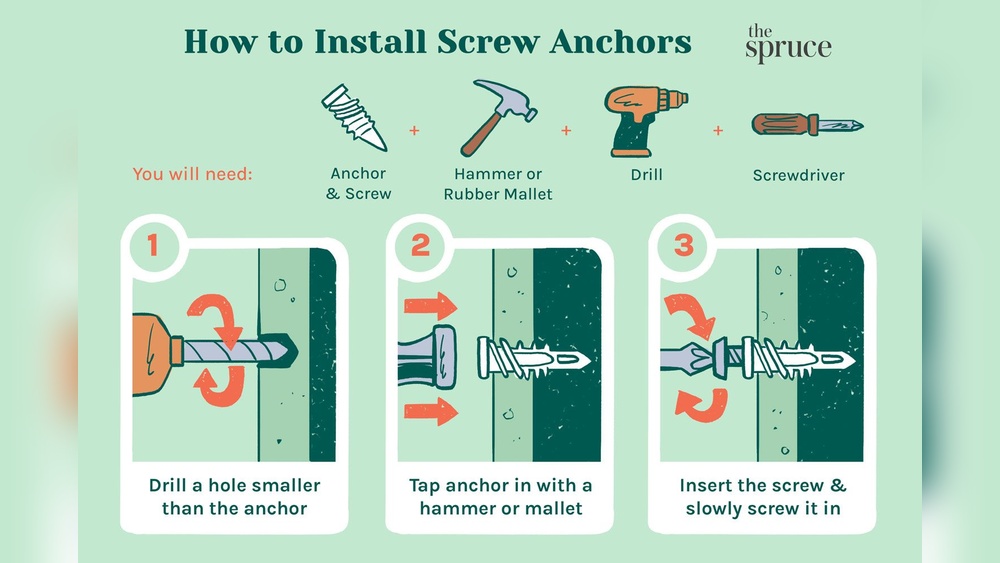
:max_bytes(150000):strip_icc()/how-to-use-and-discard-anchor-screws-1822671-002-04-4963da18c2674e6bbf07e5fc07d5b4f0.jpg)
Credit: www.thespruce.com
Choosing The Right Anchor
Choosing the right anchor is key to securing screws in walls safely. Anchors hold screws tightly and prevent damage to the wall. Different anchors work best for different wall types and weights. Picking the correct one ensures your item stays fixed and stable.
Types Of Wall Anchors
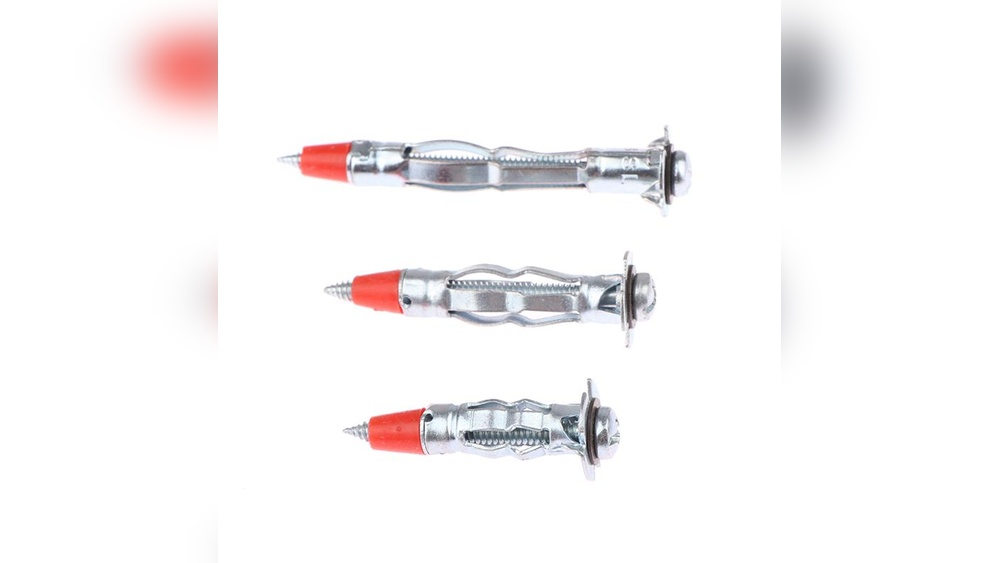
There are several types of wall anchors. Plastic expansion anchors are common for light loads and drywall. Metal anchors, like molly bolts, expand inside the wall for medium strength. Toggle bolts have wings that open behind the wall for heavy loads. Each type suits specific tasks and wall materials.
Selecting Based On Wall Material
Wall material affects anchor choice. Drywall needs lightweight anchors that spread weight. Concrete or brick requires heavy-duty anchors that drill into hard surfaces. Plaster walls need anchors that expand gently to avoid cracking. Match the anchor to your wall for best results.
Weight Capacity Considerations
Check the weight of the item before choosing an anchor. Light items need small anchors with low capacity. Heavy objects need strong anchors with high weight limits. Overloading anchors can cause damage and accidents. Always pick anchors rated for the weight you need to hold.
Tools Needed For Installation
Installing anchors in a wall requires a few basic tools. These tools help make the process easy and accurate. Having the right tools ensures the anchor holds the screw firmly.
Drill And Drill Bits
A drill is necessary to create holes in the wall. Choose drill bits that match the size of the anchors. Using the right size bit helps the anchor fit tightly. It prevents the wall from cracking or breaking.
Screwdriver And Screws
A screwdriver is essential for driving screws into the anchors. Use screws that fit the anchor size. The screws hold your item securely on the wall. Manual or electric screwdrivers can work well.
Measuring And Marking Tools
Measure the spot carefully before drilling. Use a tape measure or ruler for accuracy. Mark the exact point with a pencil. This avoids mistakes and keeps your installation neat.
Preparing The Wall
Preparing the wall is the first step to put anchors for screws. It ensures your anchors hold tight and your items stay secure. Taking time to prepare the wall can prevent mistakes and damage.
Locating The Spot
Find the exact spot where you want to place the anchor. Use a tape measure or ruler for accuracy. Choose a spot that is strong and suitable for your item.
Marking Drill Points
Mark the drill points clearly on the wall with a pencil. Make small dots where the anchors will go. This helps keep your holes straight and in the right place.
Checking For Obstacles
Check inside the wall for pipes, wires, or studs. Use a stud finder or wire detector. Avoid drilling into obstacles to keep the wall safe and prevent damage.
Drilling The Hole
Drilling the hole is a key step for putting anchors in walls. It creates the right space for the anchor to fit tightly. A clean, properly sized hole helps hold screws firmly. Taking care during drilling makes the whole process easier and stronger.
Choosing The Drill Bit Size
Select a drill bit that matches the anchor size exactly. The hole should not be too big or too small. Too big means the anchor will be loose. Too small makes it hard to insert the anchor. Check the anchor package for the recommended drill bit size.
Drilling Technique Tips
Hold the drill steady and straight to the wall. Start drilling slowly to avoid cracking the wall. Apply gentle pressure and let the drill do the work. Drill to the depth of the anchor length. Stop and check the hole often to avoid mistakes.
Cleaning The Hole
Remove dust and debris inside the hole after drilling. Use a small brush or blow air into the hole. A clean hole helps the anchor grip better. Avoid leaving loose particles that can weaken the hold.
Inserting The Anchor
Inserting the anchor into the wall is a key step for a secure hold. The anchor creates a strong base for the screw. It must fit tightly and stay in place. This part often determines the strength of your mounting.
Pushing Vs. Hammering Anchors
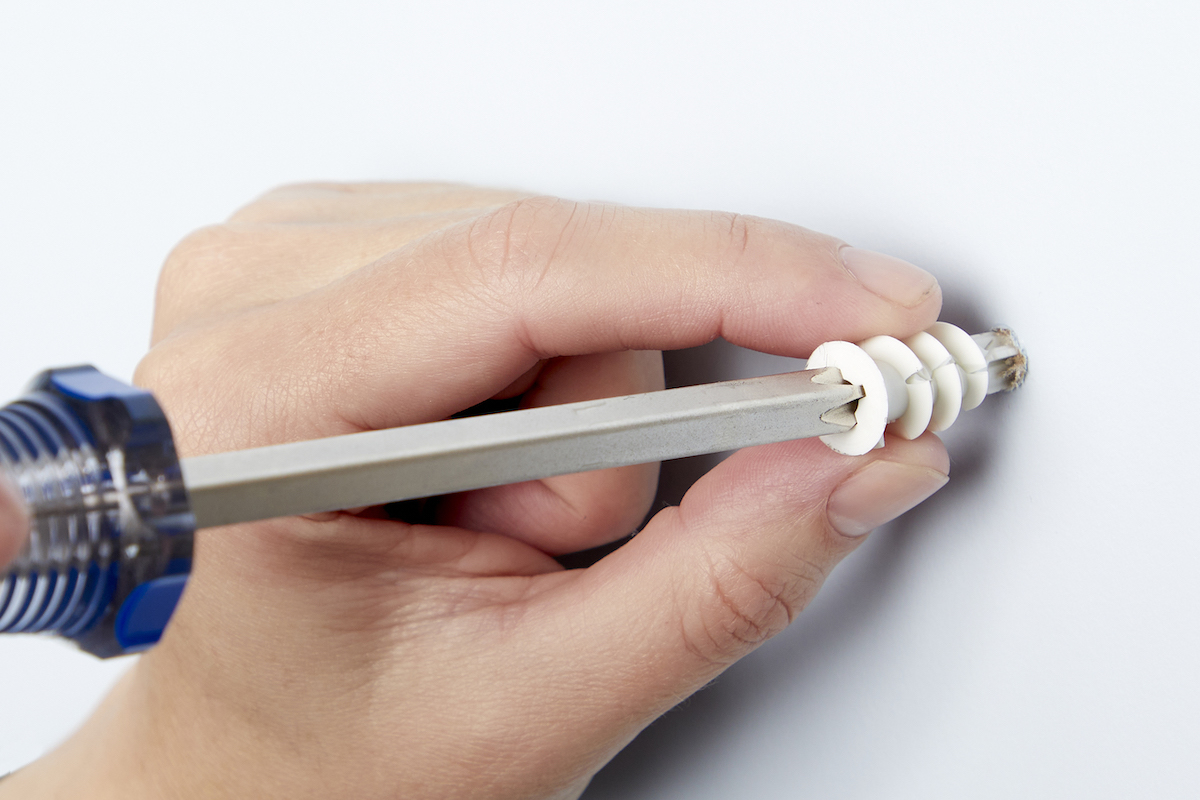
Some anchors can be pushed into the hole by hand. This method works well for soft materials like drywall. Pushing avoids damage to the wall. Other anchors need light tapping with a hammer. Use a hammer gently to avoid cracking the wall. Always check the anchor type before choosing the method.
Ensuring Proper Fit
The anchor should fit snugly in the hole. Too loose means poor support. Too tight could crack the wall. Test the fit by pressing the anchor gently. It should not wiggle or fall out. The hole size must match the anchor size exactly.
Dealing With Loose Anchors
Loose anchors reduce holding power and can cause damage. If the anchor spins, remove it and try a larger one. Fill the hole with wall repair compound for a better grip. Another option is to drill a new hole nearby. Always secure the anchor firmly before screwing.
Securing The Screw
Securing the screw properly is key to a strong hold in the wall. It keeps your items safe and prevents damage to the wall. The right steps make the screw fit well into the anchor. This section explains how to choose the correct screw length, drive the screw safely, and check if it is stable.
Choosing The Right Screw Length
Pick a screw that matches the anchor size. The screw must be long enough to go deep into the anchor. If the screw is too short, it won’t hold well. Too long, and it may damage the wall behind. Measure the anchor length and add a bit for the thickness of what you hang.
Driving The Screw Safely
Use a screwdriver or drill with a proper bit. Turn the screw slowly to avoid slipping. Stop once the screw is tight but not forced. Forcing can break the anchor or strip the hole. Keep the screw straight to make it fit well inside the anchor.
Checking Stability
After screwing in, check if the screw feels firm. Wiggle the screw gently to test its hold. A loose screw means the anchor did not grip well. Tighten slightly or try a bigger anchor if needed. A stable screw supports weight and keeps your items secure.
Common Mistakes To Avoid
Putting anchors in walls for screws seems simple but common errors can cause problems. These mistakes make anchors weak or damage your wall. Avoiding them helps your screws hold tight and last longer.
Wrong Anchor Type
Using the wrong anchor type is a frequent error. Drywall anchors don’t work well in concrete or brick walls. Plastic anchors may fail under heavy weight. Match the anchor type to your wall and load for best results.
Oversized Or Undersized Holes
Drilling holes that are too big or too small weakens the anchor. A hole too large makes the anchor loose and unstable. A hole too small can crack the wall or break the anchor. Measure carefully and drill the right size hole.
Overtightening Screws
Turning screws too tight can damage anchors and walls. It may strip the anchor or pull it out. Tighten screws just enough to hold the item firmly. Stop once you feel resistance to avoid damage.

Credit: www.youtube.com
Tips For Different Wall Types
Different walls need different anchors for screws. Choosing the right anchor helps hold your items safely. This section shows easy tips for common wall types. Follow these tips to avoid damage and ensure strong support.
Drywall Anchors
Drywall is soft and cannot hold heavy items alone. Use plastic expansion anchors or self-drilling anchors. Drill a small hole first. Push the anchor in gently. Tighten the screw slowly to avoid breaking drywall. These anchors spread the load behind the wall. They work well for light to medium weight objects.
Masonry Anchors
Brick, concrete, and stone walls are hard and need strong anchors. Use sleeve anchors or wedge anchors. Drill a hole with a masonry bit. Clear dust from the hole before inserting the anchor. Tap the anchor in until flush with the wall. Tighten the screw or bolt firmly. These anchors grip tightly in hard surfaces. They support heavy items securely.
Plaster Wall Fixings
Plaster walls can crack easily. Use hollow wall anchors or toggle bolts. Drill a hole slightly smaller than the anchor. Insert the anchor carefully to avoid damage. Toggle bolts open behind the wall for strong hold. Tighten screws slowly to keep plaster intact. These fixings work best for medium weight items. They keep your plaster wall safe and strong.
Credit: www.bobvila.com
Frequently Asked Questions
What Types Of Wall Anchors Are Best For Screws?
Plastic expansion anchors suit light loads on drywall. Metal anchors work for heavier items. Choose anchors based on wall type and weight.
How Do You Install Wall Anchors For Screws?
Drill a hole matching the anchor size. Insert the anchor flush with the wall. Then, screw in slowly until secure.
Can I Use Anchors In Drywall Without Studs?
Yes, drywall anchors provide support without studs. They distribute weight evenly to prevent damage. Use appropriate anchors for the item’s weight.
How Do I Choose The Right Anchor Size?
Select an anchor matching screw diameter and load needs. Larger anchors hold more weight. Check packaging for weight limits and wall type.
Conclusion
Putting anchors in the wall for screws is simple with the right steps. Choose the right anchor for your wall type. Drill a hole carefully, then insert the anchor firmly. Screw into the anchor to hold items securely. Take your time and follow each step closely.
This method keeps your items safe and stable. Practice makes the process easier and quicker. Now you can hang shelves, pictures, or hooks with confidence. Easy, strong, and reliable—just what you need.