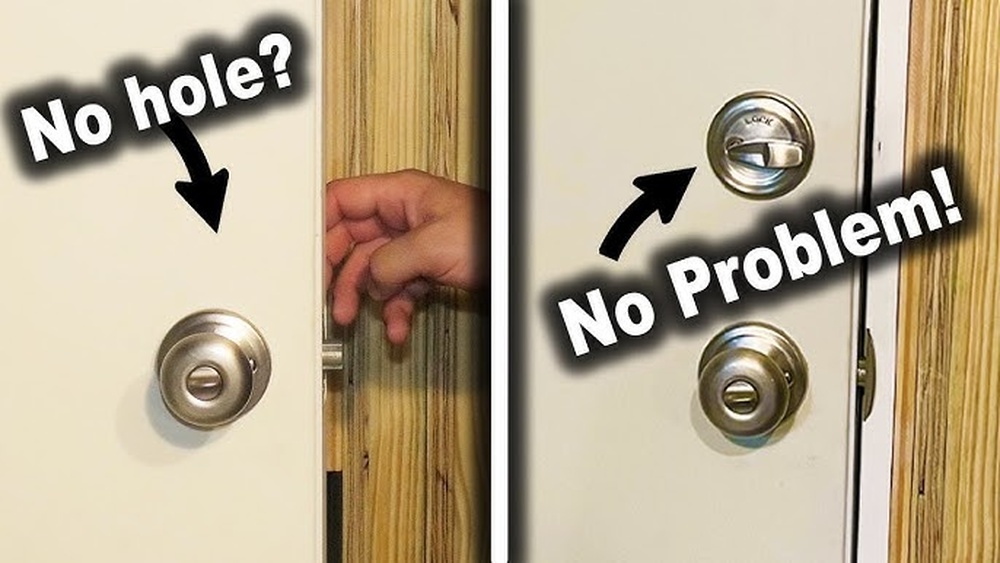
When it comes to securing your home, a deadbolt lock is one of the best choices you can make. But how do you install it properly?
If you’ve never drilled a door for a deadbolt before, the process might seem tricky or even a little intimidating. Don’t worry—you’re in the right place. This guide will walk you through every step, making it simple and stress-free. By the end, you’ll have the confidence and know-how to add that extra layer of security to your door.
Ready to get started? Let’s dive in!
Tools And Materials Needed
Drilling a door for a deadbolt requires specific tools and materials. Having the right items makes the job easier and safer. This section covers what you need to start the project with confidence.
Essential Drill Bits
Use a hole saw drill bit sized for the deadbolt hole. Usually, a 2-1/8 inch hole saw works well. A spade bit or a hole saw bit of 1 inch is needed for the latch hole. Sharp bits ensure clean cuts and prevent damage to the door. Choose bits designed for wood or metal, based on your door type.
Deadbolt Kit Components
A complete deadbolt kit includes the lock cylinder, latch, strike plate, and mounting screws. The lock cylinder fits into the large hole drilled in the door. The latch goes into the edge of the door. The strike plate mounts on the door frame to catch the latch. Check that all parts match the door thickness before starting.
Safety Gear
Wear safety glasses to protect your eyes from wood chips and dust. Use ear protection to reduce noise from the drill. Gloves protect your hands but avoid loose ones that may catch in the drill. Secure the door or workpiece to keep it stable during drilling. Good lighting helps to see clearly and avoid mistakes.
Preparing The Door
Preparing the door is an important step before drilling for a deadbolt. This process ensures the lock fits perfectly and works well. Taking time to prepare helps avoid mistakes that can damage the door.
Start by understanding the door’s structure and the exact spot for the deadbolt. This preparation makes the installation smooth and safe.
Marking The Drill Points
Mark the spots where you will drill carefully. Use a pencil to mark the center of the lock hole and the edge hole for the bolt. Check these marks twice before drilling.
Use a template from the deadbolt kit to get exact points. This step helps keep the holes aligned and precise.
Measuring For Accuracy
Measure all distances clearly. Check the height from the floor to the mark for the lock. It should be comfortable to reach and fit standard lock sizes.
Measure the distance from the door edge to the center mark. This is called the backset and usually is 2 3/8 or 2 3/4 inches. Accurate measuring prevents the lock from fitting poorly.
Checking Door Thickness
Measure the door thickness using a ruler or tape. Most doors are between 1 3/8 and 1 3/4 inches thick. Match this thickness to the deadbolt specifications.
Doors that are too thin or too thick may need special locks or adjustments. Knowing the thickness ensures you buy the right deadbolt and drill to the correct depth.
Drilling The Face Bore
Drilling the face bore is a crucial step when installing a deadbolt on a door. This hole allows the lock’s main body to fit securely into the door. It must be precise to ensure the deadbolt works smoothly. Careful drilling prevents damage to the door and keeps the lock stable.
Choosing The Right Drill Bit Size
Select a drill bit that matches the deadbolt’s face bore diameter. Most deadbolts need a 2 1/8-inch bit. Check the lock’s instructions to confirm the size. Using the wrong size creates loose fitting or too tight a hole. A spade bit or hole saw drill bit works best for this task.
Drilling Techniques
Mark the door clearly where the bore hole goes. Start drilling slowly to keep control. Use a steady hand and keep the drill straight. Drill halfway through from one side first. Then finish drilling from the other side to prevent splintering. Keep the drill bit cool by pausing often.
Avoiding Splintering
Splintering ruins the door’s finish and weakens the wood. Place masking tape over the drilling spot. This holds wood fibers together as the drill passes through. Drill slowly and use a sharp bit to reduce tear-out. Back drilling helps by cutting from both sides.

Credit: www.youtube.com
Drilling The Edge Bore
Drilling the edge bore is a key step in installing a deadbolt. This hole holds the latch that secures the door. Getting this right ensures the deadbolt works smoothly and fits well. Take care to drill accurately and cleanly for the best results.
Aligning The Hole For The Latch
Start by marking the exact spot for the latch on the door edge. Use the template that comes with your deadbolt kit. Hold it steady and mark the center point carefully. Proper alignment helps the latch fit perfectly and operate smoothly.
Drilling Straight And Clean
Use a drill bit sized for your latch. Keep the drill straight and steady while drilling. A crooked hole can cause the latch to stick or fail. Drill slowly and with control to avoid splintering the wood. Stop once the drill passes through the door edge.
Cleaning Up The Edges
Remove any rough wood or splinters around the hole. Use sandpaper or a small file to smooth the edges. Clean edges help the latch sit flush and prevent damage. A neat edge bore looks professional and ensures proper latch function.
Installing The Deadbolt
Installing the deadbolt is the key step after drilling the door. It keeps your home safe and secure. Follow these simple steps to fit the deadbolt correctly. Take your time to avoid mistakes.
Inserting The Latch
Start by sliding the latch into the hole on the door’s edge. Make sure the slanted part faces the door frame. Push it until it fits snugly. Check that the latch moves smoothly when you press it.
Attaching The Exterior And Interior Parts
Place the exterior part of the deadbolt on the outside of the door. Feed its connecting tailpiece through the latch. On the inside, align the interior part with the tailpiece. Hold both parts tight against the door.
Securing With Screws
Insert screws into the holes on the interior part. Tighten them with a screwdriver but not too hard. The deadbolt should stay firmly in place without wobbling. Test the lock by turning the thumb turn inside and the key outside.

Credit: www.familyhandyman.com
Testing And Adjustments
After drilling the door for a deadbolt, testing and adjustments are very important. This step makes sure the lock works properly and fits well. Without checking, the lock may jam or not close tightly. Small fixes can save time and avoid problems later.
Checking Lock Alignment
Start by closing the door slowly. Watch how the deadbolt fits into the strike plate. The bolt should slide in smoothly without force. Check both sides of the door. The lock parts must line up perfectly. Misalignment causes the lock to stick or not lock at all.
Ensuring Smooth Operation
Turn the key or thumb turn several times. The deadbolt should move easily. Listen for any grinding or strange noises. Test the lock with the door open and closed. Smooth movement means the drilling is correct. Rough or hard turning means something needs fixing.
Making Necessary Corrections
If the lock does not fit well, adjust the strike plate. Loosen its screws and move it slightly. Tighten the screws again and test the lock. You may need to enlarge the hole for the bolt. Use a file or drill carefully to avoid damage. Repeat testing after each change until the lock works perfectly.
Tips For Long-lasting Security
Securing your door with a deadbolt is a smart step. To keep your home safe for years, use these tips. They help your lock work well and stop break-ins.
Good security does not end at installation. Maintaining the lock and door strength matters a lot. These simple steps extend your deadbolt’s life and keep your home protected.
Choosing Quality Deadbolts
Select deadbolts made from strong materials like steel or brass. These resist rust and wear better. Pick locks with at least a Grade 2 rating for solid security. Avoid cheap locks that break or jam easily.
Look for deadbolts with a long bolt throw. A bolt that extends at least one inch into the door frame adds strength. Choose designs with anti-pick and anti-drill features to stop tampering.
Regular Maintenance
Check your deadbolt regularly for smooth operation. Clean the lock and keyhole to remove dirt and dust. Lubricate moving parts with graphite or silicone spray to avoid sticking.
Tighten screws on the lock and strike plate often. Loose hardware reduces lock strength. Replace worn or damaged parts immediately to keep the deadbolt working well.
Enhancing Door Strength
Use a solid core or metal door for better security. Hollow doors are easier to break. Reinforce the door frame with longer screws to resist force.
Install a heavy-duty strike plate to support the deadbolt bolt. Adding a metal plate around the lock area helps too. These steps make it harder for intruders to break in.

Credit: doorcorner.wordpress.com
Frequently Asked Questions
How Do I Measure Where To Drill For A Deadbolt?
Measure 6 to 12 inches above the existing door handle. Mark the centerline horizontally and vertically on the door edge and face for accuracy before drilling.
What Size Hole Do I Drill For A Deadbolt?
Drill a 2 1/8-inch diameter hole for the main deadbolt lock. Use a 1-inch hole for the latch on the door edge.
Can I Drill A Deadbolt On Any Door Material?
Yes, you can drill on wood, metal, or fiberglass doors. Use appropriate drill bits and slow, steady pressure for best results.
What Tools Do I Need To Drill A Deadbolt Hole?
You need a power drill, hole saw bit (2 1/8-inch), spade bit (1 inch), tape measure, pencil, and a chisel for the latch plate.
Conclusion
Drilling a door for a deadbolt is easier than it seems. Follow the steps carefully and take your time. Use the right tools and measure twice before drilling. This helps avoid mistakes and keeps your door strong. Safety matters, so wear goggles and work slowly.
A well-installed deadbolt adds extra security to your home. Now, you can protect your space with confidence. Simple steps, clear results.


