Are you looking for fasteners that offer top-quality strength and reliability? A Class Fasteners might be exactly what you need.
Whether you’re working on a small DIY project or managing a large construction job, choosing the right fasteners can make all the difference. You’ll discover why A Class Fasteners stand out, how they can improve your work, and what makes them the go-to choice for professionals and hobbyists alike.
Keep reading to find out how these fasteners can help you get the job done right the first time.
A Class Fasteners Explained
A Class fasteners play a key role in many construction and manufacturing projects. These fasteners are known for their strength, reliability, and versatility. Understanding what makes A Class fasteners special helps you pick the right type for your needs.
This section explains the features and common types of A Class fasteners. It also covers the materials used to make them.
What Sets A Class Apart
A Class fasteners have higher strength compared to standard fasteners. They can hold heavy loads without breaking or loosening. These fasteners often meet strict quality standards and undergo tough testing.
They resist rust and corrosion better than regular fasteners. This makes them ideal for outdoor and harsh environments. Their design also ensures a tight fit, reducing the chance of failure.
Common Types And Materials
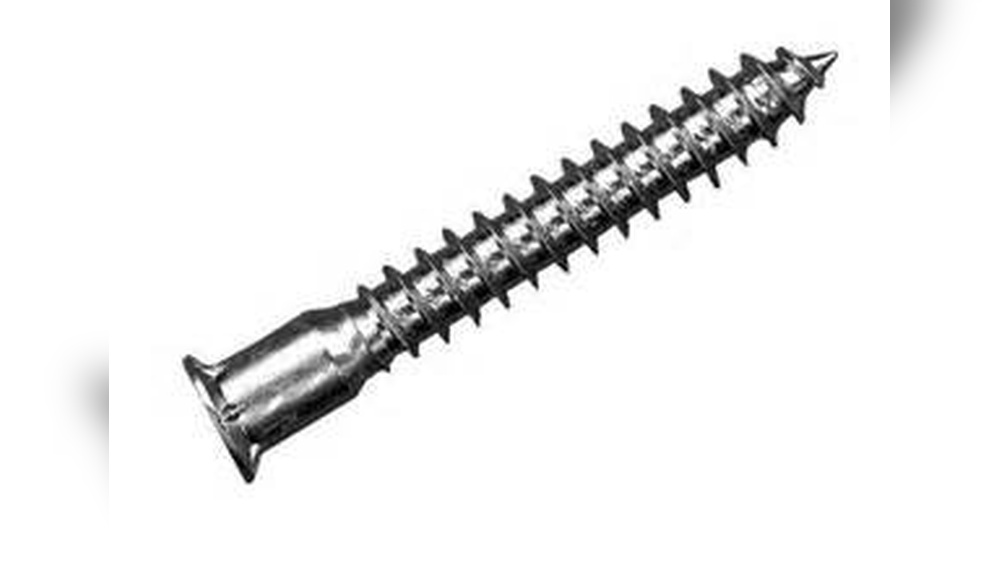
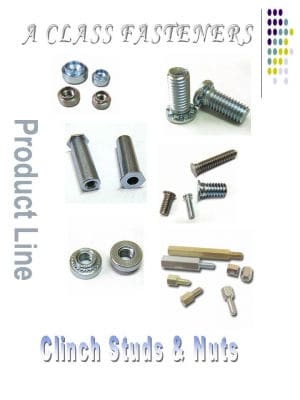
A Class fasteners come in many shapes and sizes. Common types include bolts, screws, nuts, and washers. Each type serves a specific purpose in construction or machinery.
Steel is the most common material for A Class fasteners. It offers excellent strength and durability. Stainless steel fasteners resist rust and are used in wet or corrosive environments.
Other materials include brass and titanium. Brass fasteners resist corrosion and conduct electricity well. Titanium fasteners are strong but lightweight, used in special applications.
Quality Standards For A Class Fasteners
Quality standards for A Class fasteners ensure strength and reliability. These fasteners meet strict rules for performance and safety. High-quality fasteners prevent failures in important projects.
Manufacturers follow detailed processes to keep quality consistent. Testing and certification confirm the fasteners meet industry demands. This section explains key quality standards for A Class fasteners.
Industry Certifications
Industry certifications prove fasteners meet set rules. Common certifications include ISO, ASTM, and DIN standards. These certifications check dimensions, strength, and durability. Certified fasteners fit exact needs in construction and machinery. Trust in certified products reduces risk of defects. Certifications come from trusted organizations worldwide. They ensure fasteners are made with quality materials and processes.
Material Testing Methods
Material testing checks the raw materials in fasteners. Tests include tensile strength, hardness, and corrosion resistance. Tensile tests measure how much force a fastener can hold. Hardness tests check resistance to wear and damage. Corrosion tests show how well fasteners resist rust. These tests prevent weak or faulty products from reaching users. Reliable testing methods support long-lasting and safe fasteners. Manufacturers use labs and machines to perform these tests accurately.
Durability Factors
A Class fasteners must withstand tough conditions to last long. Durability depends on several key factors. These factors ensure fasteners perform well in many environments. Understanding these helps in choosing the right fastener for your needs.
Corrosion Resistance
Corrosion resistance protects fasteners from rust and damage. Fasteners with high corrosion resistance last longer in wet or salty places. Materials like stainless steel and coated metals resist corrosion effectively. This feature prevents weakening and failure over time. It also reduces maintenance and replacement costs.
Strength And Load Capacity
Strength is the ability to hold heavy loads without breaking. Fasteners must handle stress from weight and movement. High-quality A Class fasteners offer strong load capacity. This ensures safety and stability in construction and machinery. Choosing the right strength prevents accidents and damage.
Credit: www.justdial.com
Applications Of A Class Fasteners
A Class fasteners are widely used in many fields due to their strength and reliability. They hold parts together securely and resist wear. These fasteners fit well in projects needing durability and precision. Their design allows easy installation and long-lasting performance.
Below are some key areas where A Class fasteners play a crucial role.
Construction And Engineering
A Class fasteners are common in building structures. They connect steel beams and wooden frames firmly. These fasteners ensure safety by holding heavy materials tightly. Engineers trust them for bridges and large buildings. Their resistance to rust and pressure is vital outdoors. Using these fasteners helps structures last longer.
Automotive And Aerospace
In cars and airplanes, A Class fasteners keep parts secure. They attach engines, panels, and seats reliably. These fasteners handle vibrations and high speeds well. Their lightweight design helps improve fuel efficiency. Aircraft makers rely on them for safe flights. Their strength and precision make them ideal for vehicles.
Choosing The Right Fastener
Choosing the right fastener is key to any project’s success. The correct fastener ensures strength, durability, and safety. Picking the wrong one can lead to weak joints or damage. Understanding the project needs helps select the best fastener type. Consider material, environment, and load before deciding. Fasteners come in many shapes, sizes, and materials. Each has specific uses and benefits. Knowing these details saves time and money.
Matching Fasteners To Projects
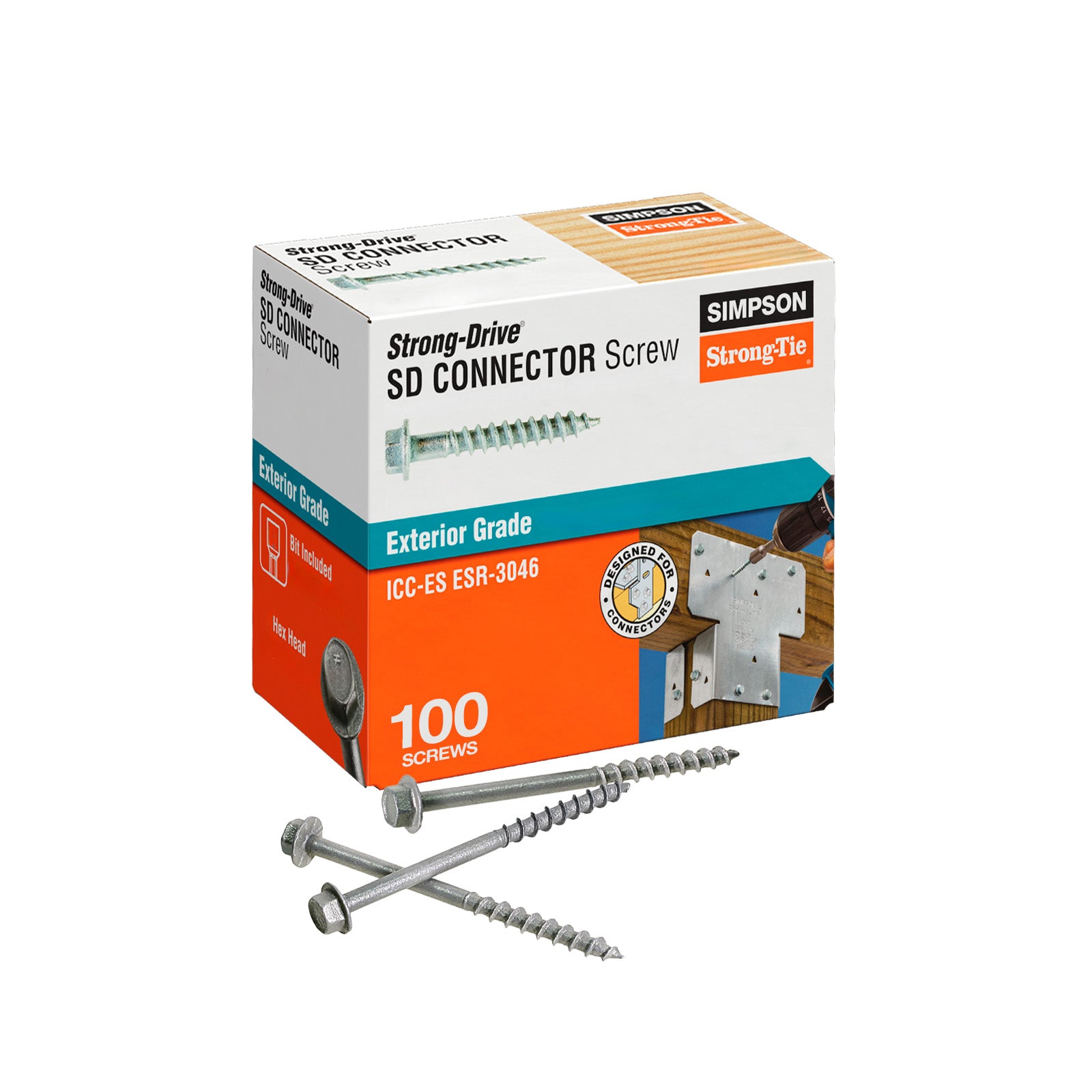
Each project needs a specific fastener type. Wood projects use nails or wood screws. Metal requires machine screws or bolts. Plastic often needs special fasteners to avoid cracks. The environment matters too. Outdoor projects need rust-resistant fasteners. Indoor projects may use simpler types. Weight and load affect the choice. Heavy loads need stronger, thicker fasteners. Small crafts can use lighter, smaller fasteners. Matching fasteners to materials and conditions is essential.
Cost Vs. Performance
Cost affects fastener choice but should not guide it alone. Cheap fasteners may fail early. High-quality fasteners last longer and hold better. Balance cost with strength and durability. Sometimes spending more saves money in repairs. Consider how often the fastener will be used. For temporary projects, low-cost fasteners may work. For permanent or heavy-duty use, invest in quality fasteners. This balance protects your project and budget.
Credit: www.fastenersplus.com
Maintenance And Inspection Tips
Proper maintenance and inspection of A Class Fasteners ensure safety and durability. Regular checks keep fasteners in good shape. They help avoid breakdowns and costly repairs.
Fasteners face stress, weather, and wear. Checking them often catches problems early. This section offers simple tips to maintain and inspect your fasteners effectively.
Routine Checks
Inspect fasteners regularly for tightness and alignment. Loose fasteners can cause parts to shift or fail. Use a torque wrench to check tightness against specifications. Clean fasteners to remove dirt and rust. Lubricate moving parts to prevent corrosion. Schedule checks based on usage frequency and environment.
Signs Of Wear And Failure
Look for cracks, bends, or corrosion on fasteners. Rust weakens metal and can cause breakage. Missing or stripped threads reduce holding power. Listen for unusual noises or vibrations near fasteners. Movement or gaps between joined parts can signal failure. Replace damaged fasteners immediately to maintain safety.

Credit: aclassfasteners.com
Frequently Asked Questions
What Are A Class Fasteners?
A Class Fasteners are high-quality fasteners designed for heavy-duty applications. They ensure strong, reliable connections in construction and machinery. These fasteners meet strict industry standards and provide superior durability and corrosion resistance, making them ideal for long-term use in demanding environments.
Why Choose A Class Fasteners Over Others?
A Class Fasteners offer enhanced strength, precision, and reliability compared to standard fasteners. They resist wear and corrosion, ensuring safety and longevity. Their consistent quality reduces maintenance costs and improves overall structural integrity in critical applications, making them a preferred choice for professionals.
Where Are A Class Fasteners Commonly Used?
A Class Fasteners are commonly used in construction, automotive, aerospace, and industrial machinery. They secure critical components where safety and durability are vital. Their high performance under stress makes them suitable for bridges, buildings, vehicles, and heavy equipment requiring dependable fastening solutions.
How To Identify Genuine A Class Fasteners?
Genuine A Class Fasteners have specific markings and certifications from recognized standards. They often feature manufacturer logos and batch numbers for traceability. Purchasing from authorized dealers and checking product documentation ensures authenticity and guarantees the fastener meets required performance criteria.
Conclusion
A Class Fasteners offer strong and reliable connections for many projects. They come in various sizes and materials to fit different needs. Choosing the right fastener helps ensure safety and durability. Easy to use and widely available, they suit both small repairs and big constructions.
Trusting quality fasteners saves time and prevents problems later. Keep these fasteners in mind for your next build or fix. Simple, effective, and essential.