Are your important documents slipping out of place or getting lost in piles? Folder fasteners are a simple tool that can keep your papers neat, secure, and easy to find.
If you’ve ever struggled with messy stacks or loose sheets, learning how to use folder fasteners can save you time and frustration. You’ll discover easy steps to organize your files like a pro and keep everything exactly where it belongs.
Ready to take control of your paperwork? Let’s dive in.
Choosing Folder Fasteners
Choosing the right folder fasteners helps keep your documents safe and organized. It affects how easy you open and close folders. The right fastener fits your needs and protects papers from damage. Consider the type, material, and size of fasteners for best results.
Types Of Fasteners
Folder fasteners come in many types. The most common are prong fasteners, string and button, and clip fasteners. Prong fasteners have metal arms that hold papers tightly. String and button fasteners use a string to secure the folder. Clip fasteners are easy to open and close but may hold fewer papers.
Materials And Durability
Fasteners are made from metal or plastic. Metal fasteners last longer and hold papers firmly. Plastic fasteners are lightweight and less expensive. Choose metal for heavy use or important documents. Plastic suits light use and temporary files. Durability matters if you handle folders often.
Size Selection
Select fasteners based on the number of pages. Small fasteners work for few papers, like under 50 sheets. Medium fasteners hold between 50 and 100 sheets. Large fasteners secure over 100 sheets. Using the right size stops papers from falling out or bending. Check folder thickness before picking fastener size.
Credit: www.amazon.sa
Preparing Documents
Preparing your documents is the first step to using folder fasteners correctly. It helps keep papers neat and easy to find. Good preparation saves time and avoids damage to your files.
Follow these simple steps to get your papers ready for folder fasteners.
Sorting Papers
Group your papers by topic or date. This keeps related documents together. Sort them in the order you want to read or file. It makes finding information fast and easy.
Aligning Holes
Check that all papers have holes punched in the same spot. Align the holes carefully before inserting the fastener. This stops papers from tearing or bending. Use a hole puncher if needed.
Trimming Excess Paper
Remove any extra edges or torn parts from your papers. Trim uneven or large margins so papers fit well inside the folder. Clean edges keep your documents safe and look tidy.
Attaching Fasteners
Attaching folder fasteners is a simple process that keeps your papers neat and secure. It helps organize documents so they do not get lost or mixed up. Follow clear steps to attach fasteners correctly for best results.
Inserting Prongs
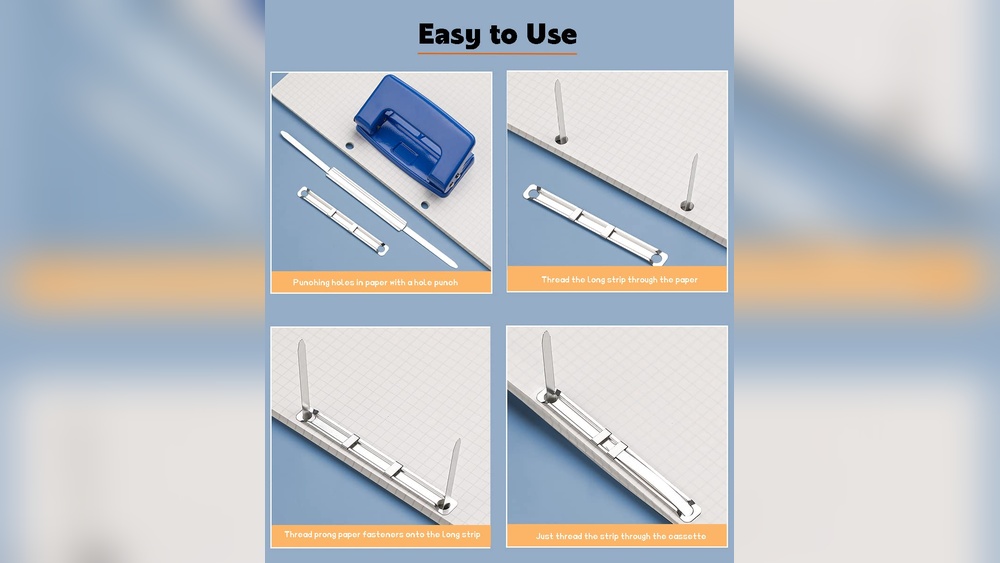
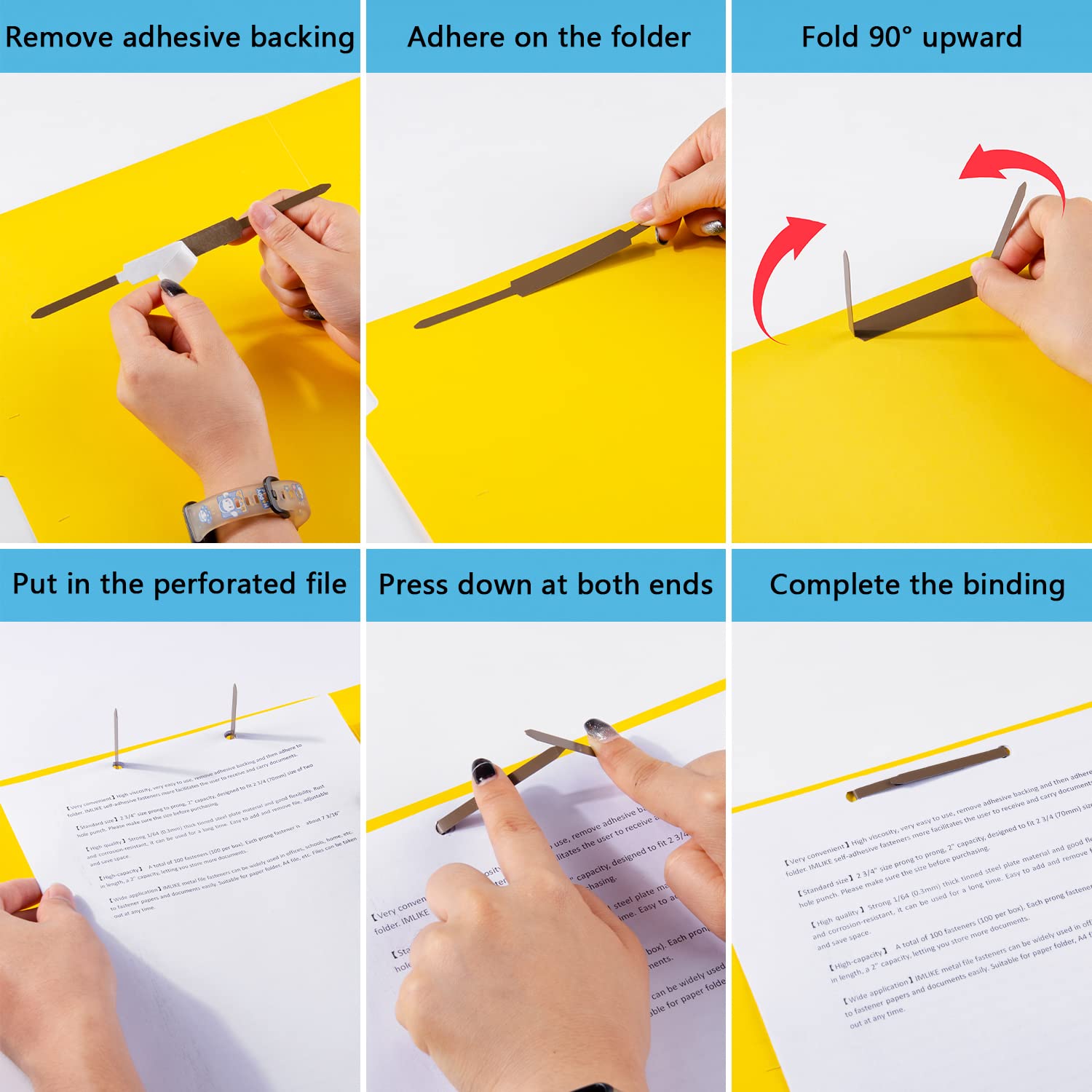
First, push the fastener prongs through the punched holes in your papers. Make sure the prongs go all the way through. Align the papers evenly for a clean look. The prongs should stick out from the back.
Securing Papers
Next, place the metal or plastic base over the prongs. Press the base down firmly to hold the papers tight. Check that all sheets stay in place and do not slide out. This step stops pages from shifting or falling.
Closing Mechanisms
Bend the prongs outward or inward depending on the fastener type. This locks the papers securely together. Some fasteners snap or click closed for extra hold. Make sure the fastener is fully closed to prevent opening.

Credit: www.youtube.com
Organizing Your Files
Organizing your files keeps your workspace tidy and saves time. Folder fasteners help hold papers together securely. Using them with smart methods makes finding documents easy. Simple techniques improve your file system quickly. Clear organization reduces stress and boosts productivity.
Labeling Fasteners
Label each fastener with a clear name or date. Use a marker or a small sticker. This helps identify the contents quickly. Avoid writing too much on the label. Keep it short and readable. Labeling stops confusion and speeds up file searches.
Color Coding
Use different colored fasteners for different groups. Assign colors by project, priority, or type of document. Color coding creates a visual system. It makes sorting and retrieving files faster. Choose bright colors that stand out. This method reduces mistakes and saves time.
Using Dividers
Insert dividers between sections of papers fastened together. Dividers keep topics or categories separate. Use simple tabs with labels on each divider. This adds structure inside the folder. Dividers make large files easier to manage. They keep papers neat and accessible.
Maintaining Folder Fasteners
Maintaining folder fasteners keeps your documents safe and organized. Regular care helps them last longer. It also prevents damage to important papers. Simple steps can make a big difference.
Replacing Worn Parts
Check folder fasteners for signs of wear. Bent or broken prongs need replacement. Use the right size parts for your folder. Gently remove old fasteners before adding new ones. Secure replacements tightly to avoid loose papers.
Cleaning Tips
Clean fasteners regularly with a soft cloth. Avoid using water or harsh chemicals. Dust and dirt can cause fasteners to jam. Use a small brush to remove debris between parts. Keep fasteners dry to prevent rusting.
Storage Suggestions
Store folders in a dry, cool place. Avoid stacking heavy items on top. Keep folders upright to maintain fastener shape. Use protective covers for extra safety. Proper storage prevents bending and damage.
Troubleshooting Common Issues
Folder fasteners help keep papers neat and organized. Sometimes, they cause small problems that slow down your work. Fixing these common issues is easy. A few simple steps can save time and keep your documents safe.
Fixing Loose Papers
Loose papers fall out when fasteners are not tight. Check if the prongs hold papers firmly. If papers move, remove them and realign neatly. Press the prongs down flat to secure all sheets. Use fewer papers if too many slide out.
Dealing With Bent Prongs
Bent prongs make it hard to close the folder. Straighten prongs gently with your fingers. Avoid using tools that may break them. If prongs stay bent, replace the fastener. Bent prongs can tear papers or cause jams.
Avoiding Overstuffing
Overstuffing puts stress on fasteners. It causes papers to slip or folders to bulge. Divide large stacks into smaller groups. Use multiple folders for big projects. Keep folders tidy to protect documents and fasteners.

Credit: www.youtube.com
Frequently Asked Questions
What Are Folder Fasteners Used For?
Folder fasteners securely hold papers inside folders. They keep documents organized and prevent papers from falling out. These fasteners are ideal for office, school, and personal use, ensuring neat and easy access to important documents.
How To Install Folder Fasteners Correctly?
To install, punch holes aligned with fastener prongs in your papers. Insert prongs through the holes, then fold them flat. Finally, attach the fastener base to the folder. This method ensures documents stay firmly in place and easily accessible.
Can Folder Fasteners Hold Thick Documents?
Yes, folder fasteners can hold thick documents. Choose fasteners with longer prongs for large stacks of paper. They provide a secure grip and keep multiple pages neatly organized without tearing or slipping.
Are Folder Fasteners Reusable?
Folder fasteners are reusable if handled carefully. You can open the prongs to add or remove papers. Reusing them saves costs and reduces waste, making them an eco-friendly choice for document management.
Conclusion
Folder fasteners keep your papers neat and secure. They help organize documents quickly and easily. Using them saves time and prevents lost pages. Choose the right size for your folder and stack. Attach the fastener firmly to hold papers in place.
Regular use can improve your office or school work. Try folder fasteners to keep your files tidy today. Simple tools, big help.