Are you working on a construction project and wondering how to keep your walls strong and secure? Understanding a sheathing fastening schedule could be the key to making sure your structure stands the test of time.
This simple yet crucial guide tells you exactly how and where to place fasteners on your sheathing materials. If you want to avoid costly mistakes and ensure your building is safe and durable, keep reading. By the end, you’ll know exactly what a sheathing fastening schedule is and why it matters for your project’s success.
Credit: www.apawood.org
Sheathing Fastening Basics
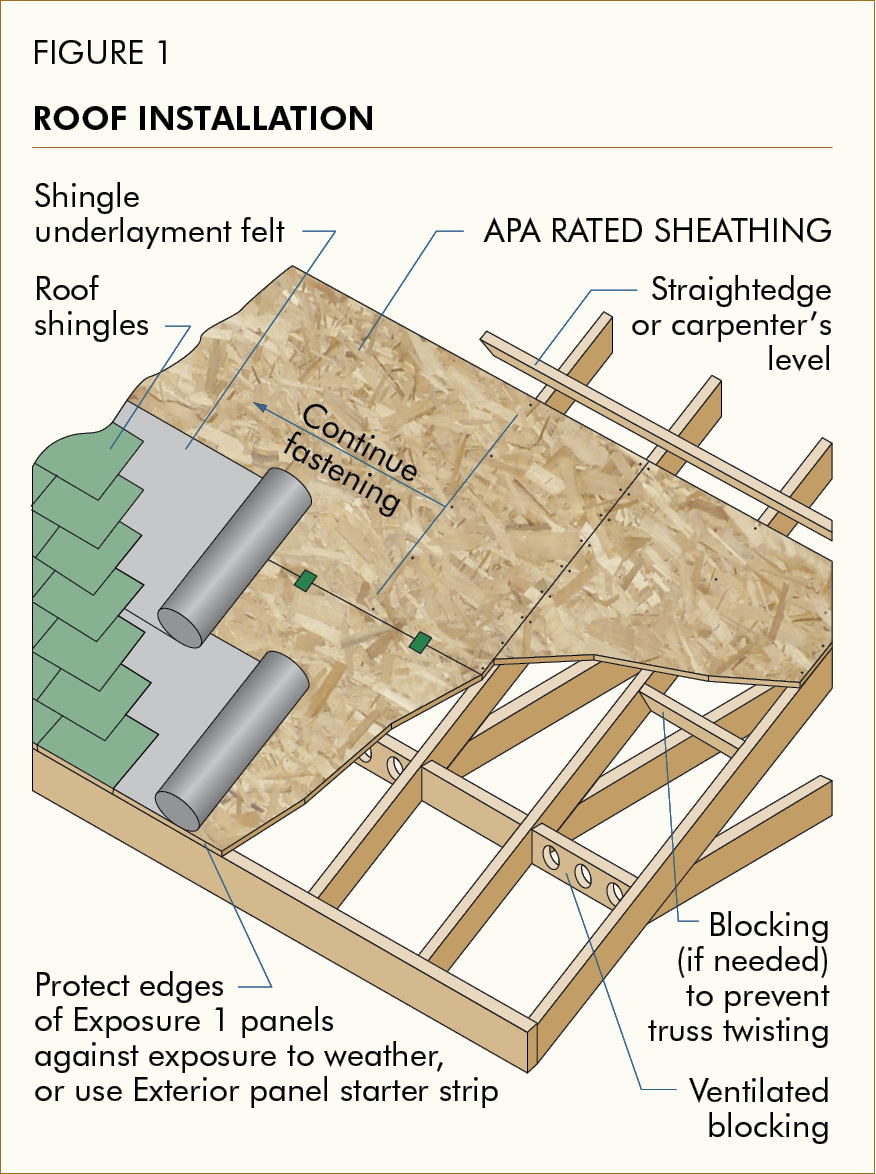
Sheathing fastening basics are key to building strong walls and roofs. Fastening sheathing properly keeps structures safe from wind, rain, and shifting forces. It also helps maintain the shape of the building over time. Using the right materials and fasteners ensures long-lasting performance.
Understanding the types of sheathing materials and common fasteners helps builders follow the correct fastening schedule. This knowledge reduces risks like warping or detachment. It also improves energy efficiency by creating a tight building envelope.
Types Of Sheathing Materials
Sheathing materials include plywood, oriented strand board (OSB), and gypsum panels. Plywood is made from thin wood layers glued together. OSB consists of wood strands pressed with adhesives. Gypsum panels provide fire resistance and sound control. Each material requires specific fastening methods to stay secure.
Common Fasteners Used
Nails and screws are the most common fasteners for sheathing. Nails are quick to install and hold materials firmly. Screws offer stronger grip and resist pulling out. Fastener length depends on sheathing thickness and framing size. Using corrosion-resistant fasteners prevents rust damage over time.
Purpose Of A Fastening Schedule
A sheathing fastening schedule guides how to attach materials like plywood or OSB to a building frame. It lists the type, size, and spacing of fasteners needed for each part. This schedule helps builders work correctly and safely. It also reduces mistakes and saves time.
The purpose of a fastening schedule is to ensure every panel is secured properly. This keeps the building strong and stable. It also helps meet rules set by building authorities. Fastening schedules are a key part of quality construction.
Ensuring Structural Integrity
Fastening schedules specify the correct fastener types and spacing. Proper fastening prevents panels from moving or detaching. This adds strength to walls and roofs. It helps the building resist wind, weight, and other forces. Following the schedule supports long-lasting construction.
Meeting Building Codes
Building codes require specific fastening methods. A fastening schedule ensures builders follow these rules. This avoids fines or failed inspections. It also protects people who use the building. Codes exist to keep structures safe and reliable. The schedule acts as a clear guide for compliance.
Components Of A Fastening Schedule
A sheathing fastening schedule lists important details for attaching sheathing materials. It guides builders on using the right fasteners correctly. This schedule helps ensure strong, safe, and durable wall or roof sheathing.
The schedule breaks down into clear components. Each part explains a key aspect of fastening. Understanding these components helps follow the schedule precisely and avoid mistakes.
Fastener Size And Type
This part defines the size and kind of fasteners to use. Nails or screws must match the material and thickness. Correct size avoids weak spots or damage to the sheathing. Using the right type also prevents corrosion and increases hold strength.
Spacing Requirements
Spacing tells how far apart fasteners should be placed. Proper spacing spreads the load evenly across the sheathing. It prevents gaps and keeps panels tightly secured. Incorrect spacing can cause panels to warp or become loose over time.
Nail Patterns
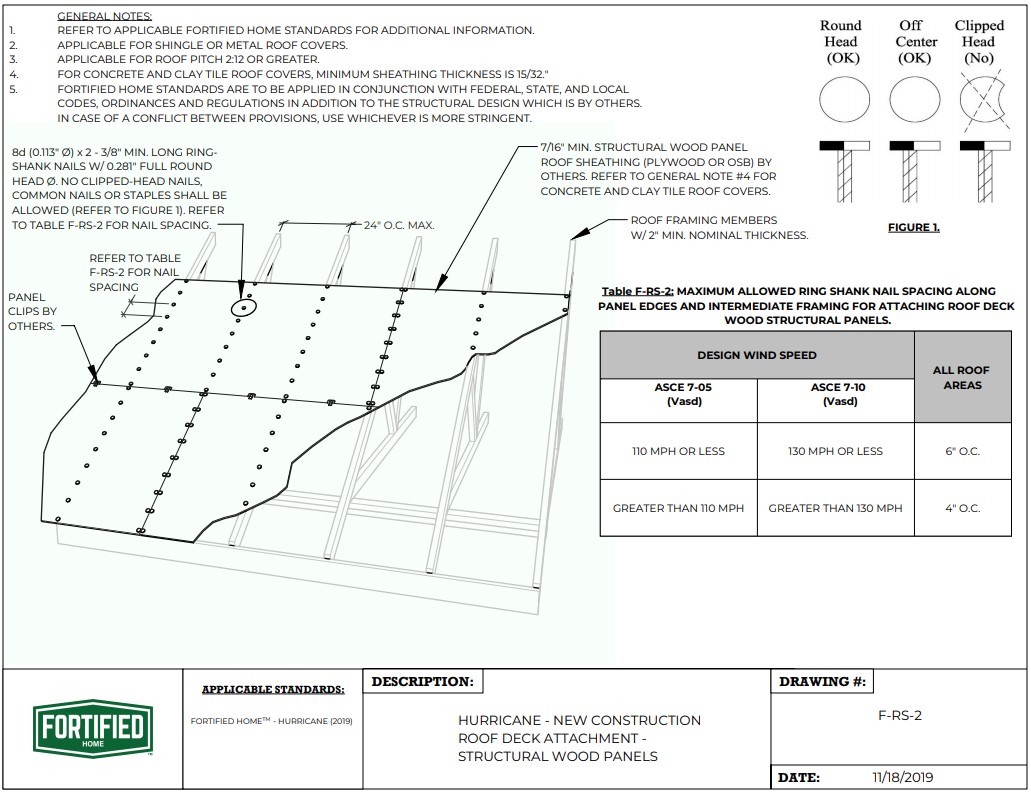
Nail patterns show the exact layout for fastening. Patterns may vary for edges, corners, and field areas. Following the pattern ensures uniform strength across the sheathing. It also helps meet building codes and manufacturer instructions.
Creating A Fastening Schedule
Creating a fastening schedule is an essential step in any construction project involving sheathing. It helps organize the type, size, and placement of fasteners to ensure the structure is strong and safe. A good schedule guides workers on how to attach sheathing materials correctly. This reduces errors and saves time during installation.
The process involves careful planning and attention to detail. Understanding the project’s specific needs and following important guidelines will create an effective fastening schedule. This section covers three key areas to focus on while creating one.
Assessing Project Needs
Start by reviewing the building plans carefully. Identify the type of sheathing and the materials used in the frame. Consider the environmental conditions, such as wind and weather, that the building will face. These factors affect the choice of fasteners and their spacing. Note the load requirements and any special details in the design. This step ensures the fastening schedule matches the project’s demands.
Consulting Manufacturer Guidelines
Sheathing manufacturers provide specific instructions for fastening their products. Check these guidelines to choose the right fastener types and sizes. Follow recommended spacing and fastening patterns closely. Using the correct fasteners helps maintain warranty coverage and ensures safety. Ignoring these guidelines can lead to problems like loose panels or structural failure.
Incorporating Local Regulations
Building codes vary by location and must be followed precisely. Research local regulations that impact fastening methods and materials. Some areas have strict rules on fastener type, size, and spacing. Verify if inspections require documentation of the fastening schedule. Compliance with these rules avoids fines and delays. It also guarantees the structure meets legal safety standards.
Common Mistakes To Avoid
A sheathing fastening schedule guides how to attach panels to a building frame. Mistakes in this schedule can weaken the structure. Avoiding common errors helps ensure safety and durability. Pay close attention to fastener type, spacing, and environment. These factors affect the building’s strength and lifespan.
Incorrect Fastener Selection
Choosing the wrong fastener can cause serious problems. Some fasteners do not hold well in certain materials. Others may corrode quickly. Use fasteners that match the sheathing and frame materials. Check the schedule for recommended types and sizes. Using the right fastener prevents loosening and damage.
Improper Spacing
Spacing fasteners too far apart weakens the sheathing attachment. Too close, and you waste materials and time. Follow the schedule’s spacing rules exactly. Even spacing distributes weight and stress evenly. This keeps panels stable and secure during strong winds or storms.
Ignoring Environmental Factors
Environmental conditions affect fastener performance. Moisture, temperature, and chemicals can cause rust or decay. Use corrosion-resistant fasteners in wet or coastal areas. Consider the climate when planning your fastening schedule. Ignoring these factors shortens the building’s life and safety.

Credit: www.researchgate.net
Tools And Techniques For Installation
Proper tools and techniques ensure strong sheathing fastening. The right equipment helps secure panels safely and quickly. Using correct methods prevents damage and keeps structures stable.
Following a well-planned fastening schedule requires careful tool choice. Skilled application improves the durability of the installation. Let’s explore the tools and techniques needed for the job.
Recommended Fastening Tools
Nail guns speed up the sheathing fastening process. Choose a pneumatic or cordless nail gun for convenience. Use nails sized for your sheathing type and thickness.
A hammer works well for small projects or touch-ups. Select one with a comfortable grip to reduce hand fatigue. Measuring tape and chalk lines help mark fastening points accurately.
Safety gear like gloves and goggles protects you during installation. Use a drill for screws if nails are not suitable. Make sure all tools are in good condition before starting.
Best Practices For Nail Driving
Drive nails straight and flush with the sheathing surface. Avoid overdriving, which can weaken the hold or damage panels. Space nails evenly following the fastening schedule instructions.
Check for tight fastening by gently tapping nails if needed. Use steady pressure and consistent speed with nail guns. Inspect your work regularly to catch missed or loose nails early.
Work in sections to maintain control and accuracy. Keep tools clean and well-maintained for better performance. Proper nailing ensures a secure, long-lasting sheathing installation.
Benefits Of Following A Fastening Schedule
Following a sheathing fastening schedule brings many benefits to construction projects. It ensures the fasteners are placed correctly and consistently. This helps maintain the strength and safety of the structure. Using a schedule reduces errors and saves time during installation.
The schedule guides workers on the exact spacing and type of fasteners. This clarity improves the quality of work and makes the whole process smoother. Each benefit supports better building performance and easier project management.
Enhanced Durability
A fastening schedule ensures fasteners hold materials firmly. This prevents panels from loosening over time. Proper fastening resists wind, rain, and other weather effects. The structure stays strong longer with fewer repairs needed.
Cost Efficiency
Correct fastener placement cuts down on wasted materials. It lowers the risk of damage that leads to costly fixes. A clear schedule reduces labor time and confusion on site. Projects finish faster and with less expense.
Simplified Inspection Process
Inspectors can check the fastening work quickly using the schedule. They know exactly where and how fasteners should be placed. This speeds up approvals and avoids delays. Clear guidelines make inspections straightforward and reliable.
Updates And Revisions
Sheathing fastening schedules require regular updates and revisions. These changes keep the schedule accurate and useful. Builders rely on the latest information for safe and strong construction. Updates reflect new materials and rules that affect fastening methods.
Adapting To New Materials
New building materials often need different fastening techniques. The schedule must change to include these methods. This helps ensure fasteners work well with new sheathing types. Using the right fasteners improves structure durability and safety.
Changes in material design or strength also affect fastening choices. The schedule updates guide builders on proper fastener size and spacing. This keeps construction standards consistent and reliable.
Incorporating Code Changes
Building codes change over time to improve safety and performance. Fastening schedules must reflect these code updates promptly. Updated codes may require stronger fasteners or tighter spacing.
Following the latest codes prevents construction delays and legal issues. Builders use revised schedules to meet or exceed code demands. This ensures the building passes inspections and lasts longer.
Credit: basc.pnnl.gov
Frequently Asked Questions
What Is A Sheathing Fastening Schedule?
A sheathing fastening schedule is a detailed guide for securing panels on walls or roofs. It specifies fastener type, spacing, and placement to ensure structural strength and code compliance. This schedule helps builders install sheathing correctly and maintain building integrity.
Why Is A Sheathing Fastening Schedule Important?
It ensures proper attachment of sheathing, preventing structural failures. The schedule meets building codes and improves safety. It also helps avoid costly repairs from improper fastening or wind damage, ensuring long-lasting construction.
How Do I Read A Sheathing Fastening Schedule?
Look for fastener types, spacing intervals, and panel edges. The schedule shows where and how to place nails or screws. Follow manufacturer and code requirements exactly for effective installation and durability.
What Tools Are Needed For Sheathing Fastening?
Common tools include a nail gun or screwdriver, measuring tape, and chalk line. These help place fasteners accurately according to the schedule. Using the right tools speeds up work and ensures precision.
Conclusion
A sheathing fastening schedule guides proper nail placement and spacing. It helps builders keep walls strong and safe. Following the schedule avoids mistakes and saves time. Nails hold panels tightly, stopping warping and damage. Clear instructions make construction smoother and more reliable.
Understanding this schedule is key for quality work. It supports better building and lasting results. Simple steps lead to strong, secure structures every time.