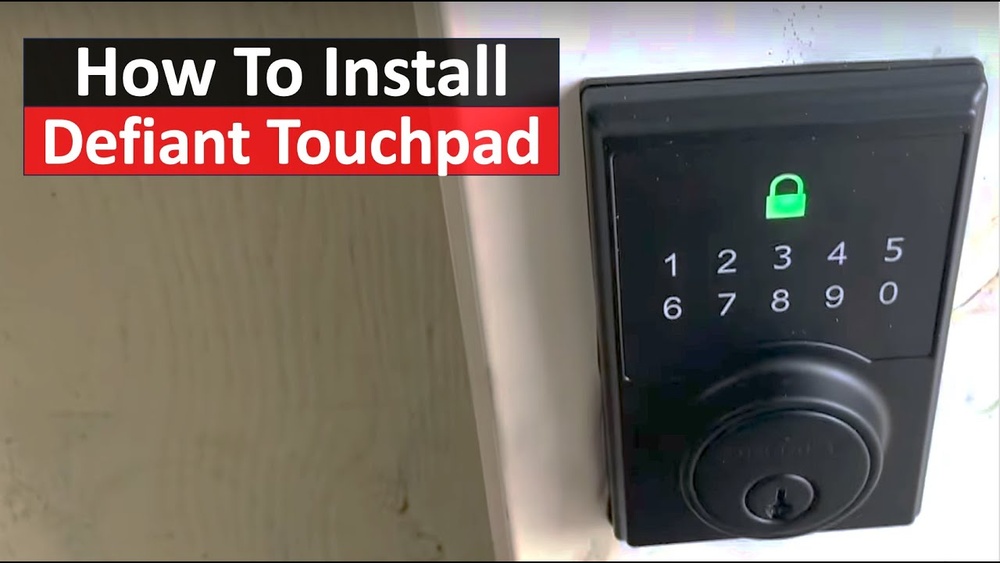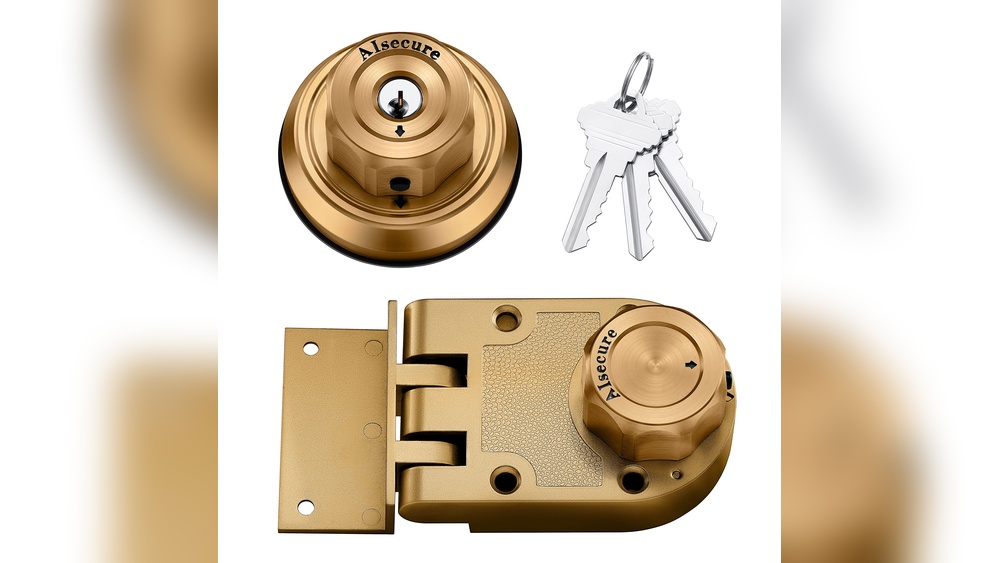
Have you ever found yourself locked out with no key in sight? Knowing how to jimmy a deadbolt can save you from panic and costly locksmith calls.
This skill isn’t about breaking in—it’s about getting back into your own space quickly and safely when you’re stuck. In this guide, you’ll learn simple, step-by-step methods that anyone can try. Keep reading to discover how you can take control of the situation and unlock that stubborn deadbolt with confidence.
Tools Needed
Knowing the right tools is important to jimmy a deadbolt effectively. The right equipment helps you work faster and with less effort. Some tools are needed every time. Others can help but are not required.
Essential Items
A tension wrench is a must-have. It helps apply pressure to the lock cylinder. Without it, the lock won’t turn. A lock pick or a small flathead screwdriver is also needed. These tools lift the lock pins to the correct height. This action lets the lock open.
A flashlight can be very useful. It helps you see inside the lock better. Good lighting makes the job easier and more accurate. Patience and steady hands are also key to success.
Optional Tools
A pick gun can speed up the process. It uses a quick motion to move the pins inside the lock. This tool is not necessary but helpful for some locks. A magnifying glass can help you see small parts clearly.
A lubricant spray can ease the pins’ movement. It reduces friction and makes picking smoother. Carrying a small mirror might help you view hard-to-see angles. These tools make jimmying a deadbolt easier but are not required.
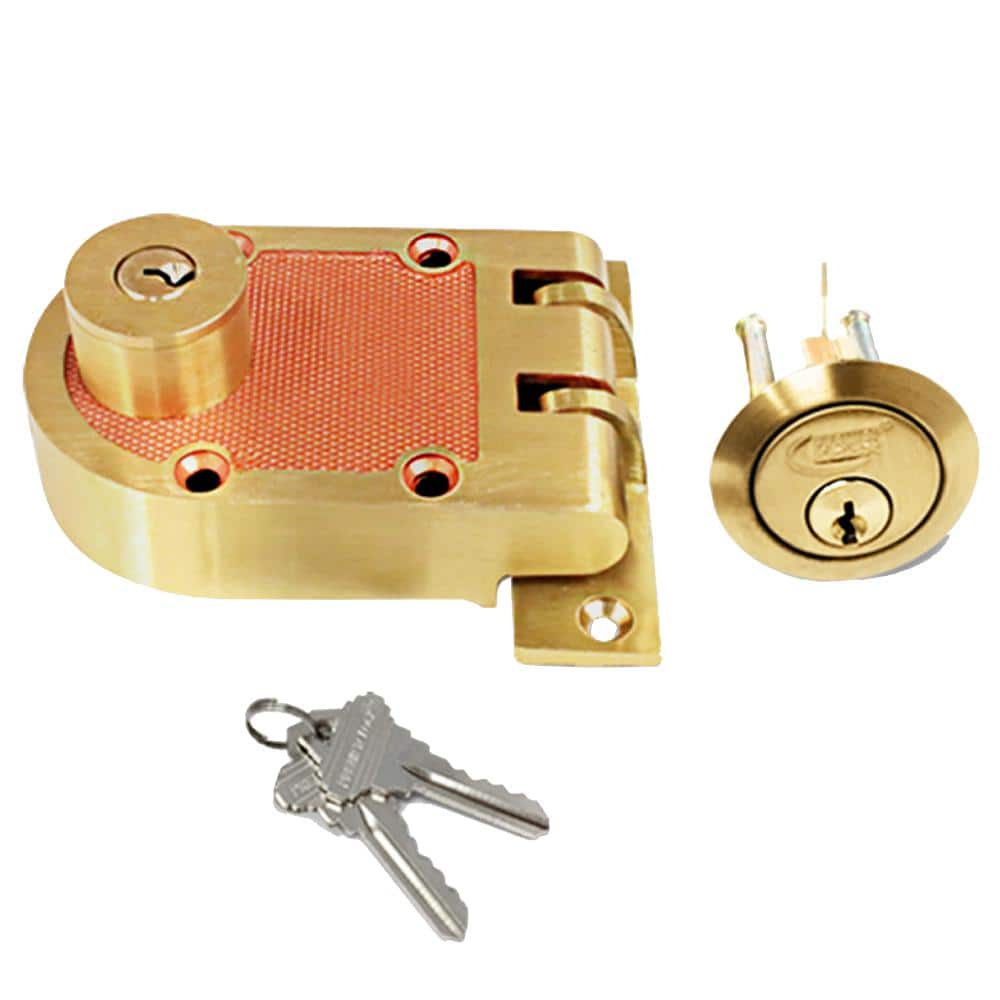
Credit: www.homedepot.com
Safety Precautions
Safety is very important when trying to jimmy a deadbolt. This task can be risky and must be done carefully. You should know the rules and keep your body safe. This section covers key safety points to follow.
Legal Considerations
Only jimmy a deadbolt on property you own or have permission to enter. Doing it on other property is illegal. It can lead to fines or jail time. Always check local laws before starting. If unsure, ask a professional locksmith for help.
Personal Safety Tips
Wear gloves to protect your hands from sharp tools or broken parts. Use eye protection to avoid injury from flying debris. Work in a well-lit area to see clearly. Keep tools away from children and pets. Move slowly and carefully to avoid mistakes or injury.
Preparing The Lock
Preparing the lock is the first step to jimmy a deadbolt. This step makes the process easier and safer. It helps avoid damage to the door and lock. Taking time now saves effort later.
Inspecting The Deadbolt
Check the deadbolt carefully before starting. Look for any visible damage or rust. Notice if the bolt moves smoothly or sticks. Identify the type of deadbolt. Some locks have extra security features. Knowing these helps choose the best approach.
Clearing Obstructions
Remove anything blocking the lock or door frame. Dirt and debris can stop tools from working well. Use a small brush or cloth to clean the area. Make sure the bolt and strike plate are clear. Clear space allows better access to the lock.
Basic Jimmying Technique
The basic jimmying technique helps open a deadbolt lock without a key. It needs simple tools and some patience. This method can work on many common deadbolts. Learning the right steps improves your chances of success.
Start with the right tool and steady hands. Focus on small, careful movements. Avoid force. This technique relies on feeling the lock’s parts move inside.
Inserting The Tool
Use a flat, thin tool like a putty knife or a slim screwdriver. Slide it between the door frame and the edge of the lock. Push gently to reach the space near the bolt. Be careful not to damage the door or lock.
Keep the tool steady. Try to find the bolt’s edge by feeling inside with the tool. This part needs patience and a light touch.
Manipulating The Bolt
Once the tool touches the bolt, push or wiggle it slowly. The goal is to slide the bolt back into the door. Work with small, smooth movements. Listen and feel for clicks or shifts.
Stay calm and avoid rushing. It may take a few tries to move the bolt fully. When the bolt moves, the door should open easily.
Advanced Methods
Advanced methods to jimmy a deadbolt require skill and the right tools. These techniques offer more control than basic methods. They work best on locks with some flexibility. Practice and patience help improve success with these methods.
Using A Credit Card
Using a credit card is a common way to jimmy a deadbolt. This method works mainly on spring bolt locks, not true deadbolts. Slide a flexible card between the door and frame near the latch. Push and wiggle the card while applying pressure to the latch. The card can push the latch back, allowing the door to open. Thin, sturdy cards work best for this task.
Applying Tension Tools
Tension tools help turn the lock cylinder from the outside. Insert a tension wrench into the keyhole and apply slight pressure. Use a pick or similar tool to lift the pins inside the lock. The tension wrench holds the pins in place once set. This method requires steady hands and experience to succeed. It is effective on pin tumbler deadbolts.
Credit: www.reddit.com
Common Mistakes To Avoid
Jimmying a deadbolt might seem simple but many make common mistakes. These errors can cause damage and make the lock harder to open. Avoiding these mistakes saves time and prevents extra costs.
Forcing The Lock
Forcing the lock can break the internal parts. Using too much pressure may bend or snap the tools. Gentle and steady movements work best to avoid harm.
Forcing also risks jamming the deadbolt. A jammed lock can be harder to fix or open later. Patience helps more than strength in this task.
Damaging The Door
Damaging the door happens when tools slip or scratch the surface. This damage lowers your home’s value and looks bad. Protect the door by using proper tools and care.
Trying to pry the door frame can cause cracks or dents. These damages may require costly repairs. Always work carefully to keep the door intact.
When To Call A Professional
Sometimes, trying to jimmy a deadbolt can cause more harm than good. Knowing when to call a professional saves time and stress. Experts have the right tools and skills to handle tough locks safely. This helps protect your door and keeps your home secure.
Signs You Need Help
The deadbolt won’t budge, even after several attempts. The lock looks damaged or bent. You hear strange noises inside the lock when you try to turn it. You lost your keys and have no backup. The door frame feels weak or cracked near the lock. You tried to jimmy the lock, but it got stuck. These are clear signs to call a locksmith.
Choosing A Locksmith
Pick a locksmith with good reviews and local reputation. Check if they have proper licenses and insurance. Ask about their experience with deadbolt locks. Get a clear price estimate before they start work. Avoid locksmiths who pressure you or give vague answers. Trust someone who values your safety and property.
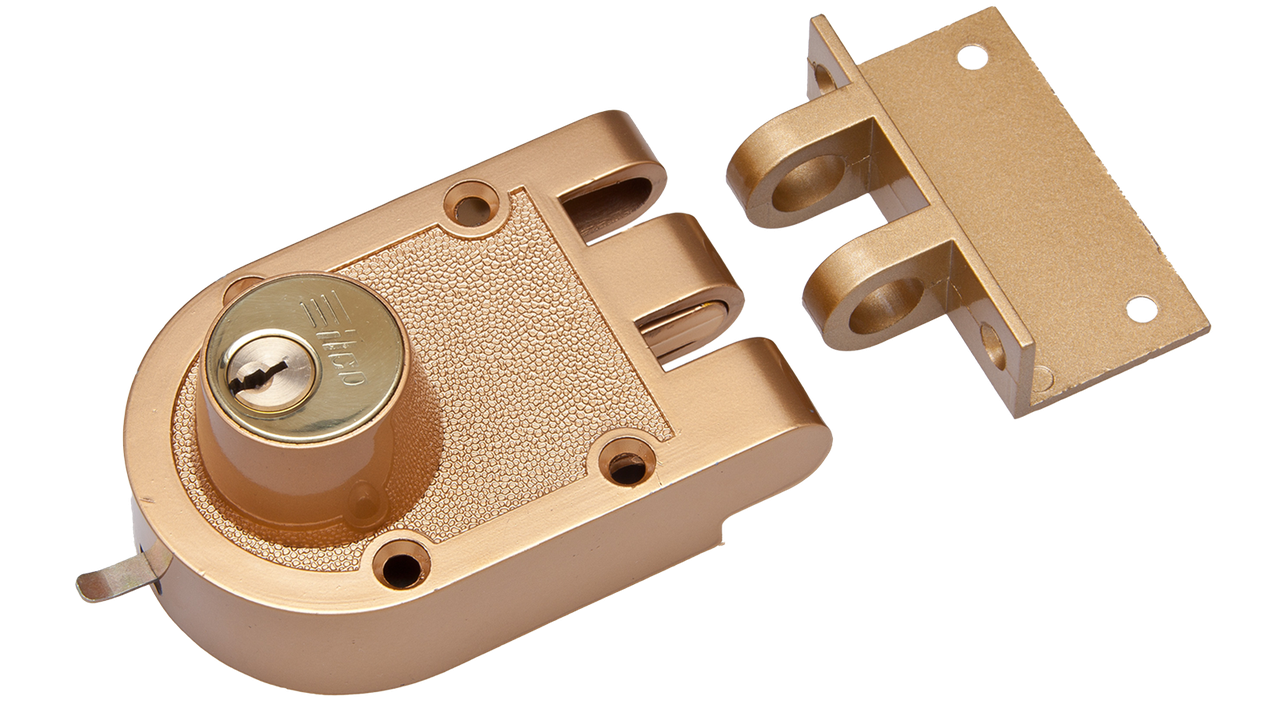
Credit: www.ilco.us
Frequently Asked Questions
What Tools Do I Need To Jimmy A Deadbolt Lock?
To jimmy a deadbolt, you typically need a flathead screwdriver or a credit card. These tools help slide between the door and frame to manipulate the latch. Using proper tools ensures you can open the lock quickly without damaging the door or lock mechanism.
Is Jimmying A Deadbolt Legal?
Jimmying a deadbolt is only legal if you own the property or have permission. Unauthorized jimmying is considered breaking and entering, which is illegal. Always ensure you have the right to access the property before attempting this method.
Can All Deadbolts Be Jimmyed Easily?
Not all deadbolts can be jimmyed easily. High-security deadbolts are designed to resist jimmying techniques. Basic or older deadbolts are more vulnerable. The lock’s design and installation quality affect how easily it can be jimmyed.
How Long Does It Take To Jimmy A Deadbolt Lock?
Jimmying a deadbolt usually takes between a few seconds to several minutes. Time depends on the lock type and your experience. Skilled individuals can jimmy simpler locks quickly, while complex locks require more effort and time.
Conclusion
Knowing how to jimmy a deadbolt can help in emergencies. Always use this skill responsibly and legally. Practice the steps slowly to avoid damage. Remember, patience and care matter most. Keep tools ready but stay safe at all times. This skill is useful, but do not rely on it often.
Understanding locks better helps protect your home too. Stay calm and focused during the process. Learning this method gives confidence in tricky situations.