Have you ever tried to remove a screw anchor from your wall and ended up frustrated or worried about damaging the surface? You’re not alone.
Getting a screw anchor out can feel tricky, especially if you want to keep your walls looking perfect. But don’t worry—this guide will show you simple, effective ways to get that anchor out without stress or mess. Keep reading, and you’ll learn the exact steps to make this task quick and easy.
Your walls will thank you!

Credit: www.tjlituo.com
Tools Needed
Removing a screw anchor from a wall needs the right tools. Using proper tools makes the task easier and prevents wall damage. Some tools are common and found in most homes. Others are specialized for tough anchors. Knowing these tools helps you prepare well before starting.
Common Tools For Removal
A screwdriver is the basic tool for most screw anchors. Use a flathead or Phillips, depending on the screw type. Needle-nose pliers help grip the anchor firmly for pulling. A hammer can gently tap the anchor to loosen it. Sometimes a utility knife helps cut around the anchor edge.
Specialized Tools For Stubborn Anchors
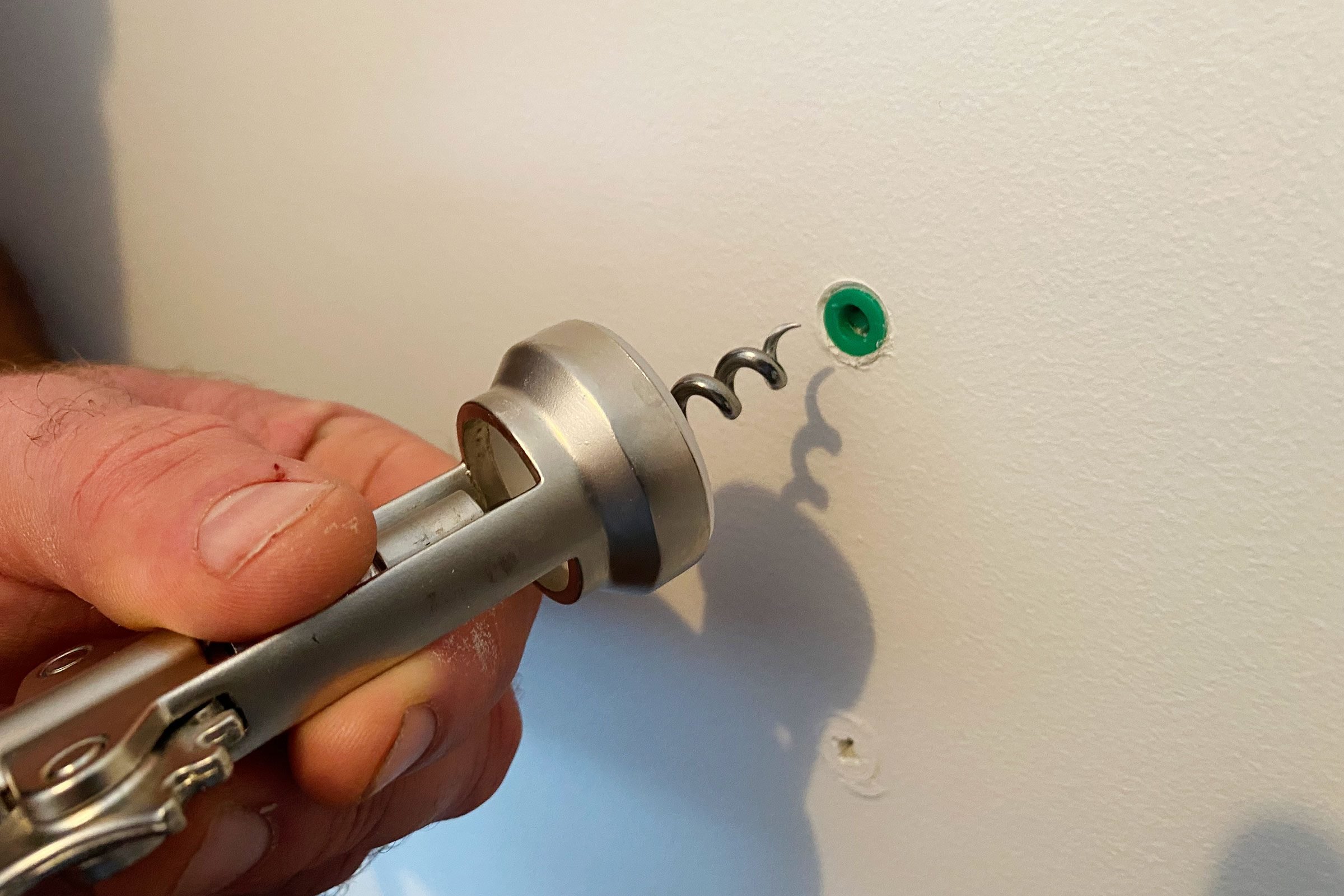
An anchor removal tool is designed to pull anchors without damage. It fits around the anchor and pulls it straight out. A power drill with a reverse bit can spin out difficult anchors. Wall patch kits repair holes left after anchor removal. These tools save time and effort on tough jobs.
Credit: theturquoisehome.com
Types Of Screw Anchors
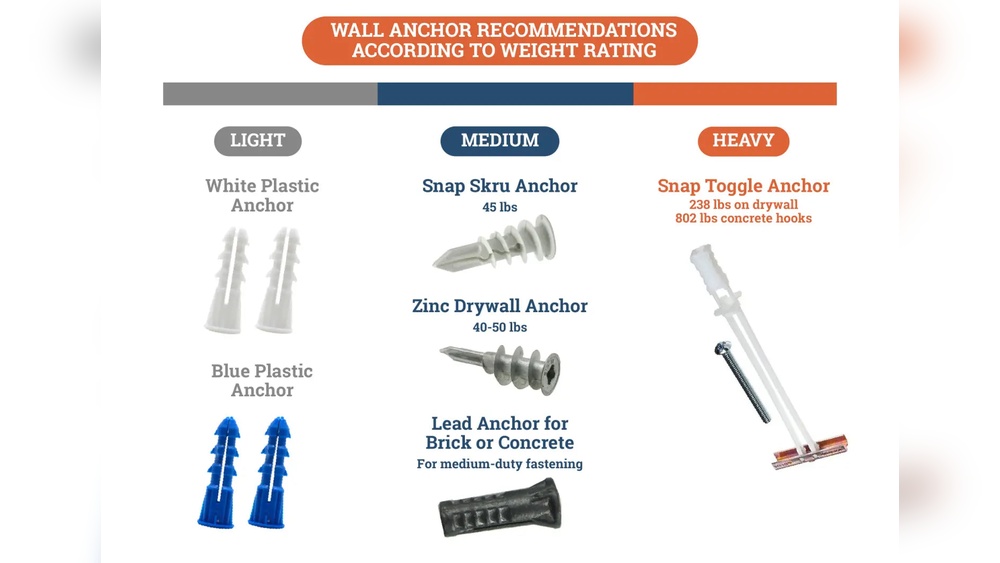
Screw anchors hold objects on walls securely. They come in different types. Each type works best for certain wall materials and weights. Knowing these types helps remove anchors carefully without wall damage.
Plastic Expansion Anchors
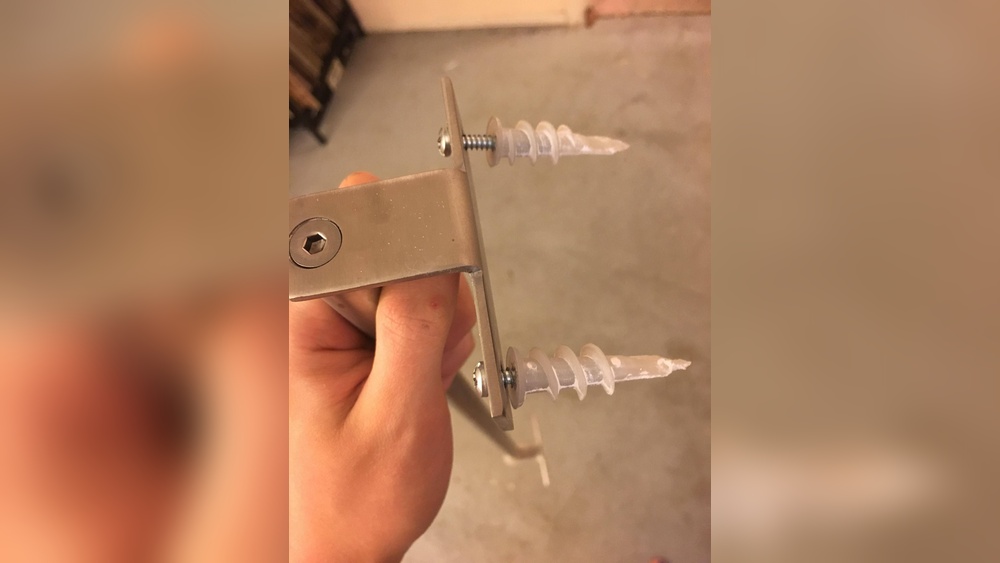
Plastic expansion anchors are common and easy to use. They expand when a screw goes in. This expansion grips the wall tightly. They fit well in drywall or plaster. Removing them can be tricky as they stay stuck inside the hole.
Molly Bolts
Molly bolts are metal anchors with expandable sleeves. They spread open behind the wall when tightened. This creates a strong hold. They work well for hollow walls. Removing molly bolts means pulling the anchor out or pushing it inside the wall.
Toggle Bolts
Toggle bolts have wings that open inside the wall. The wings lock the anchor in place. They carry heavy loads on drywall. Taking toggle bolts out requires unscrewing and carefully pulling the wings through the hole.
Preparation Steps
Before removing a screw anchor from a wall, prepare the area properly. Preparation helps prevent damage and makes the task easier. Taking time to set up ensures a smooth process and better results.
Clearing The Area
Remove any furniture or objects near the wall. This clears your workspace and avoids accidents. Keep the floor free of clutter to move safely. Clear space makes handling tools easier and faster.
Protecting The Wall Surface
Cover the wall around the screw anchor with painter’s tape. This tape protects the paint and surface from scratches. Use a soft cloth or plastic sheet below the work area. Protecting the wall keeps it neat and ready for touch-ups if needed.
Removing Plastic Expansion Anchors
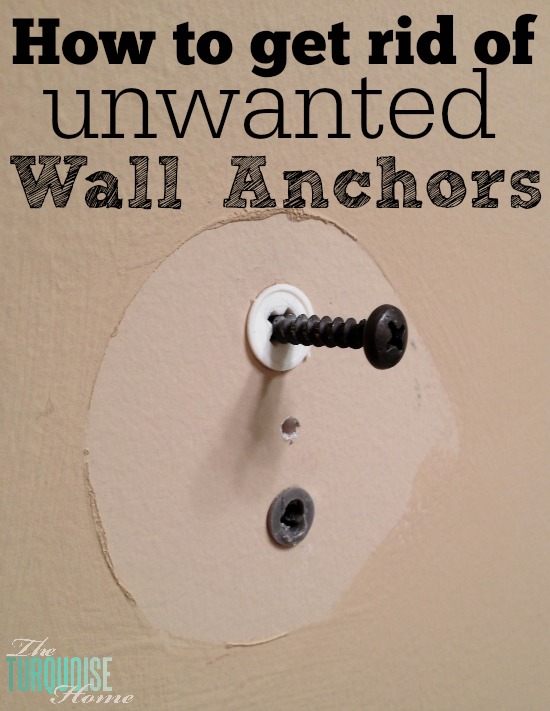
Removing plastic expansion anchors from a wall can seem tricky. These anchors hold screws tightly to support heavy items. Removing them carefully prevents wall damage. Two common ways work well for most plastic anchors.
Choose the best method based on the anchor’s size and wall material. Both options require basic tools and little effort. Clear instructions make the task easier and safer.
Using Pliers
Grab a pair of needle-nose or regular pliers. Hold the anchor firmly near the wall surface. Pull straight out with steady force. Avoid twisting to stop wall damage.
If the anchor moves slowly, wiggle it gently. Keep pulling until it slides free. This method works best for anchors that stick out slightly.
Pushing Anchor Through The Wall
For anchors flush with the wall, pushing them in works well. Use a long, thin tool like a screwdriver. Place it in the anchor’s center hole.
Push the anchor carefully through the drywall. It will fall inside the wall cavity. This leaves a small hole to fill later. This method avoids pulling and reduces surface damage.
Extracting Molly Bolts
Extracting molly bolts from a wall can be tricky but doable with the right steps. Molly bolts expand inside the wall, making them secure. Removing them requires care to avoid damaging the wall surface. Follow simple methods to take them out cleanly.
Unscrewing The Bolt
Start by turning the screw counterclockwise. Use a screwdriver that fits well. Keep turning until the screw comes out completely. If the screw spins without loosening, it might be stuck. Try applying steady pressure while turning. Avoid forcing it to prevent wall damage.
Collapsing The Anchor
After removing the screw, the anchor remains inside the wall. Push the anchor deeper into the hole gently. Use pliers to grip the collar of the anchor. Squeeze to collapse the metal wings inside the wall. Once collapsed, pull the anchor out carefully. This method leaves a small hole for easy patching.
Taking Out Toggle Bolts
Taking out toggle bolts from a wall can be tricky. These anchors hold strongly, but removing them is possible with the right steps. This section explains how to remove toggle bolts carefully without damaging your wall.
Unscrewing The Bolt
Start by turning the bolt counterclockwise. Use a screwdriver that fits the bolt head well. Keep turning until the bolt loosens and comes out. If the bolt spins but does not come out, pull gently while unscrewing. This helps the toggle move toward the wall opening.
Retrieving The Toggle
The toggle part stays behind the wall after the bolt is out. It may drop inside the wall cavity. Try to pull it out using needle-nose pliers. If it is too far, push a thin rod or wire through the hole. This can push the toggle out into the room. Sometimes, the toggle will fall inside and stay hidden. In that case, leave it as it does not cause harm.
Dealing With Stubborn Anchors
Stubborn screw anchors can be a real challenge. They often stay stuck deep inside the wall. This makes removing them tricky and frustrating. Patience and the right tools help. The key is to avoid damaging your wall while removing the anchor. Below are two effective ways to deal with these tough anchors.
Drilling Out The Anchor
Drilling out the anchor is a strong method. Use a drill bit slightly smaller than the anchor’s diameter. Drill carefully into the center of the anchor. This breaks the anchor apart inside the wall. The pieces then come out easily. Make sure to drill slowly. Fast drilling can harm the wall surface. Wear safety glasses to protect your eyes from debris.
Using A Screwdriver For Leverage
A flathead screwdriver can provide extra leverage. Insert the screwdriver tip under the anchor’s rim. Gently twist or pry the anchor out. Use slow, steady pressure to avoid wall damage. If the anchor moves slightly, keep prying. This method works best for anchors that stick out a bit. For flush anchors, combine this with drilling for better results.
Wall Repair Tips
Removing a screw anchor from the wall often leaves holes or marks. Repairing these spots helps your wall look smooth and neat. Follow simple wall repair tips to fix these areas quickly. This makes your wall ready for painting or new decorations. Proper repair keeps walls strong and clean.
Filling Holes
Start by cleaning the hole from dust and loose material. Use a putty knife to apply wall filler or spackle. Press the filler firmly into the hole to fill it completely. Smooth the surface with the knife to match the wall. Let the filler dry fully before doing anything else. Drying time depends on the product used, usually 30 minutes to an hour.
Sanding And Painting
Once the filler is dry, sand the spot gently with fine sandpaper. Sanding makes the surface even with the wall. Wipe off any dust with a clean cloth after sanding. Choose paint that matches your wall color perfectly. Use a small brush or roller to apply paint over the repaired area. Apply thin coats and let each coat dry before the next. This makes the repair blend smoothly with the wall.
Credit: www.familyhandyman.com
Frequently Asked Questions
How Do I Safely Remove A Screw Anchor?
To safely remove a screw anchor, first unscrew the screw completely. Then, gently pull out the anchor using pliers. If it’s stuck, push the anchor deeper into the wall to avoid damage. Always use proper tools to prevent wall damage during removal.
Can I Reuse A Screw Anchor After Removal?
Reusing a screw anchor is not recommended because it may lose its grip. Removing an anchor can deform it, reducing holding strength. For a secure fix, use a new anchor suitable for your wall type and load requirements.
What Tools Are Needed To Remove Screw Anchors?
You need a screwdriver, pliers, and possibly a drill for removing screw anchors. A flathead screwdriver helps pry out stubborn anchors. Pliers provide grip for pulling anchors. For damaged anchors, a drill may assist in creating space for removal.
How To Fix Holes After Removing Screw Anchors?
Fill holes with spackle or wall filler and let it dry. Sand the surface smooth once dry. Paint over the repaired area to match the wall color. This restores the wall’s appearance after screw anchor removal.
Conclusion
Removing a screw anchor from a wall can be simple with the right steps. Using basic tools and patience helps avoid damage. Small holes can be filled easily after removal. Taking care during the process saves time and effort. Now, you can fix your wall cleanly and quickly.
Try these tips next time you need to remove an anchor. It’s easier than you might think.