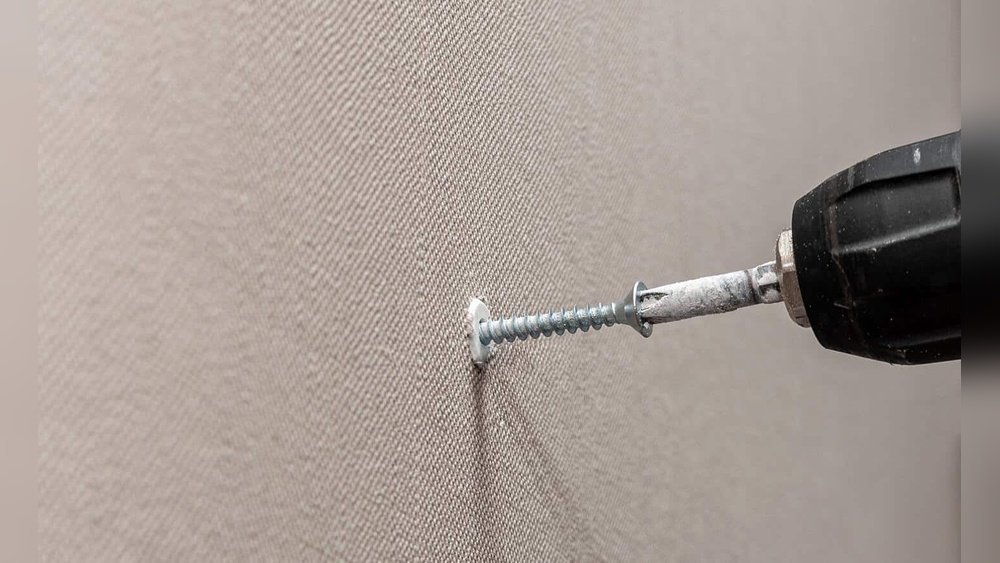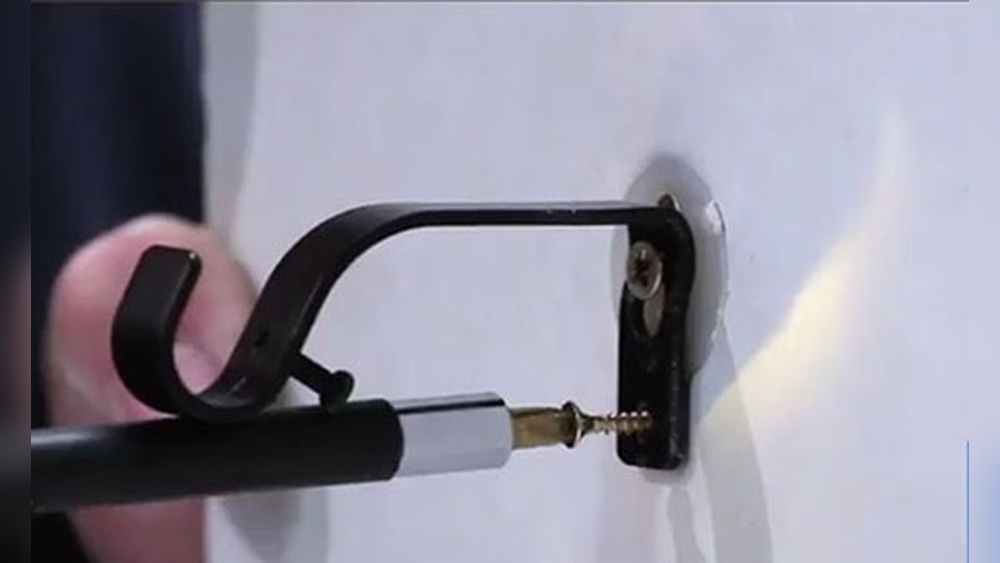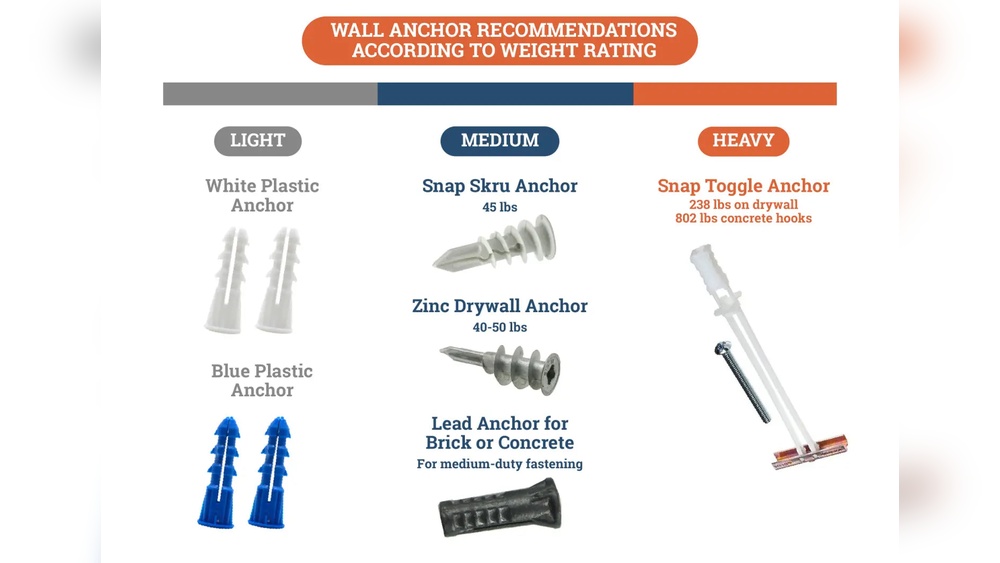
Are you wondering how much weight your wall anchors can hold? Choosing the right wall anchor is crucial to keep your shelves, pictures, or heavy decorations secure.
If you use anchors that aren’t strong enough, your items could fall and cause damage or injury. But how do you know the exact weight limit you need? You’ll discover the simple way to match wall anchors with the weight you want to support.
Keep reading to make sure your walls stay safe and your items stay put.
Types Of Wall Anchors
Wall anchors help hold items on walls safely. Different anchors support different weights. Choosing the right type depends on the wall and the weight of the object. Understanding each type helps pick the best anchor for your needs.
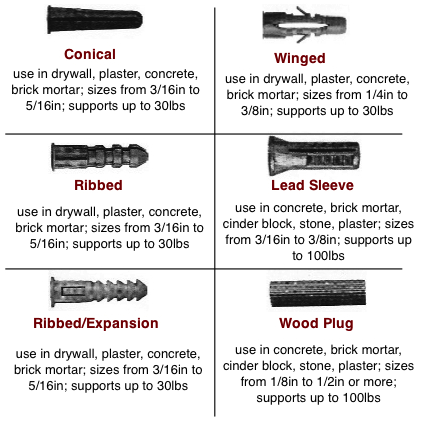
Plastic Expansion Anchors
Plastic expansion anchors work well with drywall and light materials. They expand when a screw is inserted. This creates a tight grip inside the wall. These anchors hold light to medium weights, usually up to 20 pounds. They are easy to install and cost-effective.
Toggle Bolts
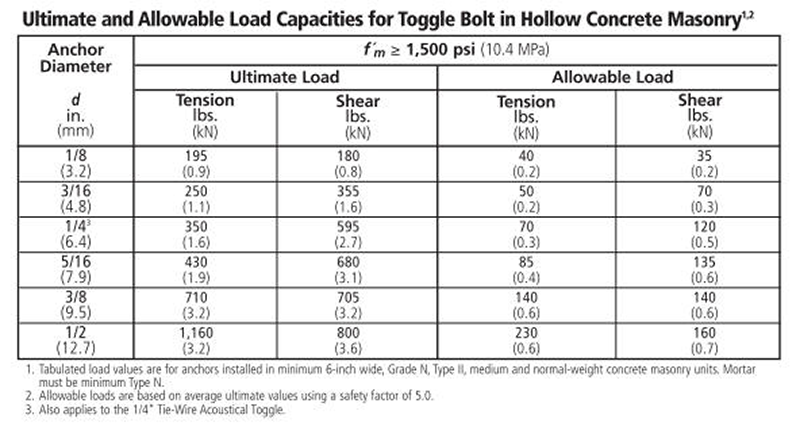
Toggle bolts have wings that open inside the wall. The wings spread the load over a larger area. They support heavier items, often up to 50 pounds or more. Toggle bolts are great for hollow walls and ceilings. Installation requires a larger hole for the wings to fit.
Molly Bolts
Molly bolts are metal anchors that expand behind the wall. They provide strong support for medium to heavy weights. Molly bolts hold items securely in drywall or plaster. They offer good stability for shelves and cabinets. Installation involves tightening the bolt to expand the anchor.
Self-drilling Anchors
Self-drilling anchors screw directly into drywall without a drill. They save time during installation. These anchors hold light to medium weights, around 25 pounds. They work well for hanging pictures and small shelves. Their design reduces wall damage and offers good grip.
Credit: www.do-it-yourself-help.com
Weight Capacity By Anchor Type
Understanding the weight capacity of wall anchors is essential for safe and secure mounting. Different anchors hold different amounts of weight. Knowing which type to use helps prevent damage and accidents. This guide breaks down weight limits by anchor type.
Light-duty Anchors
Light-duty anchors hold small loads. They support items like picture frames and small shelves. Usually, they can hold up to 20 pounds. Plastic expansion anchors and small self-drilling anchors fall in this group. Best for lightweight decorations and small objects.
Medium-duty Anchors
Medium-duty anchors carry moderate weight. These anchors hold items like curtain rods, towel racks, and medium shelves. Their capacity ranges from 20 to 50 pounds. Examples include toggle bolts and molly bolts. Suitable for heavier household items needing more support.
Heavy-duty Anchors
Heavy-duty anchors support large, heavy objects. They carry weights over 50 pounds, sometimes up to 100 pounds or more. Heavy-duty anchors include metal toggle bolts and strong wedge anchors. Ideal for mounting large shelves, cabinets, or heavy mirrors.
Factors Affecting Weight Capacity
Understanding the factors that affect the weight capacity of wall anchors helps in making safe choices. Different elements change how much weight an anchor can hold. Knowing these factors can prevent damage and accidents. Below are key points to consider when choosing wall anchors.
Wall Material
The type of wall affects anchor strength. Drywall, plaster, brick, and concrete have different holding powers. Anchors made for drywall may fail in brick walls. Always match the anchor to the wall material for best results.
Anchor Size
Bigger anchors can hold more weight. Small anchors suit light items like picture frames. Large anchors support heavier objects like shelves and mirrors. Choose the right size to avoid slipping or breaking.
Installation Depth
How deep you insert the anchor matters. Deeper anchors grip stronger and hold more weight. Shallow installation can cause the anchor to pull out easily. Follow instructions carefully for proper depth.
Load Direction
The direction of the load affects anchor strength. Pulling straight out is harder to hold than sideways force. Anchors handle weight better when the load pushes against the wall. Consider the load direction when placing anchors.

Credit: www.angi.com
Choosing The Right Anchor Weight
Choosing the right weight for wall anchors is key to safe and strong mounting. The anchor must hold the object securely without risk of falling. Too little weight capacity can cause damage or accidents. Knowing the correct anchor weight helps you pick the right product for your task.
This guide covers how to estimate the load weight, add safety margins, and use multiple anchors for heavy items. Each step ensures your wall anchors meet the strength needs of your project.
Estimating Load Weight
Start by finding the total weight of the item to hang. Check labels or use a scale for accuracy. Include any extra weight from shelves or objects placed on the mounted item. This helps avoid underestimating the load and choosing weak anchors.
Safety Margins
Always add a safety margin to the estimated weight. A good rule is to multiply the load by two. This accounts for sudden forces or weight shifts. Using anchors with higher weight capacity than needed protects against accidents.
Multiple Anchors For Heavy Loads
For very heavy items, use more than one anchor. Spread the load across several points on the wall. This reduces stress on each anchor and increases overall strength. Make sure all anchors are rated for the combined weight they must hold.
Installation Tips For Maximum Strength
Installing wall anchors correctly ensures they hold weight safely and securely. Small mistakes can reduce the anchor’s strength and cause damage. Follow these tips to get the best results and keep your walls strong.
Proper Drilling Techniques
Choose the right drill bit size to match the anchor. The hole should be clean and straight. Drill slowly to avoid cracking the wall. Clear out dust from the hole before inserting the anchor. This helps the anchor grip tightly.
Anchor Placement
Place anchors in solid parts of the wall. Avoid weak spots like drywall seams or cracks. Space anchors evenly for balanced support. Do not place them too close to edges. This prevents the wall from breaking under pressure.
Avoiding Common Mistakes
Do not use anchors that are too small for the load. Avoid forcing anchors into undersized holes. Do not reuse anchors after removal. Always match the anchor type to the wall material. These steps prevent failures and keep your items secure.
Testing Anchor Strength
Testing the strength of wall anchors is key for safety and reliability. Knowing how much weight an anchor can hold prevents accidents. It also helps you choose the right anchor for your project. Testing reveals the real load capacity beyond just manufacturer claims.
Load Testing Methods
One common way to test anchor strength is the pull test. Attach a weight or use a pulling tool to apply force gradually. Increase the load until the anchor starts to move or fails. This method shows the maximum load the anchor can bear.
Another method uses a force gauge to measure tension directly. It gives precise data on the anchor’s capacity. For heavy-duty needs, professionals may use hydraulic equipment. These tests ensure anchors meet safety standards.
Signs Of Anchor Failure
Watch for cracks in the wall near the anchor. Any movement or loosening of the anchor is a clear sign. Rust or corrosion weakens the anchor’s grip. Sagging or falling objects also indicate failure.
Early detection helps avoid accidents and damage. Regularly inspect anchors under load to ensure they hold firm. Replace any anchor showing these warning signs immediately.
Special Considerations
Special considerations matter when choosing wall anchors. Different items need different weight support. The wall type also changes the anchor choice. Safety and stability depend on these details. Below are key points for common uses.
Hanging Heavy Mirrors Or Tvs
Heavy mirrors and TVs need strong anchors. Use anchors rated for at least twice the item’s weight. Drywall alone may not hold heavy loads well. Find studs for better support. Use toggle bolts or molly bolts for extra strength.
Mounting Shelves
Shelves must hold weight evenly. Choose anchors that can support the shelf and its contents. Consider the material of both the wall and shelf. Use multiple anchors to spread the load. Always check the anchor’s weight limit before use.
Outdoor Wall Anchors
Outdoor anchors face weather and moisture. Use rust-resistant anchors made from stainless steel or plastic. The wall type outdoors may be different, like brick or concrete. Choose anchors designed for these surfaces. Secure outdoor fixtures firmly to avoid damage.
Credit: www.naturalhandyman.com
Frequently Asked Questions
How Much Weight Can Wall Anchors Hold Safely?
Wall anchors can hold between 10 to 50 pounds, depending on type and wall material. Always check packaging for weight limits.
What Factors Affect The Weight Capacity Of Wall Anchors?
Weight capacity depends on anchor type, wall material, and installation quality. Drywall anchors hold less than masonry anchors.
How Do I Choose The Right Wall Anchor Weight Rating?
Match the anchor’s weight rating to the item’s weight plus a safety margin. Heavier items need stronger anchors.
Can Wall Anchors Support Heavy Shelves Or Cabinets?
Yes, but use heavy-duty anchors designed for high weight loads. Always verify the anchor’s weight rating before installation.
Conclusion
Choosing the right weight for wall anchors matters a lot. It keeps your items safe and secure. Always check the weight limits on the packaging. Use anchors that match or exceed your item’s weight. Remember, heavier items need stronger anchors.
Don’t guess or use weak anchors. This helps avoid damage to walls or items falling. Take time to pick the right anchor for your project. Your walls and belongings will thank you.