Are you tired of your screws slipping out of drywall or leaving your shelves wobbly? White plastic wall anchors might be the simple solution you need.
They’re designed to hold your screws firmly in place, giving your walls the support they deserve. But how exactly do you use them correctly to get the best results? Keep reading, and you’ll discover easy, step-by-step tips that will make your next wall project stronger and hassle-free.
Your walls—and your peace of mind—will thank you.
Types Of White Plastic Wall Anchors
White plastic wall anchors come in different types for various tasks. Each type fits a specific wall and weight need. Knowing these types helps you pick the best anchor for your project.
Some anchors work well with drywall, while others suit plaster or masonry. Choosing the right one ensures strong support and prevents damage.
Common Shapes And Sizes
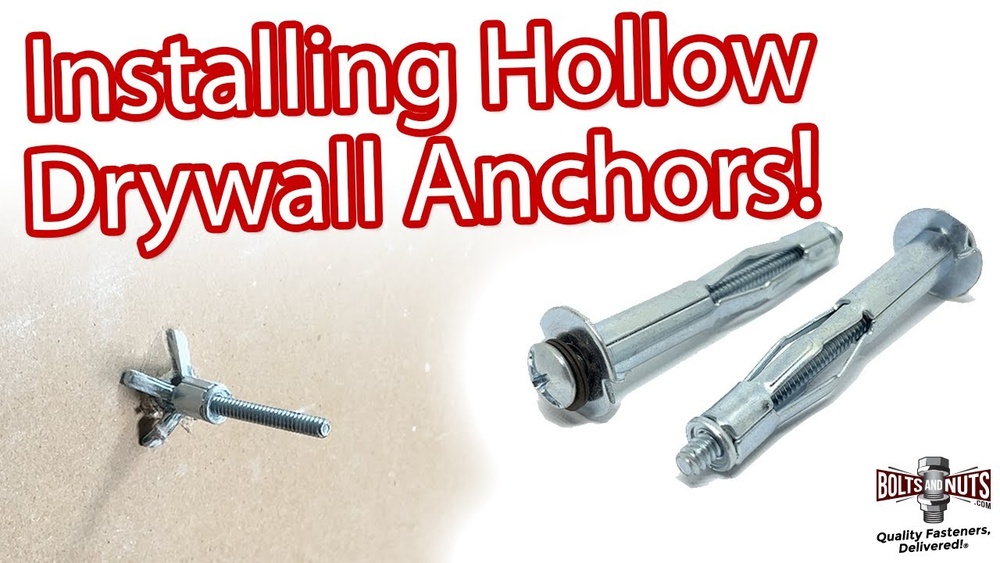
White plastic wall anchors have many shapes and sizes. The most common shapes are expansion anchors, toggle anchors, and ribbed anchors. Expansion anchors spread inside the wall for a tight hold.
Toggle anchors have wings that open behind the wall for extra grip. Ribbed anchors have ridges to prevent slipping out. Sizes vary from small for light items to large for heavy objects.
Choosing The Right Anchor For Your Wall
Select anchors based on your wall type and the item weight. Drywall needs anchors that expand or toggle behind it. Plaster walls work best with ribbed or expansion anchors.
For heavy items, use larger anchors with strong grip. For light items, small anchors work fine. Always check the packaging for weight limits and wall recommendations.
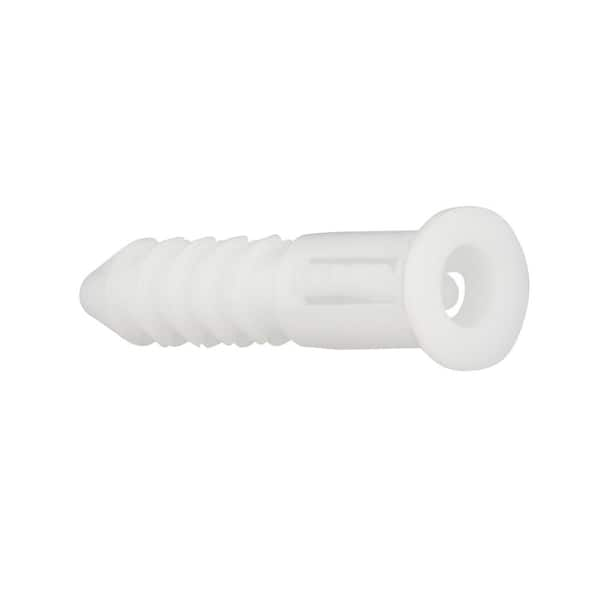
Credit: www.homedepot.com
Tools Needed For Installation
Installing white plastic wall anchors needs a few basic tools. These tools help you drill holes, insert anchors, and screw in fasteners securely. Using the right tools makes the job easier and safer. Below are the main tools required for a smooth installation process.
Drill And Drill Bits
A power drill is essential for making holes in the wall. Choose a drill bit that matches the size of the wall anchor. Too big or too small a hole will reduce the anchor’s hold. Use a drill bit designed for the wall type, such as masonry or wood bits. Drilling straight and clean holes helps anchors fit perfectly.
Screwdrivers And Screws
Screwdrivers are needed to drive screws into the anchors. Use a screwdriver that fits the screw head to avoid slipping. Both manual and electric screwdrivers work well. Select screws that match the wall anchor size and the object you hang. Correct screw length ensures a strong and stable hold.
Measuring And Marking Tools
Measuring tools like a tape measure or ruler ensure precise anchor placement. Mark the exact spots on the wall with a pencil. Level tools help keep items straight and balanced. Accurate measuring and marking prevent mistakes and make your installation look professional.
Preparing The Wall
Preparing the wall is an important step before using white plastic wall anchors. It helps ensure the anchors hold well and your items stay secure. Taking time to prepare the wall correctly makes the whole process easier and safer. Follow these steps carefully for the best results.
Locating Studs And Avoiding Hazards
Start by finding the studs behind the wall. Studs provide strong support for heavy items. Use a stud finder to locate them accurately. Avoid drilling into electrical wires or pipes hidden inside the wall. Check for these hazards carefully before making any holes. This prevents damage and keeps you safe.
Marking Anchor Positions
Mark the exact spots where you want to place the anchors. Use a pencil to make small marks on the wall. Measure twice to ensure the marks are even and level. Proper marking helps you drill in the right places. It also helps the anchors hold firmly and your objects stay straight.

Credit: www.walmart.com
Step-by-step Installation Process
Using white plastic wall anchors is simple and effective for hanging items securely. Follow this step-by-step guide to install them correctly. This process ensures your anchors hold tight and your screws stay firm.
Drilling The Hole
Start by choosing a drill bit that matches the anchor size. Drill a hole in the wall at the desired spot. Make the hole straight and clean. Remove any dust from the hole with a brush or cloth. This helps the anchor fit properly.
Inserting The Anchor
Push the white plastic anchor into the hole gently. Tap it lightly with a hammer if needed. The anchor should sit flush with the wall surface. Avoid forcing it too hard to prevent damage. The anchor grips the wall firmly once inserted.
Securing The Screw
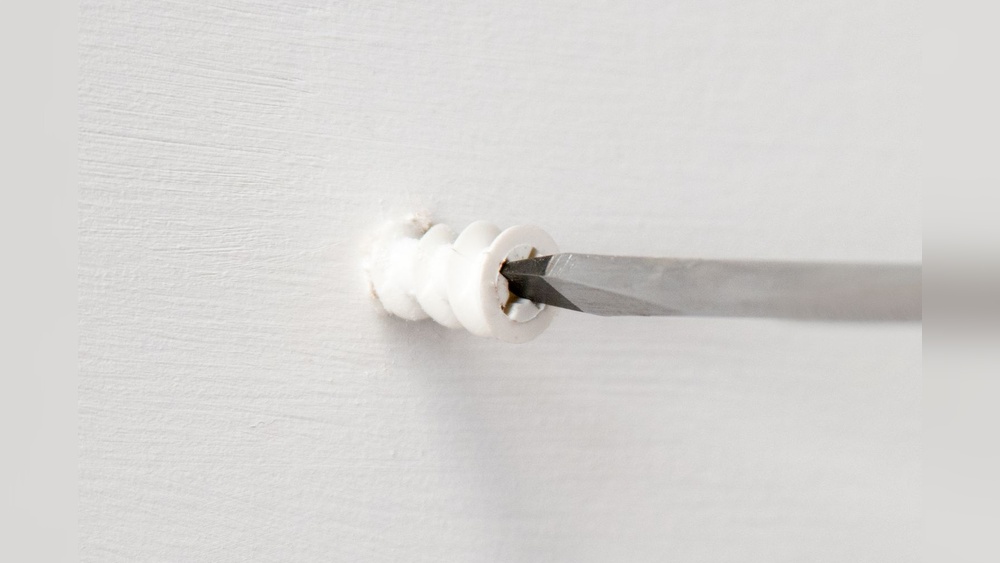
Place the screw into the anchor’s center. Use a screwdriver to turn the screw slowly. Tighten until the screw feels secure but avoid over-tightening. The anchor expands inside the wall for a strong hold. Test the screw’s firmness before hanging anything.
Tips For A Strong Hold
Using white plastic wall anchors correctly helps create a strong, lasting hold. Small mistakes can weaken the grip and cause damage. Follow these simple tips to keep your anchors secure and your walls safe.
Avoiding Over-tightening
Do not tighten screws too much. Over-tightening can crack the wall anchor or the wall itself. Tighten screws until they feel snug, then stop. This keeps the anchor firm without breaking it.
Using Appropriate Screw Lengths
Choose screws that fit the anchor and the item you hang. Too short screws won’t hold well. Too long screws can damage the wall. Match screw length with the anchor size for best results.

Credit: www.amazon.com
Common Mistakes To Avoid
Using white plastic wall anchors can be simple. Yet, many make mistakes that cause problems. These errors reduce the strength of your fixings. Avoiding common pitfalls ensures your anchors hold well and last long.
Choosing The Wrong Anchor Size
Picking the right size anchor is very important. Too small, and it won’t hold the weight. Too big, and it may damage the wall. Match the anchor size with the screw and the item’s weight. Check the package instructions for size guidance. Using the correct size gives a strong and secure hold.
Improper Hole Drilling
Drilling the hole incorrectly is a common mistake. The hole should be the right diameter and depth. Too wide or deep makes the anchor loose inside. Too narrow or shallow stops the anchor from fitting. Use a drill bit size that matches the anchor. Drill straight into the wall, not at an angle. This helps the anchor grip tightly and stay put.
Applications And Uses
White plastic wall anchors are handy tools for many home projects. They help secure screws in drywall or plaster. This makes walls strong enough to hold light to medium-weight items. Their use prevents damage to the wall and keeps items stable.
These anchors work well in places where no studs are available. They spread the load across a wider area inside the wall. This stops screws from pulling out easily.
Hanging Shelves And Frames
White plastic wall anchors are perfect for hanging small shelves. They hold the weight safely on drywall. Shelves for books, plants, or decorations stay firm and secure.
Picture frames and artwork also benefit from these anchors. They keep the frames level and stop them from falling. Using anchors avoids holes getting bigger over time.
Mounting Lightweight Fixtures
Light fixtures, hooks, and small mirrors can be mounted using these anchors. They provide a strong hold without the need to find a stud. This makes installation easier and faster.
Anchors prevent damage from heavy screws pulling out. This is important for safety and maintaining the wall’s condition. They work well for fixtures that do not weigh much.
Removing And Replacing Anchors
Removing and replacing white plastic wall anchors is a common task during home repairs or redecorating. It helps keep your walls neat and ready for new fixtures. Knowing how to do this properly prevents wall damage and ensures a strong hold for new anchors. This section covers safe removal techniques and how to fix any wall damage afterward.
Safe Removal Techniques
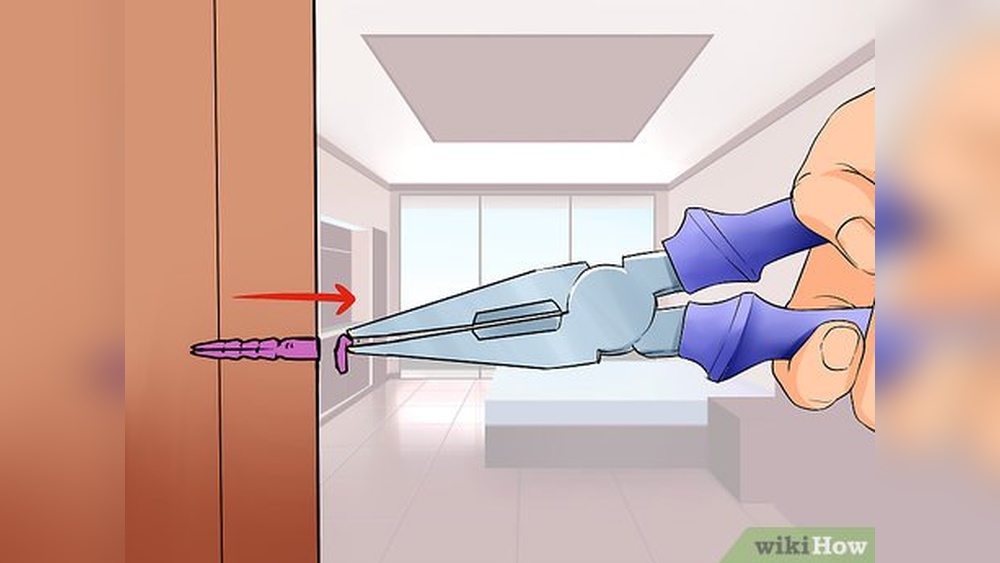
Start by unscrewing any attached screws from the anchor. Use a screwdriver that fits the screw head well. Gently pull the screw out without forcing it. If the anchor stays inside the wall, try to pull it out with pliers. Grip the anchor carefully and pull straight out. Avoid twisting or pushing it deeper into the wall.
If the anchor is stuck, use a drill with a small bit to break it apart inside. Drill slowly to avoid wall damage. Another way is to push the anchor through the wall cavity with a screwdriver. This leaves a small hole to repair but removes the anchor completely.
Repairing Wall Damage
Small holes left by anchors can be fixed easily. Use a wall filler or spackling paste to fill the hole. Apply it with a putty knife, pressing firmly to fill the gap. Smooth the surface to match the wall. Let the filler dry completely. Then sand it lightly for a flat finish.
After sanding, paint over the repaired area to blend it with the wall color. This restores the wall’s appearance and strength. For larger holes, use a patch kit before applying filler. Proper repair keeps your walls ready for new anchors and decorations.
Frequently Asked Questions
What Are White Plastic Wall Anchors Used For?
White plastic wall anchors secure screws in drywall or hollow walls. They prevent screws from loosening, providing strong support for hanging objects like shelves and pictures.
How Do You Install White Plastic Wall Anchors?
First, drill a hole matching the anchor size. Then, push the anchor into the hole until flush with the wall. Finally, insert and tighten the screw into the anchor.
Can White Plastic Wall Anchors Hold Heavy Items?
White plastic anchors support light to medium weights, typically up to 20 pounds. For heavier items, use metal anchors or toggle bolts for better strength.
Do White Plastic Wall Anchors Work On All Wall Types?
They work best in drywall and plaster walls. These anchors are not ideal for concrete, brick, or tile; use specialized anchors for those surfaces.
Conclusion
White plastic wall anchors help hang items securely on walls. First, choose the right size for your screw and wall type. Drill a hole, push in the anchor, then insert the screw. This method keeps your items steady and avoids wall damage.
Using these anchors saves time and effort. They work well for pictures, shelves, and light fixtures. Practice a few times to feel confident. Small steps lead to strong results. Give it a try and see the difference yourself.