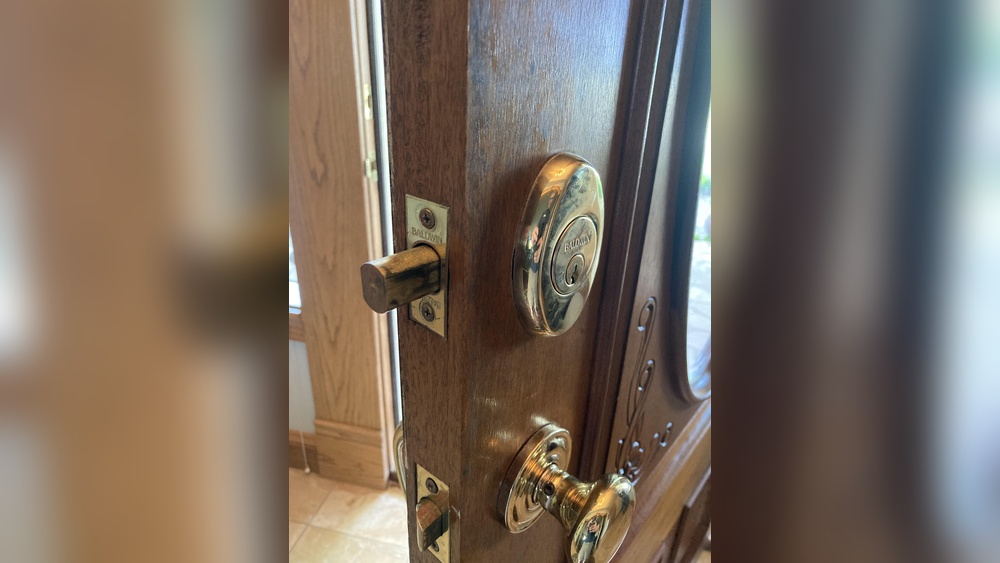
Locked out with a deadbolt and no key in sight? It’s a frustrating situation that can happen to anyone.
You might be standing outside your door, feeling stuck and unsure of what to do next. But don’t worry—there are simple, effective ways to unlock a deadbolt from the outside without causing damage. You’ll discover practical tips and easy methods that can save you time, money, and stress.
Keep reading to find out how you can get back inside quickly and safely.
Types Of Deadbolts
Deadbolts provide strong security for doors. They come in different types. Each type works in a unique way. Knowing these types helps understand how to open them from outside.
Single Cylinder Deadbolts
This type uses a key on the outside. Inside, it has a thumb turn. It is easy to use. You just turn the key or the thumb turn. Single cylinder deadbolts are common in homes.
Double Cylinder Deadbolts
This deadbolt needs a key on both sides. No thumb turn inside. It adds safety if there is glass near the door. You must use a key to lock or unlock it. It can be harder to open quickly in emergencies.
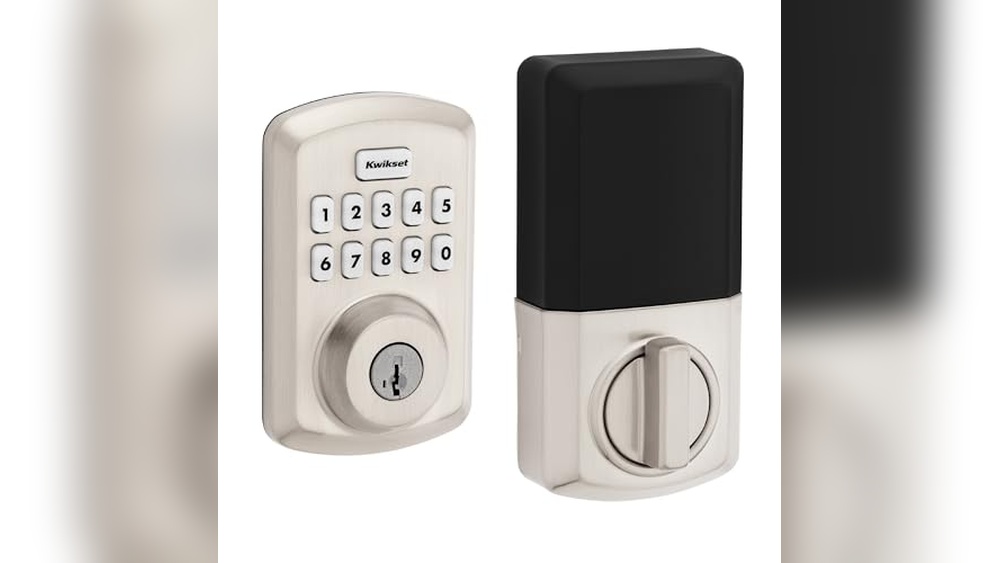
Keyless Deadbolts
These deadbolts work without a physical key. They use a code or a keypad. Some use fingerprint or smartphone apps. Keyless deadbolts offer convenience. They also need batteries to function. No need to carry keys outside.

Credit: www.youtube.com
Common Reasons For Being Locked Out
Getting locked out of your home can happen to anyone. It causes stress and delays daily plans. Understanding common reasons helps avoid these situations. Knowing why locks fail or keys go missing prepares you better.
Lost Or Forgotten Keys
Losing keys is the top cause of being locked out. Keys can fall from pockets or bags. Sometimes, they get left inside the house. Forgetting keys on a table or shelf also happens. Without keys, entering through the deadbolt is impossible.
Broken Or Jammed Locks
Locks can break or jam after long use. Dirt, rust, or weather changes cause the problem. Turning the key may become difficult or impossible. A damaged lock stops the deadbolt from moving. This issue often traps people outside their homes.
Misplaced Spare Keys
Spare keys are a backup plan. Losing them means no easy way in. Misplacing spare keys is common during moves or cleaning. Sometimes, spares are kept in unsafe or hard-to-find spots. Without access to a spare, the lock stays closed.
Using A Key To Unlock
Using a key to open a deadbolt from the outside is the most common method. The key fits into the lock cylinder and turns to move the bolt. This process might seem simple, but a few tips help to do it correctly. Proper handling of the key ensures smooth operation and avoids damage to the lock.
Proper Key Insertion Techniques
Hold the key straight and insert it gently into the lock. Avoid forcing the key if it does not slide in easily. Align the key’s teeth with the lock’s pins carefully. Insert the key fully, not halfway. This allows the pins to move freely inside the lock cylinder. Turn the key slowly to avoid jamming the lock. Use steady pressure, not too hard or too soft. A well-inserted key reduces wear and tear on the lock parts.
When Keys Don’t Turn
Sometimes, the key won’t turn despite being fully inserted. Dirt or rust inside the lock can cause this problem. Try moving the key back and forth slightly to loosen the pins. Spray a small amount of lubricant into the lock to help. Avoid using oil that can attract dust and grime. If the key still won’t turn, check if the key is bent or damaged. A bent key often gets stuck or fails to turn. Use a spare key if available. Persistent issues may require a locksmith’s help to avoid breaking the key inside the lock.

Credit: www.art-of-lockpicking.com
Bypassing The Deadbolt Without A Key
Bypassing a deadbolt without a key can be tricky but possible with certain methods. These techniques help access the lock from outside when no key is available. Understanding simple tools and skills makes this easier. Always use these methods responsibly and legally.
Credit Card Method
This method works only on spring bolt locks, not true deadbolts. Slide a flexible plastic card between the door and frame. Push the card toward the latch while wiggling it. The card can push the latch back and open the door. It requires patience and the right card. Thin, flexible cards work best.
Lock Picking Basics
Lock picking uses special tools like picks and tension wrenches. Insert the tension wrench into the lock’s keyhole. Apply slight pressure while moving the pick inside. Feel for pins inside and lift them one by one. When all pins set, the lock turns open. This skill takes practice and patience.
Using A Bump Key
A bump key is a key cut to fit many locks of one type. Insert the bump key fully into the lock. Tap the key gently with a small hammer or screwdriver. The tapping moves the pins inside the lock. Turn the key while tapping to open the lock. Use caution as bump keys can damage locks.
When To Call A Locksmith
Knowing when to call a locksmith saves time and stress. Some lock problems need expert skills. Trying to fix a deadbolt alone can cause damage. Professionals have the right tools and knowledge. They can open the lock safely without harm.
Signs You Need Professional Help
Key breaks inside the lock. The deadbolt sticks and won’t turn. You lost the only key to your door. The lock is old or rusty and hard to move. The deadbolt jammed after a strong wind or force. You hear strange sounds when trying to turn the lock. Trying to force it may cause more damage.
Choosing A Reliable Locksmith
Check for a locksmith with good reviews. Verify their license and insurance for your safety. Ask about pricing before they start the work. Make sure they offer emergency services if needed. Look for a locksmith who uses modern tools. A quick and polite service shows professionalism. Trust is important when letting someone into your home.
Credit: www.youtube.com
Preventive Measures To Avoid Lockouts
Preventing lockouts saves time and stress. Taking simple steps can help you avoid being stuck outside your door. These measures protect your home and give peace of mind.
Spare Key Strategies
Keep a spare key in a safe place outside your home. Give a trusted neighbor or friend a copy. Avoid hiding keys in obvious spots like under mats or flower pots. Consider using a lockbox with a code for extra security. Having a backup key nearby can save you from waiting for a locksmith.
Smart Lock Alternatives
Smart locks use codes or phones instead of keys. They let you enter without carrying a physical key. Some models allow remote access for friends or family. Choose a smart lock with strong security features. These locks reduce the chance of lockouts and add convenience.
Regular Lock Maintenance
Check your lock’s condition often. Clean and lubricate the deadbolt to keep it working smoothly. Replace worn or damaged parts before problems start. Regular care prevents jams and key breaks. Well-maintained locks are less likely to cause lockouts.
Frequently Asked Questions
How Can I Unlock A Deadbolt From Outside Without A Key?
You can use a lock pick set or a bump key to unlock a deadbolt. Alternatively, call a professional locksmith for safe entry without damage.
What Tools Are Needed To Unlock An Outside Deadbolt?
Common tools include a tension wrench, lock picks, or a bump key. For non-destructive methods, locksmith tools are preferred for unlocking deadbolts.
Is It Legal To Unlock A Deadbolt From Outside?
Unlocking your own deadbolt is legal. However, unlocking someone else’s lock without permission is illegal and considered breaking and entering.
Can I Unlock A Deadbolt Using A Credit Card?
Credit cards generally cannot unlock deadbolts. This method works only on spring bolt locks, not on deadbolts, which are more secure and resistant.
Conclusion
Unlocking a deadbolt from the outside can seem tricky. Simple tools and clear steps make it easier. Always stay calm and think through the process. Avoid forcing the lock to prevent damage. Remember to keep a spare key handy. Being prepared saves time and frustration later.
Practice patience and use the right method. You can handle this situation safely and smartly.