Is your hutch stable, or does it wobble every time you open a door? Anchoring your hutch to the wall is the simple step that keeps it secure and safe.
You might not realize how important this is until it tips or shifts, risking damage or injury. But don’t worry—anchoring your hutch doesn’t have to be complicated or costly. In this guide, you’ll learn exactly how to anchor your hutch quickly and confidently.
By the end, you’ll have peace of mind knowing your furniture is firmly in place. Ready to make your space safer and more stable? Let’s get started.

Credit: www.reddit.com
Why Anchor A Hutch
Anchoring a hutch to the wall is an important safety step. It keeps the furniture steady and secure. This prevents accidents and keeps your home safe.
Preventing Tip-overs
Furniture tip-overs cause many injuries every year. Hutches can be tall and heavy. Without anchoring, they may fall forward easily. Anchors hold the hutch in place firmly. This stops the risk of tipping over.
Enhancing Stability
Anchors make your hutch more stable. They stop it from wobbling or moving. Stability protects both the hutch and the items inside. It also keeps your room looking neat and safe.
Protecting Children And Pets
Children and pets love to climb and explore. A loose hutch can be very dangerous. Anchoring keeps the hutch from falling on them. It creates a safer space for your family and pets.
Credit: www.lowes.com
Tools And Materials Needed
Anchoring a hutch to the wall keeps it safe and steady. It stops tipping and protects your family. To do this job right, you need the right tools and materials. These help you work faster and safer. Here are the main items you will use.
Anchoring Kits
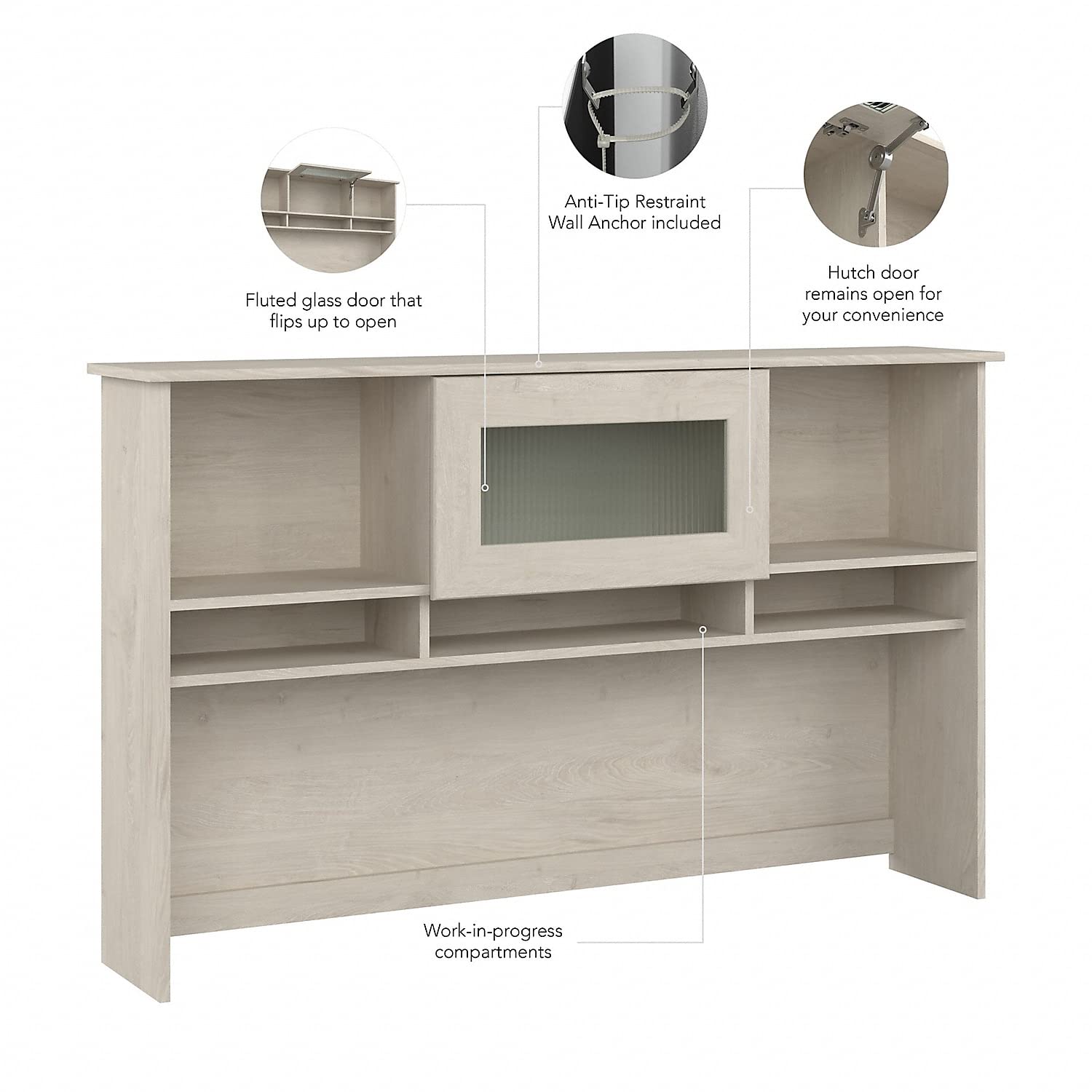
Anchoring kits usually come with brackets and screws. They are made to hold heavy furniture. These kits fit most hutches. They make the anchoring process simple and secure. Choose a kit that matches your wall type.
Drill And Screws
A drill helps you make holes in the wall. Pick drill bits that fit the screws. Use strong screws that can hold the hutch’s weight. Make sure the screws are long enough to reach the studs. This keeps the hutch firmly in place.
Stud Finder And Level
A stud finder shows where the wall studs are. Studs hold the most weight. Use a level to keep the hutch straight. This tool ensures the hutch does not lean or tilt. Both tools help you anchor safely and neatly.
Choosing The Right Wall
Choosing the right wall is key for safely anchoring a hutch. The wall must support the weight and keep the hutch steady. Picking a weak or unsuitable wall risks damage and accidents. Learn how to find the best wall for your hutch.
Locating Wall Studs
Studs are the wooden or metal supports inside walls. They hold heavy items better than drywall alone. Use a stud finder to locate these strong points. Mark the spots clearly. Anchoring your hutch to studs ensures firm support and safety.
Avoiding Electrical And Plumbing
Walls often hide electrical wires and plumbing pipes. Drilling into these can cause harm or damage. Check for wires and pipes before drilling. Use a multi-purpose detector or consult building plans. Avoid areas with electrical or plumbing lines to stay safe.
Assessing Wall Material
Not all walls are the same. Drywall, plaster, brick, and concrete require different anchors. Drywall needs studs or special anchors. Brick and concrete need masonry anchors and drills. Know your wall type to choose the right tools and anchors. This prevents damage and keeps the hutch secure.
Credit: www.amazon.com
Preparing The Hutch
Preparing the hutch is an important step before anchoring it to the wall. This process helps ensure safety and stability. It also makes the anchoring easier and more accurate. Taking time to prepare avoids damage and saves effort later.
Clearing Items
Remove all items from the hutch shelves and drawers. Emptying the hutch reduces weight. It also prevents objects from falling during the process. Clear surfaces make the hutch easier to move and position.
Positioning The Hutch
Place the hutch close to the wall where it will stay. Align it so the back is flat against the wall. Adjust the position to ensure it is straight and balanced. This step helps find the best spots for anchors.
Marking Anchor Points
Look behind the hutch to find solid areas on the wall. Use a pencil to mark spots where anchors will go. Check these marks carefully for correct height and spacing. Clear anchor points make drilling and fixing easier.
Attaching Anchors To The Hutch
Attaching anchors to the hutch is an important step to keep it stable and safe. This process helps prevent the hutch from tipping over. Proper anchoring protects your family and your furniture.
Selecting Anchor Types
Choose anchors based on the wall material. For drywall, use toggle bolts or molly bolts. For wooden studs, use heavy-duty screws. Metal studs need special anchors made for metal. Check the weight limit on each anchor. Pick anchors that can hold more than the hutch weighs.
Securing Brackets
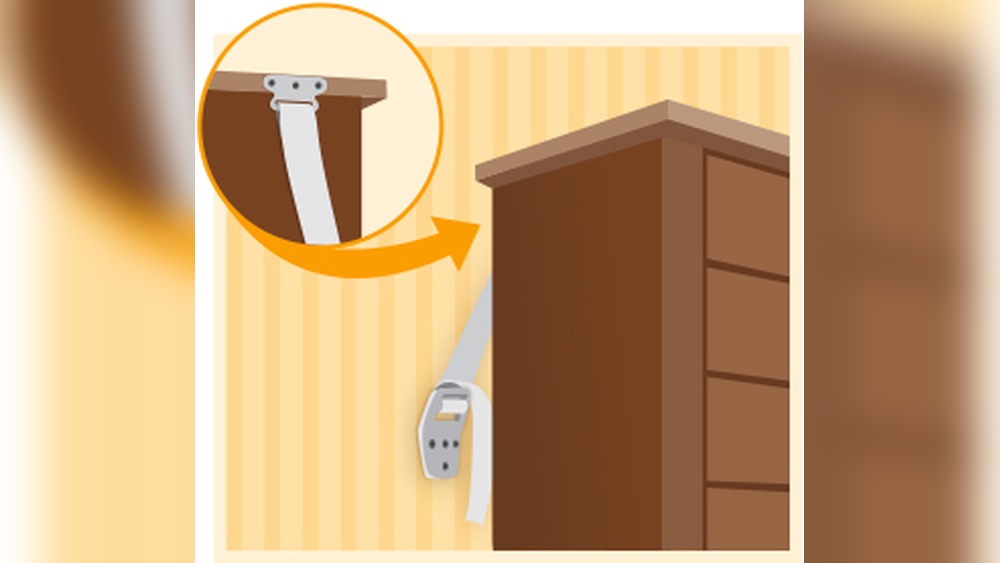
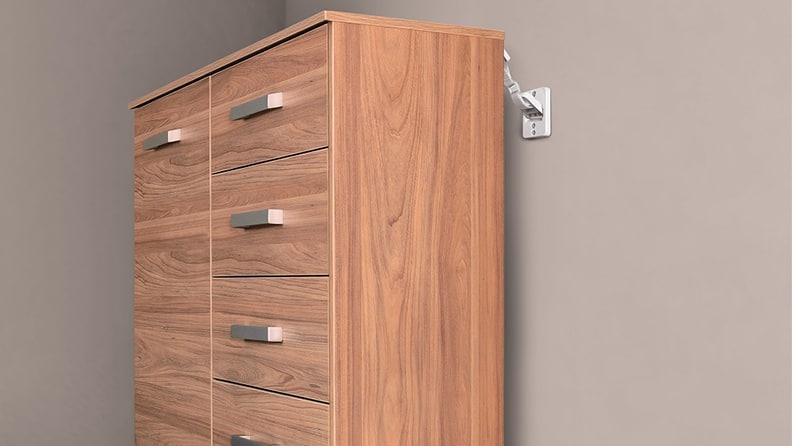
Attach metal brackets to the back of the hutch. Use screws that fit the bracket holes well. Tighten screws firmly but do not strip them. Place brackets near the top of the hutch. This helps keep the hutch flush against the wall.
Ensuring Proper Alignment
Hold the hutch in place against the wall. Use a level to check if it is straight. Mark where the brackets meet the wall. Drill pilot holes in the marks. Align anchors with pilot holes. Tighten all screws evenly for a secure fit.
Securing Hutch To The Wall
Securing a hutch to the wall is important for safety and stability. It stops the hutch from tipping over or moving. This process is simple but needs care and the right tools. Follow clear steps to attach your hutch firmly and safely.
Drilling Pilot Holes
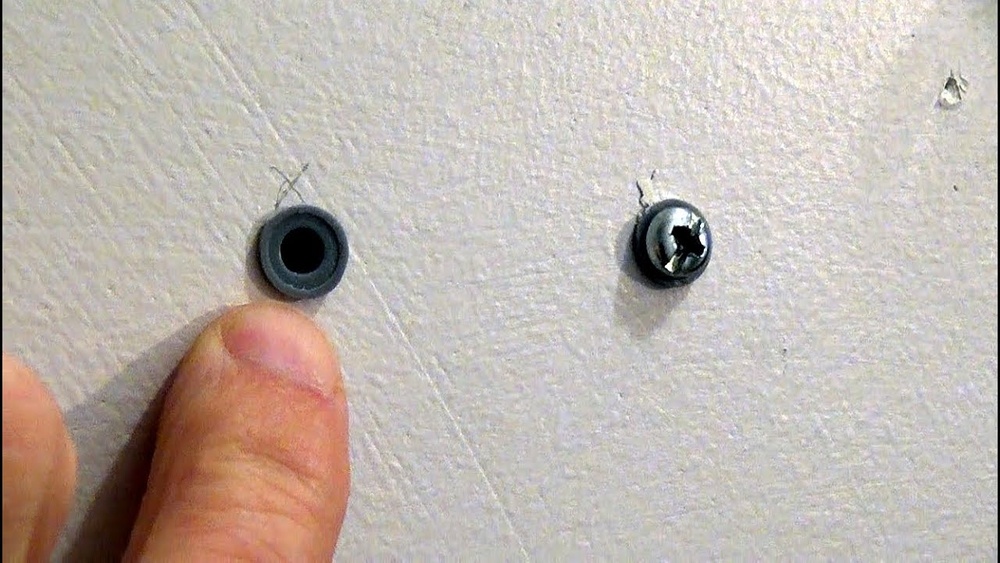
Start by marking where the screws will go. Use a pencil to make small marks on the wall behind the hutch. Drill pilot holes in these spots. The holes should be smaller than the screws. This step helps avoid cracking the wall or wood.
Fixing Anchors To Studs
Find the wall studs using a stud finder. Anchors must go into studs for strong support. Insert wall anchors into the pilot holes aligned with the studs. Then, screw the brackets or straps into the anchors. This holds the hutch firmly in place.
Testing Stability
After securing, gently push the hutch from different sides. Check if it moves or feels loose. Tighten the screws if needed. A stable hutch does not wobble or shift. Safety comes first with a solid, steady hutch.
Safety Tips And Maintenance
Anchoring a hutch to the wall is important for safety. It keeps the furniture stable and prevents tipping. Proper care after installation helps maintain security and prolongs the hutch’s life. Follow these safety tips and maintenance steps to keep your hutch safe and strong.
Regular Checks
Check the hutch and anchors every few months. Look for any looseness or wobbling. Tighten screws and bolts if needed. Watch for signs of damage on the wall or furniture. Early detection avoids accidents and costly repairs.
Adjusting Anchors
Sometimes anchors may loosen over time. Adjust them by tightening screws or replacing worn parts. Use a screwdriver to secure the anchor firmly. Make sure the hutch stays flush against the wall. Proper adjustment keeps the hutch steady and safe.
Handling Repairs
If the hutch or anchors get damaged, fix them quickly. Replace broken screws or anchors with new ones. Repair any cracks or splits in the wood. Do not use damaged anchors or hardware. Safe repairs help prevent accidents and protect your home.
Frequently Asked Questions
How Do You Safely Anchor A Hutch To The Wall?
To safely anchor a hutch, locate wall studs using a stud finder. Use heavy-duty brackets and screws. Secure brackets firmly into studs for stability and prevent tipping hazards.
What Tools Are Needed To Anchor A Hutch?
You need a stud finder, drill, screwdriver, level, measuring tape, and heavy-duty brackets. These tools ensure precise and secure wall anchoring of the hutch.
Can I Anchor A Hutch Without Studs?
Anchoring without studs is not recommended. Use wall anchors rated for the hutch’s weight if studs aren’t available. Studs offer the best support and safety.
Why Is Anchoring A Hutch Important?
Anchoring prevents tip-over accidents, especially in homes with children. It stabilizes the hutch during earthquakes or bumps, ensuring safety and protecting your furniture.
Conclusion
Anchoring a hutch to the wall keeps it stable and safe. It prevents tipping, which protects children and pets. Use the right tools and follow steps carefully. Check the wall type before choosing anchors. Secure the hutch firmly but do not over-tighten.
Take your time and work patiently. A well-anchored hutch adds peace of mind at home. Safety matters, and this simple task helps a lot. Now, your hutch stands strong and steady.