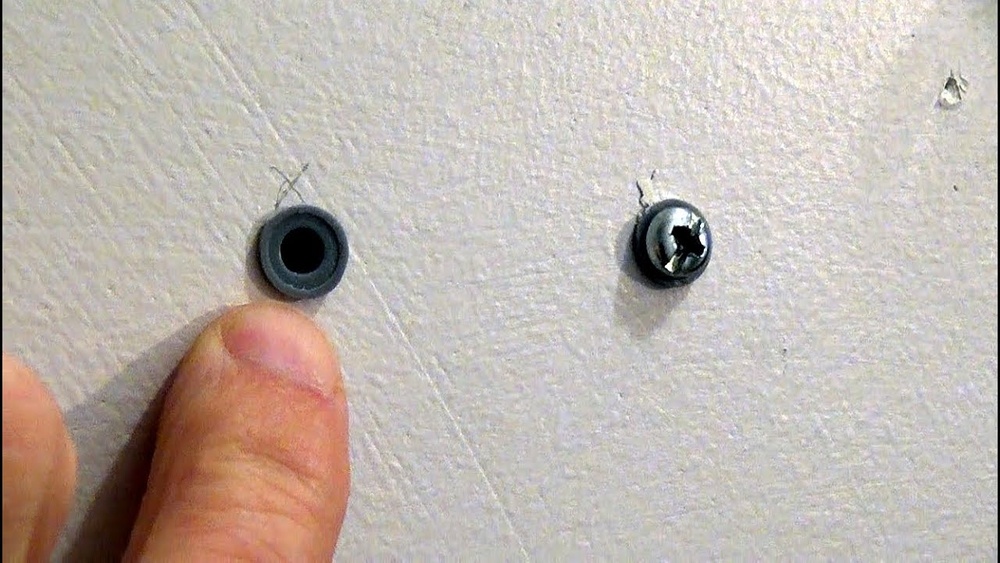
You’ve just removed a screw from your wall, but now there’s a stubborn plastic anchor stuck inside. It’s annoying, right?
Those little anchors can be tricky to get out, and leaving them behind can damage your wall or make it hard to reuse the hole. But don’t worry—you don’t need to call a professional or damage your wall to fix this.
You’ll discover simple, effective ways to get plastic screw anchors out of your wall quickly and easily. Keep reading, and you’ll have that wall looking perfect again in no time.

Credit: sewmanyways.blogspot.com
Tools Needed
Removing plastic screw anchors from a wall requires the right tools. Using proper tools makes the job easier and prevents wall damage. Some tools are common and found at home. Others are made specifically for removing anchors.
Common Household Tools
You can use simple tools to remove anchors. A pair of pliers helps to grip and pull the anchor out slowly. A flathead screwdriver can pry the anchor gently from the wall. A hammer can tap the anchor to loosen it. Sometimes, a drill with a small bit can help to twist the anchor free. These tools are easy to find and often work well for small jobs.
Specialized Removal Tools
Special tools make removing anchors faster and cleaner. An anchor removal tool is designed to grab and pull anchors without damage. These tools often have a hook or claw shape. A drywall anchor extractor works by pulling the anchor out straight. Using these tools reduces wall repair after removal. They are available at hardware stores and online. Investing in one helps if you remove anchors often.
Assessing The Anchor Type
Before removing plastic screw anchors from a wall, identify the type of anchor used. This step helps choose the best removal method and avoid wall damage. Different anchors behave differently during extraction. Knowing your anchor type saves time and effort.
Plastic Anchor Varieties
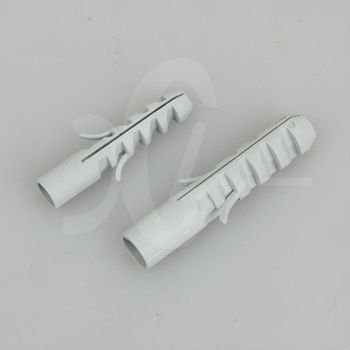
Plastic anchors come in several common types. Expansion anchors expand inside the wall when a screw is inserted. They grip the wall tightly. Ribbed anchors have small ridges to prevent slipping out. Some anchors have flanges to stop them from going too deep. Each type needs a slightly different removal approach. Recognizing the anchor type helps you avoid breaking the wall.
Wall Material Considerations
The wall material affects how anchors hold and come out. Drywall is soft and prone to crumbling. Plastic anchors in drywall may pull out easily or damage the surface. Concrete or brick walls are harder and require more force to remove anchors. Some anchors are designed for specific wall types. Check the wall material before starting to avoid extra repair work.
Preparing The Area
Preparing the area is an important first step before removing plastic screw anchors from the wall. Taking time to get ready helps avoid damage and makes the process smoother. You will need a clean, safe workspace and some protection for the wall surface.
Clearing The Workspace
Remove any furniture, decorations, or items near the wall. This clears space to work freely and reduces the chance of accidents. A tidy area also helps you keep tools and removed anchors in one place. Use a small table or tray to hold tools close by.
Protecting The Wall Surface
Plastic anchors can sometimes damage paint or drywall when pulled out. Cover the area around the anchor with painter’s tape. This prevents the wall from chipping or scratching. You can also place a thin cloth or cardboard under the anchor to catch debris.
Removing Anchors Without Damage
Removing plastic screw anchors without damaging the wall takes care and the right approach. Anchors can leave holes or marks if pulled out roughly. Gentle methods help keep your wall smooth and ready for new use.
Use tools and techniques that work with the anchor, not against the wall. Small efforts prevent big repairs later. Focus on steady movements and patience.
Using Pliers For Extraction
Start by gripping the anchor’s outer edge with needle-nose pliers. Hold the pliers firmly but do not squeeze too hard. Pull the anchor straight out slowly. Avoid twisting, which can break the anchor inside the wall.
If the anchor moves easily, continue pulling until it comes free. Stop if you feel resistance. Try loosening it first by wiggling the anchor gently. This loosens its hold and protects the drywall.
Twisting And Pulling Techniques
Place your fingers or pliers on the anchor’s head. Twist it slowly back and forth to loosen it. The twisting breaks the grip inside the wall. Once loose, pull the anchor straight out.
A gentle twist helps release the anchor without tearing the wall. If the anchor spins freely, keep twisting and pulling until it comes out. Avoid using too much force to stop wall damage.
Dealing With Stubborn Anchors
Stubborn plastic screw anchors can be tough to remove. They often stay stuck deep inside the wall. This makes pulling them out with pliers impossible. You need other methods to deal with these anchors. The goal is to remove them without damaging the wall surface. Here are two effective ways to handle difficult anchors.
Drilling Out Anchors
Drilling is a common way to get rid of stuck anchors. Use a drill bit slightly smaller than the anchor diameter. Carefully drill into the center of the anchor. This breaks the plastic inside the wall. Once the anchor is broken, it becomes easier to remove. Be gentle to avoid making the hole larger than needed. This keeps the wall ready for patching or a new anchor.
Cutting Flush With The Wall
Cutting the anchor flush with the wall surface works well too. Use a sharp utility knife or a small saw blade. Cut the plastic anchor as close to the wall as possible. This leaves no part sticking out. Then, fill the hole with wall filler or putty. Smooth the surface and let it dry. After drying, sand it down for a clean finish. This method hides the anchor without pulling it out.
Fixing Wall Damage
Removing plastic screw anchors often leaves holes or marks on your wall. Fixing these damages restores your wall’s smooth look. It also prepares the surface for repainting or new decorations.
Taking care of the wall damage is simple. A few basic steps can make the wall look like new. Start with filling the holes, then smooth the surface, and finish by painting.
Filling Holes
Choose a good wall filler or spackling paste. Use a putty knife to press the filler into the hole. Make sure the hole is fully covered. Remove extra filler around the hole for a clean finish. Let the filler dry according to the product instructions.
Sanding And Painting Tips
After the filler dries, gently sand the area. Use fine-grit sandpaper for a smooth surface. Wipe off dust with a dry cloth before painting. Match the paint color to your wall. Apply paint in thin, even layers. Allow each layer to dry before applying the next.
Preventing Future Issues
Preventing future problems with plastic screw anchors saves time and effort. Proper choices and correct installation keep walls safe and strong. Avoid damage and loose anchors by following simple steps.
Good habits help anchors last longer and hold better. These tips help keep walls neat and secure for any project.
Choosing The Right Anchors
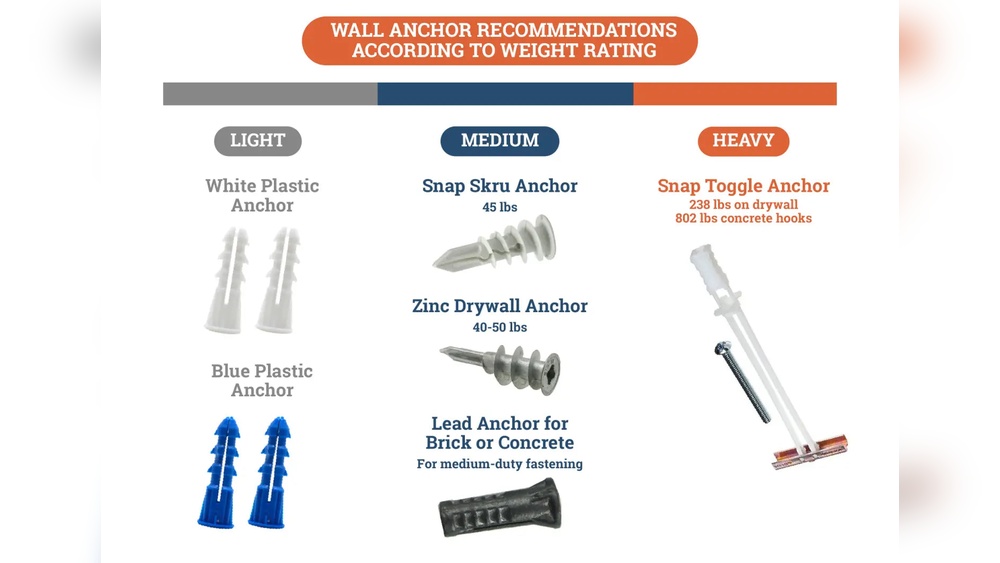
Pick anchors made for the wall type you have. Drywall anchors differ from those for concrete or brick. Use anchors sized correctly for your screws and weight needs. Strong anchors prevent wobbling and falling.
Plastic anchors suit light loads. For heavier items, try metal or toggle anchors. Quality matters. Cheap anchors break easily and cause wall damage.
Proper Installation Tips
Drill holes that match anchor size exactly. Too big or small holes weaken the grip. Clean dust from holes before inserting anchors. Push anchors in gently but firmly.
Do not force screws too tight. Over-tightening cracks anchors or walls. Stop when screws feel snug. Check anchor stability before hanging anything heavy.
Credit: diy.stackexchange.com

Credit: www.youtube.com
Frequently Asked Questions
How Do You Remove Plastic Screw Anchors From Drywall?
To remove plastic anchors, first unscrew any attached screws. Then, gently pull or pry the anchor out using pliers or a flathead screwdriver. If it resists, push it further into the wall to avoid damage, and patch the hole afterward.
Can I Reuse Plastic Screw Anchors After Removal?
Plastic screw anchors often lose grip after removal. It’s best to replace them with new anchors for a secure hold. Reusing old anchors may cause instability and damage to the wall.
What Tools Are Needed To Extract Plastic Anchors?
You need a screwdriver, pliers, and possibly a utility knife. A flathead screwdriver helps pry the anchor, while pliers grip it for removal. A utility knife can clean the hole edges after extraction.
How To Fix Wall Holes After Anchor Removal?
Fill the hole with spackle or wall filler using a putty knife. Let it dry completely, then sand smooth. Finally, paint over the patched area to match your wall color for a seamless finish.
Conclusion
Removing plastic screw anchors from walls takes patience and care. Use the right tools and gentle force to avoid damage. Pull, twist, or push as needed to loosen the anchor. Small holes left behind can be fixed easily with filler.
Taking time ensures the wall stays smooth and ready for new use. Practice these simple steps, and you will handle anchors with confidence.