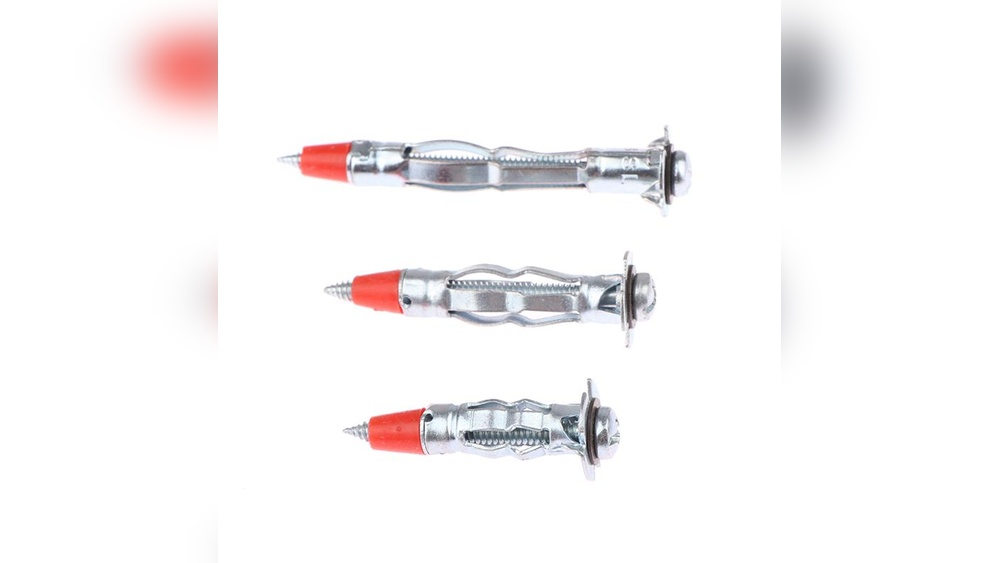
Have you ever wondered how long those small wall anchors holding up your shelves or picture frames actually last? You rely on them every day to keep your belongings safe and secure.
But what if they weaken over time without you noticing? Understanding the lifespan of wall anchors can save you from unexpected accidents and costly repairs. You’ll discover everything you need to know about how long wall anchors last and how to ensure your walls stay strong and stable.
Keep reading to protect your home and peace of mind.
Credit: www.ebay.com
Types Of Wall Anchors
Wall anchors hold items securely on walls. Different types fit different needs. Choosing the right one helps ensure strength and durability. Each type has unique features and uses.
Plastic Anchors
Plastic anchors are common and easy to use. They work well with lightweight objects. Made of durable plastic, they resist rust and moisture. Best for drywall and hollow walls. They expand inside the wall to hold firmly.
Metal Anchors
Metal anchors offer stronger support than plastic ones. Made from steel or zinc, they resist corrosion. Ideal for medium to heavy loads. They fit tightly into drilled holes. Metal anchors last longer in tough conditions.
Toggle Bolts
Toggle bolts have spring-loaded wings that open inside the wall. They spread the weight over a larger area. Perfect for heavy items on drywall or hollow walls. The metal wings provide strong grip. They hold well even in weak walls.
Molly Bolts
Molly bolts expand inside the wall when tightened. They create a solid anchor in hollow walls. Good for medium to heavy items. Made from metal, they resist rust. Molly bolts stay secure and provide lasting support.
Factors Affecting Anchor Lifespan
The lifespan of wall anchors depends on several important factors. These factors affect how long the anchors hold and stay secure. Understanding these elements helps in choosing the right anchor for your needs. It also helps in keeping your walls safe and stable.
Material Quality
The quality of the anchor material plays a big role in its durability. Strong materials like stainless steel last longer than plastic or zinc. Poor-quality materials can break or corrode faster. Always pick anchors made from high-grade materials for better lifespan.
Environmental Conditions
Anchors exposed to moisture or extreme temperatures wear out quickly. Humid areas cause metal anchors to rust. Cold or hot climates can make plastic anchors brittle. Indoor anchors usually last longer than outdoor ones due to less exposure.
Load And Usage
The weight and frequency of use affect anchor lifespan. Heavy loads put more stress on the anchors. Constant movement or vibration can weaken them over time. Use anchors rated for the specific load to avoid early failure.
Installation Techniques
Proper installation is key to anchor durability. Incorrect drilling or using the wrong size hole can reduce strength. Over-tightening screws may crack the anchor or wall. Follow instructions carefully to ensure the anchor lasts longer.
Typical Durability Ranges
Wall anchors have different lifespans depending on their type and environment. Understanding their typical durability helps in choosing the right anchor for your project. This section explains how long wall anchors usually last under various conditions. It covers indoor versus outdoor use and heavy-duty versus light-duty anchors.
Indoor Vs Outdoor Anchors
Indoor wall anchors last longer than outdoor ones. They avoid exposure to rain, sun, and temperature changes. These factors cause wear and tear on outdoor anchors. Plastic anchors indoors can last over 10 years. Metal anchors indoors may last even longer without rust. Outdoor anchors face moisture and rust risks. This can shorten their life to 3-5 years. Using rust-resistant materials improves outdoor anchor durability. Choosing the right anchor type for indoor or outdoor use is key.
Heavy-duty Vs Light-duty Anchors
Heavy-duty anchors hold more weight and last longer. They use stronger materials like metal or reinforced plastic. These anchors can last 10 years or more inside buildings. Light-duty anchors support less weight and wear out faster. They often use simple plastic and may last 5 years indoors. Heavy-duty anchors resist damage better in tough conditions. Light-duty anchors suit small decorations and light items. Match anchor strength with the object’s weight for longer life.
Signs Of Anchor Failure
Wall anchors hold items securely on walls. Over time, they may weaken or fail. Recognizing signs of anchor failure helps prevent accidents and damage. Watch for these common signs to keep your walls safe.
Visible Damage
Check anchors for cracks, bends, or breaks. Look for rust or corrosion on metal parts. Plastic anchors may show cracks or splits. Any visible damage means the anchor may not hold well.
Reduced Holding Strength
Notice if the anchor feels loose or wobbly. Items may start to tilt or sag. The anchor may pull away from the wall slightly. These signs suggest the anchor is losing grip.
Wall Surface Issues
Look for cracks or holes around the anchor site. Paint may peel or bubble near the anchor. The wall may crumble or chip off. These issues show the anchor is damaging the wall or losing support.
Maintenance And Inspection Tips
Maintenance and inspection keep wall anchors safe and strong. Regular care helps spot problems early. It ensures your anchors hold well over time. Simple checks can extend their life and avoid accidents.
Routine Checks
Look at the anchors every few months. Check for cracks, rust, or loose fittings. Test if the anchor still holds tight. Use a gentle push or pull to see if it moves. Clean away dust and dirt around the anchor. Keep the wall dry to prevent damage.
When To Replace Anchors
Replace anchors if they show signs of wear or damage. Rust or cracks mean the anchor is weak. If the anchor moves or feels loose, it needs replacement. Also, change anchors after heavy loads or impacts. Using worn anchors risks items falling and causing harm.

Credit: www.wikihow.com
Choosing Long-lasting Anchors
Choosing long-lasting wall anchors helps keep your items safe on walls. It stops damage and keeps anchors from breaking or falling out. Picking the right anchor makes your work strong and durable.
Focus on the material and the wall type. These two points decide how long an anchor will last. The right match means better hold and longer life.
Material Selection
Anchors come in plastic, metal, and nylon. Metal anchors last longer than plastic ones. Steel anchors resist rust and corrosion well. Nylon anchors work well in moist areas. Choose a material that fits the room’s conditions. A strong material keeps anchors from breaking or wearing out fast.
Matching Anchors To Wall Types
Walls vary: drywall, plaster, brick, or concrete. Each wall needs a special anchor type. Drywall anchors work best in soft walls. Masonry anchors fit brick and concrete well. Using the wrong anchor can cause damage. Match anchors to wall types for a secure hold. This match keeps anchors stable and long-lasting.

Credit: www.amazon.com
Frequently Asked Questions
How Long Do Wall Anchors Typically Last?
Wall anchors generally last 10 to 20 years when installed correctly. Their lifespan depends on weight load, material, and environment. Moisture or heavy loads can reduce durability. Proper installation and maintenance extend their effectiveness and safety over time.
Do Metal Wall Anchors Last Longer Than Plastic Ones?
Yes, metal wall anchors usually last longer than plastic types. Metal resists wear, corrosion, and heavy loads better. Plastic anchors may degrade faster under stress or moisture. Choosing metal anchors improves stability and durability for long-term use.
Can Wall Anchors Weaken Over Time?
Wall anchors can weaken due to moisture, rust, or repeated stress. Over time, this reduces their holding capacity. Regular inspection helps detect any loosening or damage. Replacing worn anchors ensures wall-mounted items remain secure and safe.
How Does Environment Affect Wall Anchor Lifespan?
Humid or wet environments shorten wall anchor lifespan by causing rust or material breakdown. Indoor dry conditions promote longer durability. Selecting anchors suited for specific environments improves longevity and performance.
Conclusion
Wall anchors can last many years if installed correctly. Their lifespan depends on the material and environment. Moisture and heavy loads can reduce their strength over time. Regular checks help keep wall anchors safe and stable. Choose the right type for your wall to ensure durability.
Proper use prevents damage and extends their life. Remember, good installation matters most for lasting support. Keep these tips in mind to maintain strong and reliable anchors.