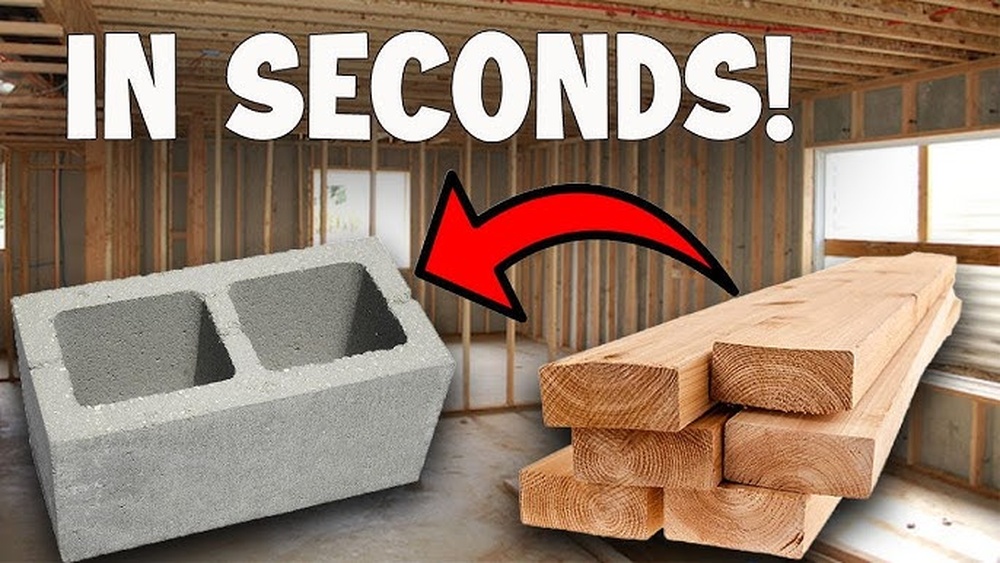
If you’re working on a project that involves attaching a 2×4 to a cinder block wall, you might be wondering how to do it securely and easily. Getting the right method can save you time, prevent damage, and make sure your structure stays strong.
This guide will walk you through simple, step-by-step instructions that anyone can follow—even if you’re new to DIY. By the end, you’ll know exactly how to anchor your 2×4 safely and confidently. Keep reading to learn the best tools, materials, and techniques to make your project a success.

Credit: www.wikihow.com
Choosing The Right Anchors
Choosing the right anchors is key to securing a 2×4 to a cinder block wall. The anchors hold the wood firmly in place. Using the wrong type can cause weak support or damage. Knowing the different types and their benefits helps you pick the best one for your project.
Anchors must fit the wall and the weight of the 2×4. Some anchors work well for light loads. Others handle heavy weight better. Consider the wall condition too. Some anchors work better in hollow blocks. Others are best for solid blocks.
Types Of Anchors For Cinder Block
Concrete screws are popular and easy to use. They go directly into the block without needing extra parts. Sleeve anchors expand inside the hole for a tight grip. Wedge anchors also expand but hold stronger in solid blocks. Tapcon screws are similar to concrete screws but made for masonry. Epoxy anchors use glue to hold bolts firmly.
Pros And Cons Of Each Anchor Type
Concrete screws install quickly and remove easily. They work best in solid blocks but may loosen over time. Sleeve anchors offer strong support and resist pull-out well. They need a deep hole and more space inside the block. Wedge anchors hold very tight in solid blocks but can crack hollow blocks. Tapcon screws are cost-effective and simple but less strong for heavy loads. Epoxy anchors provide excellent strength but take time to set and require careful mixing.

Credit: www.youtube.com
Tools And Materials Needed
Before anchoring a 2×4 to a cinder block wall, gather the right tools and materials. This step ensures a smooth and safe installation. Proper preparation saves time and avoids frustration. Below is a list to help you get started.
Essential Tools
- Power drill with a masonry bit
- Hammer drill (for tougher walls)
- Tape measure
- Level
- Hammer
- Screwdriver or impact driver
- Safety goggles
- Dust mask
- Chalk or pencil for marking
Recommended Materials
- 2×4 lumber, cut to size
- Masonry anchors or concrete screws
- Washers (for anchors)
- Construction adhesive (optional for extra hold)
- Wood screws
- Caulk or sealant (to protect against moisture)
Preparing The Cinder Block Wall
Preparing the cinder block wall is a key step before anchoring a 2×4. A clean and solid surface ensures strong attachment. Take time to get the wall ready for the best results.
Cleaning And Inspecting Surface
Clear dust, dirt, and loose material from the wall first. Use a stiff brush or vacuum for this task. Dirt can stop anchors from gripping well. Check for cracks or damage too. Weak spots might need repair before starting. A smooth and firm surface holds anchors tightly.
Marking Anchor Points
Measure and mark where the 2×4 will attach. Use a pencil to make small, clear marks. Space the points evenly along the 2×4 length. Proper spacing spreads the load and improves strength. Double-check measurements before drilling. Accurate marks make installation easier and safer.
Drilling Into Cinder Block
Drilling into cinder block is a key step to anchor a 2×4 securely. It requires the right tools and careful technique. Cinder blocks are hard and brittle. You need to drill carefully to avoid cracks or weak holes. The right drill bit and steady drilling help create strong anchors.
Choosing The Right Drill Bit
Use a masonry drill bit for cinder block walls. These bits have a special tip to cut through concrete and block. Pick a bit size that matches your anchor’s diameter. A bit that is too small or too large will weaken the hold. Check the anchor package for the correct drill bit size. A good drill bit lasts longer and drills cleaner holes.
Drilling Techniques For Accuracy
Start by marking the drilling spot clearly. Hold the drill steady and keep it straight. Use a slow, steady speed at first to make a shallow guide hole. Then increase speed to drill deeper. Avoid pushing too hard to prevent cracking the block. Pull the drill out occasionally to clear dust from the hole. Clean holes lead to better anchor grip and a strong hold for your 2×4.
Installing Different Anchor Types
Installing anchors into a cinder block wall holds your 2×4 firmly. Different anchors suit different needs. Some work better for heavy loads, others for lighter tasks. Choosing the right anchor type makes the job easier and safer.
Using Expansion Bolts
Expansion bolts provide strong, secure hold in cinder block walls. Drill a hole into the block, matching the bolt size. Insert the bolt, then tighten it. As you tighten, the bolt expands inside the hole. This expansion grips the block firmly.
Expansion bolts are ideal for heavy-duty projects. They hold well against strong forces. Use a wrench to tighten for best results. Avoid over-tightening, which can damage the block.
Using Sleeve Anchors
Sleeve anchors work well for medium to heavy loads. Drill a hole slightly larger than the anchor. Insert the anchor into the hole. As you tighten the nut, the sleeve expands outward. This expansion locks the anchor into the wall.
Sleeve anchors are easy to install and reliable. They work great for securing wood to cinder block. Use a socket wrench to tighten the nut firmly.
Using Tapcon Screws
Tapcon screws are a good choice for lighter tasks. These screws drill directly into the cinder block. Use a hammer drill with a masonry bit to make the pilot hole. Then screw the Tapcon into the hole.
Tapcons hold well but are not for heavy loads. They require less hardware and are quick to use. Make sure the hole depth matches the screw length for a strong hold.

Credit: www.garagejournal.com
Securing The 2×4 To The Wall
Securing the 2×4 to the cinder block wall is a key step in any project. It holds the wood firmly in place and ensures safety. Proper attachment prevents shifting and keeps the structure strong over time.
Using the right methods helps avoid damage to the wall and the wood. It also saves time and effort during installation. Follow simple steps for a secure and long-lasting hold.
Aligning The 2×4 Correctly
Start by placing the 2×4 against the wall. Make sure it is straight and level. Use a spirit level to check the alignment. Mark the wall where the screws or anchors will go.
Correct alignment helps the wood sit flush on the surface. This improves stability and makes fastening easier. Double-check the marks before drilling any holes.
Fastening Techniques For Stability
Choose the right anchors for cinder block walls, like sleeve or wedge anchors. Drill holes at the marked spots using a masonry bit. Insert the anchors into the holes carefully.
Next, hold the 2×4 in place and drive screws through the wood into the anchors. Tighten the screws until the wood is firmly attached, but avoid over-tightening. This keeps the connection strong without cracking the block.
Using multiple fasteners along the length of the 2×4 increases support. Check the wood for any movement after fastening. Secure attachment means better safety and durability.
Tips For Stronger And Safer Anchoring
Anchoring 2x4s to a cinder block wall requires care and precision. Strong and safe anchoring ensures your structure lasts longer and holds steady. Follow these tips to avoid issues and keep your project secure.
Avoiding Common Mistakes
Choose the right anchor for cinder block walls. Avoid using anchors made for drywall or wood only. Drill holes carefully to prevent cracking the blocks. Do not overtighten screws; this can weaken the anchor.
Clear dust from drilled holes before inserting anchors. Dust reduces grip strength and causes slipping. Measure and mark spots precisely to keep boards straight. Skip guessing or rushing the layout.
Maintaining The Anchored Structure
Check anchors regularly for looseness or rust. Tighten screws if needed but avoid overtightening. Replace damaged or corroded anchors promptly. Keep the area dry to prevent moisture damage.
Reinforce the structure if you notice any wobbling. Add additional anchors for extra support. Regular maintenance extends the life of your project and ensures safety.
Frequently Asked Questions
What Tools Are Needed To Anchor 2×4 To Cinder Block?
You need a drill with masonry bits, hammer drill, masonry anchors or concrete screws, a level, and a wrench. These tools ensure secure and precise attachment of the 2×4 to the wall.
Which Anchors Work Best For 2×4 On Cinder Block?
Use sleeve anchors or concrete screws for strong, reliable holds. These anchors provide excellent grip without damaging the cinder block structure.
How Deep Should Holes Be For Anchoring 2×4?
Drill holes at least 1. 5 inches deep into the cinder block. This depth ensures the anchors hold firmly and prevent the wood from loosening.
Can I Use Regular Wood Screws For Cinder Block Walls?
No, regular wood screws won’t hold well in cinder block. Use masonry anchors or concrete screws designed specifically for masonry materials.
Conclusion
Anchoring a 2×4 to a cinder block wall is simple with the right tools. Choose strong anchors and drill carefully. Tighten screws firmly but avoid cracking the blocks. Double-check your work for safety and strength. This method holds wood securely for many projects.
Stay patient and follow each step closely. You will build a solid frame that lasts. Easy, strong, and reliable—just what you need.