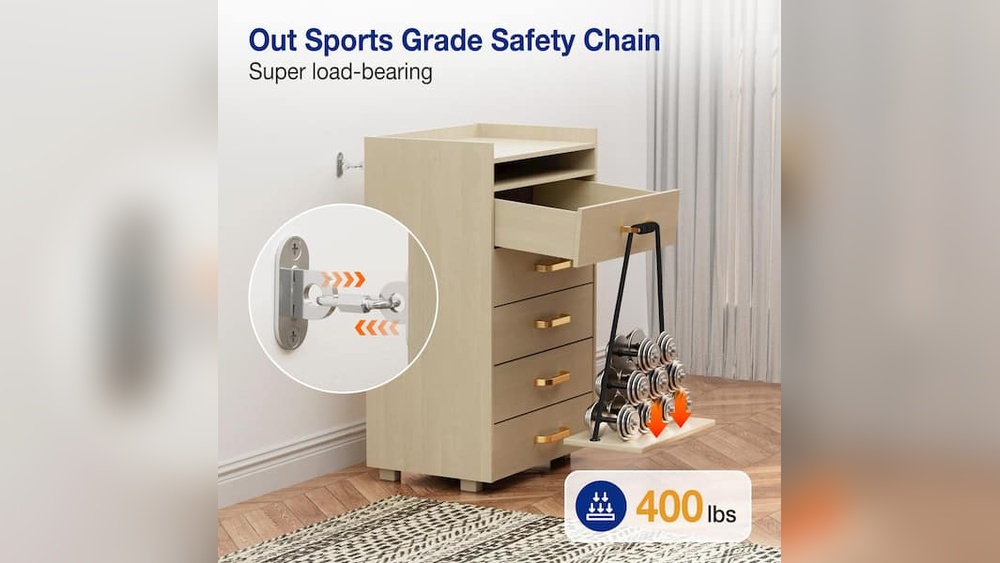
Are your cabinets feeling unstable or wobbly? Securing them to the wall is the key to making sure they stay safe and sturdy.
You don’t want your valuable items or kitchenware to come crashing down. In this guide, you’ll learn simple, step-by-step methods to anchor your cabinet firmly. Whether you’re a beginner or have some DIY experience, these tips will help you gain confidence and get the job done right.
Keep reading to discover how easy it can be to protect your space and avoid costly accidents.

Credit: diy.stackexchange.com
Choosing The Right Anchors
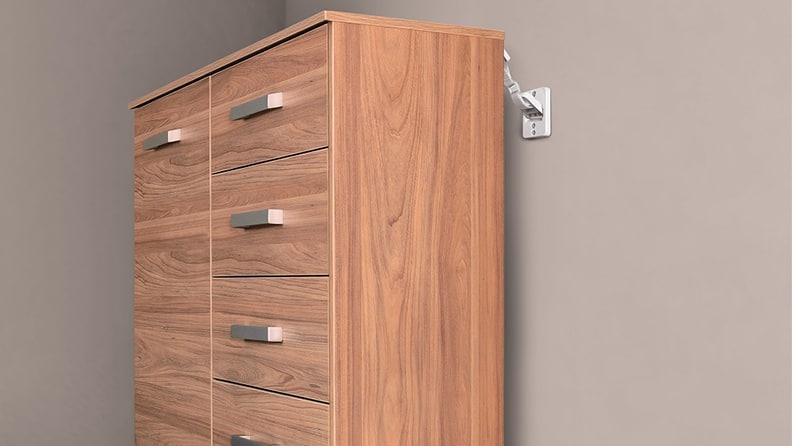
Choosing the right anchors is key to securing your cabinet safely. The correct anchor holds the cabinet firmly to the wall. It stops the cabinet from falling or shifting. Different walls need different anchors. Picking the right one can save time and effort.
Types Of Wall Anchors
Plastic anchors work well for light loads. They expand when a screw is driven in. Metal anchors are stronger and hold heavier items. Toggle bolts spread behind the wall for solid support. Molly bolts expand inside the wall cavity. Each type suits different tasks and wall types.
Matching Anchors To Wall Material
Drywall needs anchors that spread or grip inside. Use toggle bolts or molly bolts here. Concrete or brick walls require anchors that drill in. Use sleeve anchors or masonry screws. Wooden walls allow direct screwing into studs. Always check the wall type before choosing an anchor.
Weight Capacity Considerations
Check the weight your cabinet will hold. Choose anchors rated for at least that weight. Overloading anchors can cause them to fail. Use multiple anchors for extra heavy cabinets. Spread the weight evenly across all anchors. This keeps your cabinet safe and steady.
Credit: www.lowes.com
Preparing The Wall And Cabinet
Preparing the wall and cabinet is the first step in anchoring a cabinet securely. Proper preparation ensures the cabinet will stay safe and strong on the wall. This step involves finding the best places to attach the cabinet and marking those spots clearly. It also includes measuring the cabinet’s height and position carefully. Taking time to prepare well makes the installation easier and more stable.
Locating Wall Studs
Wall studs are the wooden beams behind drywall. They provide strong support for heavy cabinets. Use a stud finder tool to locate these studs. Slowly move the tool along the wall until it signals a stud. Mark the edges of each stud with a pencil. Make sure to find at least two studs for better stability. Avoid nailing only into drywall as it cannot hold weight well.
Marking Anchor Points
Anchor points show where screws will go. Use the cabinet’s mounting holes as a guide. Hold the cabinet against the wall at the desired height. Mark the wall where each hole meets a stud. Use a level to keep marks straight across. Double-check these marks before drilling or screwing. Clear anchor points help prevent mistakes during installation.
Measuring Cabinet Height And Position
Measure the height from the floor to where the cabinet bottom will sit. Use a tape measure and write down the number. Check the cabinet’s width to center it on the wall. Mark the cabinet’s top and bottom edges lightly on the wall. This helps keep the cabinet straight and even. Accurate measuring makes the cabinet look neat and fit well.
Gathering Necessary Tools
Before you start anchoring a cabinet to the wall, gather the right tools. Having the correct tools makes the job easier and safer. Each tool plays a key role in the process. Prepare everything in one place to avoid interruptions.
Drill And Drill Bits
A drill is essential for making holes in the wall and cabinet. Use drill bits that match the size of your screws. A good set of drill bits helps you work on different wall types. Choose sharp bits to make clean holes.
Screwdrivers And Screws
Screwdrivers help secure screws tightly. Have both flathead and Phillips head screwdrivers ready. Select screws that fit the cabinet and wall material well. Use screws long enough to hold the cabinet firmly.
Level And Measuring Tape
A level ensures the cabinet hangs straight. Measure the wall and cabinet carefully with a tape measure. Accurate measurements prevent mistakes and uneven placement. These tools help you install the cabinet perfectly.
Step-by-step Installation Process
Anchoring a cabinet to the wall is a task that requires careful steps. Each step helps make sure the cabinet is secure and safe. Follow this simple process to get the job done right.
Drilling Pilot Holes
Start by marking where the cabinet will go on the wall. Use a pencil to mark spots for screws. Drill small pilot holes in these spots. These holes guide the screws and stop the wall from cracking.
Inserting Wall Anchors
Push wall anchors into the pilot holes. Anchors hold screws tightly in drywall or plaster. Tap anchors gently with a hammer until flush with the wall. This step adds strong support for heavy cabinets.
Mounting The Cabinet
Lift the cabinet carefully and place it against the wall. Align the cabinet’s holes with the wall anchors. Have someone help hold the cabinet steady. Check the level to make sure it is straight.
Securing Screws Firmly
Insert screws through the cabinet holes into the wall anchors. Tighten screws with a screwdriver or drill. Make sure screws are firm but do not over-tighten. Proper tightening keeps the cabinet safe and stable.
Safety Tips For Secure Fixing
Securing a cabinet to the wall requires careful attention to safety. Proper fixing prevents accidents and protects your home. Following safety tips ensures the cabinet stays in place and works well over time.
Using Proper Protective Gear
Wear safety glasses to protect your eyes from dust and debris. Use gloves to avoid cuts and splinters. A dust mask helps keep you safe from inhaling particles. Dress in clothes that cover your skin fully. These simple steps keep you safe during installation.
Checking Stability After Installation
After fixing the cabinet, test its strength gently. Push and pull the cabinet to see if it moves. Look for loose screws or anchors. Tighten any loose parts immediately. A stable cabinet prevents falls and damage.
Avoiding Common Mistakes
Do not skip the step of finding wall studs. Anchoring only to drywall weakens support. Use the right anchors for your wall type. Avoid over-tightening screws that can crack the wall. Measure twice before drilling to prevent errors.
Troubleshooting Common Issues
Anchoring cabinets to the wall can sometimes cause problems. These issues often affect the cabinet’s safety and stability. Troubleshooting helps fix these problems quickly. It saves time and prevents damage to walls or cabinets.
Dealing With Weak Walls
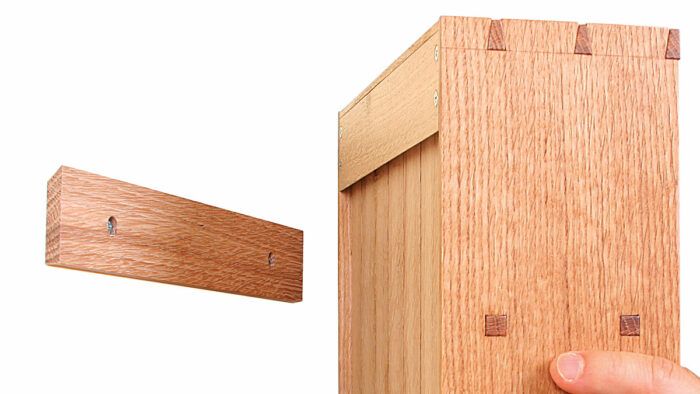
Weak walls can’t hold heavy cabinets well. Check if the wall crumbles or feels soft. Use a stud finder to locate strong studs behind the wall. Attach the cabinet directly to these studs for better support. If studs are missing, add a wooden board to spread the weight. This method helps keep cabinets secure on weak walls.
Fixing Loose Cabinets
Loose cabinets can wobble or fall off. Tighten all screws and bolts first. Check if the wall anchors are still firm. Replace any screws that are stripped or damaged. Use longer screws if the cabinet moves too much. Make sure the cabinet is level and flush with the wall. These steps make your cabinet steady again.
Replacing Damaged Anchors
Damaged anchors fail to hold cabinets properly. Remove the cabinet carefully to access the anchors. Pull out broken anchors with pliers or a screwdriver. Choose the right new anchors for your wall type. Plastic anchors work well on drywall, while metal ones fit masonry. Install the new anchors tightly before reattaching the cabinet. This ensures a strong hold.
Credit: www.finewoodworking.com
Frequently Asked Questions
How Do You Find Studs To Anchor A Cabinet?
Use a stud finder to locate wall studs behind drywall. Mark the stud positions with a pencil. Anchoring cabinets to studs ensures strong support and prevents damage.
What Type Of Screws Anchor Cabinets Best?
Use wood screws or cabinet mounting screws, 2. 5 to 3 inches long. They provide a secure hold in studs and prevent cabinet movement.
Can I Anchor Cabinets To Drywall Only?
No, drywall alone can’t support cabinet weight. Always anchor cabinets into wall studs or use heavy-duty anchors designed for drywall.
How High Should Cabinets Be Anchored On The Wall?
Anchor cabinets at the upper and lower studs within the cabinet frame. This distributes weight evenly and ensures the cabinet stays level and secure.
Conclusion
Anchoring a cabinet to the wall keeps it safe and steady. Start by finding the wall studs for strong support. Use the right tools and screws to secure the cabinet firmly. Take your time to measure and mark before drilling.
Following these steps helps avoid accidents and damage. A well-anchored cabinet lasts longer and holds weight better. This simple task improves your room’s safety and look. Try it yourself, and enjoy the confidence of a stable cabinet.


