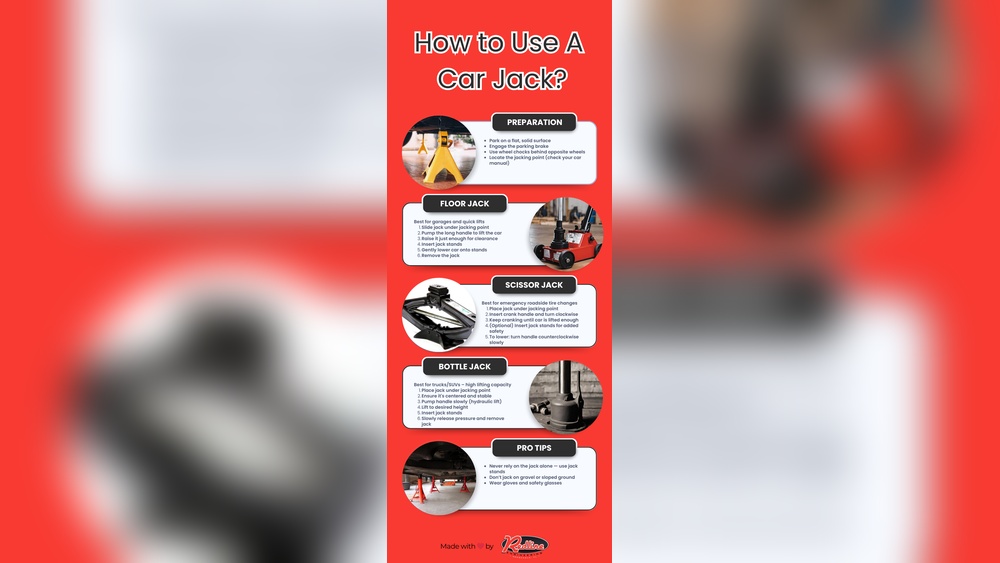
If you own a 4 ton Sears floor trolley jack, keeping it filled and ready to use is essential for your safety and efficiency. But do you know the right way to fill it?
Filling your jack correctly ensures smooth operation and prevents costly damage. In this guide, you’ll discover simple, step-by-step instructions that anyone can follow. By the end, you’ll feel confident maintaining your jack like a pro. Keep reading to learn how to extend the life of your tool and make every lift easier.
Tools And Materials Needed
Filling a 4 ton Sears floor trolley jack requires the right tools and materials. These help ensure the job is done safely and correctly. Having everything ready before starting saves time and avoids mistakes.
Each tool and material plays a specific role in the process. Using the proper supplies keeps the jack working smoothly and extends its life. Below are the main items needed for filling your floor trolley jack.
Hydraulic Jack Oil
Use hydraulic jack oil made for floor jacks. It must have the right viscosity for your jack to work properly. Avoid using motor oil or other fluids. They can damage the internal parts.
Clean Funnel
A clean funnel helps pour oil without spilling. It fits into the oil fill hole. This keeps the workspace tidy and prevents dirt from entering the jack.
Rags Or Paper Towels
Rags or paper towels clean spills and wipe the jack. They also help keep dirt away from the fill hole. Cleanliness is key to avoid contamination inside the jack.
Wrench Or Socket Set
A wrench or socket set removes the fill plug. You need the right size to avoid stripping the plug. This tool makes opening and closing the jack easy.
Safety Gloves
Wear safety gloves to protect your hands from oil and dirt. Gloves also improve grip on tools and parts. They keep your hands clean and safe during the job.
Safety Precautions
Always work on a flat, stable surface to keep the jack steady. Wear gloves and eye protection to avoid injuries. Check for leaks and never overload the jack beyond its limit.
Wear Protective Gear
Always wear gloves and safety glasses before starting. Gloves protect your hands from oil and dirt. Safety glasses shield your eyes from splashes.
Work On A Flat Surface
Place the trolley jack on a flat, stable surface. This stops it from moving or tipping over. Uneven ground can cause accidents during filling.
Keep The Area Ventilated
Open windows or work outside to avoid fumes. Hydraulic fluid can give off harmful vapors. Fresh air keeps you safe while filling the jack.
Use The Correct Hydraulic Fluid
Check the user manual for the right fluid type. Using the wrong fluid can damage the jack. Always pour slowly to avoid spills.
Avoid Overfilling
Fill only to the recommended level. Overfilling can cause leaks or jack failure. Use a clean cloth to wipe any excess fluid.
Keep Tools And Parts Clean
Clean tools prevent dirt from entering the jack. Dirt can clog the system and reduce performance. Always wipe the fill port before opening.
Locating The Oil Reservoir
Finding the oil reservoir on a 4 ton Sears floor trolley jack is simple. This part holds the hydraulic oil needed for smooth jack operation. Proper oil levels keep your jack working safely and effectively. Knowing exactly where to find the oil reservoir helps you maintain your jack better.
Most Sears floor jacks have a small cap or plug that covers the oil reservoir. This cap is easy to spot once you know what to look for. Usually, it sits near the base of the jack’s main body. It can be round or square and often has a clear mark or label.
Check Near The Jack’s Base
Start by examining the bottom area of the jack. The oil reservoir is often located near the hydraulic pump. Look for a small screw cap or plug on the side or top.
Look For A Plastic Or Metal Cap
The reservoir cap is usually plastic or metal. It may have a textured surface for grip. You can open it with your hand or a wrench.
Consult The User Manual
The user manual shows the exact location of the oil reservoir. It includes diagrams and instructions. Keep the manual handy for quick reference.
Draining Old Hydraulic Fluid
Draining old hydraulic fluid is an important step before refilling your 4 ton Sears floor trolley jack. Old fluid can contain dirt and debris that harm the jack’s performance. Removing it keeps the jack working smoothly and extends its life.
This process is simple but requires care. Make sure the jack is on a flat surface and use the right tools. Wear gloves to protect your hands from the fluid. Follow these steps to drain the old hydraulic fluid safely and cleanly.
Locate The Drain Plug
Find the drain plug at the base of the hydraulic cylinder. It is usually a small bolt. Use a wrench to loosen it slowly. Place a container underneath to catch the old fluid. This prevents spills and keeps your workspace clean.
Drain The Fluid Completely
Allow all the old fluid to flow out. This might take a few minutes. Tilt the jack slightly if needed to remove trapped fluid. Check that no more fluid is dripping before closing the drain plug.
Clean The Drain Plug
Wipe the drain plug clean before putting it back. Remove any dirt or rust. This ensures a tight seal and prevents leaks. Tighten the plug securely but avoid over-tightening to protect the threads.
Choosing The Right Hydraulic Fluid
Choosing the right hydraulic fluid is important for your 4 ton Sears floor trolley jack. The correct fluid helps the jack work smoothly and last longer. Using the wrong fluid can cause damage or poor performance. This guide will help you pick the best hydraulic fluid for your jack.
Understanding Hydraulic Fluid Types
Hydraulic fluids come in different types. Most floor jacks use either mineral-based or synthetic oil. Mineral oil is common and works well in many conditions. Synthetic oil lasts longer and performs better in extreme temperatures. Check your jack’s manual to see what type it needs.
Checking Fluid Viscosity
Viscosity means how thick or thin the fluid is. The right thickness helps the jack pump the fluid easily. Too thick fluid makes the jack slow. Too thin fluid can leak or not lift well. Use fluid with the viscosity recommended by Sears for your jack model.
Using The Manufacturer’s Recommendation
Always follow Sears’ guide for the hydraulic fluid type. The manual lists the exact fluid type and grade. Using recommended fluid keeps the warranty valid. It also ensures your jack works safely and efficiently.
Signs You Need To Change Fluid
Dark or dirty fluid means it is time to change it. Old fluid can cause rust or damage inside the jack. Changing fluid regularly keeps the jack in good shape. Clean fluid moves smoothly and protects the parts better.
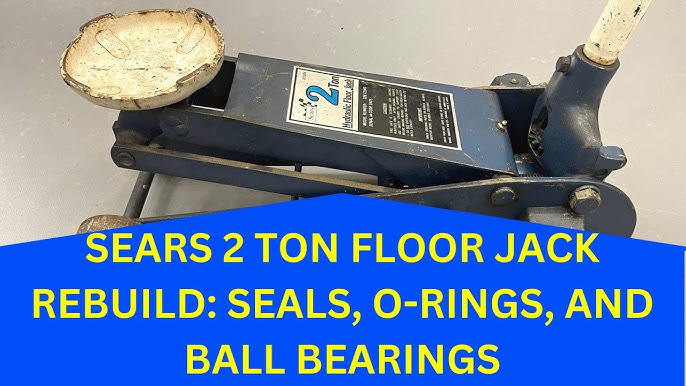
Credit: www.youtube.com
Filling The Hydraulic Fluid
Filling the hydraulic fluid is a key step in maintaining your 4 ton Sears floor trolley jack. The right fluid keeps the jack working smoothly and lifts safely. Without enough fluid, the jack may not raise properly or could get damaged.
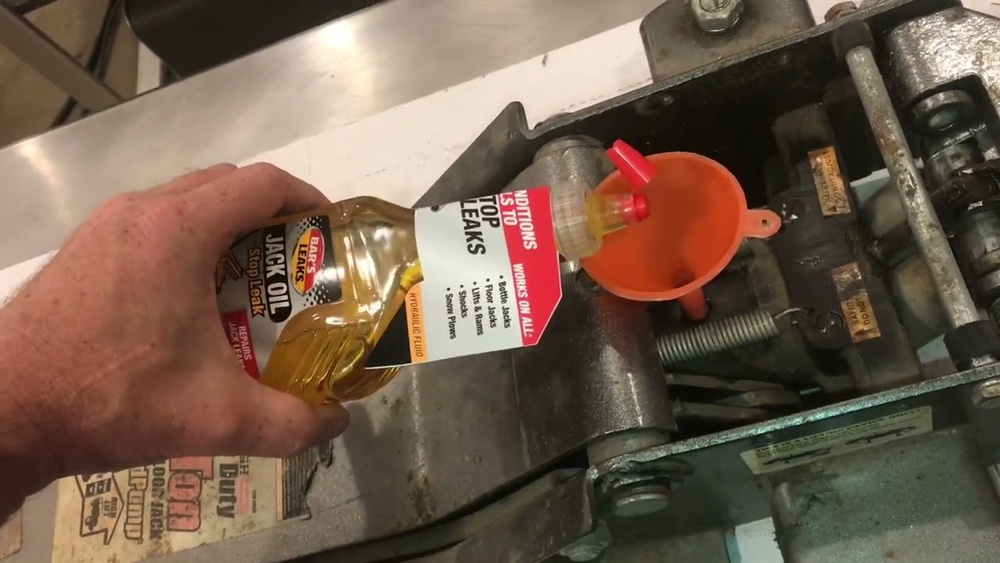
Use the correct hydraulic oil to ensure the jack performs well. Avoid using other liquids like motor oil or brake fluid. These can harm the internal parts and reduce the jack’s life.
Locate The Hydraulic Fluid Reservoir
Start by placing the jack on a flat surface. Look for the reservoir cap near the base. This cap is often small and round, sometimes marked with a symbol. Clean the area around the cap before opening to stop dirt from entering.
Remove The Reservoir Cap
Turn the cap counterclockwise to open it. Use a cloth to catch any spills. Keep the cap safe while filling the fluid. Do not force the cap open if it feels stuck; check for locks or screws.
Add The Hydraulic Fluid
Slowly pour the hydraulic fluid into the reservoir. Fill until the fluid reaches just below the top of the opening. Use a funnel to avoid spills. Stop pouring if the fluid starts to overflow.
Check The Fluid Level
Look inside the reservoir to check the fluid level. It should be near the top but not overfilled. Some jacks have a dipstick or a marked line. Keep the fluid at the recommended level for best results.
Replace The Reservoir Cap
Put the cap back on and turn clockwise until tight. Make sure it seals well to stop leaks. Wipe away any spilled fluid on the jack. Test the jack by pumping it to see if it lifts smoothly.
Bleeding Air From The Jack
Bleeding air from a 4 ton Sears floor trolley jack is important for its smooth operation. Air trapped inside the jack can cause it to lift unevenly or feel spongy. Removing this air improves the jack’s lifting power and safety. The process is simple and takes only a few minutes.
Preparing The Jack For Bleeding
Start by placing the jack on a flat surface. Make sure the release valve is fully closed. Pump the handle several times to build pressure. This helps push air bubbles toward the release valve.
Opening The Release Valve
Use a wrench or the handle to slowly open the release valve. This lets trapped air escape from the jack. Listen for a hissing sound, which means air is leaving. Close the valve tightly once no more air escapes.
Repeating The Pumping Process
After closing the valve, pump the handle again. This moves any remaining air toward the valve. Open the valve once more to let out more air. Repeat this cycle two or three times for best results.
Checking The Jack’s Operation
Test the jack by lifting a small load. It should lift smoothly without spongy feeling. If it still feels soft, repeat the bleeding steps. Proper bleeding ensures the jack works safely and efficiently.
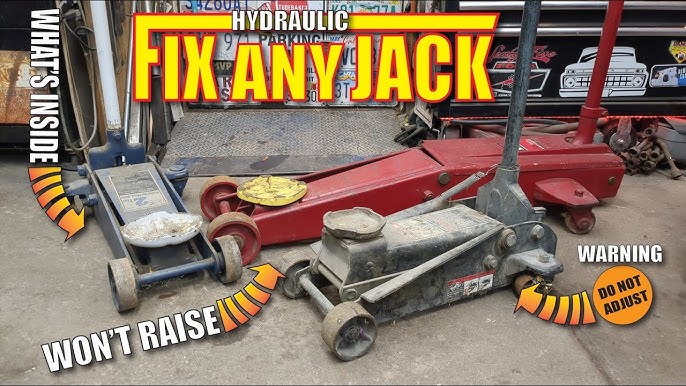
Credit: www.youtube.com
Testing The Jack For Proper Operation
Testing the jack for proper operation is a key step after filling your 4 ton Sears floor trolley jack. It ensures the jack works safely and lifts smoothly. This step helps spot problems early, avoiding accidents or damage during use.
Take your time and follow each test carefully. This helps confirm the jack is ready for lifting tasks. Proper testing keeps you safe and extends the jack’s life.
Checking For Smooth Lifting Motion
Start by pumping the handle slowly. The jack should rise evenly without jerks. Feel for any stiffness or strange noises. Smooth lifting means the fluid and parts work well.
Verifying The Jack Holds Load
Place a moderate weight on the jack saddle. Pump the handle to lift the weight. The jack must hold the load without dropping. If it slips, it needs adjustment or repair.
Inspecting For Fluid Leaks
Look under the jack for any oil spots. Leaks reduce lifting power and cause damage. Wipe the area dry and watch for new leaks during testing. No leaks means the seals are good.
Testing The Release Valve
Slowly open the release valve to lower the jack. The descent should be steady and controlled. Quick drops or no movement signal valve problems. Adjust the valve carefully for safe lowering.
Maintenance Tips For Longevity
Maintaining your 4 Ton Sears Floor Trolley Jack extends its life and keeps it working well. Regular care prevents problems and saves money on repairs. Follow simple steps to keep your jack safe and ready for use.
Check And Refill Hydraulic Fluid
Hydraulic fluid powers the jack’s lifting action. Check the fluid level often. Use the recommended oil type for your model. Refill carefully to avoid spills. Proper fluid levels ensure smooth lifting and avoid damage.
Clean The Jack Regularly
Dirt and dust can harm the jack’s moving parts. Wipe the jack clean after each use. Remove any debris from wheels and joints. Clean parts reduce wear and help the jack work smoothly.
Inspect For Damage
Look over the jack for cracks or leaks. Check the handle and lifting arm for bends. Early damage detection stops bigger problems. Replace or fix parts as soon as you find issues.
Lubricate Moving Parts
Lubrication reduces friction and wear. Use oil or grease on wheels and joints. Lubricate regularly to keep parts moving freely. Smooth parts mean easier and safer operation.
Store Properly After Use
Keep the jack in a dry, clean place. Avoid leaving it outside or in wet areas. Store with the lifting arm down to reduce pressure. Proper storage protects the jack from rust and damage.
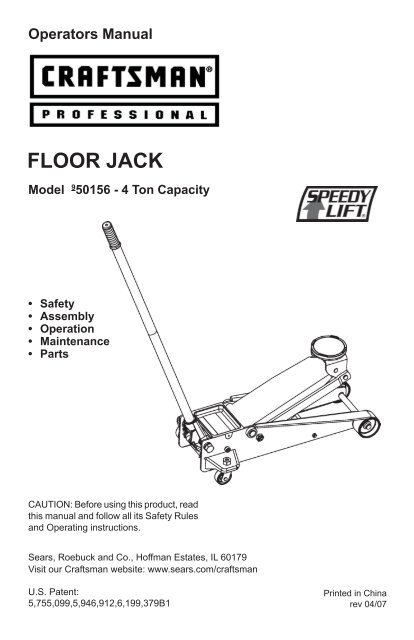
Credit: www.yumpu.com
Frequently Asked Questions
How Do I Prepare The 4 Ton Sears Floor Trolley Jack?
First, check the jack for damage or leaks. Place it on a flat surface. Make sure the release valve is closed before pumping.
How To Safely Position The Jack Under A Vehicle?
Locate the vehicle’s recommended lift points. Align the jack saddle under these points. Ensure the jack is stable before lifting.
What Is The Correct Way To Pump The Jack Handle?
Insert the handle into the release valve socket. Pump the handle up and down steadily. Raise the vehicle slowly and evenly.
How Do I Release Pressure From The Sears Trolley Jack?
Turn the release valve handle slowly counterclockwise. Lower the vehicle gently. Stop turning once the jack fully descends.
Conclusion
Filling your 4 ton Sears floor trolley jack keeps it working safely. Follow the steps carefully and use the right oil. Check for leaks and clean the jack before filling. Regular maintenance helps your jack last longer and lift smoothly.
Take your time and handle the jack with care. Doing this ensures your jack is ready when you need it most. Simple actions make a big difference in jack performance. Keep your tools in good shape for safer work every time.