Have you ever found yourself locked out, standing helpless outside your door with no key in hand? It’s a frustrating and stressful situation that can happen to anyone.
Knowing how to break a deadbolt from the outside without a key might sound like something only experts can do, but with the right methods, you can handle it safely and quickly. You’ll discover practical tips and tricks that could save you time, money, and worry when you need them most.
Keep reading to learn how to regain access without causing unnecessary damage or calling for expensive help.

Credit: www.youtube.com
Types Of Break Deadbolts
Deadbolts come in different types, each with unique features. Understanding these types helps in knowing how they can be broken from outside without a key. Some deadbolts offer more security, while others focus on convenience. Knowing the differences is useful for both homeowners and locksmiths.
Single Cylinder Deadbolts
Single cylinder deadbolts use a key outside and a thumb turn inside. They are common in many homes. The thumb turn allows quick exit during emergencies. These deadbolts can be vulnerable if there is a window near the door. Break-ins can happen by reaching through the window to turn the lock.
Double Cylinder Deadbolts
Double cylinder deadbolts require a key both outside and inside. This type adds extra security for doors with glass near the lock. It prevents unlocking from the inside without a key. The downside is it may delay exit during emergencies. These locks are harder to break without a key, but they still have weaknesses.
Keyless Deadbolts
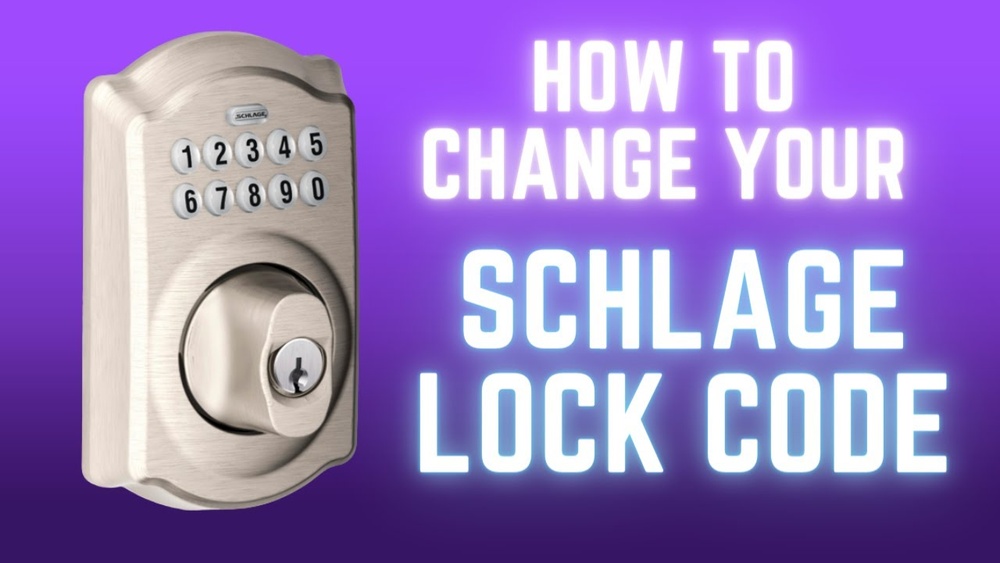
Keyless deadbolts use a code or fingerprint to unlock. They offer convenience without needing a physical key. Some models connect to smart devices for remote access. Breaking these locks often needs special tools or hacking skills. Their electronic parts can fail, but physical force is usually required to break them.

Credit: www.wikihow.com
Tools Needed For Breaking A Deadbolt
Breaking a deadbolt from outside without a key requires specific tools. These tools vary from simple hand tools to advanced power devices. Knowing which tools to use helps in handling the lock carefully and effectively.
Each tool serves a different purpose. Basic hand tools can help with force and leverage. Specialized lock picking tools focus on manipulation. Power tools speed up the process but need caution.
Basic Hand Tools
Basic hand tools include screwdrivers, hammers, and pliers. Screwdrivers help pry open the lock or remove screws. Hammers can break weak parts of the lock. Pliers assist in gripping and twisting pieces. These tools are easy to find and use.
Specialized Lock Picking Tools
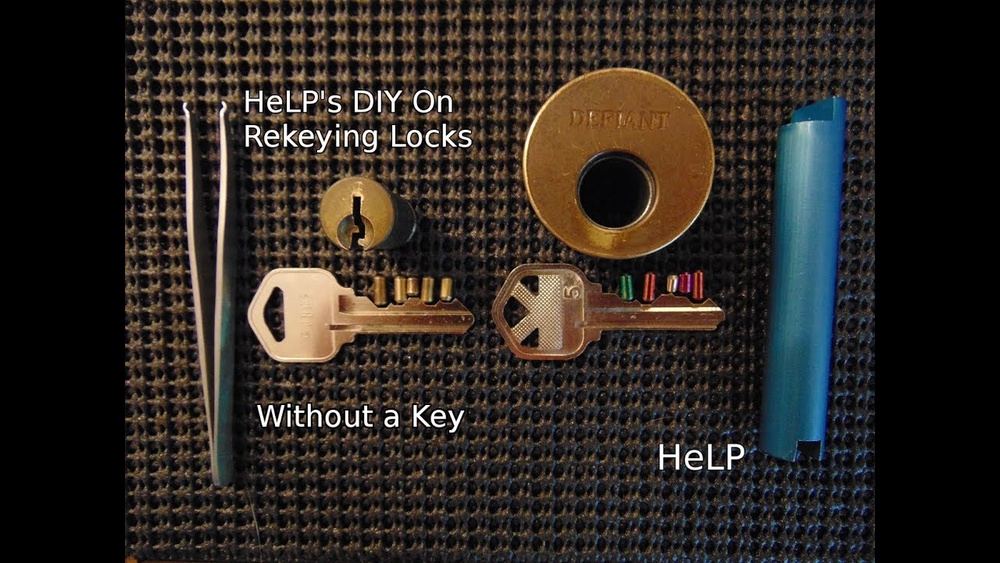
Lock picking tools are designed to manipulate the lock pins. Picks, tension wrenches, and rakes fall into this category. Picks lift the pins inside the lock one by one. Tension wrenches apply pressure to turn the lock cylinder. Rakes move pins quickly to try opening the lock fast. These tools need some skill to work properly.
Power Tools
Power tools make breaking a deadbolt faster and easier. Drills and rotary tools are common choices. Drills bore holes through the lock cylinder to stop it from working. Rotary tools cut or grind parts of the lock. These tools require care to avoid damage beyond the lock. Safety gear is important when using power tools.
Safe Techniques To Bypass Deadbolts
Deadbolts are strong and secure, but there are safe ways to bypass them without a key. These methods require patience and care. They help in emergencies or when keys are lost. Learning these techniques can save time and avoid damage to doors.
Each method uses simple tools and basic skills. Practice is important to get good results. Use these techniques only on your own property or with permission.
Lock Picking Methods
Lock picking involves using small tools to move pins inside the lock. The goal is to mimic the key’s shape. It takes steady hands and focus. A tension wrench applies slight pressure while a pick lifts the pins. When all pins are set, the lock turns open. Practice kits are available for beginners. This method does not harm the lock if done carefully.
Using A Bump Key
A bump key fits many locks of the same type. It has all cuts at the lowest depth. The key is inserted fully, then bumped with a small tool. This action causes the pins to jump. The lock can then be turned open quickly. This technique works best on standard pin tumbler locks. Handle bump keys responsibly and legally.
Bypassing With A Credit Card
This method works only on spring bolt locks, not deadbolts. Slide a flexible card between the door and frame. Push the card against the latch while turning the handle. The card pushes the latch back, allowing the door to open. Thin plastic cards work better. Avoid this on metal deadbolts or high-security locks. It is a simple and non-destructive technique.
Forceful Methods And Their Risks
Breaking a deadbolt from outside without a key often involves forceful methods. These methods can damage the lock, door, and frame. They also carry safety risks for the person trying them.
Understanding these risks helps you decide if force is the right choice. It also shows why professional help is usually safer and more effective.
Drilling The Lock
Drilling destroys the lock’s internal parts. It makes the deadbolt useless and opens the door. This method is quick but loud and messy. Metal shards can cause injury. Drilling also ruins the lock, requiring a full replacement.
Using A Crowbar
A crowbar forces the door or frame apart. It applies strong leverage to break the lock or door. This method can damage the door frame and wall. It risks splinters and sharp edges. Using a crowbar needs strength and care to avoid accidents.
Impact Tools
Impact tools include hammers and battering rams. They deliver strong hits to the lock or door. This can shatter the lock or door material. Impact tools cause loud noise and visible damage. They can also hurt hands or fingers if used wrong.
Legal And Ethical Considerations
Breaking a deadbolt from outside without a key raises serious legal and ethical questions. It is important to understand when this action is allowed and what risks it involves. Respect for property and laws must guide your decisions.
When Breaking A Deadbolt Is Permissible
Breaking a deadbolt is allowed in certain situations. For example, if you own the property or have the owner’s permission. Emergencies like fire or medical danger can justify it too. Always confirm you have the right to enter before proceeding.
Potential Legal Consequences
Breaking a lock without permission can lead to legal trouble. Charges like trespassing or property damage may apply. Courts take unauthorized entry seriously. Always consider the possible penalties before breaking a deadbolt.
Seeking Professional Help
Calling a locksmith or professional is the safest option. They use proper tools and methods that avoid damage. Professionals can verify your ownership and act within the law. This reduces risks and ensures the task is done correctly.
Preventing Lockouts In The Future
Lockouts can cause stress and waste time. Preventing them saves trouble and keeps you safe. Taking small steps helps avoid breaking your deadbolt from outside without a key. Here are easy ways to stop lockouts in the future.
Spare Keys And Hideouts
Keep spare keys in safe, hidden spots near your home. Use places that only you know, like under a flower pot or inside a fake rock. Share spare keys with trusted neighbors or family members. This simple step helps you get inside without damage or waiting for a locksmith.
Smart Lock Alternatives
Smart locks offer keyless entry with codes or apps. They reduce the chance of losing keys. Choose models with backup power or mechanical keys. Smart locks give control and convenience but require good setup and maintenance to work well.
Routine Maintenance Tips
Check your locks regularly to keep them working smoothly. Clean and lubricate the deadbolt with graphite or silicone spray. Avoid oil-based products that attract dirt. Fix any loose screws and replace worn parts quickly. Well-maintained locks reduce the risk of jamming or breaking.

Credit: www.lexusofmelbourne.com
Frequently Asked Questions
How Can I Break A Deadbolt From Outside Without A Key?
You can use tools like a bump key, lock pick set, or a drill. However, these methods require skill and caution to avoid damage.
Is It Legal To Break A Deadbolt Lock Without A Key?
Breaking a lock without permission is illegal. Only attempt if you own the property or have authorization to avoid legal issues.
What Tools Are Needed To Break A Deadbolt Lock?
Common tools include bump keys, lock picks, drills, and crowbars. Each tool suits different methods and requires specific knowledge to use.
Can I Break A Deadbolt Lock Without Damaging The Door?
Non-destructive methods like lock picking or bump keys minimize damage. Drilling or force can damage the door and lock mechanism.
Conclusion
Breaking a deadbolt from outside without a key can be tricky. Always try safe and legal ways first. Use simple tools and careful steps to avoid damage. Stay calm and patient during the process. Remember, forcing a lock may cause problems later.
Sometimes, calling a professional is the best choice. Protect your home by keeping spare keys handy. Knowing these tips helps in emergencies. Stay safe and handle locks with care.