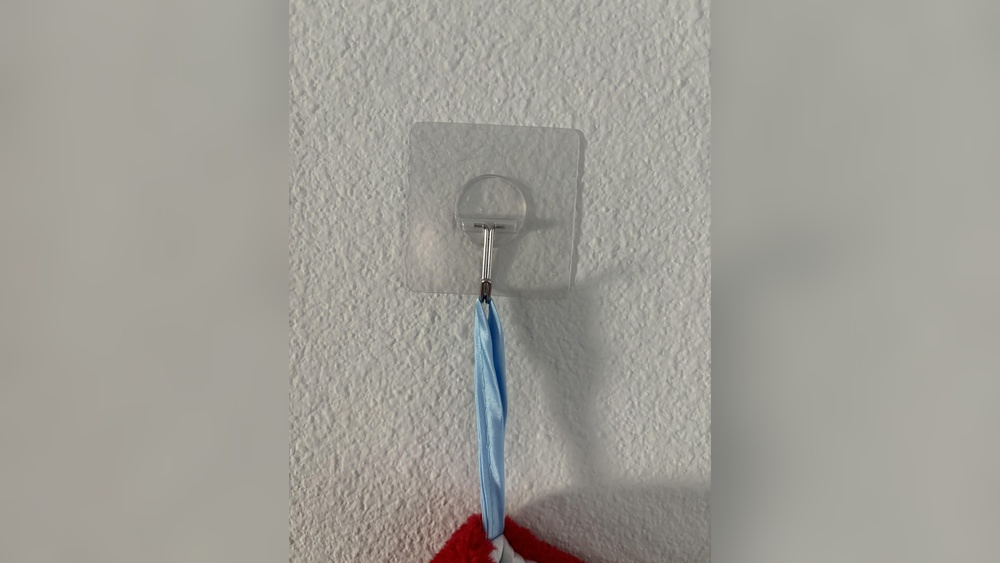
Have you ever struggled to remove adhesive hooks from your walls without ruining the paint? You’re not alone.
Those handy hooks can leave behind sticky residue or even peel off your paint if you’re not careful. But don’t worry—there are simple, effective ways to take them down cleanly. You’ll discover easy steps to remove adhesive hooks without damaging your walls.
Keep reading, and you’ll save time, avoid frustration, and keep your paint looking fresh.

Credit: www.reddit.com
Choosing The Right Adhesive Hook
Choosing the right adhesive hook helps protect your walls and paint. A proper hook holds items securely without leaving marks. It also removes easily without damage. Knowing which hook fits your needs makes hanging items safe and simple.
Types Of Adhesive Hooks
Adhesive hooks come in many types. Some use sticky pads, others use strips. Plastic hooks suit light items like keys or small towels. Metal hooks hold heavier objects like kitchen tools or coats. Some hooks have removable adhesive to avoid paint damage. Pick a type based on your wall and item weight.
Weight Limits And Surface Compatibility
Every hook has a weight limit. Exceeding it risks falling and wall damage. Check the package for weight ratings before buying. Surface matters too. Smooth surfaces like painted walls or tiles work best. Textured or rough walls may reduce adhesion. Choose hooks made for your wall type to keep paint safe.
Credit: thehomesihavemade.com
Preparing To Remove Hooks
Removing adhesive hooks from walls needs care. Proper preparation helps protect your paint and wall surface. Taking a few simple steps makes the process smooth and damage-free.
Gathering Necessary Tools
Start by collecting tools before removing hooks. You will need a hairdryer or heat gun to soften the adhesive. A plastic card or old credit card helps gently lift the hook. Keep a clean cloth or sponge ready to wipe off any residue. Having all these tools at hand saves time and prevents damage.
Protecting Surrounding Areas
Protect areas around the hook to avoid accidental marks. Cover nearby furniture or floors with a cloth or plastic sheet. This keeps surfaces safe from falling adhesive or heat. Use painter’s tape around the hook edge to shield the paint. Small steps like these prevent unwanted damage and mess.
Safe Removal Techniques
Removing adhesive hooks from walls can be tricky. Pulling too hard may peel off paint or damage the surface. Safe removal methods help protect your wall while taking off hooks. These techniques focus on gentle removal and reducing stress on the paint. Try these easy and effective ways to remove hooks without damage.
Slow Pull Method
Start by holding the hook firmly. Pull the hook slowly and steadily. Avoid sudden or fast movements. Stretch the adhesive strip gently along the wall. Keep pulling until the adhesive releases completely. This method reduces stress on the paint. It works well for most adhesive hooks.
Heat Application Method
Use a hairdryer on low or medium heat. Aim warm air directly at the adhesive strip. Heat softens the glue for easier removal. Move the dryer back and forth for even heating. Wait a few seconds before pulling the hook. Pull slowly to avoid paint damage. Heat helps release the adhesive cleanly.
Using Dental Floss Or Fishing Line
Take a piece of dental floss or fishing line. Slide it gently behind the hook base. Use a sawing motion to cut through the adhesive. Keep the floss close to the wall surface. This method avoids pulling on the paint. It is useful for stubborn hooks. Work slowly and carefully for best results.
Dealing With Stubborn Adhesive Residue
Removing adhesive hooks can leave sticky residue on your walls. This residue is often stubborn and hard to clean. It can damage the paint if not handled carefully. Use gentle methods to protect your wall’s finish. Here are some safe ways to deal with sticky residue without harming your paint.
Using Rubbing Alcohol Or Vinegar
Rubbing alcohol and vinegar work well to break down adhesive. Dab a small amount on a clean cloth. Gently rub the sticky area in circles. Let it sit for a few minutes to soften the residue. Wipe it away with a soft cloth. Repeat if needed, but avoid soaking the wall.
Applying Oil-based Removers
Oil-based products like baby oil or cooking oil help loosen adhesive. Apply a few drops to the sticky spot. Allow the oil to sit for 5 to 10 minutes. Use a cloth to rub the residue gently. The oil breaks down the glue without harming paint. Clean the area with mild soap and water afterward.
Commercial Adhesive Removers
Some commercial adhesive removers are safe for painted walls. Choose one labeled non-toxic and paint-friendly. Test it on a small hidden area first. Apply the remover with a soft cloth to the residue. Let it work for the time on the label. Wipe off the residue and clean the surface. Follow product instructions carefully to avoid damage.
Preventing Paint Damage
Removing adhesive hooks can be tricky. Paint on walls can peel off if you are not careful. Taking steps to protect the paint keeps your walls looking fresh and clean. Gentle methods help keep the paint intact during hook removal.
Small actions make a big difference in avoiding paint damage. Testing your approach first and using the right tools matters most. Sometimes, a little touch-up paint can fix minor flaws. Following simple steps ensures your walls stay smooth and vibrant.
Testing Methods On Hidden Areas
Try your removal method on a hidden spot first. This helps see if the paint will peel or stay firm. Use a small piece of tape or adhesive on an unseen corner. Pull it off gently to check the paint condition. This test avoids surprises on visible wall parts.
Avoiding Sharp Tools
Never use knives or sharp objects to scrape off hooks. These tools easily scratch or chip the paint. Use plastic cards or a soft cloth to loosen adhesive gently. Heat from a hairdryer can soften glue safely. Always work slowly and with care.
Repainting Tips If Needed
Sometimes small paint chips happen despite care. Use matching paint for quick touch-ups. Dab paint lightly with a soft brush or sponge. Let the paint dry fully before touching the area. This simple fix keeps walls looking neat and fresh.

Credit: www.reddit.com
Tips For Future Hook Use
Using adhesive hooks can keep your walls neat and organized. Taking care during future use helps keep paint intact. Follow these tips to avoid damage and enjoy easy removal later.
Choosing Damage-free Hooks
Select hooks made for easy removal without harming walls. Look for options labeled damage-free or removable. Hooks with adhesive strips or gels work best. Avoid nails or screws that leave holes. Choose the right size for your wall and item weight. Using the proper hook reduces risk of paint damage.
Proper Installation And Removal Practices
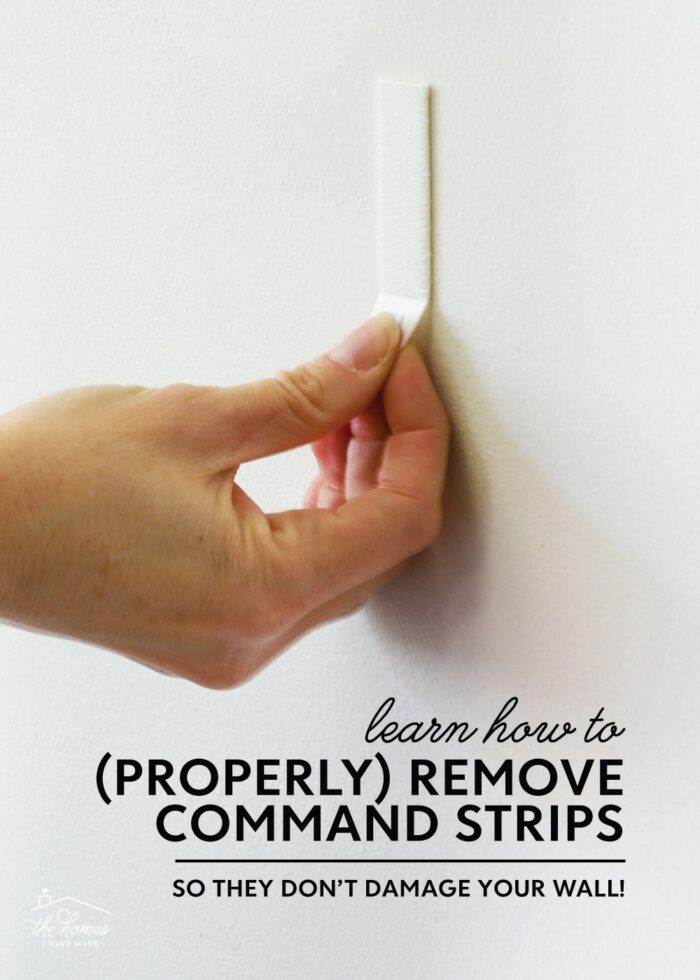
Clean the wall surface before applying the hook. Dirt or moisture weakens the adhesive. Press the hook firmly to stick well. Wait the recommended time before hanging anything. When removing, pull the adhesive strip slowly downwards. This method helps release the hook without peeling paint. Avoid yanking or pulling the hook straight out. Proper care extends wall and hook life.
Frequently Asked Questions
How Can I Remove Adhesive Hooks Without Peeling Paint?
To avoid peeling paint, gently pull the hook’s tab straight down, not outward. Use heat from a hairdryer to soften the adhesive before removal. This method minimizes wall damage and keeps your paint intact.
What Tools Help Remove Adhesive Hooks Safely?
A hairdryer, dental floss, or a plastic scraper can safely remove adhesive hooks. Heat softens the glue, floss cuts through adhesive, and a scraper helps lift the hook gently without scratching the paint.
Is It Safe To Use Heat On Painted Walls?
Yes, using moderate heat from a hairdryer is safe. It softens the adhesive, making hook removal easier. Avoid excessive heat to prevent paint bubbling or discoloration.
Can Adhesive Hooks Damage Freshly Painted Walls?
Yes, adhesive hooks can damage fresh paint by peeling or lifting it. Wait at least two weeks after painting before applying hooks. This ensures the paint has fully cured and reduces damage risk.
Conclusion
Removing adhesive hooks without harming paint takes patience and care. Use gentle heat or oil to loosen the glue. Pull slowly and steadily to avoid peeling paint. Clean any leftover residue with mild soap and water. Small efforts keep your walls looking fresh and smooth.
Try these tips next time you want to remove hooks safely. Your walls will thank you. Simple steps, better results.