Are you tired of struggling with weak wall hangings that just won’t stay put? Installing plastic wall anchors is the simple trick you need to make your shelves, pictures, or hooks secure and sturdy.
Whether you’re a beginner or just want to get it right the first time, this guide will show you exactly how to install plastic wall anchors easily and effectively. Keep reading, and you’ll gain the confidence to handle your next project like a pro—no more worrying about falling decorations or loose fixtures!
Credit: www.youtube.com
Types Of Plastic Wall Anchors
Plastic wall anchors come in several types, each designed for different uses and wall materials. Choosing the right anchor helps secure objects safely. Understanding these types simplifies your installation process.
Expansion Anchors
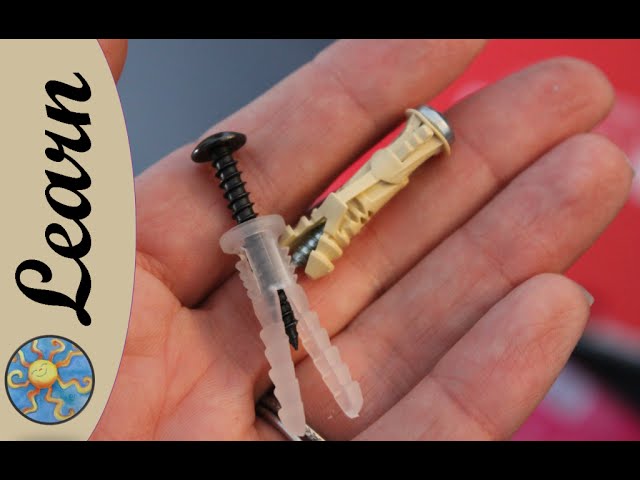
Expansion anchors are the most common plastic wall anchors. They work by expanding inside the wall as you insert the screw. This expansion creates a tight grip. Ideal for drywall and hollow walls. Easy to install with just a drill and screwdriver.
Threaded Anchors
Threaded anchors look like large screws made of plastic. They have sharp threads that grip the wall firmly. You screw them directly into drywall without a pilot hole. Best for light to medium loads. They hold well and are easy to remove.
Toggle Anchors
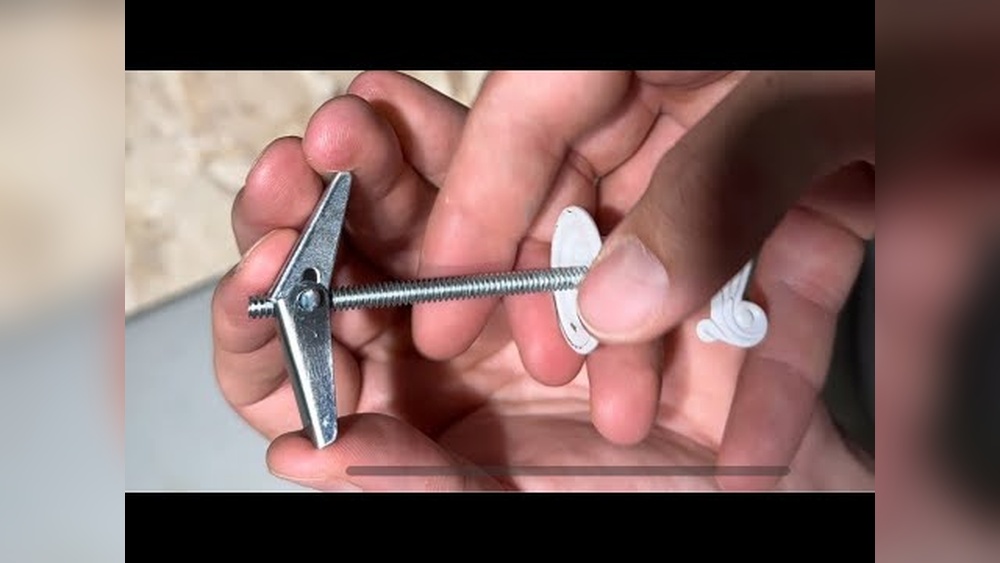
Toggle anchors have a plastic toggle that opens inside the wall cavity. This toggle spreads the load over a larger area. Perfect for heavier items on hollow walls. Installation requires a larger hole but offers strong support. Use these for shelves and mirrors.
Tools Needed For Installation
Installing plastic wall anchors needs a few simple tools. These tools help make the process safe and easy. Having the right tools ensures the anchors hold firmly in the wall.
Drill And Drill Bits
A drill is needed to make holes in the wall. Use drill bits that match the anchor size. This creates a perfect fit for the anchor. Without a drill, making clean holes is very hard.
Screwdriver
A screwdriver helps to screw the anchor and the screw. Choose a screwdriver that fits the screw head well. It makes driving screws easier and prevents damage to the anchor.
Hammer
A hammer helps to tap the plastic anchor into the hole. Light taps push the anchor in without cracking it. This step keeps the anchor secure before screwing.
Measuring Tape
Measuring tape is used to mark where to drill. Accurate measurements ensure the anchor goes in the right spot. It helps keep your project neat and balanced.
Choosing The Right Anchor Size
Choosing the right size of plastic wall anchors is key for a strong hold. The anchor must fit the screw and wall type perfectly. A wrong size can cause weak support or damage. Understanding how to pick the right size helps your project last longer and stay safe.
Matching Anchor To Screw
Plastic anchors come in different sizes for different screws. Choose an anchor that matches your screw diameter. If the anchor is too big, the screw will not fit. If too small, the anchor may split or fail. Always check the package for size guidelines. Use the anchor and screw sizes recommended for your task.
Considering Wall Material
Wall type changes the anchor size you need. Drywall needs bigger anchors than solid walls. Hollow walls require anchors that expand inside the cavity. For brick or concrete, use anchors made for hard surfaces. Know your wall type before picking an anchor. This step ensures the anchor holds tight and lasts long.

Credit: www.picturehangsolutions.com
Preparing The Wall
Preparing the wall is the first step to install plastic wall anchors correctly. This step ensures the anchors hold firmly and safely. Proper preparation prevents damage to your wall and makes the installation process smooth.
Marking Drill Points
Start by deciding where the anchors will go. Use a pencil to mark the exact spots on the wall. Measure twice to make sure the marks are even and straight. Check the wall for any pipes or wires behind the surface. Marking carefully helps avoid mistakes and keeps the wall safe.
Drilling Holes Correctly
Choose a drill bit that matches the size of the wall anchor. Hold the drill steady and drill straight into the marked points. Drill only as deep as the anchor length to avoid extra holes. Remove dust from the hole to help the anchor fit tight. Drilling right is key for strong support.
Installing Plastic Anchors
Installing plastic wall anchors is key for a strong hold in drywall or masonry. These anchors help screws grip better and hold heavier items safely. Follow simple steps to insert and secure the anchors correctly. Proper installation prevents damage and ensures stability.
Inserting The Anchor
Start by drilling a hole the same size as the anchor. The hole should be clean and free of dust. Push the plastic anchor gently into the hole. Use your fingers or a small hammer to tap it in if needed. The anchor must sit flush with the wall surface. Avoid forcing it too deep or leaving it too loose.
Securing The Anchor
Place the screw into the anchor carefully. Turn the screw slowly using a screwdriver. The anchor will expand inside the wall as the screw goes in. This expansion locks the anchor in place. Stop tightening when the screw feels firm and secure. Do not overtighten to avoid damaging the anchor or wall.
Attaching Fixtures
Attaching fixtures to walls using plastic wall anchors ensures a strong hold. This process keeps your items secure and prevents damage to the wall. Follow clear steps for the best results and safety.
Aligning Screws With Anchors
Start by placing the fixture’s holes over the plastic anchors. Make sure the screws match the size of the anchors. This alignment helps the screw enter the anchor smoothly. It avoids breaking or loosening the anchor in the wall. Hold the fixture steady while inserting screws. Proper alignment keeps the fixture tight against the wall.
Tightening Screws Safely
Use a screwdriver or drill with low speed to tighten screws. Turn screws slowly to avoid stripping the anchor or wall. Stop tightening as soon as the fixture feels secure. Over-tightening can damage the wall or anchor. Check the fixture for any movement after tightening. Secure fixtures last longer and hold weight better.
Tips For Strong Support
Strong support is key when installing plastic wall anchors. It keeps your items safe and secure. Follow simple tips to get the best hold.
Small mistakes can make anchors fail. Proper care ensures long-lasting strength and safety.
Avoiding Over-tightening
Do not tighten screws too much. Over-tightening can crack the anchor or wall. Turn the screw slowly and stop when it feels firm. This keeps the anchor stable without damage.
Checking Weight Limits
Always check the weight limit on the anchor package. Exceeding this can cause the anchor to pull out. Use anchors designed for your specific load. This ensures strong and safe support.

Credit: www.youtube.com
Troubleshooting Common Issues
Troubleshooting common issues helps keep your plastic wall anchors secure. Small problems can cause anchors to fail. Fixing these issues saves time and effort. Here are some common problems and easy solutions to try.
Loose Anchors
Loose anchors happen when the hole is too big. The anchor cannot grip the wall tightly. To fix this, remove the anchor and use a smaller drill bit. Drill a new hole that fits the anchor snugly. Reinsert the anchor and check if it feels firm.
Wall Damage
Wall damage occurs if the drill slips or the hole is too large. Cracks or crumbled drywall can weaken the anchor hold. Patch damaged areas with wall filler before installing anchors again. Let the filler dry completely. Drill carefully to avoid further damage.
Anchor Pullout
Anchors pull out when the load is too heavy or the anchor is wrong type. Use anchors rated for the item’s weight. For heavier items, choose metal anchors or toggle bolts. Tighten screws slowly to avoid pulling the anchor out. Check the anchor holds firmly before hanging anything.
Frequently Asked Questions
What Tools Are Needed To Install Plastic Wall Anchors?
You need a drill, drill bit, screwdriver, and the plastic anchors. These tools help create holes and secure anchors properly.
How To Choose The Right Size Plastic Wall Anchor?
Select an anchor size based on screw diameter and wall thickness. Match the anchor to the weight of the object you’ll hang.
Can Plastic Wall Anchors Support Heavy Items?
Plastic anchors support light to medium weights, usually under 50 pounds. For heavier items, use metal anchors or toggle bolts.
How Do You Prepare The Wall For Anchor Installation?
Clean the wall surface and mark the drilling spot. Use a drill bit that matches anchor size for accurate holes.
Conclusion
Plastic wall anchors help hold screws firmly in drywall or plaster. Installing them is simple and quick with the right steps. Drill a hole, insert the anchor, then screw in carefully. This method prevents damage and keeps items secure. Using plastic anchors adds strength and stability to your walls.
Follow the steps, take your time, and your project will last. Small effort, big difference. Now, you can hang shelves, pictures, or hooks with confidence.