Hanging hooks in plaster walls can feel tricky if you don’t know the right steps. You want your hooks to hold up heavy items without damaging your walls.
Imagine avoiding cracks, holes, or hooks that fall down after just a few days. In this guide, you’ll learn simple, effective ways to hang hooks securely and safely. By the end, you’ll have the confidence to add hooks anywhere in your home, making your space more organized and stylish.
Keep reading to discover the easy tricks that make all the difference.

Credit: www.amazon.com
Choosing The Right Hooks
Choosing the right hooks for plaster walls is important for a secure hold. Plaster walls are fragile compared to drywall. The wrong hooks can cause cracks or fall off easily. You need hooks that fit the wall type and the weight of your items. This section guides you through picking the best hooks for your plaster walls.
Types Of Hooks For Plaster Walls
There are many hook types for plaster walls. Picture hooks have thin pins that cause less damage. Adhesive hooks stick without nails but hold light items only. Screw-in hooks offer strong support for heavier items. Toggle bolts spread weight inside the wall for very heavy objects. Choose hooks designed specifically for plaster walls.
Weight Capacity Considerations
Check the weight of the item before selecting hooks. Light items like keys need small hooks. Medium-weight objects like picture frames need stronger hooks. Heavy items like shelves need heavy-duty anchors. Overloading hooks can damage plaster or cause falls. Always pick hooks with weight limits above your item’s weight.
Materials To Avoid
Avoid hooks made of soft metals that bend easily. Plastic hooks often break or fall off plaster walls. Large nails can crack plaster around the hole. Thin wire hooks may not support much weight. Use hooks made of sturdy metal or strong plastic with good reviews. Proper material helps keep your wall safe and your items secure.

Credit: www.amazon.com
Tools And Materials Needed
Hanging hooks on plaster walls needs the right tools and materials. Choosing the right items helps you avoid damage and hold the hooks firmly. Prepare everything before starting the work for a smooth process.
Essential Tools
First, you need a drill with a masonry bit. This helps to make holes in hard plaster. A screwdriver or drill driver is also necessary to insert screws. A tape measure measures the exact spot for the hook. Use a pencil to mark the wall. A level ensures hooks hang straight. A stud finder helps find wooden beams behind the plaster.
Recommended Anchors And Screws
Plastic wall anchors work well for light hooks. For heavier hooks, use metal anchors or toggle bolts. These hold better in plaster and prevent cracking. Choose screws that fit the anchors. Usually, 6 or 8 screws work well. Make sure screws are long enough to grip the anchor firmly.
Safety Gear
Wear safety glasses to protect your eyes from dust. Use a dust mask to avoid breathing plaster particles. Gloves protect your hands while handling tools. Work in a well-ventilated area to stay safe. Safety helps you focus and finish the job quickly.
Preparing The Wall
Preparing the wall is the first step in hanging hooks on plaster walls. A well-prepared wall ensures your hooks stay secure and avoid damage. Taking time to prepare helps prevent accidents and costly repairs. Follow these simple steps before you drill or hammer.
Locating Studs
Studs are the wooden beams behind plaster walls. They provide strong support for heavy hooks. Use a stud finder to locate them. Move the tool slowly along the wall. Mark the edges and center of each stud. Hooks anchored in studs hold weight better.
Marking Hook Positions
Decide where to place your hooks. Use a pencil to mark spots on the wall. Measure carefully to keep spacing even. Check the height so hooks are easy to reach. Clear marks help guide your drilling or nailing.
Checking For Wiring And Pipes
Wires and pipes often run behind plaster walls. Drilling into them can cause damage or injury. Use a wire detector to find hidden electrical wires. Avoid marked areas with pipes or cables. Double-check before making holes to stay safe.
Drilling Into Plaster Walls
Drilling into plaster walls needs care and the right tools. Plaster can crack or crumble if you are not careful. Using the correct method helps you hang hooks safely and securely. This section guides you through the best steps to drill into plaster walls without damage.
Choosing The Right Drill Bit
Pick a drill bit made for plaster or masonry. A carbide-tipped bit works well. Use a smaller bit first to make a pilot hole. This helps to avoid large cracks. Avoid using wood or metal bits as they may damage plaster.
Drilling Technique
Start drilling slowly to keep control. Hold the drill steady and straight. Do not push too hard; let the bit do the work. Drill in short bursts to prevent heat buildup. Stop if you feel resistance or cracking sounds.
Preventing Wall Damage
Place masking tape over the spot before drilling. This reduces plaster chipping around the hole. Use a vacuum or brush to remove dust often. Check the wall for cracks before and after drilling. If cracks appear, stop and try a new spot.
Installing Anchors And Hooks
Installing anchors and hooks in plaster walls is key to holding items safely. Plaster can crack if you do not use the right tools and steps. This section guides you through the proper way to place anchors and hooks. Follow these steps to ensure a strong hold without damage.
Inserting Anchors Properly
Choose the right anchor for plaster walls, usually plastic or metal. Start by drilling a small hole where you want the hook. Make sure the hole matches the anchor size. Gently push the anchor into the hole. Tap it lightly with a hammer until it sits flush with the wall. Avoid forcing it too hard to prevent cracking.
Securing Hooks
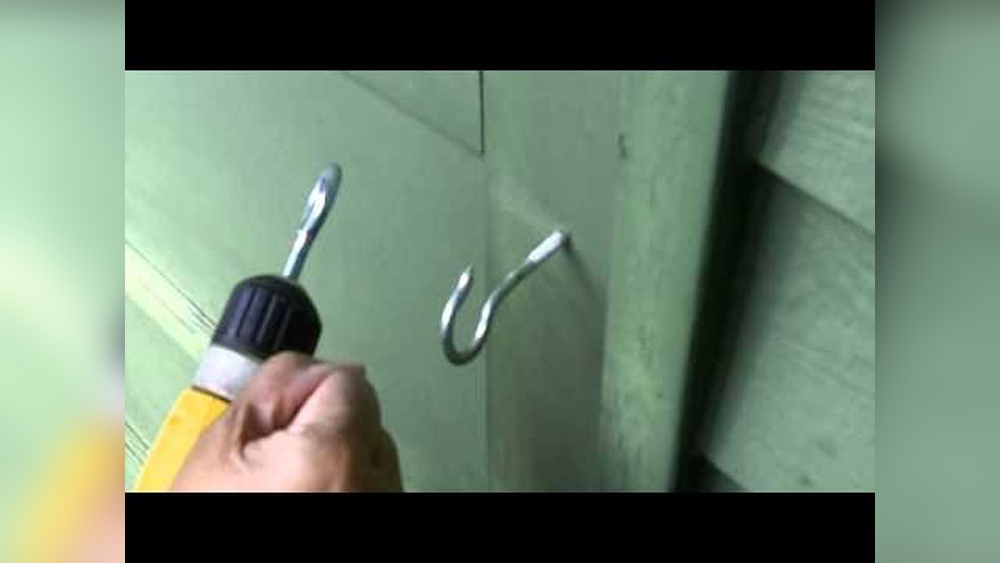
Once the anchor is set, align the hook with the anchor. Screw the hook into the anchor carefully. Turn the hook by hand to avoid stripping the anchor. Tighten until the hook feels firm but do not over-tighten. Over-tightening can damage the plaster or loosen the anchor.
Testing Stability
After installing the hook, test its strength before hanging anything heavy. Gently pull the hook to check if it moves. If it feels loose, try re-tightening or use a larger anchor. Ensure the hook holds well to avoid accidents. A stable hook keeps your items secure and the wall intact.
Tips For Heavy Items
Hanging heavy items on plaster walls needs extra care. Plaster is strong but can crack or break under too much weight. Use the right tools and methods to keep your walls safe and your items secure.
Using Toggle Bolts
Toggle bolts are strong anchors designed for heavy loads. They have wings that open behind the wall. This spreads the weight over a larger area. Drill a hole, insert the toggle bolt, and tighten it. The wings hold the bolt firmly inside the wall. Use toggle bolts for shelves, mirrors, or heavy pictures.
Distributing Weight Evenly
Spread the weight across more than one hook. Use multiple hooks or a mounting board. This reduces stress on any single point. Measure and mark where each hook will go. Make sure the weight divides evenly. This method helps prevent cracks and keeps items stable.
Alternative Hanging Methods
Consider other options like French cleats or wall studs. French cleats hold heavy items by locking two wooden pieces. Find wall studs with a stud finder. Anchoring directly into studs offers the best support. These methods are safer for very heavy items.
Maintaining Plaster Walls
Maintaining plaster walls keeps them strong and looking good. Proper care helps avoid damage and costly repairs. Small problems can turn into big issues if ignored. Taking simple steps preserves the wall’s beauty and function.
Repairing Small Cracks
Small cracks appear from settling or temperature changes. Fix them quickly to stop cracks from growing. Use a fine putty knife to fill cracks with plaster filler. Sand the area smooth once dry. Paint over to match the wall color.
Avoiding Overloading Hooks
Plaster walls can break under too much weight. Check the hook’s weight limit before hanging. Use anchors designed for plaster to spread the load. Place heavy items on studs if possible. Light decorations keep the wall safe and sound.
Regular Inspections
Look over your walls often for signs of damage. Check around hooks for cracks or loose plaster. Early detection helps fix problems before they get worse. Tighten or replace loose hooks quickly. Regular care extends the life of your plaster walls.

Credit: www.youtube.com
Frequently Asked Questions
How Do You Hang Hooks On Plaster Walls Safely?
To hang hooks safely on plaster walls, use anchors designed for plaster. Pre-drill holes carefully to avoid cracking. Choose lightweight hooks for small items to prevent damage. Use a stud finder for extra support if possible. Always avoid heavy loads without proper reinforcement.
What Tools Are Needed To Hang Hooks In Plaster Walls?
You need a drill with a masonry bit, wall anchors, screws, a stud finder, a screwdriver, and a level. These tools help you create secure holes and mount hooks without damaging the plaster. Proper tools ensure a strong and long-lasting installation.
Can I Hang Heavy Items On Plaster Walls?
Yes, but only with the right anchors and support. Use toggle bolts or molly bolts for heavy items. Locate wall studs if possible for extra strength. Avoid hanging very heavy objects without professional advice to prevent wall damage or accidents.
How Do I Prevent Plaster From Cracking When Drilling?
Drill slowly with a masonry bit and avoid applying excessive pressure. Use painter’s tape over the drilling spot to reduce plaster chipping. Start with a small pilot hole, then gradually increase the size. These steps protect plaster from cracks and damage.
Conclusion
Hanging hooks in plaster walls is simple with the right steps. Use proper tools and take your time. Choose the right anchors to keep hooks strong. Drill carefully to avoid cracking the plaster. Test the hook’s hold before hanging heavy items.
Small efforts protect your wall and keep hooks secure. Enjoy your organized space without damage or worry. Practice makes perfect, so try again if needed. This skill helps keep your home neat and tidy.