Are you tired of staring at empty walls, wondering how to hang your favorite pictures or shelves without making a mess? Putting a hook in the wall might seem simple, but if you don’t do it right, you risk damage or things falling down.
What if you could learn the exact steps to hang hooks securely and quickly, even if you’re not a DIY expert? Keep reading, because this guide will show you how to put a hook in your wall the right way, so your space looks great and stays safe.
You’ll gain confidence to tackle this small project with ease.

Credit: www.wikihow.com
Choose The Right Hook
Choosing the right hook is essential for a strong and secure hold on your wall. The right hook keeps your items safe and prevents damage to your wall. Different hooks serve different purposes. Knowing which hook fits your needs helps you hang items properly and safely.
Types Of Hooks
There are many types of hooks available. Some hooks have adhesive backs. Others need nails or screws to fix them. Picture hooks are small and designed for light frames. Cup hooks are shaped like a “J” and hold heavier items. Command hooks use strips and remove cleanly without damage. Choose the hook type based on what you want to hang.
Weight Capacity
Each hook has a weight limit. Do not exceed this limit to avoid accidents. Lightweight hooks work for keys or small frames. Heavy-duty hooks support shelves or large mirrors. Check the packaging for weight capacity before buying. Always pick a hook that can hold more than your item’s weight. This ensures safety and durability.
Gather Necessary Tools
Before you start putting a hook in the wall, gather all the tools needed. Having the right tools makes the job easier and safer. Missing tools can cause delays or damage to your wall. Prepare everything before you begin.
Basic Tools Checklist
First, get a drill with a suitable drill bit. A screwdriver is also important for tightening screws. Find a hammer for light taps if needed. A tape measure helps place the hook at the right height. A pencil marks the spot on the wall. Lastly, a level ensures the hook goes in straight.
Safety Equipment
Wear safety glasses to protect your eyes from dust and debris. Use gloves to keep your hands safe from sharp edges. A dust mask helps prevent inhaling small particles. Ensure your workspace is well-lit to avoid mistakes. These simple safety steps protect you during the task.
Find The Perfect Spot
Finding the perfect spot to put a hook in the wall is important. The right spot makes sure the hook holds well and stays safe. Picking the right place also stops damage to your wall or things behind it. Take time to find the best spot before you start drilling or hammering.
Locating Studs
Studs are the wooden beams behind your wall. Hooks hold best when attached to studs. Use a stud finder tool to find these beams. Move the tool slowly across the wall. It will beep or light up on a stud. Mark the spot lightly with a pencil. If you don’t have a stud finder, tap the wall gently. A solid sound means a stud is behind. A hollow sound means no stud there.
Avoiding Hazards
Walls hide more than just studs. There are wires, pipes, and cables. Drilling into them can cause damage or injury. Use a wire detector to check for wires. Avoid spots near switches and outlets. Pipes are usually near sinks and bathrooms. Keep hooks away from these areas. Take care to prevent accidents and costly repairs.
Credit: diy.stackexchange.com
Prepare The Wall
Preparing the wall is the first step to hang a hook safely and securely. It helps make sure the hook will hold well. Taking time here prevents damage and keeps your wall strong.
Marking The Spot
Find the exact place where the hook will go. Use a pencil to mark the spot clearly. Check the height and position to fit your needs. Make sure the mark is visible but easy to erase later.
Use a level tool to keep the hook straight. This avoids crooked hanging and looks nicer.
Drilling Pilot Holes
Drill small holes first to guide the screws or anchors. Use a drill bit slightly smaller than the screw size. This helps the screw go in easily without cracking the wall.
Drill slowly and carefully to avoid damage. Stop once the hole is deep enough for the anchor or screw. Clean any dust from the hole before inserting the hardware.
Install The Hook
Installing a hook on the wall is a simple task that anyone can do. It helps keep your space neat and organized. The key is to install the hook correctly. This ensures it holds weight and stays secure for a long time.
Different walls need different methods. Some hooks screw directly into the wall. Others need anchors for extra support. Below are easy steps to install hooks safely and firmly.
Screwing In Hooks
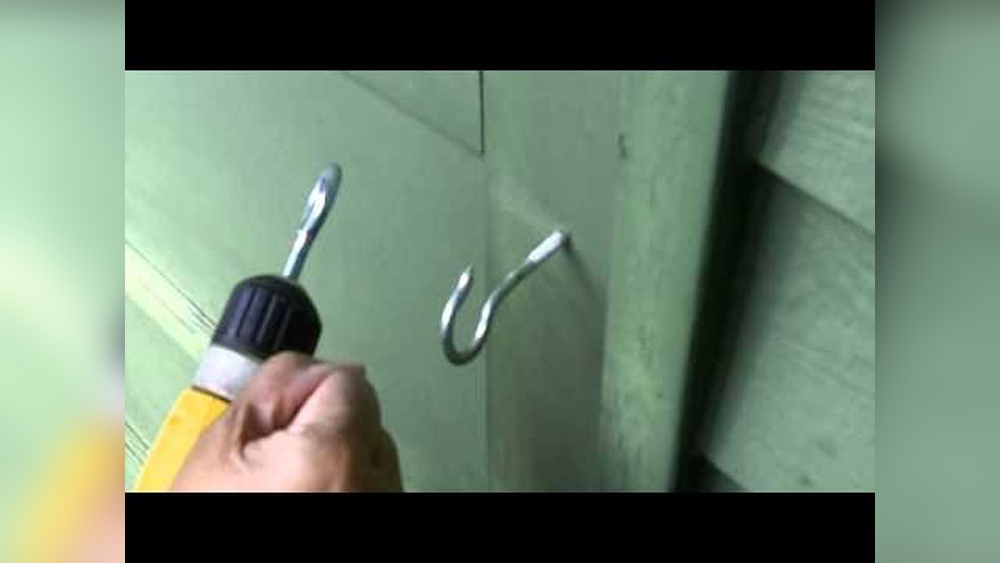
First, choose the right spot on the wall. Mark the exact point where the hook will go. Use a screwdriver or drill to twist the hook into the wall.
Turn the hook slowly and firmly. Stop when it feels tight and secure. For wooden walls, screwing in the hook directly works best. The hook will hold well without extra help.
Using Anchors
Drywall or plaster walls need extra support. Use wall anchors to keep the hook strong. Start by drilling a small hole where you marked.
Push the anchor into the hole gently. Tap it with a hammer if needed. Then, screw the hook into the anchor. The anchor spreads the weight and stops the hook from pulling out.
This method prevents damage and keeps the hook steady. Perfect for hanging heavier items safely.
Test The Hook
Testing the hook after installation is important. It ensures the hook will hold the weight safely. This step helps avoid accidents and damage to your wall or items.
Check if the hook feels firm and secure. Gently pull or push the hook to see if it moves. If the hook wiggles or feels loose, it needs adjustment.
Checking Stability
Hold the hook and apply light pressure. Push it up, down, and sideways. The hook should not shift or loosen. Use your hand to test the hook’s grip on the wall. If it stays steady, the hook is stable.
Try hanging a small item that matches your intended use. This tests real-world strength. Watch for any signs of bending or slipping. The hook must support the weight without any problem.
Adjusting If Needed
If the hook moves or feels weak, remove it carefully. Check for any damage to the wall or hook. Reinstall the hook using a stronger anchor or a different spot. Make sure the screws are tight and the hook sits flush against the wall.
Test again after adjustment. Repeat until the hook holds firmly. Proper adjustment ensures safety and long-lasting use of your hook.
Tips For Different Wall Types
Different walls need different hooks and tools. Knowing the right way saves time and keeps your wall safe. Here are tips for three common wall types to help you hang hooks correctly.
Drywall
Drywall is soft and easy to damage. Use wall anchors to hold hooks firmly. Plastic anchors work well for light items. For heavier objects, metal anchors or toggle bolts are best. Drill a small pilot hole before inserting anchors. Push the anchor in until it sits flush. Screw the hook into the anchor carefully. Avoid overtightening to stop the drywall from cracking.
Plaster
Plaster walls are hard but can crack. Start by drilling a small hole with a masonry bit. Use a plastic anchor for lightweight hooks. For heavier hooks, metal anchors give better support. Tap the anchor gently into the hole. Screw the hook in slowly to avoid breaking the plaster. Use a level to keep your hook straight. Take your time to prevent damage.
Concrete
Concrete walls need strong anchors. Use a hammer drill with a masonry bit to make the hole. Insert a concrete anchor or sleeve anchor. Tap the anchor in firmly with a hammer. Screw the hook into the anchor until tight. Concrete anchors hold heavy items securely. Always wear safety glasses when drilling concrete. This keeps your eyes protected from dust and debris.

Credit: www.wikihow.com
Frequently Asked Questions
How Do I Choose The Right Hook For My Wall?
Select a hook based on wall type and item weight. Use adhesive hooks for light objects and screw-in hooks for heavy items. Consider the wall material to avoid damage.
What Tools Do I Need To Put A Hook In The Wall?
You need a drill, screwdriver, hammer, level, and wall anchors. These tools help secure the hook properly and ensure it is level and stable.
How Do I Avoid Damaging The Wall When Installing Hooks?
Use the correct anchors for your wall type and drill pilot holes. Avoid over-tightening screws to prevent cracks or holes. Always check for wires before drilling.
Can I Put Hooks On Drywall Without Studs?
Yes, use drywall anchors designed to hold weight without studs. These distribute the load and prevent the hook from pulling out. Choose anchors rated for your item’s weight.
Conclusion
Putting a hook in the wall is simple with the right steps. Choose the right spot and use proper tools. Drill carefully and insert the hook firmly. This keeps your items safe and your wall undamaged. Practice makes the process easier over time.
Now, you can hang pictures, keys, or decorations with confidence. Small tasks like this help keep your space neat. Try it today and see how useful a wall hook can be.