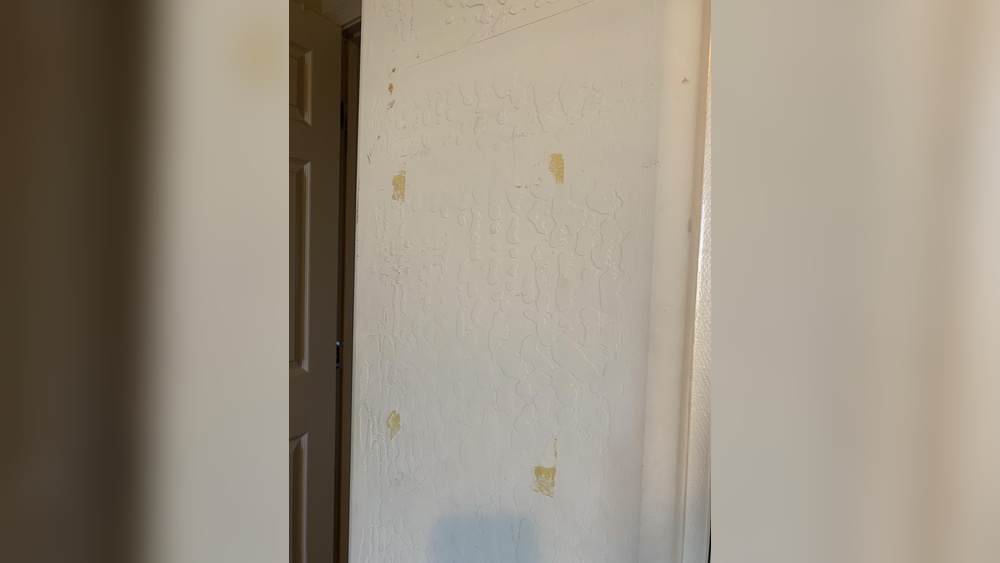
Have you ever pulled off a Command Hook only to find sticky residue left behind on your wall? It’s frustrating, messy, and can make your walls look damaged.
But don’t worry—removing that stubborn residue is easier than you think. You’ll discover simple and effective ways to get your walls clean again without causing any harm. Keep reading, and you’ll have your walls looking fresh in no time!

Credit: www.reddit.com
Types Of Command Hook Residue
Command hooks leave behind sticky residue after removal. Understanding the types of residue helps in choosing the right cleaning method. The residue varies depending on the adhesive used and the wall surface. Knowing these details makes residue removal easier and less damaging.
Adhesive Residue Characteristics
The residue is usually clear or slightly white. It feels sticky and can be soft or hard. Some adhesives become gummy, while others turn brittle over time. The residue often attracts dust and dirt, making it more visible. It can stretch or crumble when peeled off.
Common Wall Surface Types
Walls can be painted, wallpapered, or textured. Painted walls are smooth but can peel if scraped too hard. Wallpaper surfaces are delicate and may tear easily. Textured walls have uneven surfaces, making residue removal tricky. Each surface needs gentle care to avoid damage.

Credit: www.reddit.com
Essential Tools And Materials
Removing Command hook residue from walls requires the right tools and materials. Choosing effective items helps clean the wall without damage. Some tools you already have at home. Others are easy to buy and safe to use.
Household Items You Can Use
Common household items work well for removing sticky residue. Rubbing alcohol softens the glue and makes it easy to wipe off. A clean cloth or cotton ball helps apply the alcohol gently. Warm soapy water can also loosen residue without harming paint. Use a plastic scraper or an old credit card to lift stubborn bits. These items are simple and cost nothing extra.
Recommended Cleaning Products
Some products target adhesive residue specifically. Goo Gone is a popular choice that breaks down sticky glue safely. Use it carefully and test on a small wall spot first. WD-40 works to loosen residue but must be wiped off quickly. Mild household cleaners with degreasing power can help remove leftover marks. Always check product labels for wall safety before using.
Step-by-step Removal Methods
Removing Command hook residue from walls can be tricky but simple with the right steps. This guide shows easy ways to clean sticky marks without damaging paint or wallpaper. Follow these step-by-step methods to get walls looking fresh again.
Using Warm Soapy Water
Start by mixing warm water with a few drops of mild dish soap. Dip a soft cloth into the solution and wring out extra water. Gently rub the sticky residue in small circles. The soap helps break down the adhesive slowly. Wipe the area with a clean damp cloth to remove soap. Let the wall dry completely before checking residue removal. Repeat if needed, but avoid scrubbing hard to protect paint.
Applying Rubbing Alcohol
Rubbing alcohol dissolves glue without harsh chemicals. Pour a small amount onto a cotton ball or soft cloth. Dab the sticky spots carefully, letting the alcohol soak in for a minute. Rub gently in a circular motion to lift the residue. Use a clean damp cloth to wipe away leftover alcohol. Test on a hidden spot first to ensure paint safety. Work in a well-ventilated room for safety.
Utilizing Vinegar Solutions
White vinegar is a natural cleaner that can remove sticky marks. Mix equal parts of vinegar and water in a spray bottle. Spray the solution on the residue and let it sit for 5 minutes. Use a soft cloth to rub the area gently. The vinegar breaks down the adhesive without harming most paints. Rinse the wall with clean water and dry with a towel. Avoid over-soaking to protect wallpaper or delicate finishes.
Heat Application Techniques
Heat softens adhesive, making it easier to remove. Use a hairdryer set on low heat and hold it a few inches from the residue. Warm the sticky area for 30 seconds to 1 minute. After heating, use a plastic scraper or credit card to lift off the softened glue. Wipe away any leftover residue with a damp cloth. Be careful not to overheat or burn the wall surface.
Preventing Wall Damage
Removing Command hook residue can harm your wall if not done carefully. Preventing wall damage is key to keeping your space neat. Use safe methods to protect paint and wallpaper. Small steps help avoid scratches or stains during cleaning.
Testing On Small Areas
Always test cleaning methods on a small wall spot first. This shows if the cleaner will damage paint or wallpaper. Wait a few minutes after testing to check for changes. If the area looks normal, proceed with cleaning the rest.
Gentle Scrubbing Tips
Use a soft cloth or sponge for scrubbing residue. Avoid rough brushes or sharp tools that can scratch walls. Apply light pressure and clean in small circles. Stop if the wall paint starts to peel or fade.
Alternative Removal Hacks
Removing Command hook residue from walls can be tricky. Some common methods may not work well on all surfaces. These alternative hacks offer simple and effective ways to clean sticky marks without damage. They use items you might already have at home. Try these to get your walls clean again quickly.
Peanut Butter Method
Peanut butter contains oils that help break down sticky residue. Apply a small amount on the residue. Let it sit for 5 to 10 minutes. Then, gently rub with a soft cloth. Wipe off the peanut butter and residue together. Finish by cleaning the area with soap and water. This method works well on painted walls.
Wd-40 Application
WD-40 is effective at loosening adhesive residue. Spray a small amount directly on the sticky spot. Wait about a minute for it to soak in. Use a clean cloth to wipe away the softened residue. Repeat if needed but avoid over-saturating the wall. Clean the area afterward with mild soap. Test WD-40 on a hidden spot first.
Eraser Techniques
A simple pencil eraser can remove light adhesive marks. Rub the eraser gently over the residue in circular motions. The friction helps lift the sticky bits from the wall. Keep erasing until the residue disappears. Brush away eraser crumbs with a soft cloth. This method is safe for delicate surfaces and paint.
Credit: thehomesihavemade.com
Post-removal Wall Care
After removing Command hook residue, the wall may need care to look clean and smooth. This step helps keep your walls neat and ready for new decorations. Taking time to clean and fix marks keeps your space fresh.
Cleaning Residual Marks
Use a soft cloth and warm water to wipe the wall gently. Avoid scrubbing hard to protect the paint. Mild soap can help remove sticky residue without damage. Test any cleaner on a small spot first. Dry the wall with a clean towel after wiping.
Touch-up Painting Advice
Small marks or discoloration may need paint touch-ups. Match the paint color carefully for a smooth look. Use a small brush for precise application. Apply thin layers and let each dry before adding more. This keeps the wall looking neat and fresh.
Frequently Asked Questions
How Do I Remove Command Hook Residue Safely?
Use a hairdryer to warm the residue, then gently rub it off with your fingers or a soft cloth. Avoid harsh scrubbing to protect the paint.
What Household Items Remove Sticky Residue From Walls?
Rubbing alcohol, vinegar, or a baking soda paste work well. Apply gently with a cloth, then wipe clean with water.
Can I Use A Commercial Adhesive Remover On Walls?
Yes, but choose a product safe for painted surfaces. Test a small area first to avoid damage or discoloration.
Will Warm Water Help Remove Command Hook Residue?
Warm water softens the adhesive, making it easier to wipe off. Use a damp cloth and avoid soaking the wall.
Conclusion
Removing Command hook residue from walls is simple with the right steps. Use gentle tools and cleaners to protect your paint. Take your time and avoid scraping too hard. Clean walls look better and last longer. Now you can keep your space neat without damage.
Try these tips next time you remove hooks. Easy, fast, and safe for your walls.