Have you ever tried to remove an anchor from your wall and ended up with more damage than you expected? It can be frustrating when your walls don’t look clean and smooth after taking something down.
But what if you knew the simple tricks to get that anchor out quickly and without hassle? In this guide, you’ll discover easy steps that anyone can follow to fix your walls like a pro. Keep reading, and you’ll learn how to make your wall look good as new—no stress, no mess.

Credit: www.wikihow.com
Types Of Wall Anchors
Wall anchors hold screws tightly in walls. Different anchors suit different wall types and weights. Knowing anchor types helps you remove them safely.
Plastic Expansion Anchors
Plastic expansion anchors are common and easy to use. They fit into drilled holes in drywall or plaster. When you insert a screw, the anchor expands. This expansion holds the anchor firmly in place. These anchors work well for light to medium loads.
Toggle Bolts
Toggle bolts have wings that open inside the wall. They spread the load over a large area. These anchors are strong and hold heavy items. Removing toggle bolts requires unscrewing and pulling the wings out carefully.
Molly Bolts
Molly bolts are metal anchors that expand behind the wall. They create a secure hold in hollow walls. These anchors are good for medium to heavy items. Removing molly bolts can be tricky because they grip tightly.
Self-drilling Anchors
Self-drilling anchors screw directly into drywall without pre-drilling. They are made of metal or plastic. These anchors are quick to install and hold light to medium weights. To remove, unscrew them gently to avoid wall damage.
Tools Needed
Removing an anchor from a wall requires the right tools. Using proper tools makes the job easier and safer. Prepare these tools before starting to avoid interruptions. Each tool plays a specific role in the process.
Screwdrivers
Screwdrivers help loosen or remove screws holding the anchor. Choose the right type: flathead or Phillips. A good grip is essential for control and safety. Avoid stripping screws by matching the screwdriver to the screw head.
Pliers
Pliers provide a strong grip on the anchor. Use them to pull out anchors stuck in the wall. Needle-nose pliers work well in tight spaces. Grip firmly but carefully to avoid damaging the wall.
Drill And Bits
A drill helps remove anchors embedded deep in the wall. Use drill bits sized for the anchor type. Drilling creates space to loosen the anchor. Work slowly to prevent wall damage.
Utility Knife
A utility knife cuts around the anchor’s edges. It helps remove paint or drywall stuck to the anchor. Use it to clean the area for easier removal. Always cut carefully to avoid injury or wall damage.
Preparation Before Removal
Preparation is the key to safely and easily removing an anchor from a wall. Taking time to prepare helps avoid damage and keeps you safe. You can make the job smoother by following a few simple steps before starting.
Clear The Area
Remove objects near the anchor. Clear furniture, decorations, and any fragile items. This gives you space to work. It also prevents accidents and damage during removal.
Check Wall Material
Identify the type of wall. Is it drywall, plaster, concrete, or brick? Different walls need different tools and techniques. Knowing the material helps you choose the right method for removing the anchor safely.
Safety Precautions
Wear safety glasses to protect your eyes from dust and debris. Use gloves to protect your hands. Keep a dust mask handy if the wall material creates dust. Make sure the work area is well lit. Safety keeps the process smooth and prevents injuries.
Removing Plastic Expansion Anchors
Removing plastic expansion anchors from a wall can be tricky. These anchors hold tightly and need careful handling. Using the right method helps avoid wall damage. Here are easy ways to remove them safely and quickly.
Loosening With Screwdriver
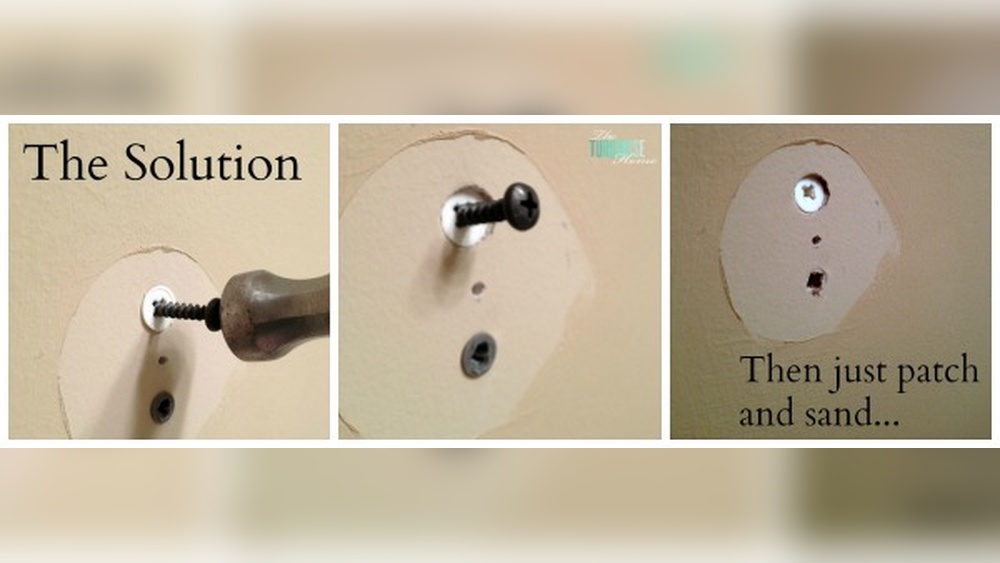
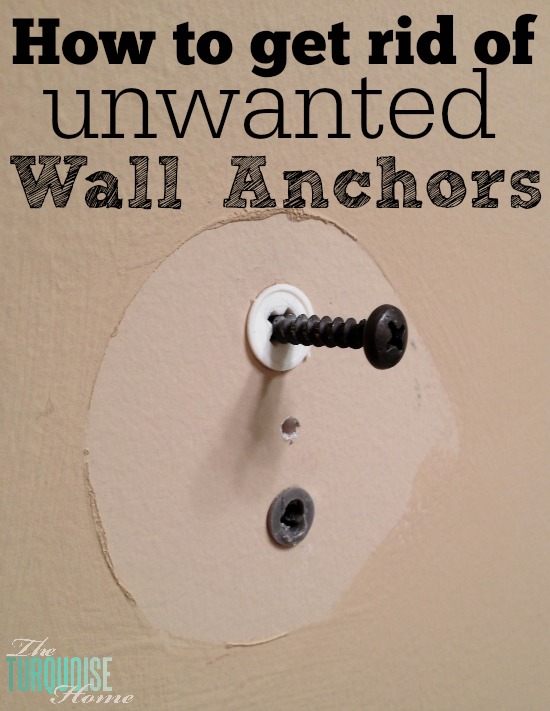
Start by inserting a flathead screwdriver under the anchor’s edge. Gently twist or pry to loosen it. Work slowly to avoid breaking the anchor inside the wall. This method works well for anchors that are not deeply set.
Pulling Out With Pliers
Grip the anchor’s head firmly with needle-nose pliers. Pull straight out with steady force. Wiggle the anchor slightly if it feels stuck. This approach often removes the entire anchor without wall damage.
Using A Drill For Stubborn Anchors
For anchors that won’t budge, use a drill with a small bit. Drill into the center of the anchor carefully. This breaks the anchor into pieces inside the wall. After drilling, push the remnants in or pull out pieces with pliers.
Extracting Toggle Bolts
Extracting toggle bolts from a wall can be tricky. These anchors hold strongly because of their wings, which open behind the wall. Removing them needs care to avoid damaging the wall. Follow these simple steps to get the toggle bolt out safely.
Unscrewing The Bolt
Start by turning the bolt counterclockwise. Use a screwdriver that fits the bolt head well. Keep turning until the bolt is fully loose. Do not force it, or the bolt might strip.
Retracting The Toggle
Once the bolt is out, the toggle wings stay inside the wall. Try to pull the wings back together. Squeeze them gently to close the wings. This makes it easier to remove the toggle.
Pushing The Toggle Through The Wall
If the toggle wings do not close, push them through the wall cavity. Use a long, thin tool like a screwdriver. Press the toggle into the space behind the wall. This clears the hole for patching later.
Credit: theturquoisehome.com
Taking Out Molly Bolts
Taking out molly bolts from a wall can seem tricky. These anchors expand behind the wall to hold firmly. Removing them needs care to avoid damage. Follow simple steps to take out molly bolts safely. The process involves unscrewing the bolt, collapsing the sleeve, and then removing the anchor.
Unscrewing The Bolt
Start by turning the screw counterclockwise. Use a screwdriver that fits well. Unscrew until the bolt feels loose but don’t remove it fully. Keep the bolt partly inside the sleeve. This helps control the anchor during removal.
Collapsing The Sleeve
Once the bolt is loose, press the sleeve inward. Use pliers to gently squeeze the sleeve. The goal is to flatten the metal wings behind the wall. This stops the anchor from gripping the wall tightly. Flattening the sleeve makes pulling easier.
Removing The Anchor
Pull the bolt and sleeve out together slowly. If needed, twist the bolt slightly while pulling. Use steady force to avoid wall damage. If the anchor resists, repeat collapsing the sleeve. Removing molly bolts carefully keeps your wall intact.
Handling Self-drilling Anchors
Handling self-drilling anchors requires care and the right method. These anchors are designed to cut into the wall and hold firmly. Removing them needs a gentle approach to avoid wall damage. Two common ways work well for this task.
Unscrewing By Hand
Start by trying to turn the anchor counterclockwise. Use your fingers to grip the anchor head. Slowly twist it out of the wall. If it moves easily, keep turning until it comes out. Avoid forcing it. If it feels stuck, stop and try another method.
Using Pliers For Grip
When the anchor is hard to turn by hand, use pliers. Grip the anchor head firmly with the pliers. Twist slowly in the opposite direction of insertion. Keep a steady grip to prevent slipping. Pliers provide extra strength to loosen the anchor. Stop once the anchor loosens enough to remove by hand.
Dealing With Damage After Removal
Removing an anchor from a wall often leaves behind small holes or marks. Fixing this damage helps restore your wall’s smooth look. Repairing the damage is a simple process that anyone can do.
Patching Small Holes
Start by cleaning the hole from dust and loose debris. Use a putty knife to apply spackling paste or wall filler. Press the filler into the hole firmly and smooth the surface. Let it dry completely before the next step. Small holes usually need only one layer of filler.
Sanding And Smoothing
After the filler dries, use fine-grit sandpaper to smooth the area. Sand gently until the patched spot feels even with the wall. Wipe away dust with a damp cloth. This step helps the repair blend with the rest of the wall.
Repainting Tips
Choose paint that matches your wall color exactly. Use a small brush for better control around the patch. Apply thin layers of paint and let each dry fully. Repeat until the patch is invisible. Proper repainting makes your wall look fresh and clean again.
Tips For Easier Anchor Removal
Removing an anchor from a wall can be tricky. Some anchors stick tight and resist pulling. These tips make the job easier. Follow them to avoid damage and save time.
Patience and the right approach help a lot. Small steps lead to success.
Apply Lubricant
Lubricant helps loosen stuck anchors. Use a small amount around the anchor. WD-40 or a similar spray works well. Let it sit for a few minutes. This softens the grip inside the wall.
Be careful not to use too much. A little goes a long way. Lubricant reduces friction and makes pulling easier.
Use The Right Tools
Choose tools that fit the anchor size. Needle-nose pliers work well for small anchors. For larger ones, use locking pliers. A screwdriver can help pry gently if needed.
Using proper tools prevents damage to the wall. It also gives better control during removal.
Work Slowly And Carefully
Pull the anchor out with steady, gentle force. Avoid quick, strong tugs that can break the wall. Twist the anchor slightly while pulling.
Take breaks if the anchor does not move. Rushing may cause more harm. Slow, careful work protects the wall surface.

Credit: www.wikihow.com
Frequently Asked Questions
How Do I Safely Remove A Wall Anchor?
To safely remove a wall anchor, first, use pliers to grip the anchor’s edges. Gently pull it out while twisting. If it resists, drill around the anchor to loosen it. Avoid damaging the wall surface during removal.
What Tools Are Needed To Extract An Anchor From A Wall?
Common tools include needle-nose pliers, a screwdriver, and a drill with a small bit. Pliers help grip and pull anchors. A drill loosens stubborn anchors. Choose tools based on the anchor type and wall material for best results.
Can I Reuse A Wall Anchor After Removal?
Reusing a wall anchor is not recommended. Removal can damage its structure and reduce holding strength. It’s best to use a new anchor for secure mounting and to avoid future wall damage or instability.
How To Fix The Wall After Removing An Anchor?
Fill the hole with spackle or wall filler. Smooth it with a putty knife and let it dry. Sand the area lightly for a smooth finish. Repaint to match the wall color for a seamless repair.
Conclusion
Removing an anchor from a wall does not have to be hard. Use the right tools and take your time. Gently pull or twist the anchor out without damaging the wall. Fix any holes left behind with filler or putty.
This will keep your wall smooth and ready for new decorations. Remember, careful work saves you time and effort later. Keep these tips in mind for a clean and easy anchor removal.