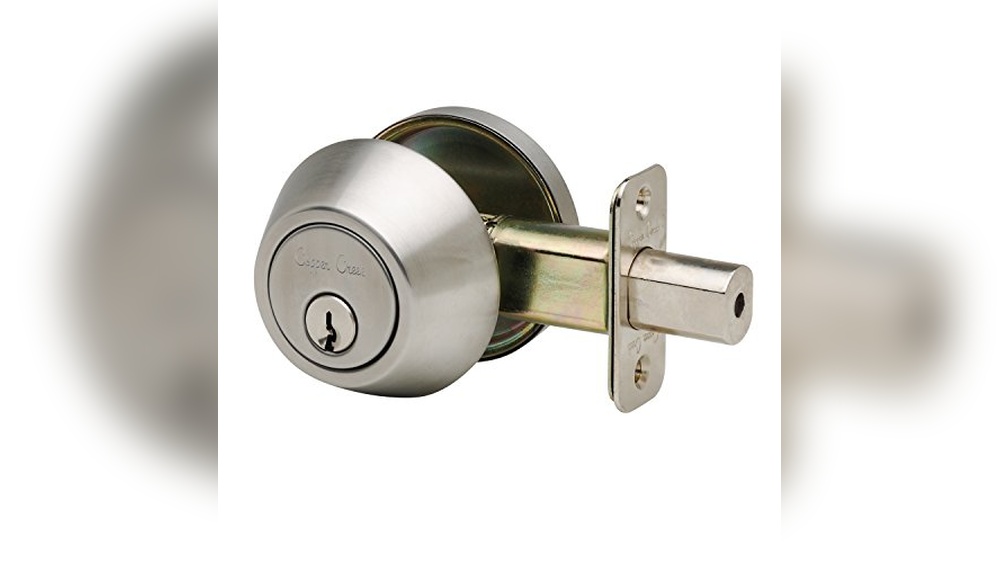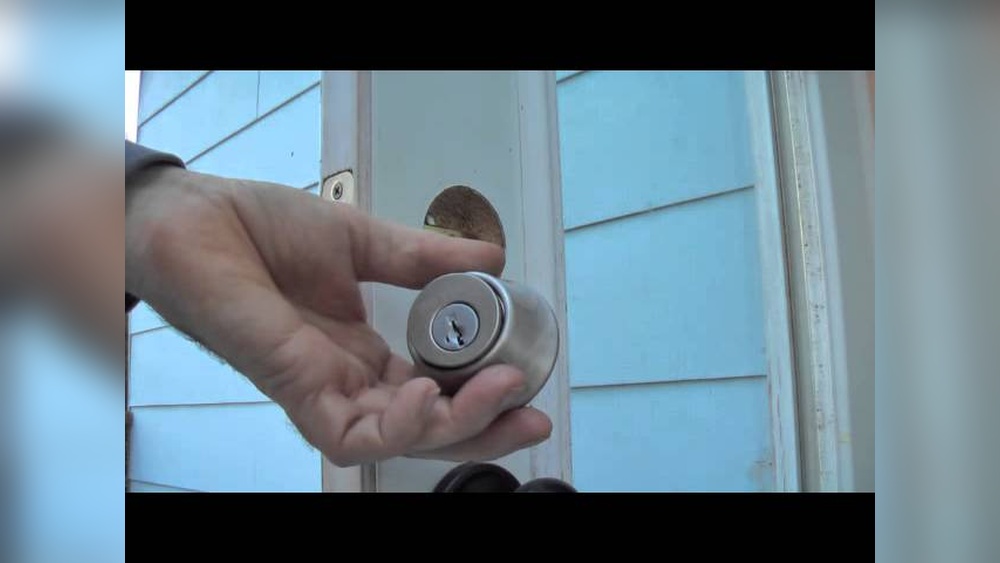
Is your deadbolt lock stuck, jammed, or just not working right? You rely on it every day to keep your home safe, so when it fails, it’s more than just frustrating—it’s urgent.
But don’t worry, fixing your deadbolt lock might be easier than you think. In this guide, you’ll discover simple, step-by-step solutions that anyone can follow. By the end, you’ll feel confident handling the problem yourself, saving time and money. Ready to get your lock working smoothly again?
Let’s dive in.
Credit: unitedlocksmith.net
Common Deadbolt Issues
Deadbolt locks can face several common problems over time. These issues affect security and ease of use. Knowing these problems helps in quick repairs. This section covers typical deadbolt issues and simple fixes.
Key Won’t Turn
Sometimes, the key gets stuck and won’t turn. Dirt or rust inside the lock may cause this. Cold weather can also make the lock stiff. Spray a small amount of graphite lubricant inside the keyhole. Avoid oil-based lubricants as they attract dirt. Gently wiggle the key while turning to loosen the mechanism.
Deadbolt Sticks
The deadbolt may move slowly or get stuck halfway. This happens if the lock parts are dirty or worn out. Check for dust and debris around the bolt. Clean the area and apply graphite lubricant. Tighten any loose screws on the lock. Replace parts if they look damaged or bent.
Loose Deadbolt
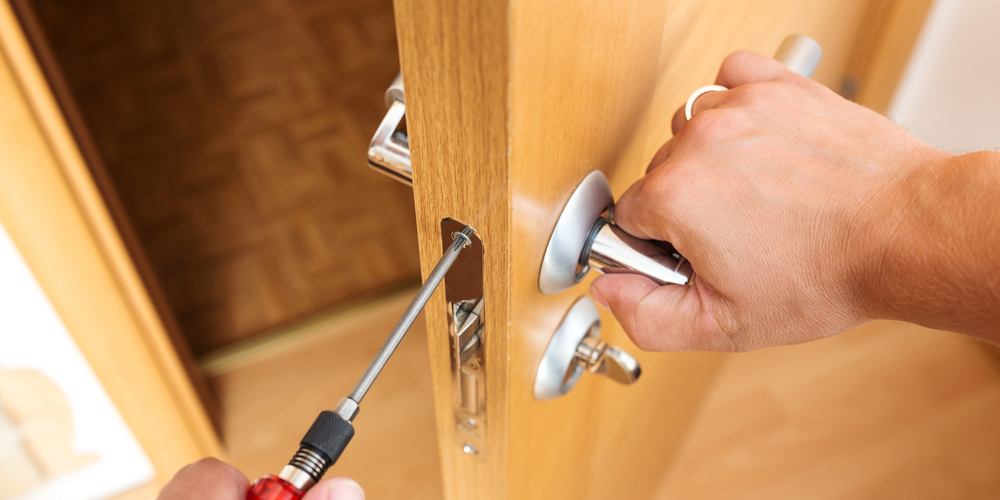
A loose deadbolt feels wobbly or shaky in the door. This reduces security and can cause the lock to fail. Tighten screws on the lock and door handle. Check if the lock plate inside the door is secure. Use longer screws if the current ones don’t hold well. Make sure the lock is firmly attached to the door.
Misaligned Strike Plate
The strike plate is where the deadbolt locks into the door frame. If it is misaligned, the bolt won’t fit properly. This causes difficulty locking the door. Adjust the strike plate by loosening screws and moving it slightly. Mark the correct position and tighten the screws. If needed, enlarge the hole in the door frame for a better fit.

Credit: diy.stackexchange.com
Tools You’ll Need
Fixing a deadbolt lock requires a few simple tools. Having the right tools makes the job easier and faster. This section lists the essential tools you need to fix your deadbolt lock effectively.
Screwdrivers
Screwdrivers are the most important tools for this job. You will need both flathead and Phillips screwdrivers. These help remove and tighten screws in the lock and door. Choose screwdrivers that fit the screw heads well. This prevents damage and slips.
Lubricants
Lubricants keep the lock moving smoothly. Use a graphite powder or a silicone spray. Avoid oil-based lubricants as they attract dirt. Apply lubricant inside the keyhole and moving parts. This reduces friction and stops the lock from sticking.
Replacement Parts
Sometimes parts inside the deadbolt wear out or break. Common replacement parts include screws, springs, and the lock cylinder. Have these parts ready before you start. Make sure they match your lock model for a proper fit.
Cleaning Supplies
Cleaning removes dirt and dust that block the lock. Use a soft cloth, cotton swabs, and mild cleaner. Avoid harsh chemicals that can damage the lock. Clean all accessible parts before reassembling the lock.
Fixing A Jammed Deadbolt
A jammed deadbolt can cause frustration and block your way. Fixing it involves a few simple steps anyone can do. Start by understanding the cause of the jam. Dirt, lack of lubrication, or a problem with the key often cause the issue. Follow these steps to restore smooth function to your deadbolt.
Cleaning The Lock
First, remove dirt and debris from the lock. Use a small brush or compressed air to clean inside. Dirt can block the moving parts and cause the jam. Clean both the keyhole and the bolt area. This step helps the lock work smoothly again.
Lubricating The Mechanism
Next, apply a lubricant designed for locks. Avoid oil-based products that attract dust. Use graphite powder or a silicone spray instead. Spray or apply the lubricant inside the keyhole and on the bolt. Move the bolt back and forth to spread it evenly. Lubrication reduces friction and stops the lock from sticking.
Checking The Key
Examine the key for damage or wear. A bent or worn key can jam the lock. Try using a spare key if available. If the key is damaged, replace it to prevent future jams. A good key ensures smooth operation of the deadbolt.
Credit: dmllocksmith.com
Adjusting The Strike Plate
The strike plate is a metal piece attached to the door frame. It catches the deadbolt when you lock the door. A misaligned strike plate can cause the deadbolt to stick or not close fully. Adjusting the strike plate often fixes these issues and improves door security.
Realigning The Plate
Start by checking the strike plate position. Close the door slowly and watch the deadbolt. Notice where it hits the plate. Loosen the screws slightly. Move the strike plate up, down, left, or right to match the deadbolt. Tighten the screws once aligned. Test the lock several times to ensure smooth operation.
Filling Old Screw Holes
Old holes may cause the strike plate to shift. Remove the plate to see the screw holes. Fill these holes with wood filler or toothpicks and wood glue. Let it dry completely. Drill new pilot holes next to the filled ones. Attach the strike plate securely using new screws. This stops the plate from loosening over time.
Replacing The Plate
If the strike plate is bent or damaged, replace it. Remove the old plate and clean the area. Buy a new strike plate that fits your door frame. Align it properly with the deadbolt. Screw it tightly into the frame. Check the deadbolt action to make sure it locks smoothly.
Tightening A Loose Deadbolt
Tightening a loose deadbolt is a simple task that improves home security. A loose lock can cause problems locking and unlocking your door. It also makes your home less safe. Fixing it requires only a few tools and basic steps.
Start by checking the deadbolt parts. Look for screws that may have loosened over time. Tightening these screws often solves the issue quickly. If the door frame is weak, reinforcing it will help keep the deadbolt secure.
Securing Screws
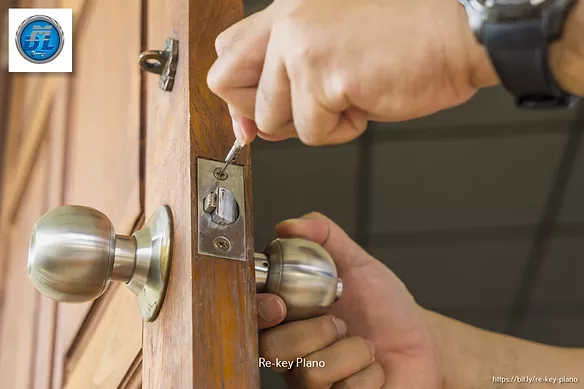
Use a screwdriver to tighten all visible screws on the deadbolt. Check the screws on the lock faceplate and the door handle. Tight screws hold the deadbolt in place and reduce wobbling. If screws are stripped or damaged, replace them with new ones. This step ensures the lock stays firm and works smoothly.
Reinforcing The Door Frame
Check the door frame around the deadbolt for cracks or damage. A weak frame can cause the lock to loosen again. Use wood filler or epoxy to fix small cracks. For bigger damage, install a metal strike plate to strengthen the frame. Secure the plate with long screws that reach the wall stud. This support makes the lock stronger and more reliable.
Replacing Deadbolt Components
Replacing deadbolt components can solve many lock problems. This process restores security and smooth operation. You do not need special skills. Basic tools and patience are enough. Let’s explore how to replace key parts of a deadbolt.
Swapping Out The Cylinder
The cylinder controls the key entry. Over time, it may wear out or break. Start by removing the screws on the lock face. Pull out the cylinder carefully. Match the new cylinder with your lock type. Insert the new cylinder and secure it with screws. Test the key to ensure smooth turning.
Changing The Thumb Turn
The thumb turn allows locking from inside. It can become stiff or damaged. Remove the screws holding the thumb turn plate. Gently pull out the old thumb turn. Fit the new thumb turn in place. Tighten the screws firmly. Check if it moves easily without sticking.
Installing A New Deadbolt
Replacing the entire deadbolt is simple with the right steps. Remove the interior and exterior plates by unscrewing them. Take out the old latch and bolt mechanism. Insert the new latch into the door edge. Attach the new bolt and plates on both sides. Secure all screws tightly. Test the deadbolt by locking and unlocking several times.
Preventive Maintenance Tips
Preventive maintenance helps keep your deadbolt lock working smoothly. Small steps can stop big problems. Regular care saves money and time. It also improves your home security. Follow these simple tips to maintain your lock’s health.
Regular Cleaning
Dust and dirt can block your deadbolt. Clean the lock surface often with a soft cloth. Avoid harsh chemicals that can damage the finish. Use a small brush to remove dirt inside the keyhole. Clean both sides of the door lock for best results.
Seasonal Lubrication
Lubricate the lock twice a year to keep it smooth. Use graphite powder or a silicone-based lubricant. Avoid oil-based products that attract dirt. Apply lubricant to the keyhole and bolt. This reduces friction and prevents sticking or jamming.
Inspecting For Wear
Check your deadbolt for signs of wear regularly. Look for rust, cracks, or loose parts. Test the lock by turning the key slowly. If it feels stiff or rough, repair or replace parts soon. Early detection stops bigger damage and keeps your lock reliable.
Frequently Asked Questions
How Do I Fix A Jammed Deadbolt Lock?
To fix a jammed deadbolt, first lubricate the lock with graphite powder or silicone spray. Then, check for misaligned parts and tighten any loose screws. If the bolt sticks, adjust the strike plate on the door frame for smooth operation.
Why Is My Deadbolt Lock Not Turning?
A deadbolt may not turn due to dirt buildup, rust, or misalignment. Clean the lock with lubricant and inspect for damaged components. Tighten screws and realign the strike plate to ensure the bolt moves freely.
How Can I Fix A Loose Deadbolt Lock?
Tighten the screws on the lock’s faceplate and inside the door. If the lock remains loose, replace stripped screws with longer ones. Ensure the deadbolt mechanism fits snugly without wobbling for proper security.
What Tools Do I Need To Repair A Deadbolt Lock?
Common tools include a screwdriver, lubricant, replacement screws, and possibly a drill. Some repairs might require a new strike plate or lock cylinder. Having these tools ready helps speed up the deadbolt fixing process.
Conclusion
Fixing a deadbolt lock can be simple with the right steps. Check each part carefully and clean or replace what is broken. Use basic tools and take your time for best results. Regular maintenance helps keep your lock working well.
A working deadbolt adds safety to your home. Keep practicing these tips to handle lock issues easily. Stay calm and follow the process step by step. You can do this yourself without extra help.