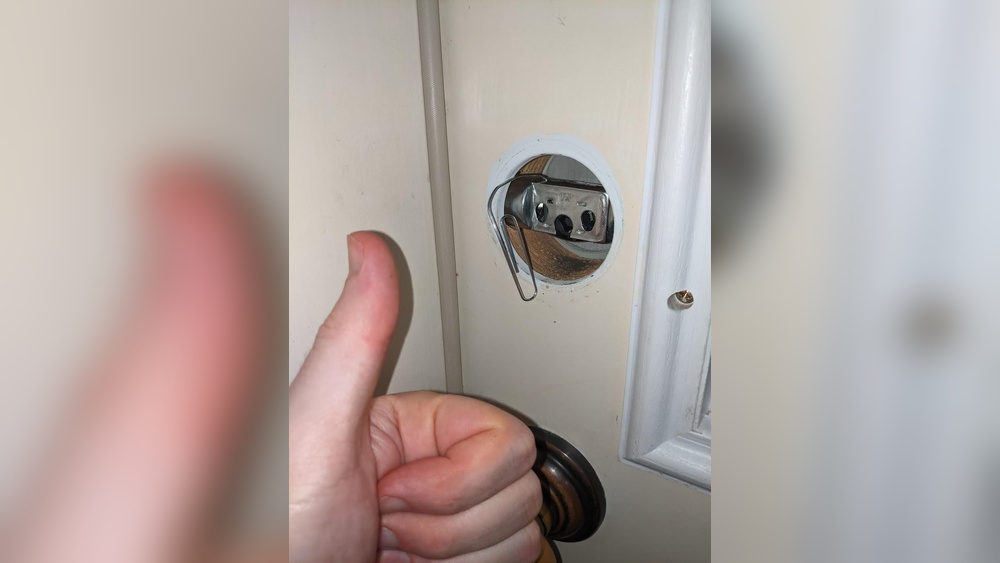
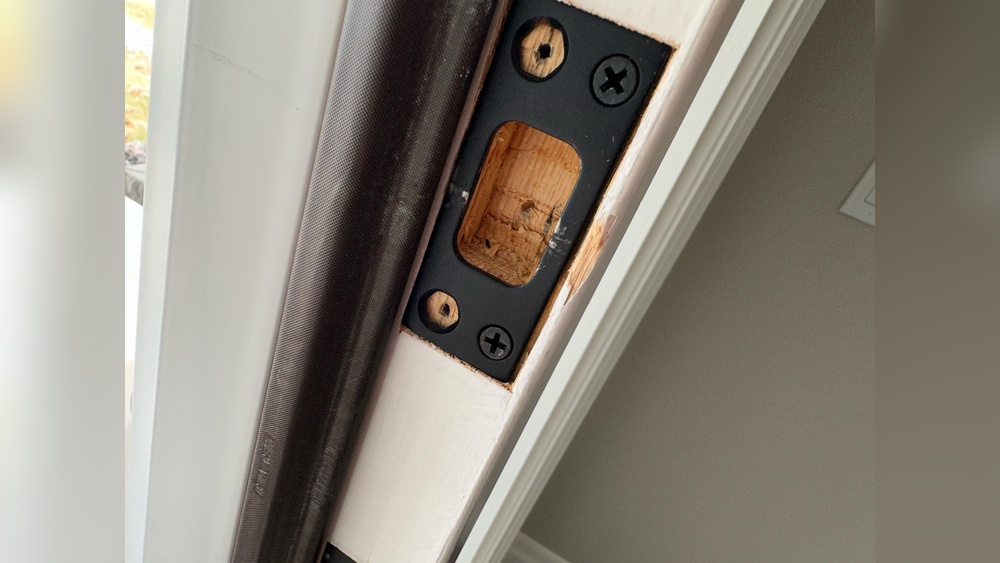
Have you ever faced the frustration of a broken key stuck inside your deadbolt lock? It can feel like a small problem that suddenly turns into a big hassle, leaving you worried about getting back inside or securing your home.
But don’t panic—removing that broken key doesn’t have to be a nightmare. In this guide, you’ll discover simple, effective steps to get the key out safely and quickly. Keep reading, and you’ll regain control without calling a locksmith or causing damage to your lock.
Tools Needed
Removing a broken key from a deadbolt lock needs the right tools. These tools help you pull out the broken piece safely. Using the correct tools makes the job easier and avoids more damage.
Common Household Tools
You might already have some tools at home for this task. A pair of needle-nose pliers can grab the key piece. Tweezers also work well for small, hard-to-reach parts. A small flathead screwdriver can help lift the broken key gently. A flashlight is useful to see inside the lock clearly. These tools are simple but effective for most key removal jobs.
Specialized Lock Tools
Special tools designed for locks can make the job faster. A broken key extractor tool is made just for pulling out stuck keys. It has thin, hooked ends to catch key teeth inside the lock. Lock pick sets include small picks that can move key pieces carefully. These tools cost more but work well if common tools fail. Locksmiths use these tools to fix locks without damage.
Safety Precautions
Removing a broken key from a deadbolt lock needs careful attention. Safety precautions protect you and the lock. Taking the right steps avoids extra damage. This section covers key safety tips to follow before and during the removal process.
Protecting The Lock
Keep the lock safe from scratches and dents. Use soft tools like plastic tweezers or toothpicks. Avoid metal tools that can cause permanent damage. Work gently to prevent bending or breaking lock parts. Clean the area around the key carefully before starting.
Avoiding Damage
Do not force the broken key out. Pushing too hard may damage the lock’s inner mechanism. Use steady, slow movements to ease the key out. Wear safety glasses to protect your eyes from tiny metal shards. Keep the workspace clear to avoid accidents.
Initial Inspection
Before removing a broken key from a deadbolt lock, start with an initial inspection. This step helps you understand the situation clearly. Careful observation can save time and prevent damage.
Check how the broken key sits inside the lock. Notice its angle and depth. This gives clues about the best removal method. A small mistake here can make things worse.
Assessing Key Position
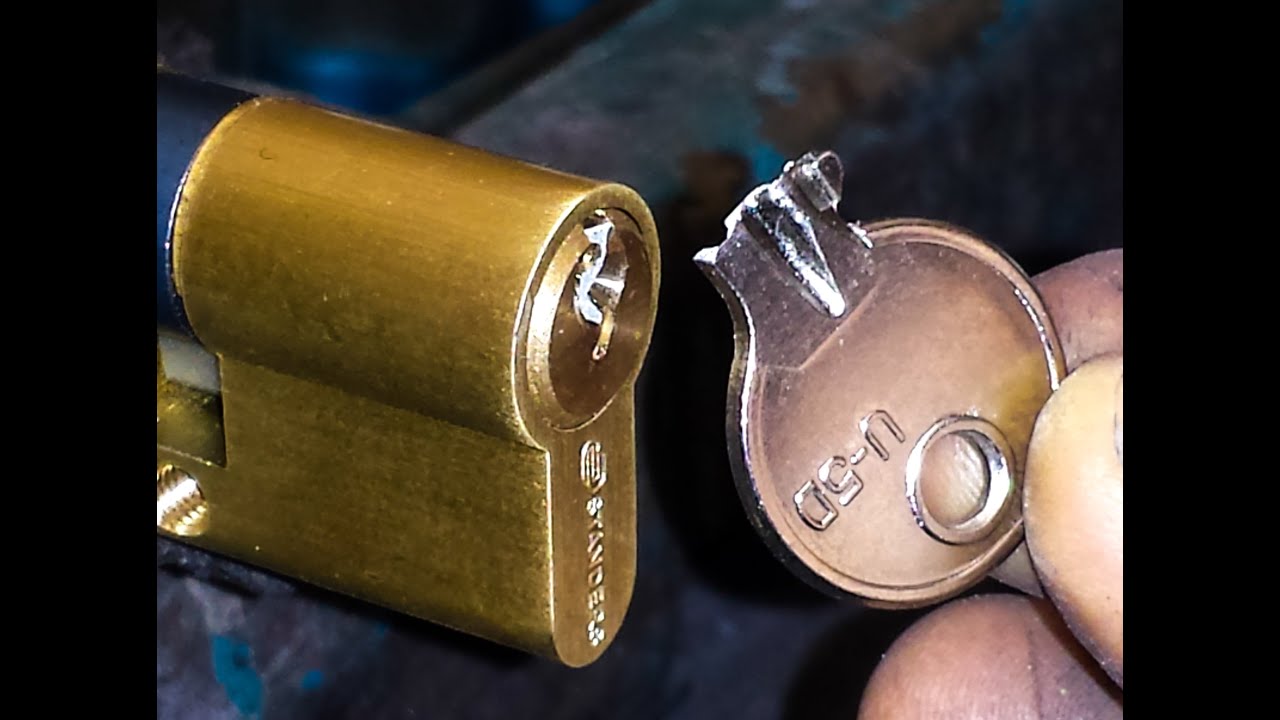
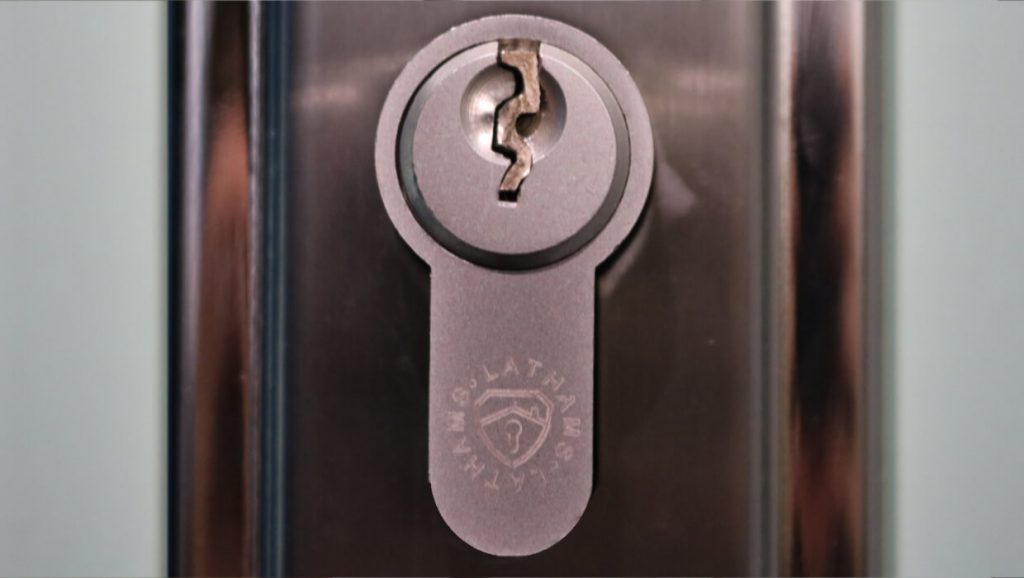
Look closely at the broken key part inside the keyhole. Is it sticking out or fully inside? A piece that sticks out is easier to pull out. If the key is deep, you might need special tools.
Try to see the key’s teeth or grooves. This helps know how it’s stuck. The key might be twisted or jammed. Knowing this guides your next steps.
Checking Lock Type
Identify what kind of deadbolt lock you have. Different locks have different mechanisms. Some have pins, others have discs. This affects how you remove the broken key.
Look for brand names or model numbers on the lock. This information helps find the right tools and advice. It also tells if the lock is old or new.
Credit: www.youtube.com
Simple Extraction Methods
Removing a broken key from a deadbolt lock is often simple. Using basic tools and a little patience can solve this issue quickly. These simple extraction methods help avoid damage to your lock and save time.
Using Pliers
First, try to grab the broken key piece with pliers. Needle-nose pliers work best for this task. Gently pull the key out, moving slowly to avoid pushing it deeper. If the key is visible and reachable, this method often works well. Avoid forcing the key, which might break it more.
Applying Lubricant
Spray a small amount of lubricant into the lock. This loosens any stuck parts inside the deadbolt. Wait a minute for the lubricant to work. Then, try pulling the key piece out again with pliers. Lubricant makes the extraction smoother and reduces friction. It also helps protect your lock from damage.
Advanced Techniques
Removing a broken key from a deadbolt lock can be tough. Basic methods may not work well. Advanced techniques often succeed where simple tricks fail. These methods require care and some special tools. They help pull out the stuck key without damaging the lock.
Using A Broken Key Extractor
A broken key extractor is a small tool made for this job. It has thin, hooked ends to grip the key inside the lock. Insert the extractor carefully into the keyway. Feel for the broken key piece. Gently pull it out while keeping steady pressure. Avoid pushing the key further inside. This tool works best for keys broken near the lock’s surface.
Employing A Jigsaw Blade
A small jigsaw blade can fit into tight spaces inside locks. Choose a fine-toothed blade. Insert it with the teeth facing the broken key. Slowly move the blade to catch the key’s ridges. Pull the blade out, bringing the key piece with it. This method needs patience and a steady hand. It works well if the key is deeply stuck and the extractor can’t grip it.
When To Call A Locksmith
Knowing when to call a locksmith is important after a key breaks in a deadbolt lock. Trying to fix it alone can cause more damage or make the lock unusable. A professional locksmith has the tools and skills to handle tough situations safely and quickly.
Sometimes, it is easy to remove a broken key. Other times, the problem needs expert help. Understanding the signs and when a locksmith is needed can save time and money.
Signs Of Lock Damage
Difficulty turning the key can mean the lock is damaged. Stuck or jammed deadbolts may signal internal parts are broken. If the lock feels loose or wobbly, it might be unsafe to use. Broken pieces inside the lock can cause it to stop working. Strange noises like grinding can show the lock is harmed.
Complex Lock Issues
Broken keys deep inside the lock need special tools to remove. Locks with internal damage require professional repair or replacement. Electronic or smart deadbolts often need expert help for safe fixing. If the lock stops working entirely, a locksmith can diagnose the problem. Attempting complex fixes without knowledge can worsen the issue.
Preventing Future Breakage
Preventing future breakage of keys in deadbolt locks saves time and money. Small habits help avoid key damage and lock problems. Focus on how you use keys and care for locks.
Proper Key Use
Always insert the key gently into the lock. Forcing keys can weaken them over time. Turn the key slowly and avoid twisting hard. Use the correct key for the lock only. Avoid using keys as tools for other jobs. Broken or bent keys should be replaced quickly. Carry spare keys to reduce wear on one key.
Regular Lock Maintenance
Keep the lock clean from dust and dirt. Use a soft brush or cloth to wipe the lock. Apply graphite powder or lock lubricant yearly. Avoid oil-based lubricants; they attract dust. Check the lock for any loose parts. Tighten screws and fix any damage fast. Regular care makes locks last longer and work better.

Credit: www.youtube.com
Credit: www.lathamshardware.co.uk
Frequently Asked Questions
How Can I Safely Remove A Broken Key From A Deadbolt?
Use needle-nose pliers or tweezers to grip the key fragment gently. Apply lubricant to ease removal. Avoid pushing the key further inside to prevent damage.
What Tools Are Best For Extracting A Broken Key?
Needle-nose pliers, tweezers, and graphite lubricant are ideal. A broken key extractor tool can also help. Choose tools that fit the lock size and key shape.
Can I Remove A Broken Key Without Damaging The Deadbolt?
Yes, by using gentle tools and lubricants. Avoid force or sharp objects that could harm internal lock parts. If unsure, consult a locksmith to prevent damage.
When Should I Call A Locksmith For A Broken Key?
Call a locksmith if the key is deeply stuck or removal attempts fail. Professional help prevents lock damage and ensures safe extraction.
Conclusion
Removing a broken key from a deadbolt lock takes patience and care. Small tools like pliers or tweezers can help pull the key out. Sometimes, applying lubricant makes the process easier. If the key stays stuck, calling a locksmith is the safest choice.
Taking your time avoids damage to the lock. Remember, quick actions prevent bigger problems. Keep these tips in mind for smooth, stress-free repairs. Your lock will work properly again with the right approach.