Have you ever struggled with a plastic hook stuck to your wall, unsure how to get it off without leaving a mess? You’re not alone.
Removing these hooks can be tricky—you want to protect your wall while making the hook disappear cleanly. If you’re worried about damaging your paint or leaving sticky residue behind, this guide is exactly what you need. Keep reading, and you’ll learn simple, effective steps to remove that plastic hook quickly and easily, saving your wall and your patience.
Credit: www.reddit.com
Tools You’ll Need
Removing a plastic hook from the wall requires the right tools. Using proper tools helps avoid damage to the wall. It also makes the task easier and faster.
Gather all tools before starting. This preparation saves time and effort. Here are the basic tools you will need for the job.
Flathead Screwdriver
A flathead screwdriver helps to pry the hook gently. It fits under the edge of the hook. Use it carefully to avoid scratching the wall.
Putty Knife
The putty knife slides under the hook’s base. It lifts the hook off the wall slowly. This tool spreads the pressure evenly, reducing wall damage.
Hairdryer
Heat softens the adhesive holding the hook. Use a hairdryer to warm the area. This makes the hook easier to remove without pulling hard.
Adhesive Remover
An adhesive remover cleans leftover glue on the wall. Choose one that is safe for painted surfaces. It helps restore the wall’s smooth finish.
Soft Cloth
A soft cloth wipes off dirt and adhesive residue. Use it with water or adhesive remover. It keeps the wall clean after removal.
Assessing The Hook Type
Removing a plastic hook from a wall starts with understanding the type of hook you have. This step helps prevent damage to the wall and makes removal easier. Different hooks attach to walls in different ways. Knowing the hook type guides the best removal method.
Identifying Adhesive Hooks
Adhesive hooks stick to the wall using glue. They do not use nails or screws. These hooks often come with a plastic tab for removal. Pulling the tab slowly stretches the adhesive. This method helps avoid wall damage.
Recognizing Nail Or Screw Hooks
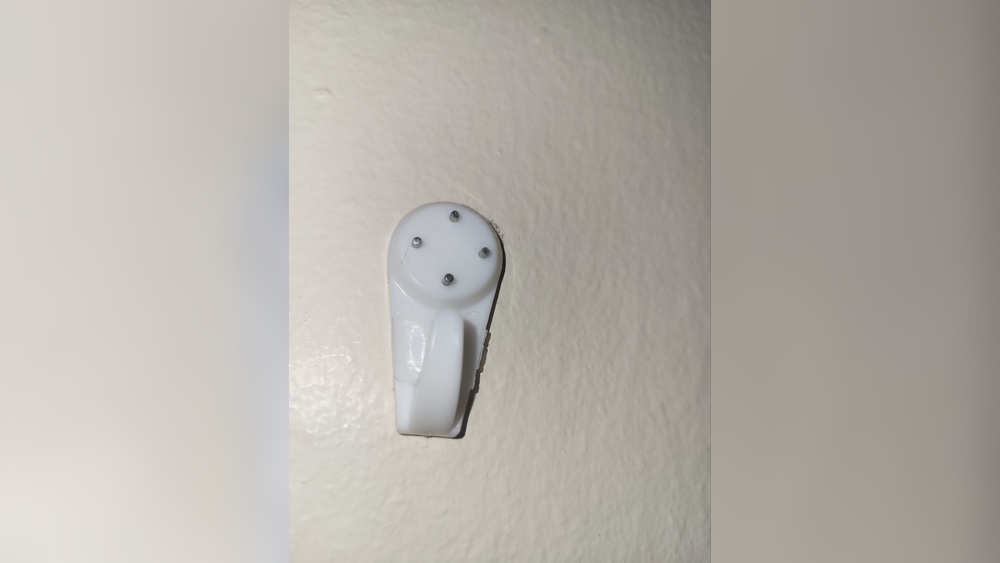
Some plastic hooks are fixed with nails or screws. These hooks have small metal parts holding them in place. Look closely to see if nails or screws are visible. Removing these hooks requires tools like a screwdriver or pliers.
Examining Push Pin Hooks
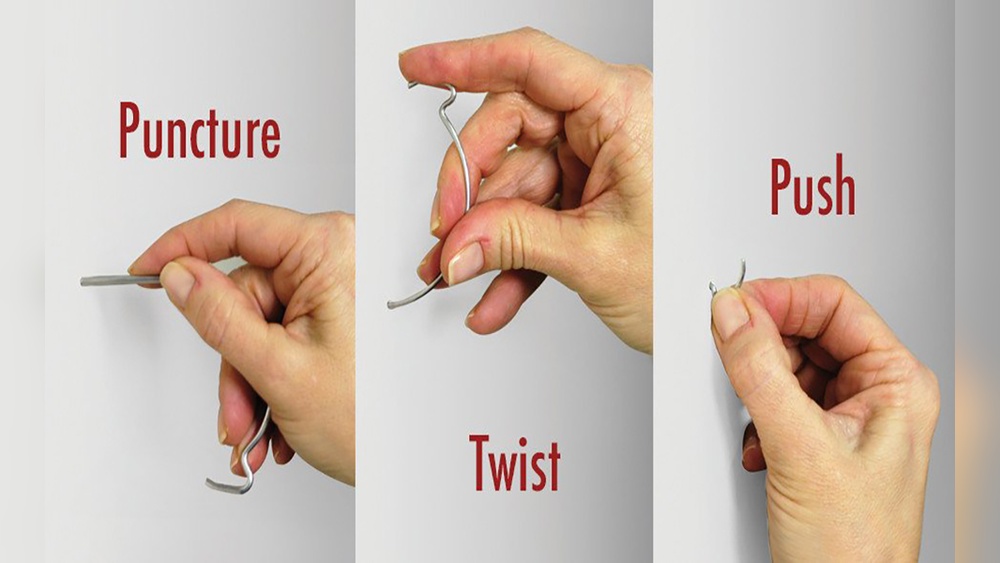
Push pin hooks pierce the wall with small sharp pins. They are easy to spot because they leave tiny holes. These hooks usually remove by pulling straight out. Use gentle force to avoid wall damage.
Checking For Wall Damage Risks
Some hooks cause more wall damage than others. Adhesive hooks can peel paint if removed too quickly. Nail or screw hooks may leave holes or cracks. Push pin hooks leave small punctures. Knowing this helps prepare for repair work after removal.
Simple Removal Methods
Removing a plastic hook from a wall does not have to be hard. Simple methods can help you take it off without damage. These easy steps save time and keep your wall safe. Here are two effective ways to try.
Gentle Pulling Techniques
Start by holding the hook firmly. Pull it slowly straight out from the wall. Avoid twisting or jerking to stop paint peeling. Use a little force but be gentle. If the hook moves, keep pulling steadily. Stop if you feel strong resistance.
Try wiggling the hook slightly from side to side. This can loosen the grip on the wall. Keep the motion small and careful. This method works best for hooks stuck with nails or weak glue. Patience helps avoid wall damage.
Using Heat To Soften Adhesive
Heat can soften the glue behind the hook. Use a hairdryer on low heat. Hold it close to the hook for about 30 seconds. Warm the area evenly without burning the wall.
After heating, try to pull the hook gently. The softened glue should release easier. Repeat heating if needed. This method works well for strong adhesives. It reduces the chance of paint or drywall damage.
Handling Stubborn Hooks
Stubborn plastic hooks can cause frustration during removal. They often stick tightly to the wall, risking damage if pulled harshly. Gentle and smart methods work best to ease hooks off without leaving marks. Below are two simple techniques that use common household items to handle these tricky hooks safely.
Applying Dental Floss Or Fishing Line
Take a piece of dental floss or fishing line and slide it behind the hook. Move it back and forth in a gentle sawing motion. This action loosens the adhesive or grip holding the hook to the wall. Keep the motion slow to avoid wall damage. Once the hook feels loose, pull it off carefully. This method helps remove hooks without pulling hard or leaving residue.
Using Plastic Cards For Leverage
Grab a plastic card like a credit or gift card. Insert the card’s edge between the hook and the wall. Use the card to gently pry the hook away. Work slowly around the hook’s edges, lifting a little at a time. The card distributes pressure evenly, reducing risk of wall damage. This simple trick helps release stubborn hooks without extra tools.
Removing Residual Adhesive
After removing a plastic hook from your wall, some sticky residue often remains. This leftover adhesive can attract dust and dirt, making your wall look messy. Removing it carefully helps keep your wall clean and smooth. There are simple ways to clear off this sticky stuff without damaging your paint or wallpaper. Use natural or commercial products depending on what you have at home or prefer to buy.
Natural Cleaning Solutions
Natural cleaning solutions work gently on adhesive residue. Warm soapy water is a safe start. Dip a cloth in warm, soapy water and rub the sticky area slowly. This softens the glue and makes it easier to wipe away.
White vinegar is another natural option. Apply a small amount of vinegar to a cloth. Gently rub the sticky spot until the residue loosens. Vinegar breaks down adhesive without harming most wall surfaces.
Cooking oil, like olive or coconut oil, can help too. Dab a little oil on the sticky patch. Let it sit for a few minutes. Then rub gently to remove the residue. This method also protects paint from damage.
Commercial Adhesive Removers
Commercial adhesive removers are designed to dissolve sticky glue quickly. These products work well on tough residues that natural solutions can’t remove. Apply the remover to the adhesive using a cloth or sponge. Follow the instructions on the package carefully.
Allow the remover to sit for a few minutes. This softens the glue and makes it easy to wipe away. Use a clean cloth to rub the area gently. Avoid scrubbing hard to protect your wall’s finish.
Test the remover on a small hidden spot first. This check ensures it does not harm your paint or wallpaper. After cleaning, wipe the wall with a damp cloth. This step removes any chemical residue left behind.

Credit: www.reddit.com
Preventing Wall Damage
Removing a plastic hook from a wall requires care to protect the surface. Walls can easily get scratched or torn if the hook is pulled the wrong way. Taking steps before and after removal helps keep the wall smooth and clean. These simple actions reduce the risk of damage and save time on repairs.
Protective Measures Before Removal
Start by softening the hook’s adhesive. Use a hairdryer on low heat and warm the area for a minute. This loosens the glue and eases removal. Avoid pulling the hook too fast to stop paint from peeling. Try sliding dental floss or fishing line behind the hook to cut the glue gently.
Post-removal Wall Care
Once the hook is off, check the wall for any marks or glue. Use a soft cloth and warm soapy water to clean the spot. For sticky residue, rub with a little rubbing alcohol or adhesive remover. Patch small holes with spackling paste and smooth it out. After drying, lightly sand the area and touch up with matching paint.
Tips For Future Hook Installations
Installing hooks on walls can be tricky. The right steps help avoid damage and make removal easy later. These tips help you place hooks safely and keep your walls clean.
Follow these simple rules for better results with future hook installations.
Choose The Right Hook For Your Wall Type
Different walls need different hooks. Drywall, brick, and plaster require special hooks. Use hooks made for your wall material. This prevents holes and cracks.
Test Hook Strength Before Hanging
Check how much weight the hook can hold. Use light items first. This stops hooks from falling and damaging walls.
Use Adhesive Hooks For Light Items
Adhesive hooks leave no holes. They work well for small pictures or keys. Clean the wall before sticking the hook for better hold.
Mark The Spot Before Installation
Use a pencil to mark hook spots. This helps place hooks straight. It avoids multiple holes from moving the hook.
Follow Manufacturer’s Instructions Carefully
Read and follow instructions on hook packaging. Proper use improves hook performance. It also protects your walls from damage.

Credit: www.youtube.com
Frequently Asked Questions
How Do I Safely Remove A Plastic Hook From The Wall?
To remove a plastic hook safely, gently pry it with a flat tool. Use heat from a hairdryer to soften adhesive. Pull slowly to avoid wall damage. Clean residue with mild soap and water afterward.
Can I Remove Plastic Hooks Without Damaging Paint?
Yes, you can avoid paint damage by heating the hook’s base. Use a hairdryer to soften the adhesive. Slowly peel the hook off. If needed, use adhesive remover carefully on paint spots.
What Tools Help In Removing Plastic Hooks Easily?
Common tools include a flathead screwdriver, hairdryer, and adhesive remover. The hairdryer softens glue, the screwdriver pries gently, and remover cleans residue. These tools ensure easy and damage-free hook removal.
How To Remove Sticky Residue After Removing Plastic Hooks?
Use warm soapy water or rubbing alcohol on a cloth. Gently rub the residue until it dissolves. Avoid harsh scrubbing to protect the wall surface. Commercial adhesive removers work well for stubborn residue.
Conclusion
Removing a plastic hook from a wall is simple with the right steps. Take your time and use gentle tools to avoid damage. Warm the area if the hook sticks tight. Peel slowly and clean any leftover marks. This keeps your wall smooth and ready for new decor.
Practice patience, and you’ll get a neat result every time. Easy fixes like this save time and money around the house. Try these tips next time you need to remove hooks safely.