If you’ve ever wondered how to keep your Metro shelves sturdy and secure, you’re in the right place. Anchoring your shelves to the wall not only prevents accidents but also helps you maximize space safely.
Imagine opening a heavy shelf without worrying it might tip over—that peace of mind is just a few simple steps away. In this guide, you’ll discover easy, practical tips to anchor your Metro shelves like a pro. Ready to make your storage safer and more reliable?
Let’s get started.

Credit: www.youtube.com
Choosing The Right Anchors
Choosing the right anchors is key to safely securing Metro shelves to a wall. The correct anchors provide strong support and prevent shelves from falling. Different walls need different anchors. Picking the right one ensures stability and safety.
Types Of Wall Anchors
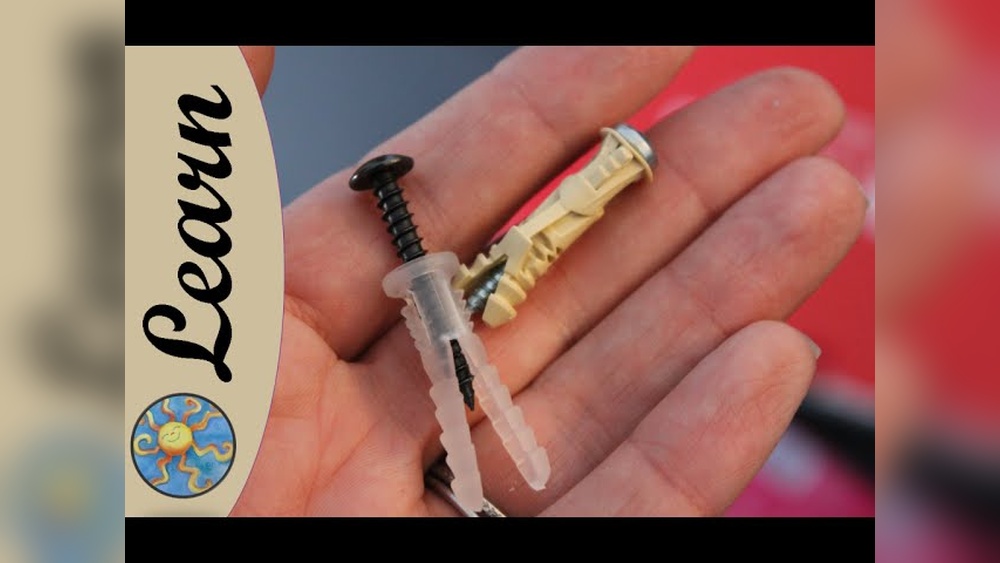
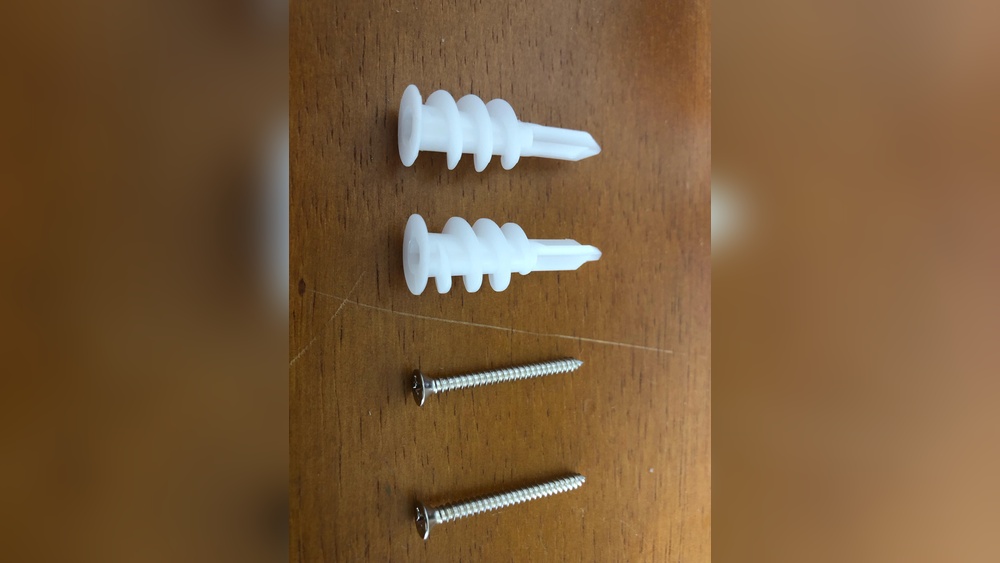
Plastic anchors are common and work well in drywall. They expand inside the wall to hold screws tightly. Metal anchors offer more strength for heavier loads. Toggle bolts spread the load across a larger area. Molly bolts also give firm support in hollow walls. Each type fits different needs.
Matching Anchors To Wall Material
Drywall needs anchors designed to hold in soft material. Concrete or brick walls require anchors that can drill into hard surfaces. Wood walls often allow screws to go directly in without anchors. Use anchors made for your wall type to avoid damage. Wrong anchors may cause shelves to fall.
Weight Capacity Considerations
Check the weight of items you plan to place on shelves. Choose anchors that can hold more than the total weight. Overloading anchors can cause shelves to pull out. Use heavy-duty anchors for large or heavy items. Always follow weight limits on anchor packaging.
Tools And Materials Needed
Anchoring Metro shelves to a wall requires the right tools and materials. These items ensure a secure and stable installation. Preparing your workspace with everything you need saves time and effort. Below is a list of essential tools, safety gear, and extra supplies for the job.
Essential Tools For Installation
Start with a power drill to make holes in the wall. A screwdriver helps tighten screws firmly. Use a level to keep shelves straight. A tape measure ensures accurate spacing. A stud finder locates wall studs for strong support. A pencil marks drilling spots clearly. These tools are basic but vital for proper anchoring.
Safety Gear
Wear safety glasses to protect your eyes from dust and debris. Gloves keep your hands safe from sharp edges and tools. Ear protection reduces noise from drilling. Use a dust mask to avoid inhaling particles. Safety gear prevents injuries and keeps the work area safe.
Additional Supplies
Wall anchors provide extra support in drywall or hollow walls. Screws must match the shelf brackets and anchors. Use washers to distribute pressure evenly. A ladder or step stool helps reach higher spots. Have a clean cloth ready to wipe dust after installation. These supplies complete the setup for strong, lasting shelves.
Preparing The Wall And Shelves
Preparing the wall and shelves is the first step to secure your Metro shelves safely. Proper preparation ensures the shelves hold weight without damage. It also makes the installation process smoother and faster.
Locating Wall Studs
Find the wall studs before you start drilling. Studs provide strong support for heavy shelves. Use a stud finder tool and slowly move it across the wall. Mark the spots where the studs are located with a pencil. Avoid guessing. Anchoring only to drywall can cause shelves to fall.
Measuring And Marking Anchor Points
Measure carefully where you want the shelves to go. Use a tape measure to mark the height and width. Make marks on the wall that align with the stud locations. Also, mark the spots on the shelf brackets for screws. Accurate marks help keep shelves level and secure.
Cleaning And Clearing The Area
Clear the area around the wall for easy access. Remove furniture and obstacles near the installation spot. Clean the wall surface to remove dust and dirt. This helps anchors stick better and prevents slipping. A clean, clear workspace speeds up the job and keeps you safe.

Credit: www.shelving.com
Step-by-step Installation
Installing Metro shelves on a wall can be simple with clear steps. Follow each part carefully to ensure the shelves stay strong and secure. This guide breaks down the process into easy tasks anyone can do.
Drilling Pilot Holes
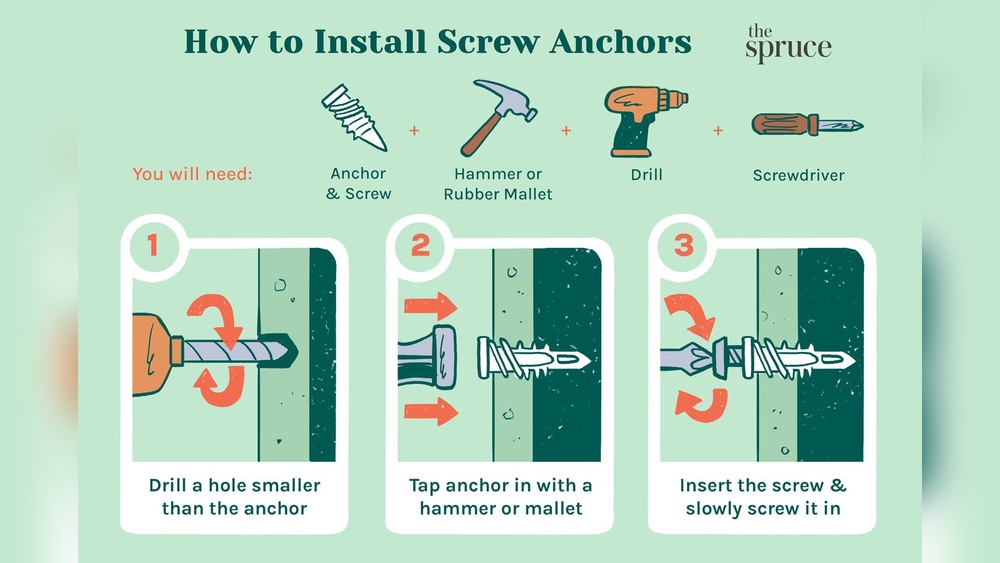
Start by marking where the shelves will go on the wall. Use a pencil to make small marks at the bracket spots. Pick a drill bit smaller than the anchor size. Drill holes carefully at each mark. Keep the drill straight to avoid angled holes. Clean out dust from the holes before moving on.
Inserting Anchors
Choose wall anchors that fit the holes and weight of the shelves. Push each anchor gently into the drilled holes. Use a hammer softly if the anchors do not fit easily. Make sure anchors sit flush with the wall surface. Anchors provide strong support for the screws.
Securing Metro Shelves To The Wall
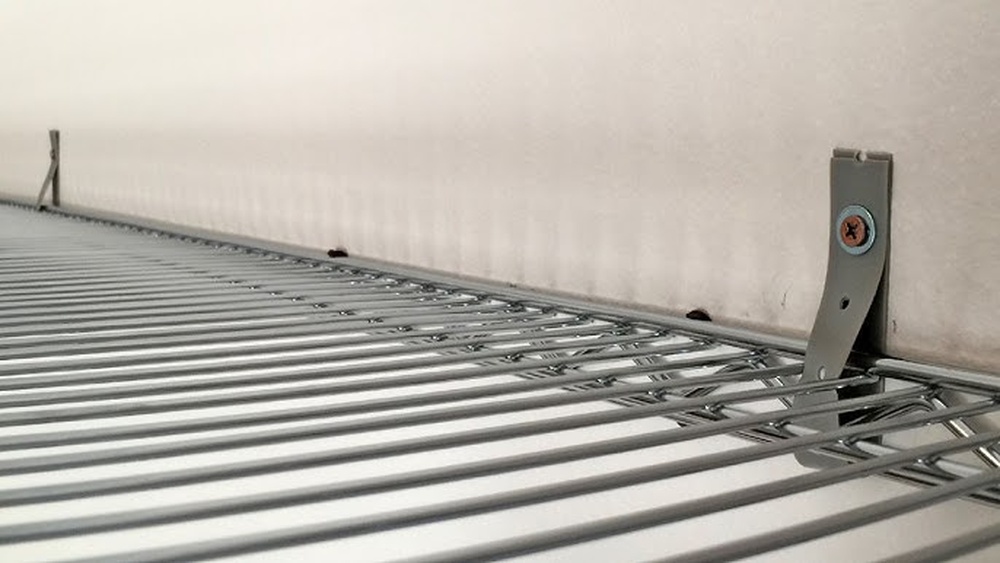
Place the Metro shelf brackets against the wall, lining up with anchors. Insert screws through the bracket holes into the anchors. Tighten screws with a screwdriver until firm. Check that shelves do not move or wobble. Adjust screws if needed to keep shelves stable.
Safety Tips And Best Practices
Anchoring Metro shelves to a wall requires care and attention. Safety is key to prevent accidents and damage. Follow simple tips and best practices to keep shelves steady and secure. These steps help protect people and items stored on the shelves.
Avoiding Common Mistakes
Use the right tools for the job. Choose anchors that fit your wall type. Do not skip measuring before drilling holes. Avoid overloading shelves beyond their weight limit. Tighten screws firmly but do not overtighten. Poor installation causes shelves to wobble or fall.
Regular Inspection And Maintenance
Check the shelves regularly for signs of wear or damage. Look for loose screws or bent brackets. Tighten any loose parts right away. Replace damaged anchors or screws immediately. Regular upkeep helps avoid sudden failures and keeps shelves reliable.
Handling Heavy Loads Safely
Place heavy items on lower shelves to keep balance. Distribute weight evenly across the shelf surface. Do not push items beyond the shelf edges. Lift heavy objects carefully to avoid strain or dropping. Use additional support if shelves hold very heavy loads.

Credit: diy.stackexchange.com
Frequently Asked Questions
How Do I Securely Anchor Metro Shelves To A Wall?
To anchor Metro shelves securely, use wall anchors suitable for your wall type. Mark shelf positions, drill pilot holes, and use screws with anchors. This ensures the shelves stay stable and prevent tipping or falling.
What Tools Are Needed To Mount Metro Shelves?
You need a drill, screws, wall anchors, a level, a pencil, and a screwdriver. These tools help you mark, drill, and fasten shelves safely and accurately.
Can I Anchor Metro Shelves On Drywall Without Studs?
Yes, but use heavy-duty drywall anchors or toggle bolts. These provide strong support when studs are unavailable, ensuring shelves hold weight safely.
How To Choose The Right Wall Anchors For Metro Shelves?
Select anchors based on your wall material and shelf weight. Plastic anchors suit light loads; metal or toggle anchors are best for heavy Metro shelves.
Conclusion
Anchoring Metro shelves to a wall keeps them steady and safe. Follow the right steps for strong support and balance. Use proper tools and check the wall type first. Secure shelves properly to avoid accidents and damage. Taking time to install shelves correctly saves future hassle.
Enjoy a neat, organized space with well-anchored Metro shelves. Simple tips make the job easier and more reliable. Ready to store items safely and keep your room tidy?