Are you looking to add a shade to your outdoor space but worried about how to securely attach it to your stucco wall? You’re not alone.
Anchoring a shade into stucco can seem tricky, but with the right steps, you can do it safely and firmly. In this guide, you’ll discover simple, effective techniques to get your shade up and provide the cool, comfortable outdoor area you’ve been dreaming of.
Keep reading to learn how to protect your wall and your shade, so you can enjoy your space without any hassle.
Credit: www.maantaoutdoor.com
Tools And Materials Needed
Preparing to anchor a shade into a stucco wall requires the right tools and materials. Having everything ready makes the process smoother and safer. Each item plays an important role in securing the shade properly. Below are the main tools and materials you will need.
Essential Anchors And Screws
Use anchors made for stucco or masonry walls. Plastic or metal anchors provide a strong hold. Choose screws that fit the anchors well. Stainless steel screws resist rust and last longer outdoors. The size of the anchors and screws depends on the shade’s weight.
Drill And Bits
A power drill is necessary for making holes in stucco. Use a masonry drill bit to drill through the hard surface. The bit size should match the anchor size. A hammer drill can make the job easier but is not always required. Have extra drill bits in case one breaks.
Measuring Tools
Accurate measurements ensure the shade fits correctly. Use a tape measure to find the right height and width. A pencil or chalk helps mark the drill spots. A level keeps the shade straight after installation. Double-check measurements before drilling any holes.
Safety Gear
Safety is important during drilling and installation. Wear safety glasses to protect your eyes from dust and debris. Use gloves to protect your hands from sharp edges. A dust mask helps avoid breathing in fine particles. Keep the workspace clean and clear of obstacles.
Preparing The Stucco Surface
Preparing the stucco surface is the first step to anchor a shade securely. The surface must be strong and clean. This helps the anchors hold well and prevents damage to the wall. Follow these simple steps to get the stucco ready for your shade.
Locate The Studs
Studs are the wooden or metal beams behind the stucco. Anchoring into studs gives the best support. Use a stud finder to find the exact spots. Mark these points clearly. Avoid drilling only into the stucco without hitting a stud. The shade might fall or cause cracks.
Mark Anchor Points
Decide where to place the shade. Mark the spots on the stucco where the anchors will go. Use a pencil for easy removal later. Make sure marks align with the studs. Check the height and width carefully. This keeps the shade balanced and tight against the wall.
Clean The Area
Remove dust, dirt, and loose stucco around the marks. Use a brush or a damp cloth. Dry the area fully before drilling. Clean surfaces help the anchors grip better. A clean surface also prevents moisture from getting trapped and causing damage.
Choosing The Right Anchor
Choosing the right anchor is key for securing a shade to a stucco wall. The anchor holds the shade in place and keeps it safe. Picking the correct type helps avoid damage to the wall and ensures the shade stays put. This section explains what to consider when selecting an anchor for stucco.
Types Of Anchors For Stucco
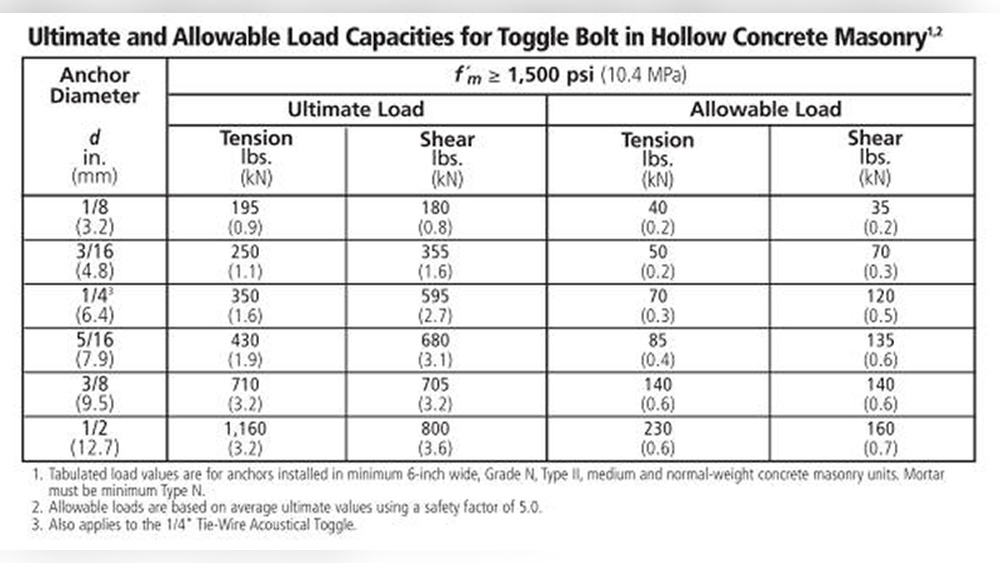
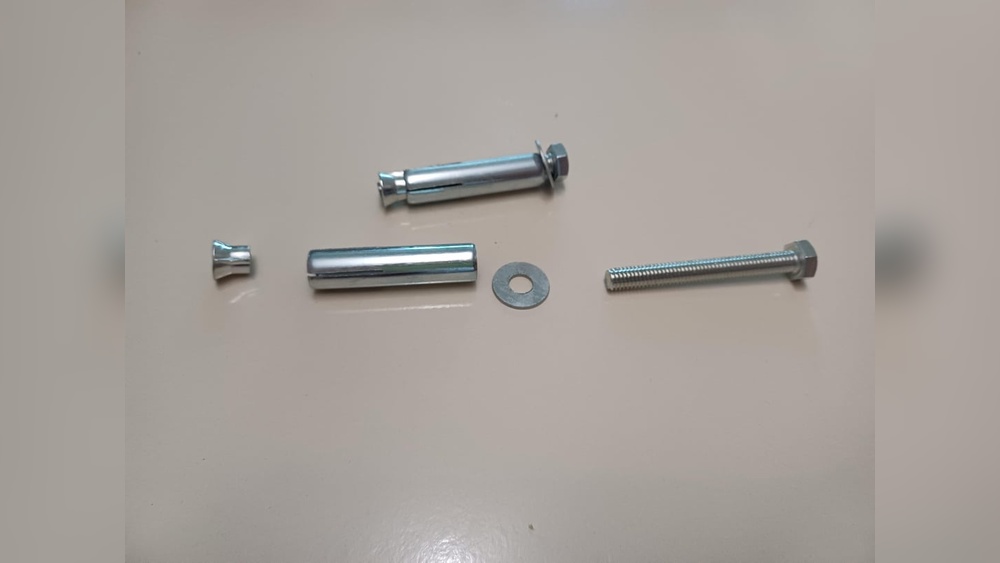
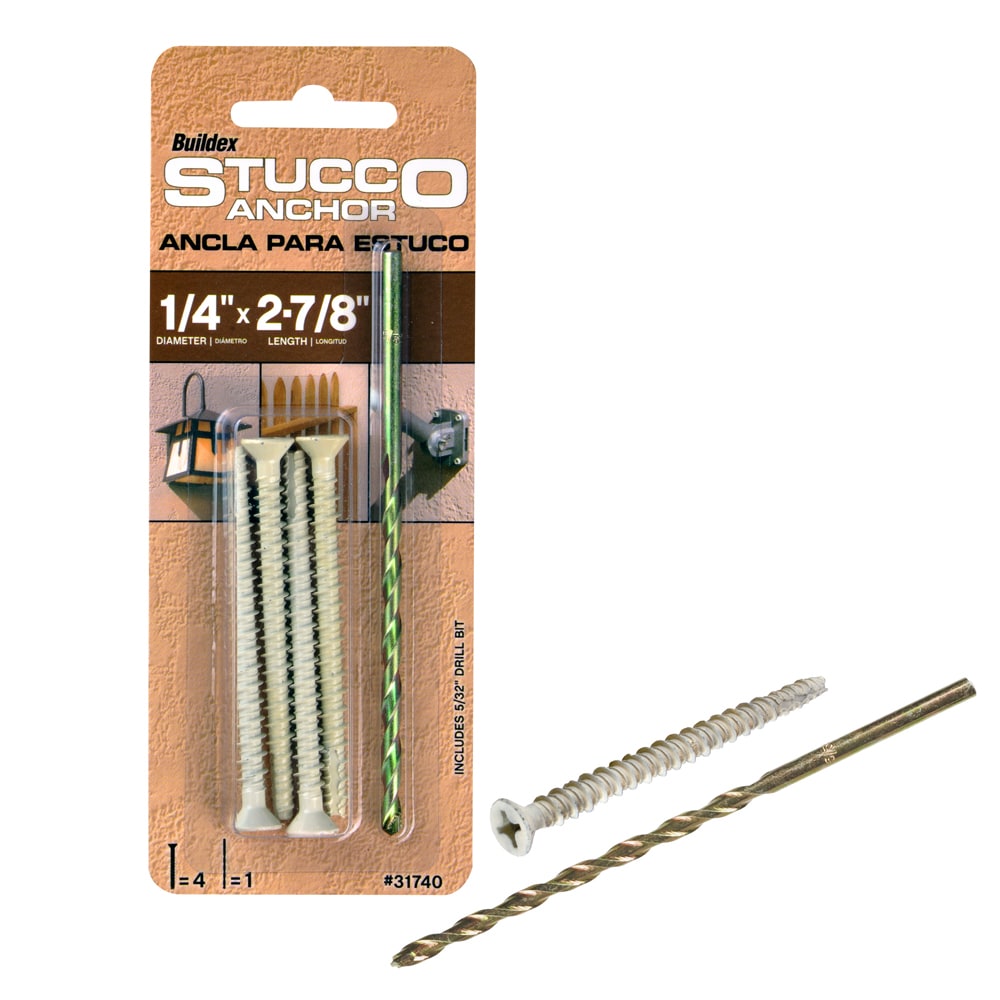
Stucco walls need anchors that grip well but do not crack the surface. Plastic expansion anchors work for light loads. Metal sleeve anchors offer stronger support for heavier items. Tapcon screws are good if you find solid material behind the stucco. Choose anchors made for masonry or stucco walls to get the best hold.
Weight Considerations
Know the weight of your shade before choosing an anchor. Light shades need simple anchors. Heavy shades require stronger anchors or multiple anchors. The right anchor size and type prevent the shade from falling. Always follow the anchor’s weight limits to keep the installation safe.
Weather Resistance
Stucco is often outdoors and faces sun, rain, and wind. Pick anchors made from rust-proof materials like stainless steel or coated metal. These resist corrosion and last longer. Weather-resistant anchors keep the shade secure through changing seasons. Avoid cheap anchors that can weaken and break over time.

Credit: www.youtube.com
Drilling Into Stucco
Drilling into stucco requires care and the right tools. Stucco is a hard surface that can crack if drilled improperly. Following the correct steps helps secure your shade anchor safely. This section explains how to drill without damaging the stucco.
Selecting Drill Bit Size
Choose a drill bit slightly smaller than the anchor size. This ensures a tight fit for the anchor. Using a masonry bit is best for stucco. It can cut through the rough texture easily. Avoid using wood or metal bits as they may not work well.
Proper Drilling Technique
Start drilling slowly to avoid slipping on the stucco surface. Hold the drill steady and apply gentle pressure. Let the drill do the work, do not push hard. Drill straight into the wall at the right spot. Stop as soon as the hole is deep enough for the anchor.
Avoiding Stucco Damage
Use a piece of tape on the drill bit as a depth guide. This prevents drilling too deep and causing cracks. Drill in short bursts instead of continuous drilling. This reduces heat build-up and damage. Clean dust from the hole before inserting anchors. This helps the anchor hold better and keeps stucco intact.
Installing The Anchor
Installing the anchor is a key step to secure your shade on a stucco wall. This process ensures the shade stays firm and safe. Proper installation prevents damage to the wall and keeps the shade in place during windy days.
Inserting The Anchor
Start by drilling a hole into the stucco. Use a drill bit that matches the size of the anchor. Clean out dust from the hole to help the anchor fit tightly. Push the anchor gently into the hole until it is flush with the wall surface.
Securing The Anchor
Next, insert the screw into the anchor. Use a screwdriver to tighten the screw slowly. Do not overtighten as this can crack the stucco. The screw should feel firm and hold the anchor snugly against the wall.
Testing Stability
After securing, gently pull on the anchor to check its hold. It should not move or wiggle. Test the shade by applying light pressure to the mounting point. Confirm the anchor stays firm before fully hanging the shade.
Credit: www.lowes.com
Attaching The Shade
Attaching the shade to a stucco wall requires care and accuracy. Proper attachment ensures stability and safety. Follow each step closely to secure the shade firmly in place.
Aligning The Shade Mounts
Start by holding the shade mounts against the stucco wall. Check that they are level and straight. Mark the drill spots clearly on the wall. Precise marks help avoid errors in drilling. Take your time to measure twice and mark once.
Securing With Screws
Use a hammer drill to make holes at the marked spots. Insert wall anchors into the holes for extra support. Place the shade mounts back on the wall. Drive screws through the mounts into the anchors. Tighten screws securely, but do not over-tighten. Proper screw placement prevents damage to the stucco.
Final Adjustments
Check the shade for correct alignment and stability. Adjust the mounts if the shade is uneven. Confirm all screws are tight and secure. Test the shade by gently pulling on it. A firmly attached shade will not move or wobble.
Maintenance Tips
Maintaining your shade anchored into a stucco wall keeps it strong and safe. Small tasks done regularly help avoid big problems later. These simple steps ensure your shade lasts long and works well.
Regular Inspections
Check the anchors and shade often. Look for cracks in the stucco or rust on the anchors. Notice any loose screws or parts. Catching problems early stops damage from growing. Set a schedule to inspect at least twice a year.
Cleaning Anchors And Shade
Clean the anchors and shade to remove dirt and dust. Use a soft cloth and mild soap with water. Avoid harsh chemicals that can damage the materials. Keep the area dry after cleaning to prevent rust. Clean parts help the shade hold better and last longer.
Handling Repairs
Fix small problems quickly. Tighten loose screws or replace rusty anchors. Repair cracks in the stucco to keep the wall strong. Use proper tools and materials for repair work. Call a professional if damage is large or complex. Quick repairs protect your shade and wall from harm.
Frequently Asked Questions
How Do You Anchor A Shade Into A Stucco Wall?
To anchor a shade into stucco, use a masonry drill bit to make holes. Insert wall anchors, then secure the shade with screws. This method ensures a strong hold without damaging the stucco surface.
What Tools Are Needed To Anchor Shades On Stucco?
You will need a masonry drill bit, a power drill, wall anchors, screws, a screwdriver, and a pencil for marking. These tools help ensure proper installation and secure attachment to the stucco wall.
Can You Drill Directly Into Stucco For Shade Anchors?
Yes, you can drill directly into stucco using a masonry bit. Be careful to drill slowly to avoid cracking. Always use wall anchors to provide extra support for the screws.
How Do I Prevent Damage To Stucco When Installing Anchors?
Drill slowly and use the correct masonry bit size. Avoid applying too much pressure to prevent cracks. Use plastic or metal anchors to distribute the load evenly and protect the stucco.
Conclusion
Anchoring a shade into a stucco wall is simple with the right steps. Use the correct tools and anchors to keep the shade secure. Always measure carefully before drilling to avoid mistakes. Take your time to ensure the shade holds tight and stays safe.
This method helps you enjoy shade without damage to your wall. Now, you can add comfort and style to your outdoor space easily.