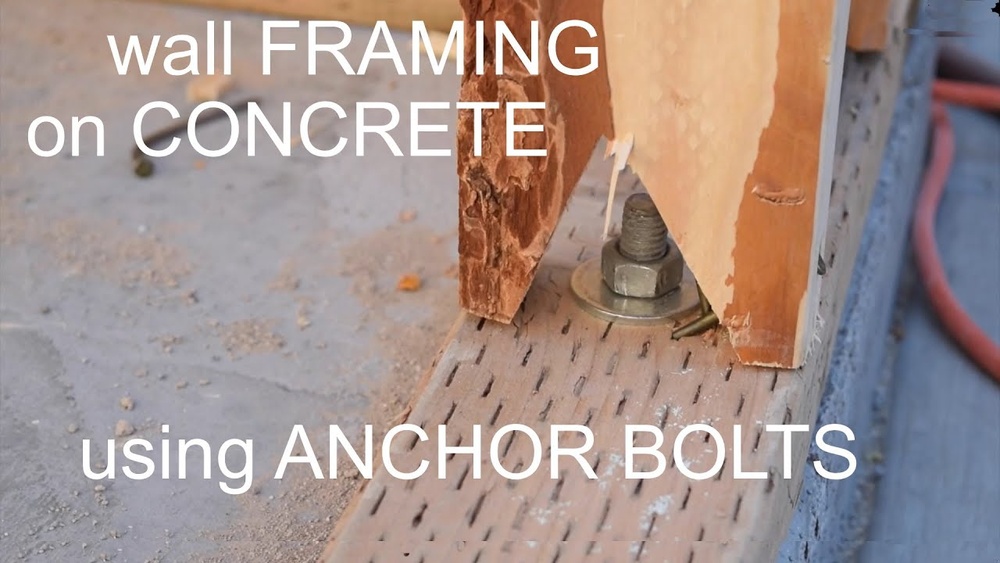
Are you planning to secure your exterior wall to a concrete base but unsure where to start? Anchoring your wall properly is crucial for safety and durability.
If you get it wrong, you could face costly repairs or even structural damage. In this guide, you’ll discover simple, step-by-step instructions that anyone can follow to anchor an exterior wall firmly to concrete. By the end, you’ll have the confidence to tackle this task yourself and ensure your wall stands strong against the elements.
Keep reading to learn the essential tips and tricks that make the job easier and more effective.
Choosing The Right Anchor
Choosing the right anchor is key to a strong exterior wall attachment. The right anchor keeps the wall secure and prevents damage. Different anchors fit different needs and materials. Understanding types, compatibility, and load capacity helps pick the best option. This guide simplifies those choices.
Types Of Anchors For Exterior Walls
Concrete wedge anchors are strong and easy to install. Sleeve anchors expand inside the hole for a tight fit. Drop-in anchors sit flush with the surface, good for smooth walls. Epoxy anchors use glue for extra hold in weak concrete. Each type suits different wall and concrete conditions.
Material Compatibility
Match anchors to both wall and concrete materials. Steel anchors work well with concrete and brick. Stainless steel resists rust in wet or outdoor places. Avoid anchors that react with wall material, causing corrosion or damage. Proper compatibility extends the life of your wall attachment.
Load-bearing Considerations
Check the weight your wall and anchor must support. Heavy walls need anchors with high load capacity. Light anchors suit small fixtures or siding. Overloading anchors can cause failure and wall damage. Always choose anchors rated above the expected load for safety.

Credit: floatconcrete.com
Preparing The Concrete Surface
Preparing the concrete surface is a crucial step before anchoring an exterior wall. It ensures the anchors hold firmly and last long. Proper preparation reduces the risk of damage and improves safety. Follow these key steps to get the concrete ready.
Cleaning And Inspecting The Area
Start by removing dirt, dust, and loose debris from the concrete surface. Use a stiff brush or a broom to clean the area well. Check for cracks, chips, or damage on the concrete. Make sure the surface is solid and stable. Any damage can weaken the anchor’s hold.
Marking Anchor Points
Measure and mark the exact spots where the anchors will go. Use a pencil or chalk to make clear marks. Double-check the spacing and alignment of these points. Correct placement is important for wall stability. Take your time to ensure the marks are accurate.
Drilling Proper Holes
Choose a drill bit sized to fit your anchors. Use a hammer drill for tough concrete. Drill holes straight and to the correct depth. Avoid making holes too wide or too shallow. Clear dust from holes using a brush or compressed air. Clean holes help anchors grip better.
Installing The Anchors
Installing anchors on an exterior wall to concrete is a key step. It ensures the wall stays firmly in place. Proper installation helps the structure resist wind and weather. Use the right anchor type for strong, lasting support.
Setting Expansion Anchors
Drill a hole in the concrete the size of the anchor. Clean out dust and debris from the hole. Insert the expansion anchor into the hole. Tighten the bolt or nut to expand the anchor inside. The anchor grips the concrete tightly. It provides a secure hold for the wall.
Using Sleeve Anchors
Start by drilling a hole slightly larger than the sleeve diameter. Remove any dust from the hole with a brush or blower. Insert the sleeve anchor through the wall into the hole. Tighten the nut to pull the sleeve outward. This action locks the anchor inside the concrete. Sleeve anchors offer strong, reliable support for heavy loads.
Applying Epoxy Anchors
Clean the drilled hole thoroughly using a wire brush and air blower. Inject epoxy resin deep into the hole. Insert the threaded rod or rebar into the epoxy-filled hole. Allow the epoxy to cure fully, following product instructions. The hardened epoxy bonds the anchor firmly to concrete. This method creates a very strong connection for critical applications.

Credit: www.youtube.com
Securing The Exterior Wall
Securing the exterior wall to concrete is a critical step in building strong, durable structures. Proper attachment ensures stability and safety. It protects the building from weather and structural damage. This section explains key steps to secure the wall frame firmly to the concrete base.
Aligning Wall Frames
Start by positioning the wall frames carefully on the concrete foundation. Check the layout for correct spacing and placement. Use a chalk line or laser level to mark the exact position. Make sure the frames sit flat and straight on the surface. Proper alignment prevents future shifts and gaps.
Fastening Techniques
Choose the right anchors for attaching the wall frames to concrete. Common options include wedge anchors, sleeve anchors, or concrete screws. Drill holes through the bottom plate into the concrete. Insert anchors securely and tighten them firmly. Avoid over-tightening, which can damage the concrete or frame.
Ensuring Level And Plumb
Check the wall frames for level and plumb after fastening. Use a spirit level to confirm vertical and horizontal alignment. Adjust the frames before fully tightening anchors if needed. Correct level and plumb guarantee a straight and stable wall. This step is crucial for proper installation of siding and finishes.
Enhancing Durability
Enhancing the durability of an exterior wall anchored to concrete is essential for long-lasting strength. Strong connections resist weather, movement, and wear. This keeps the structure safe and stable over time.
Using the right materials and care protects the wall from damage. Simple steps extend the life of your wall and reduce repair needs.
Corrosion-resistant Materials
Choose fasteners made from stainless steel or galvanized steel. These metals resist rust and corrosion better than regular steel. Corrosion weakens the anchor and can cause failure.
Use corrosion-resistant washers and plates too. They add extra protection where metal meets concrete. This helps maintain a strong hold in wet or salty conditions.
Sealing And Waterproofing
Apply sealant around anchor points to block water entry. Water can cause rust and damage concrete. Proper sealing stops moisture from reaching metal parts.
Use waterproof coatings on the wall surface. These coatings protect concrete and metal from rain and snow. Waterproofing lowers the chance of cracks and rust.
Regular Maintenance Tips
Inspect anchors and walls regularly for signs of wear. Look for rust, loose bolts, or cracks. Early detection prevents serious damage.
Clean anchor areas to remove dirt and debris. Dirt traps moisture, which speeds up corrosion. Tighten any loose fasteners immediately.
Common Mistakes To Avoid
Anchoring an exterior wall to concrete requires care and precision. Mistakes during this process can weaken the structure and cause costly repairs. Avoiding common errors ensures a strong, lasting connection between the wall and concrete.
Incorrect Anchor Selection
Choosing the wrong anchor weakens the wall’s hold. Not all anchors fit every type of concrete or wall. Use anchors designed specifically for the weight and material of the wall. Avoid cheap or unsuitable anchors that may fail under pressure.
Improper Drilling Depth
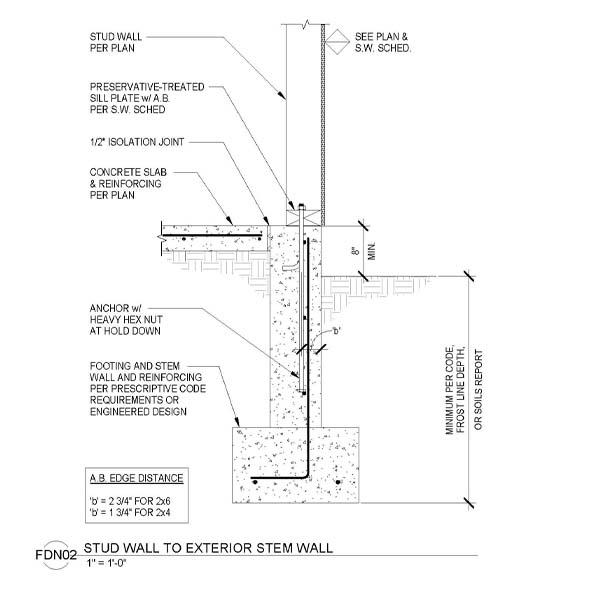
Drilling too shallow or too deep causes poor anchor performance. Anchors need the correct hole depth for a tight fit. Follow the anchor manufacturer’s drilling depth instructions carefully. A hole that is too deep wastes material and reduces holding power.
Ignoring Load Specifications
Every anchor has a weight limit. Ignoring load limits risks wall collapse or damage. Check the load specifications before installation. Match anchors to the wall’s weight and any extra forces like wind or vibration.
Credit: www.woodworks.org
Frequently Asked Questions
What Tools Are Needed To Anchor Exterior Walls To Concrete?
You need a drill, masonry bit, hammer, anchors, screws, and a level. These tools ensure precise and secure fastening of the wall to concrete surfaces.
How Do You Choose The Right Anchor For Concrete Walls?
Select anchors based on wall weight, concrete type, and environmental conditions. Common choices include wedge anchors, sleeve anchors, and concrete screws for strong, lasting holds.
Can I Anchor Exterior Walls Without Drilling Into Concrete?
No, drilling is essential to create holes for anchors. Proper drilling ensures secure attachment and prevents damage to both the wall and concrete foundation.
What Is The Best Anchor Depth For Concrete Walls?
Anchor depth should match the manufacturer’s recommendations, typically 1. 5 to 2 inches minimum. Proper depth ensures maximum holding strength and wall stability.
Conclusion
Anchoring an exterior wall to concrete ensures strong, lasting support. Use the right tools and materials for safety. Measure and mark carefully before drilling holes. Secure anchors firmly to prevent wall movement. Check your work to avoid future problems. This process helps protect your building from damage.
Follow these steps to anchor walls correctly and confidently. Solid walls mean a safer home or structure. Keep these tips handy for your next project.


