Have you ever hung a picture or shelf, only to find the wall anchor suddenly fall out? It’s frustrating, messy, and can leave your walls damaged.
But don’t worry—you can fix this problem quickly and easily. You’ll learn simple steps to repair a wall anchor that fell out and make sure it holds strong next time. Keep reading to save your walls and get your items back up safely.

Credit: www.reddit.com
Identify The Wall Anchor Type
Before fixing a wall anchor that fell out, identify the anchor type. Different anchors work in different ways. Knowing the type helps you fix it correctly. It also helps you choose the right replacement if needed.
Plastic Expansion Anchors
Plastic expansion anchors are common and easy to spot. They are small and made of plastic. These anchors expand inside the wall when you insert a screw. They work best in drywall and hollow walls. If they fall out, the hole might be too big or damaged.
Molly Bolts
Molly bolts are metal anchors with a hollow body. They expand behind the wall when the screw tightens. They hold heavy items securely on drywall or plaster. Molly bolts need a larger hole to fit. If one falls out, check the wall damage and hole size.
Toggle Bolts
Toggle bolts have a spring-loaded wing that opens inside the wall. They work well in hollow walls and ceilings. The wings spread the load over a wider area. If a toggle bolt falls out, the hole might be too large or the wings damaged.
Threaded Drywall Anchors
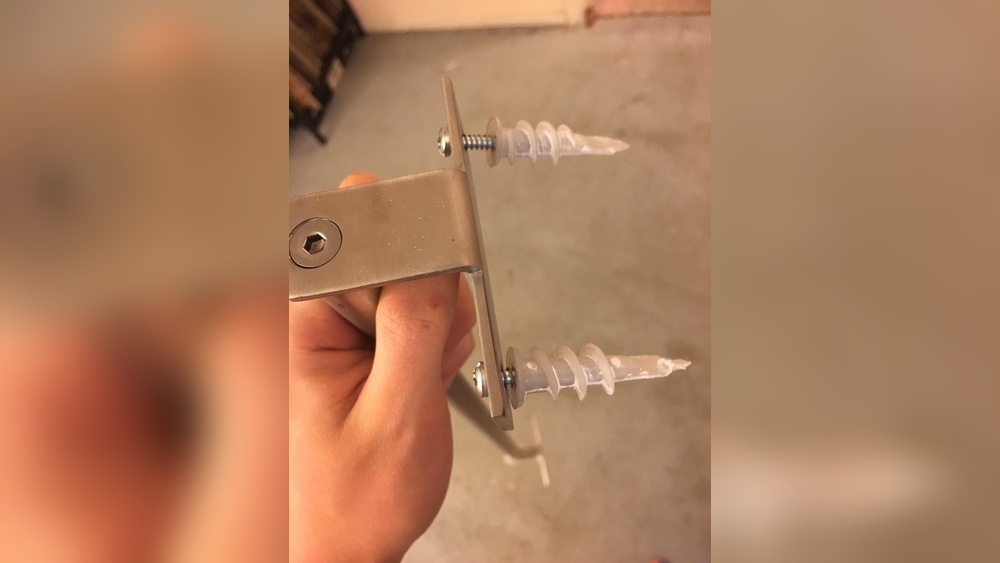
Threaded drywall anchors look like screws with wide threads. You screw them directly into drywall without pre-drilling. They grip the wall tightly for medium-weight items. If they fall out, the drywall may be weak or the anchor stripped.
Assess The Damage
Assessing the damage is the first step after a wall anchor falls out. This step helps you understand the problem clearly. It guides you on the best way to fix it. Careful checking avoids future issues and keeps your wall safe.
Check Hole Size
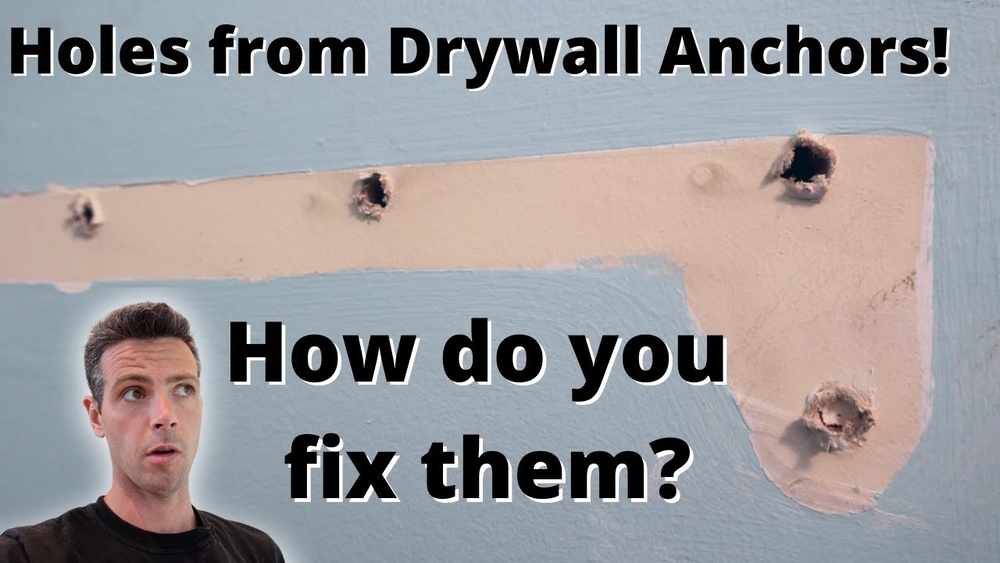
Start by measuring the hole left behind. Use a ruler or tape measure for accuracy. A hole too big may need filling before you reinsert an anchor. A small hole might work with the same anchor again. Knowing the hole size helps you pick the right repair method.
Inspect Wall Condition
Look closely at the wall around the hole. Check for cracks, crumbling, or soft spots. Damaged wall areas need repair before fixing the anchor. Strong wall parts hold anchors better and last longer. A solid wall means a stronger hold for your item.
Determine Anchor Reusability
Examine the anchor you took out. Check if it is bent, broken, or weak. A damaged anchor should be replaced with a new one. Good anchors can be reused if the hole is in good condition. Using the right anchor ensures your wall holds well.
Prepare The Hole
Preparing the hole is a crucial step before fixing a wall anchor that fell out. It ensures the anchor fits well and holds strong. Taking time to prepare the hole can prevent the anchor from falling out again.
Start by making the hole clean and ready. Then check if the hole size is right. Sometimes, you may need to repair the wall if the hole is damaged.
Clean Debris
Clear out any loose dust and dirt from the hole. Use a small brush or blow air into the hole. This cleaning helps the anchor stick better and hold firm. Without cleaning, the anchor may slip or fall again.
Enlarge Or Redrill Hole
Check if the hole is too small or damaged. Enlarge it slightly using a drill or a bigger bit. Make sure the hole size matches the anchor size. A well-sized hole provides a tighter fit and stronger hold.
Use Wall Repair Compound
Fill the hole with wall repair compound if it is too big or cracked. Let the compound dry fully before drilling again. This step fixes the wall and gives the anchor a solid base. It stops the anchor from pulling out easily.
Choose The Right Fix
Choosing the right fix for a wall anchor that fell out is important. The right method makes the repair strong and long-lasting. Pick a solution that fits the hole and the weight you want to hold. Here are some simple ways to fix the problem.
Use Larger Anchor
Try a bigger wall anchor to fill the loose hole. A larger anchor fits tightly and holds better. Check the size of the old anchor and pick one slightly bigger. This stops the anchor from falling out again.
Fill And Redrill
Fill the hole with wood filler or epoxy. Let it dry completely. Then drill a new hole in the same spot. This gives a fresh, solid base for the anchor. Use the right drill bit size for the anchor you want.
Switch Anchor Type
Use a different type of anchor for a better hold. Plastic anchors work well in drywall, but metal anchors hold stronger. Toggle bolts or molly bolts are good for heavy items. Match the anchor type to your wall and weight needs.
Install Anchor Correctly
Installing a wall anchor correctly is key to a strong hold. A loose anchor can cause damage or make your item fall. Follow these steps to fix the anchor firmly and safely.
Align And Insert Anchor
Start by checking the hole size. It should match your anchor size exactly. Place the anchor tip at the hole opening. Push it in straight and gently. Use a hammer if needed, but tap lightly. Avoid forcing the anchor at an angle.
Secure With Screws
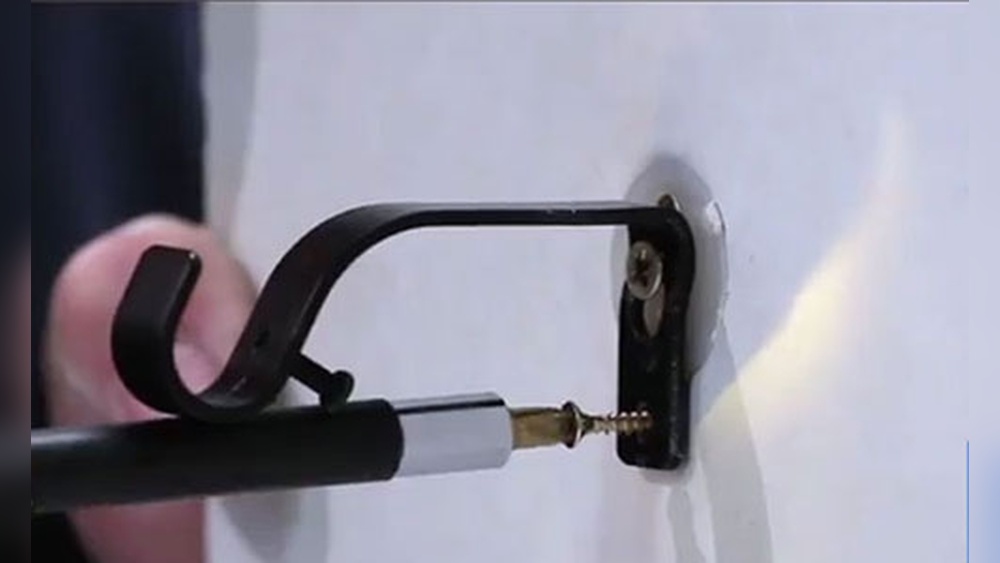
Choose the right screw for your anchor type. Insert the screw slowly into the anchor. Turn it clockwise using a screwdriver. Do not overtighten; stop when it feels snug. Over-tightening can break the anchor or wall.
Test Stability
Gently pull the screw to check hold. The anchor should not move inside the wall. Hang a light item first to test strength. If secure, you can add heavier objects. A firm anchor means your fix works well.
Alternative Solutions
Sometimes wall anchors fail and fall out. You need other ways to fix things securely. These alternative solutions work well for different wall types. They offer strong support without damage.
Use Adhesive Anchors
Adhesive anchors stick to the wall surface. They hold light to medium items firmly. Clean the wall area before applying the adhesive. Press the anchor in place and wait to dry. They work best on smooth walls like drywall or plaster.
Mount On Studs
Studs are the wooden beams inside walls. Screwing directly into a stud gives strong support. Use a stud finder to locate them easily. Drill a pilot hole first for easier screwing. This method holds heavier objects safely without anchors.
Apply Wall Hooks
Wall hooks attach with nails or adhesive strips. They come in many sizes and weight ratings. Choose hooks rated for your item’s weight. Stick or nail them at the right height. Hooks are quick and simple for hanging things like pictures.
Prevent Future Failures
Preventing wall anchor failure saves time and effort. It stops damage to walls and keeps items secure. Simple steps help anchors last longer and hold better. Follow these tips to avoid common mistakes and keep your anchors strong.
Select Proper Anchor Size
Choose the right size anchor for your wall and item. Small anchors hold less weight and can pull out easily. Bigger anchors spread the load and grip better. Match the anchor size to the weight and type of wall.
Avoid Overloading
Do not hang items heavier than the anchor’s limit. Overloading strains the anchor and wall. Use multiple anchors for heavy objects. Distribute weight evenly to prevent stress on one point.
Regularly Inspect Anchors
Check anchors often for looseness or damage. Tighten any loose screws carefully. Replace anchors that show cracks or wear. Early checks stop problems before anchors fall out.

Credit: diy.stackexchange.com

Credit: www.youtube.com
Frequently Asked Questions
Why Did My Wall Anchor Fall Out?
Wall anchors fall out due to improper installation, wrong anchor type, or weak wall material. Overloading can also cause failure. Ensure correct anchor use and proper wall type for secure holding.
How Can I Fix A Fallen Wall Anchor?
Remove the damaged anchor and clean the hole. Use a larger anchor or fill the hole with wall repair compound before reinstalling. Follow instructions for best results and secure fit.
What Tools Are Needed To Fix Wall Anchors?
You need a drill, screwdriver, wall repair compound, putty knife, and replacement anchors. These tools help remove, repair, and reinstall anchors safely and effectively.
Can I Reuse A Wall Anchor That Fell Out?
Reusing a fallen wall anchor is not recommended. It may not hold securely and could cause damage. Always replace with a new anchor suited for your wall type.
Conclusion
Fixing a wall anchor that fell out is simple with the right steps. Start by cleaning the hole and choosing the correct anchor size. Using the proper tools helps secure the anchor tightly. Take your time to avoid making the hole bigger.
A well-fixed anchor holds items safely on your wall. This small repair keeps your walls strong and damage-free. Try these tips to restore your wall quickly and easily. You will feel proud fixing it yourself. No need to call a professional every time.