Are you struggling to hang your curtain rods securely? Using the right wall anchors can make all the difference between a rod that stays put and one that falls down at the worst moment.
In this guide, you’ll discover simple, step-by-step tips to choose and use wall anchors like a pro. By the end, you’ll feel confident that your curtains will stay perfectly in place—no matter what. Keep reading to find out how easy it is to get this essential home task done right!
Choosing The Right Wall Anchors
Choosing the right wall anchors is key to hanging curtain rods safely and securely. The wrong anchors can lead to loose rods or wall damage. Picking anchors that fit your wall type and curtain weight makes installation easier and keeps your curtains in place.
Types Of Wall Anchors
There are several types of wall anchors. Plastic expansion anchors work well for light curtains and drywall. Toggle bolts offer strong support in hollow walls for heavier curtains. Molly bolts expand inside the wall for medium weight loads. Self-drilling anchors are quick to install and hold well in drywall.
Matching Anchors To Wall Material
Different walls need different anchors. Drywall needs anchors that spread the load, like toggle bolts or molly bolts. For plaster walls, use anchors designed not to crack the surface. Concrete or brick walls require masonry anchors or sleeve anchors. Choose anchors that fit your wall material for a safe hold.

Credit: diy.stackexchange.com
Tools You’ll Need
Getting the right tools is key for using wall anchors with curtain rods. Proper tools make the job easier and safer. You will avoid damage to your walls and ensure the rod holds strong. Below is a list of tools you need for this task.
Basic Tools Checklist
- Drill with drill bits – for making holes in the wall
- Wall anchors – to secure screws in drywall or plaster
- Screwdriver – to drive screws into the anchors
- Measuring tape – to measure placement accurately
- Level – to keep the curtain rod straight
- Pencil – to mark spots for drilling
Optional Helpful Tools
- Stud finder – to locate wall studs for extra support
- Hammer – to gently tap in anchors, if needed
- Safety goggles – to protect eyes from dust and debris
- Masking tape – to mark drill spots and prevent wall damage
- Step ladder – to reach high curtain rod positions safely
Preparing The Wall
Preparing the wall is the first step for a strong curtain rod installation. Proper preparation ensures the rod holds well and looks neat. It starts with finding the right spots to drill and attach anchors.
Locating Studs And Marking Spots
Use a stud finder to locate wooden studs inside the wall. Studs give extra support for heavy curtains. Mark the edges of each stud with a pencil. If no stud is available, plan to use wall anchors. Mark the spots where the curtain rod brackets will go. Measure carefully to keep marks even on both sides.
Measuring For Curtain Rod Placement
Measure the window width to find the rod length. Add extra space on each side for curtain movement. Measure the height from the window frame to where the rod will sit. Usually, rods go 4 to 6 inches above the window. Mark these points clearly on the wall. Double-check measurements before drilling any holes.

Credit: www.youtube.com
Installing Wall Anchors
Installing wall anchors is a key step for hanging curtain rods securely. Wall anchors provide extra support, especially on drywall or plaster. They prevent the curtain rod from pulling out or causing damage to the wall.
This section explains how to prepare and insert anchors correctly. Follow these simple steps for a strong hold.
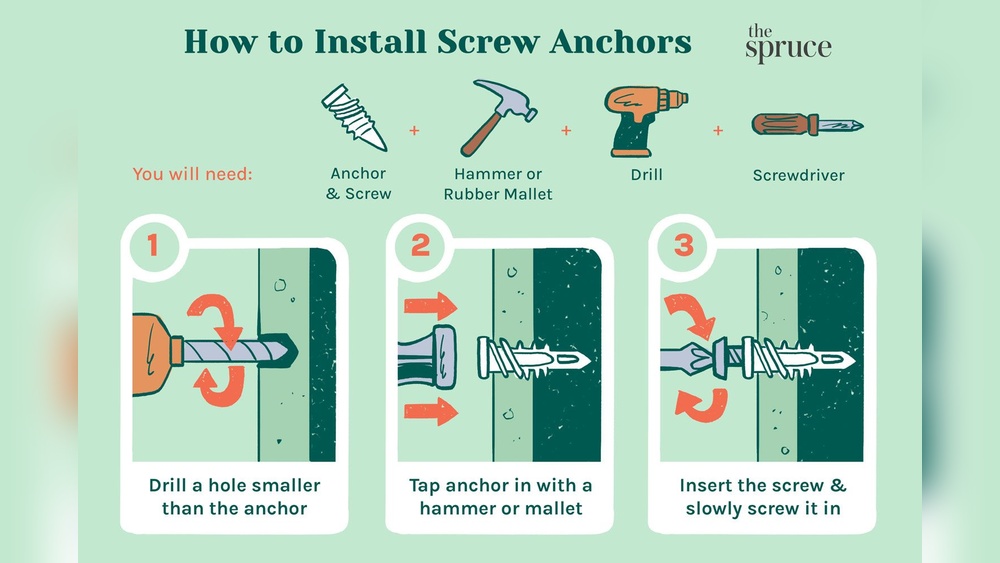
Drilling Pilot Holes
Start by marking the spots where the curtain rod brackets will go. Use a pencil to make small marks. These marks guide your drilling.
Choose a drill bit that matches the size of the wall anchor. Drill straight holes at the marked spots. Keep the holes clean and free of dust. This helps the anchors fit snugly.
Inserting Different Anchor Types
There are several types of wall anchors. Each type fits different wall materials and weights. Common anchors include plastic expansion anchors, toggle bolts, and molly bolts.
For plastic anchors, push them gently into the pilot hole until flush with the wall. Tap lightly with a hammer if needed.
Toggle bolts need you to fold the wings and push them through the hole. The wings open behind the wall, creating strong support.
Molly bolts require you to insert the anchor and tighten the screw. This expands the anchor inside the wall, locking it in place.
Choose the right anchor for your wall type and curtain rod weight. Proper insertion ensures a secure and long-lasting mount.
Mounting The Curtain Rod Brackets
Mounting the curtain rod brackets is a key step in hanging curtains securely. Proper bracket installation ensures the rod holds the weight of your curtains without slipping or falling. This part requires care to keep your curtains straight and stable.
Follow clear steps to attach brackets to wall anchors. Check the placement carefully before drilling or screwing. Proper alignment helps keep the curtains even and looks neat.
Securing Brackets To Anchors
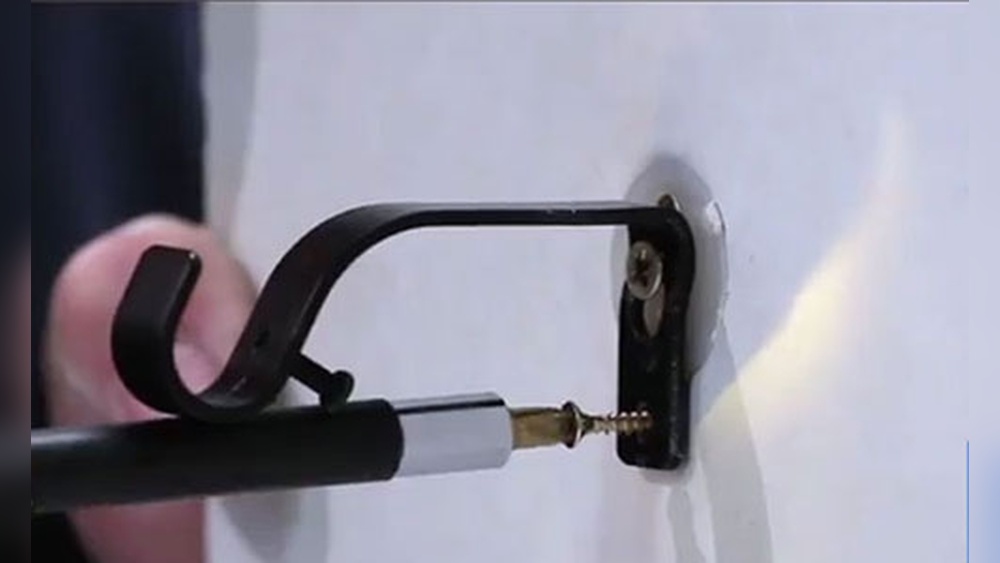
Start by placing the bracket over the wall anchor. Use a screwdriver or drill to fasten the bracket screws tightly. The screws must go deep into the anchors to hold strong. Avoid over-tightening to prevent damage to the wall or anchor.
Make sure the bracket feels firm and does not wiggle. If loose, check the anchor or screw size. Secure brackets prevent the curtain rod from sagging or falling.
Ensuring Level And Stability
Use a level to check if the brackets are even. Adjust the screws slightly to correct any tilt. Level brackets keep curtains hanging straight and improve room appearance.
Press gently on the brackets to test stability. If they move, tighten screws or try different anchors. Stable brackets support the full weight of curtains and rod safely.

Credit: www.asajamalaga.com
Testing Strength And Security
Testing the strength and security of wall anchors for curtain rods is a key step. It ensures your curtains hang safely and the rod stays in place. Weak anchors can cause the rod to fall, damaging walls and curtains. Proper testing helps avoid these problems and keeps everything secure.
Weight Testing Tips
Start by gently pulling down on the curtain rod. Apply light pressure to check if the anchors hold firm. Increase pressure slowly to simulate the weight of heavy curtains. Watch for any movement or loosening of the anchors. If the rod feels loose, the anchors may not support the weight. Use a small bag of sand or books to add weight carefully. Test the rod by adding weight gradually to avoid sudden failure.
Adjusting For Extra Support
Use additional anchors if the rod feels weak. Place more anchors along the rod for better weight distribution. Tighten screws regularly to keep anchors secure. Consider using larger or stronger anchors for heavy curtains. Insert anchors deeper into the wall for added grip. Use a level to ensure the rod is straight and balanced. These steps improve support and prevent future problems.
Common Mistakes To Avoid
Using wall anchors for curtain rods can be tricky. Many people make simple mistakes that cause problems. These errors can make the curtain rods loose or fall off the wall. Avoiding these common mistakes helps secure your rods firmly and safely.
Using Incorrect Anchors
Not all anchors fit every wall type. Drywall needs different anchors than brick or plaster. Using the wrong anchor can cause it to fail. Choose anchors that match your wall material and weight of the curtain rod. Check the package instructions for proper use.
Skipping Wall Prep Steps
Preparing the wall is important before installing anchors. Clean the area to remove dust and dirt. Mark the exact spots for drilling. Drill pilot holes carefully to avoid wall damage. Skipping these steps can weaken the anchor hold and cause problems later.
Frequently Asked Questions
What Types Of Wall Anchors Work Best For Curtain Rods?
Plastic expansion anchors and metal toggle bolts are ideal. They provide strong support for curtain rods on drywall and plaster walls. Choose anchors based on wall material and rod weight for best results.
How Do You Install Wall Anchors For Curtain Rods?
First, drill a hole matching the anchor size. Insert the anchor flush with the wall. Then, screw in the bracket to secure the curtain rod firmly.
Can Wall Anchors Support Heavy Curtain Rods?
Yes, heavy-duty anchors like toggle bolts support heavy rods. Ensure you select anchors rated for your curtain’s weight to avoid damage and maintain stability.
Why Use Wall Anchors Instead Of Screws Alone?
Wall anchors distribute weight evenly and prevent wall damage. Screws alone can pull out under curtain weight, especially in drywall or plaster.
Conclusion
Using wall anchors helps keep curtain rods steady and secure. Choose the right anchor for your wall type. Drill holes carefully and insert anchors firmly. Tighten screws without forcing them to avoid damage. This simple method supports your curtains well and prevents falling.
Small steps lead to a strong, lasting setup. Enjoy hanging your curtains with confidence and ease.