Are you worried that your baby fence might tip over or move when your little one is playing? Keeping your child safe is your top priority, and anchoring your baby fence to the wall is a simple step that can give you peace of mind.
In this guide, you’ll learn easy and effective ways to secure your baby fence so it stays put—no matter how active your baby gets. Keep reading, because a small fix can make a big difference in your home’s safety.

Credit: diy.stackexchange.com
Choosing The Right Fence
Choosing the right baby fence is very important for safety and convenience. The fence should fit your space and keep your child secure. Think about the materials and design. Also, consider the size and height. These factors help you find the best fence to anchor to your wall.
Materials And Designs
Pick a fence made from strong, safe materials. Wood, metal, and plastic are common choices. Wood looks warm and natural. Metal is sturdy and lasts long. Plastic is light and easy to clean. Choose a design that matches your home style. Some fences have smooth edges to prevent injuries. Others have gates for easy access. Make sure the fence is stable and well-built.
Size And Height Considerations
Measure the space where you want to place the fence. The fence should fit the area without gaps. Choose a height tall enough to stop your baby from climbing over. Most baby fences are between 24 and 36 inches tall. Taller fences offer more safety but check if they fit your room. A fence too short or too tall can cause problems. Find the right size for your child and space.
Credit: diy.stackexchange.com
Selecting Wall Anchors
Choosing the right wall anchors is key for safely securing a baby fence. Anchors hold the fence steady and prevent it from tipping or falling. You want strong, reliable anchors that fit your wall type. The right choice keeps your child safe and your fence firm.
Types Of Anchors
There are several anchor types. Plastic expansion anchors work well for drywall. They spread inside the wall to hold tight. Metal anchors, like toggle bolts, are stronger. They expand behind the wall for extra support. Screw anchors are good for wood walls. Each type fits different wall materials and weights.
Weight And Safety Ratings
Check the weight rating of each anchor. It shows how much weight it can safely hold. Baby fences need anchors that handle force from pulling or pushing. Choose anchors rated above the fence’s weight. Safety ratings help avoid accidents and keep the fence stable. Always follow the manufacturer’s weight limits for best results.
Preparing The Wall
Preparing the wall is the first step to safely anchor a baby fence. A strong and secure wall connection keeps the fence steady. This step helps protect your child from accidents and gives you peace of mind.
Start by finding the best spots on the wall. These spots must hold screws tightly. Then mark those places clearly. Marking makes the installation faster and more precise.
Locating Studs
Studs are wooden beams behind the wall. They provide strong support for screws. Use a stud finder to locate them. Move the finder slowly across the wall. It will beep or flash when it finds a stud. Mark the edges of each stud with a pencil. The center of the stud is the best place to anchor.
Marking Anchor Points
Measure the height where the fence will go. Use a pencil to mark spots on the studs. These marks show where to drill holes. Make sure the marks are level and evenly spaced. Double-check measurements to avoid errors. Clear marks help install the fence straight and stable.
Installing The Anchors
Installing anchors is a key step to keep your baby fence safe and steady. Anchors hold the fence to the wall and stop it from moving. This makes sure your child stays safe in the play area. Follow these steps carefully to install the anchors right.
Drilling Pilot Holes
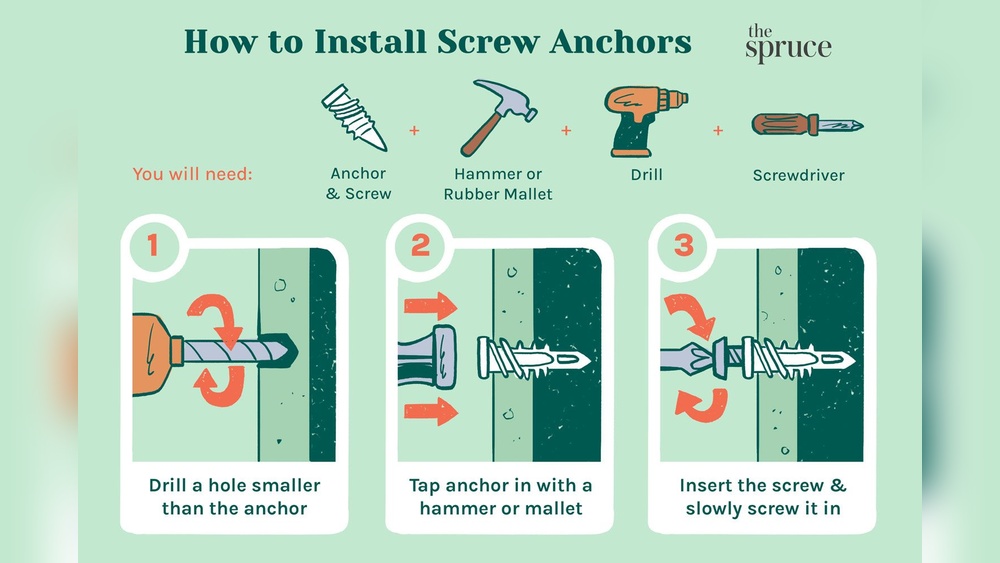
First, mark the spots on the wall for the anchors. Use a pencil and a level to get the marks straight. Pick a drill bit that fits the anchor size. Drill small pilot holes at the marks. These holes help the anchors go in easily. Drill slowly and stop if you hit a wire or pipe. Clean out dust from the holes before the next step.
Securing Anchors Firmly
Push the anchors into the pilot holes. Tap gently with a hammer to fit them flush with the wall. Check the anchor type to know how to secure it. Some anchors need screws, others expand inside the wall. Use the right screws and a screwdriver or drill. Tighten the screws until the anchor feels tight. Do not over-tighten. Test the anchor by pulling lightly. A firm anchor will hold the fence steady.
Attaching The Baby Fence
Attaching the baby fence to the wall keeps it stable and safe. A well-secured fence prevents your child from pushing it over. This section explains how to connect the fence firmly to the wall.
Aligning Fence With Anchors
Start by placing the fence near the wall. Match the fence edges with the wall anchors. Make sure the anchors are at correct heights. Check the fence is straight and level. Adjust the fence until it fits well. Proper alignment helps the fence stay strong.
Using Screws And Brackets
Use screws to fix the brackets to the wall anchors. Hold the bracket against the wall firmly. Insert screws through the bracket holes into the anchors. Tighten screws with a screwdriver until secure. Avoid over-tightening to prevent damage. Brackets add extra strength to the fence attachment.

Credit: www.reddit.com
Safety Checks And Maintenance
Keeping your baby fence safe is very important. Regular safety checks and maintenance help prevent accidents. These steps keep the fence strong and secure against the wall. A stable fence protects your child from hazards.
Testing Stability
Push the fence gently to check its hold. It should not wobble or move easily. Check the wall anchors for tightness. Loose anchors need quick tightening or replacement. Make sure the fence stays firmly in place during play.
Regular Inspections
Look over the fence every week. Check for cracks, broken parts, or loose screws. Inspect the wall attachments for wear and tear. Replace damaged parts immediately to maintain safety. Clean the fence to avoid dirt build-up that can hide problems.
Troubleshooting Common Issues
Troubleshooting common issues with anchoring a baby fence to the wall helps keep your child safe. Problems like loose anchors or wall damage can reduce the fence’s stability. Fixing these issues quickly ensures the fence stays secure and the wall stays intact.
Loose Anchors
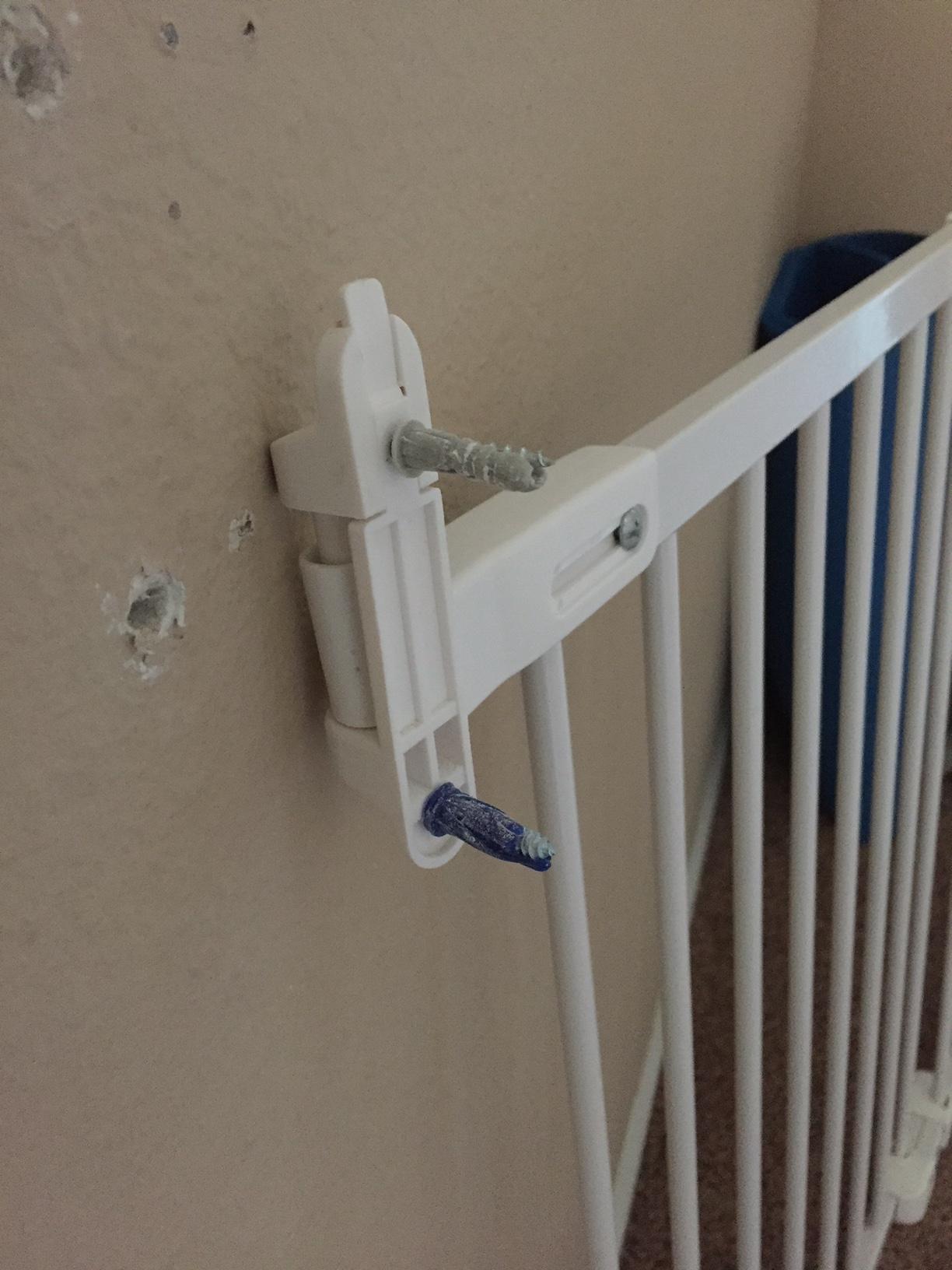
Loose anchors make the fence unsafe and unstable. Check the screws and wall plugs regularly. Tighten any loose screws with a screwdriver. If the anchor keeps coming loose, try a larger wall plug. Use anchors made for your wall type, such as drywall or concrete. Replace worn or damaged anchors immediately. A tight anchor holds the fence firmly in place.
Wall Damage Prevention
Wall damage can happen during installation or removal. Use anchors that match your wall material to avoid cracks. Drill holes carefully and avoid making them too large. Use a stud finder to place anchors in solid wood or studs. Protect paint and drywall by placing a soft pad behind the fence bracket. Remove anchors gently to prevent pulling off paint or plaster. Small holes can be filled with spackle to restore the wall’s look.
Frequently Asked Questions
How Do I Securely Anchor A Baby Fence To The Wall?
Use wall anchors or brackets designed for baby fences. Drill pilot holes, attach brackets firmly, then secure the fence to prevent movement. This method ensures safety and stability for your child.
What Tools Are Needed To Anchor A Baby Fence?
You’ll need a drill, wall anchors, screws, a screwdriver, and a measuring tape. These tools help you install the fence properly and securely on the wall.
Can I Anchor A Baby Fence On Drywall?
Yes, but use appropriate drywall anchors. Standard screws won’t hold well. Choose heavy-duty anchors to ensure the fence stays firmly in place and keeps your baby safe.
Is It Safe To Anchor A Baby Fence To The Wall?
Yes, when installed correctly. Anchoring prevents the fence from tipping or shifting. Always follow manufacturer instructions and use recommended hardware for maximum safety.
Conclusion
Anchoring a baby fence to the wall keeps your child safe and secure. Use strong anchors and screws for steady support. Check the fence often to ensure it stays tight. Proper installation helps prevent accidents and gives peace of mind.
Small steps make a big difference in child safety. Follow the simple tips to create a safe play area. Safety matters most, so take your time to do it right.