Are you tired of nails that slip and screws that won’t hold? Using a screw anchor in your wall can be the simple fix you need for a stronger, more secure hold.
Whether you’re hanging a heavy mirror, mounting shelves, or installing a TV bracket, knowing how to use a screw anchor correctly can save you time, frustration, and damage to your walls. You’ll discover step-by-step tips that make the process easy, even if you’ve never done it before.
Ready to make your walls work harder for you? Let’s dive in and get it done right.
:max_bytes(150000):strip_icc()/how-to-use-and-discard-anchor-screws-1822671-002-04-4963da18c2674e6bbf07e5fc07d5b4f0.jpg)
Credit: www.thespruce.com
Choosing The Right Screw Anchor
Choosing the right screw anchor is important for a strong and safe hold. Different walls need different anchors. Picking the correct one helps prevent damage and holds your items securely. This guide explains key points to help you select the best screw anchor for your wall.
Types Of Screw Anchors
There are many types of screw anchors. Plastic anchors work well for light loads and drywall. Metal anchors offer stronger support and suit heavier items. Toggle bolts expand behind the wall for extra grip. Each type fits different wall materials and uses.
Material Compatibility
Check your wall material before choosing an anchor. Drywall needs lightweight anchors like plastic or metal. Concrete and brick require heavy-duty anchors like masonry anchors. Wood walls can use simple wood screws or anchors. Using the right anchor for your wall keeps things secure.
Weight Capacity Considerations
Consider the weight of the item you want to hang. Light items need small anchors with low weight limits. Heavy items need strong anchors with high weight ratings. Always choose an anchor that can hold more than the item’s weight. This prevents accidents and damage.
Credit: www.bobvila.com
Tools And Materials Needed
Before starting to use a screw anchor in the wall, gather all necessary tools and materials. Having the right items ready makes the process smooth and safe. This section covers what you need for a secure and successful installation.
Essential Tools
You need a drill with the correct drill bit size for the anchor. A screwdriver or a drill with a screwdriver bit will help to insert the screw. A tape measure ensures precise placement. A pencil is useful for marking the spot on the wall. A hammer might be needed to tap the anchor into the hole.
Safety Gear
Wear safety goggles to protect your eyes from dust and debris. Use gloves to protect your hands during drilling and handling anchors. A dust mask helps to avoid inhaling wall dust. Proper safety gear keeps you safe and comfortable during the task.
Anchor And Screw Selection
Choose anchors based on the wall type: drywall, concrete, or brick. Pick anchors that match the screw size for a tight fit. Use screws that are long enough to hold the weight of your item. Correct anchor and screw selection ensures a strong and lasting hold.
Preparing The Wall
Preparing the wall is the first step for a strong screw anchor hold. It sets the base for secure fixing. Proper preparation stops damage and ensures the anchor fits well. Take time to prepare the wall carefully. This helps your project last longer and stay safe.
Locating Studs And Marking Spots
Find wall studs using a stud finder or tapping the wall. Studs are the best places for heavy items. Mark the spots clearly with a pencil. Measure twice before marking to avoid mistakes. Use a level to keep marks straight. Accurate marking makes the job easier and safer.
Drilling Pilot Holes
Choose the right drill bit size for the anchor. Drill pilot holes at the marked spots carefully. Drill straight into the wall to avoid damage. Pilot holes guide the anchor and reduce wall cracking. Keep the drill steady and go slow. Clean pilot holes help anchors fit tightly.
Cleaning The Drill Area
Remove dust and debris from the drilled holes. Use a brush or vacuum to clean inside the hole. Dust can stop the anchor from gripping the wall. Clean holes improve anchor strength and hold. A clean drill area ensures a neat and strong fix.
Installing The Screw Anchor
Installing a screw anchor is a simple step to make your wall strong enough to hold items. It helps spread the weight evenly inside the wall. This guide shows how to put the anchor in place the right way.
Inserting The Anchor
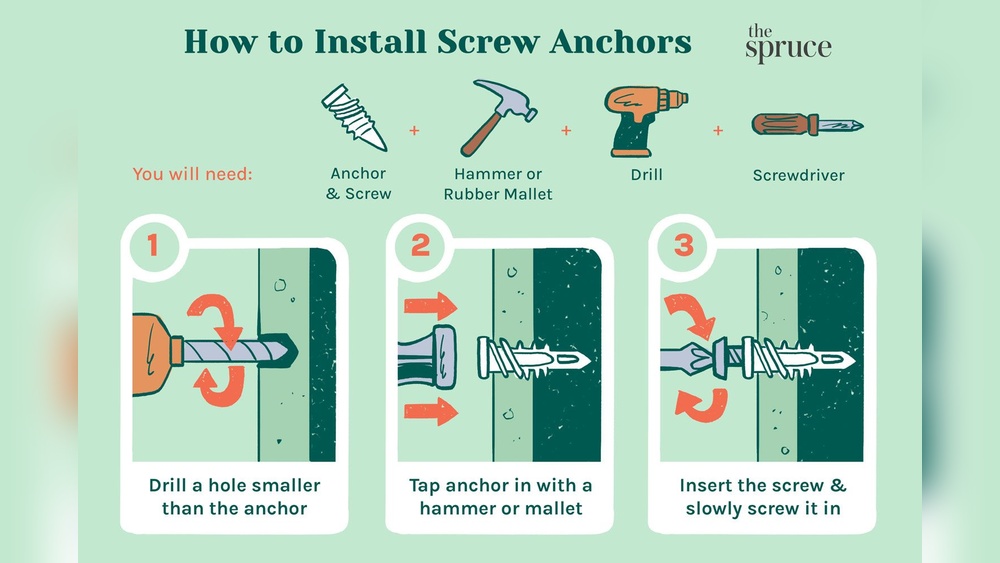
First, choose the right drill bit size for your anchor. Drill a hole straight into the wall. The hole should be clean and free from dust. Push the anchor gently into the hole. Tap it lightly with a hammer if needed. The anchor must fit snugly without moving.
Securing The Anchor Firmly
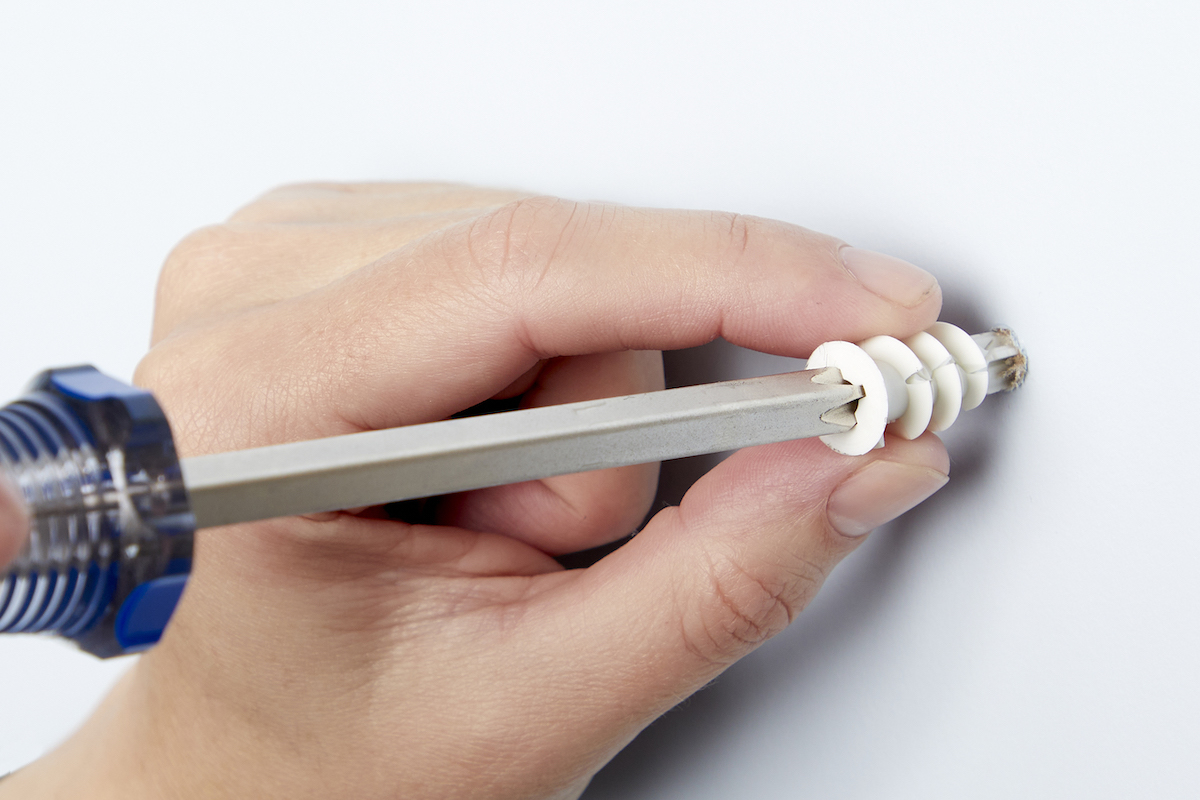
Next, insert the screw into the anchor. Turn the screw slowly with a screwdriver. The anchor will expand inside the wall. This holds it tight and strong. Stop turning when the anchor feels secure. Avoid over-tightening; it can damage the wall.
Avoiding Common Mistakes
Do not use an anchor too big or small for the hole. Avoid drilling holes too deep or wide. Never force the anchor in; it may break. Do not over-tighten screws to prevent wall damage. Check the anchor fits tightly before adding weight.
Attaching Fixtures To The Wall
Attaching fixtures to the wall is a common task in many homes. Using screw anchors helps secure items safely. This method prevents damage to walls and holds weight firmly.
Aligning Fixtures
Start by holding the fixture against the wall. Check that it is level and in the right position. Mark the spots where screws will go. These marks guide where to place the anchors.
Driving Screws Into Anchors
Insert the screw anchor into the wall holes. Use a hammer if needed to tap it in gently. Place the screw through the fixture hole. Screw it slowly into the anchor until tight. Avoid over-tightening to protect the wall and anchor.
Ensuring Stability And Support
Check the fixture for any movement. It should feel firm and steady. Loose fixtures might need a bigger anchor or a different spot. Proper support prevents damage and keeps the fixture safe.

Credit: www.picturehangsolutions.com
Troubleshooting Anchor Issues
Troubleshooting anchor issues is key to a strong wall hold. Problems with screw anchors can cause damage or weak support. Knowing how to fix these issues saves time and effort.
Below are common problems and quick fixes to keep your anchors secure.
Loose Anchors
Loose anchors happen when the hole is too big or the anchor is weak. Check the hole size before inserting the anchor. Use the correct anchor size for the screw. If the anchor wiggles, remove it and fill the hole with wall filler. Let it dry, then drill a new hole slightly smaller. Insert a new anchor for a tight fit.
Cracked Walls
Cracks around anchors show stress or wrong installation. Avoid anchors near existing cracks. Use anchors made for drywall or masonry depending on the wall. Small cracks can be fixed by filling with patch compound. For bigger cracks, reinforce with mesh tape and patch. Let dry fully before re-drilling or inserting anchors.
Removing And Replacing Anchors
To remove anchors, pull gently with pliers or twist them out. Some anchors may break inside the wall. Use a screwdriver to push broken pieces deeper, then fill the hole. For replacing, wait for filler to dry, then drill a new hole nearby. Insert a new anchor that fits tightly. This ensures strong support for your fixtures.
Tips For Long-lasting Support
Ensuring screw anchors provide strong, lasting support requires some care. Following simple tips can keep your anchors secure for years. These tips help avoid damage to walls and prevent anchors from loosening over time.
Regular Inspections
Check your screw anchors regularly. Look for signs of wear or movement. Tighten loose screws before they cause problems. Catch small issues early to avoid big repairs later.
Using Appropriate Anchor Types
Choose the right anchor for your wall material. Drywall, brick, and concrete need different anchors. Using the correct type ensures strong holding power. This choice stops anchors from pulling out or breaking.
Avoiding Overloading
Do not put too much weight on anchors. Each anchor has a weight limit. Stay within this limit to keep anchors safe. Heavy loads can cause anchors to fail or damage walls.
Frequently Asked Questions
What Is A Screw Anchor And Why Use It In Walls?
A screw anchor is a fastening device that provides extra support in walls. It prevents screws from loosening in drywall or masonry, ensuring a secure hold for heavy or hanging items.
How Do You Install A Screw Anchor In A Wall?
First, drill a hole matching the anchor size. Then, insert the anchor into the hole until flush with the wall. Finally, screw into the anchor to secure your fixture.
Which Walls Are Suitable For Screw Anchor Installation?
Screw anchors work well in drywall, plaster, concrete, and brick walls. Choose the anchor type based on your wall material for the best hold and safety.
Can Screw Anchors Hold Heavy Objects On Walls?
Yes, screw anchors can support heavy items if chosen and installed correctly. Use heavy-duty anchors for weighty fixtures like shelves, mirrors, or TVs to ensure stability.
Conclusion
Using a screw anchor makes wall mounting much easier. It holds items firmly and keeps walls safe. Choose the right anchor for your wall type. Drill a hole, insert the anchor, then screw in. Simple steps lead to strong, lasting support.
Practice a few times to feel confident. This small tool helps with many home projects. Give your walls the support they need today.


