Is your deadbolt lock loose and making you worry about your home’s security? You’re not alone, and the good news is fixing it is simpler than you might think.
A shaky deadbolt can leave your door vulnerable and cause frustration every time you lock up. But don’t let that stress you out. You’ll discover easy, step-by-step solutions to tighten your deadbolt and restore that solid, secure feel you want.
Keep reading, and by the end, you’ll have the confidence to handle this common problem yourself—no expensive locksmith needed.

Credit: www.youtube.com
Causes Of Loose Deadbolt Locks
Loose deadbolt locks cause security problems and make your door feel unsafe. Understanding what makes deadbolt locks loose helps fix them correctly. Some common causes include worn parts, misaligned pieces, and damage inside the lock.
Worn Out Screws
Screws hold the deadbolt lock firmly on the door. Over time, screws get loose or worn out. This happens because of constant use and vibrations. Loose screws let the lock move, making it feel loose.
Misaligned Strike Plate
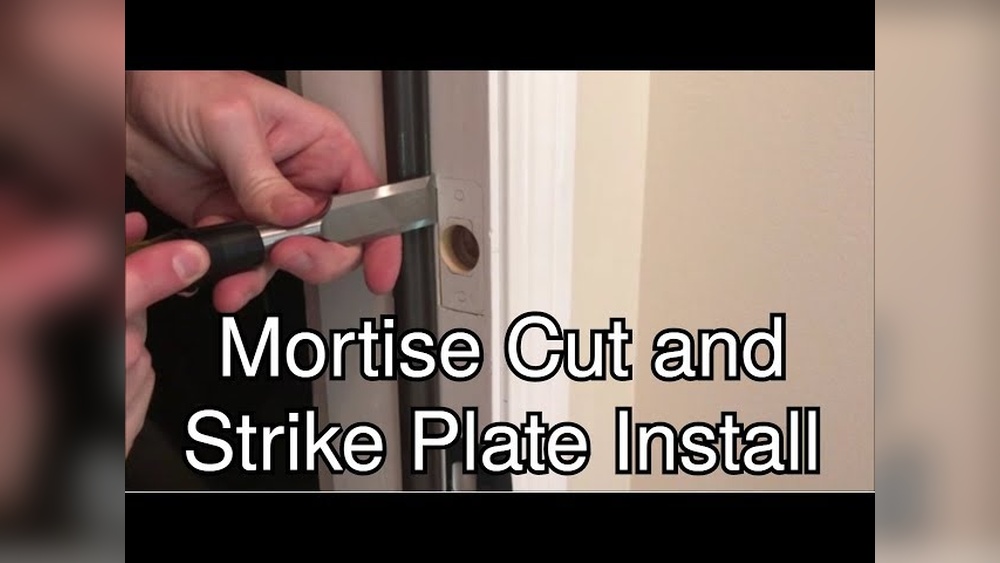
The strike plate is the metal piece on the door frame. It catches the deadbolt when the door closes. If the strike plate moves or is out of place, the deadbolt won’t fit well. This causes the lock to wobble or feel loose.
Damaged Lock Components
Inside the deadbolt, small parts work together to lock the door. These parts can wear out or break over time. Damaged components stop the lock from holding tight. This damage makes the deadbolt feel loose and less secure.
Tools And Materials Needed
Fixing a loose deadbolt lock requires the right tools and materials. Having these items ready makes the job easier and faster. This section lists the essentials you need to complete the repair correctly.
Screwdrivers And Drill
Screwdrivers are key to removing and tightening screws. A Phillips head screwdriver fits most deadbolt screws. A flathead screwdriver can help pry parts gently. A drill speeds up the process. Use it with the right drill bits for screws. Choose cordless drills for easy handling.
Replacement Screws
Old screws often cause the lock to loosen. Replacement screws must match the lock’s size and length. Longer screws offer better hold in the door frame. Stainless steel screws resist rust and last longer. Keep a few extra screws on hand for safety.
Lubricants And Cleaning Supplies
Lubricants keep the lock working smoothly. Use graphite powder or silicone spray for deadbolts. Avoid oil-based lubricants as they attract dust. Cleaning supplies remove dirt and grime. Use a soft cloth and mild cleaner. Clean parts ensure better lock performance.
Tightening Loose Screws
Tightening loose screws is a simple step to fix a wobbly deadbolt lock. Loose screws make the lock feel shaky and less safe. By tightening these screws, the lock will stay firm and work better. This task does not need special skills or tools.
Start by checking all screws on the deadbolt. Tighten them carefully to avoid stripping the heads. Pay attention to the screws on the faceplate and the interior and exterior plates. These hold the lock parts together and keep the deadbolt secure.
Removing The Deadbolt Faceplate
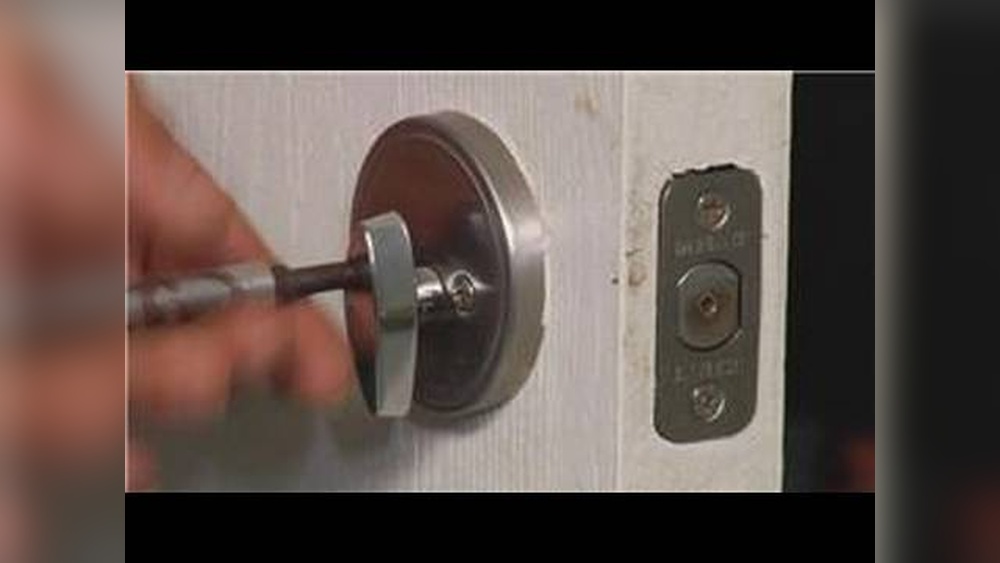
First, remove the screws on the deadbolt faceplate. Use a screwdriver that fits well to prevent damage. Pull the faceplate gently away from the door. This gives you access to the screws behind it. Keep the screws safe to use later.
Securing The Interior And Exterior Plates
Next, check the screws on the interior and exterior plates. These plates cover the lock mechanism on both sides of the door. Tighten each screw firmly but do not force them. Loose screws here cause the lock to move and feel loose. After tightening, test the lock to see if it feels stable.
Realigning The Strike Plate
Realigning the strike plate is key to fixing a loose deadbolt lock. The strike plate holds the bolt in place when the door is locked. If it is misaligned, the bolt won’t catch properly. This causes the lock to feel loose or not work well.
Fixing the strike plate can make your door secure again. It involves checking the door’s fit, moving the strike plate, and securing it tightly. These steps help the bolt fit snugly every time you lock the door.
Checking Door Alignment
Start by closing the door slowly. Watch how the deadbolt lines up with the strike plate. If the bolt misses or rubs the plate, the door is not aligned correctly. Check if the door is warped or if the hinges are loose. Tighten any loose screws on the hinges. Make sure the door closes straight and evenly.
Adjusting Strike Plate Position
Loosen the screws holding the strike plate. Move the plate slightly up, down, or sideways. The goal is to line up the plate with the deadbolt perfectly. Test the lock by turning the key or knob. Adjust the plate until the bolt slides into the hole smoothly. Tighten the screws securely once aligned.
Filling Old Screw Holes
Old screw holes can make the strike plate loose again. Fill them with wood filler or matchstick pieces and glue. Let the filler dry completely. After drying, drill new pilot holes for the screws. This gives the screws a strong grip. Reattach the strike plate firmly to keep the lock tight.
Replacing Damaged Parts
Replacing damaged parts is a key step to fix a loose deadbolt lock. Over time, parts can wear out or break. This causes the lock to feel loose or not work well. Fixing or swapping these parts helps the lock fit tight and work smoothly again.
Identifying Worn Components
Start by checking all parts of the deadbolt. Look at the bolt, screws, and strike plate. The bolt should slide in and out easily without wobbling. Screws must be tight and not stripped. The strike plate should not be bent or loose. Any part that looks damaged or worn needs replacement.
Choosing Compatible Replacements
Pick parts that match your deadbolt model. Use the same size and type of screws. Choose a bolt and strike plate made for your door’s thickness. If unsure, take the old parts to a hardware store. Staff can help find the right replacements for your lock.
Installing New Deadbolt Hardware
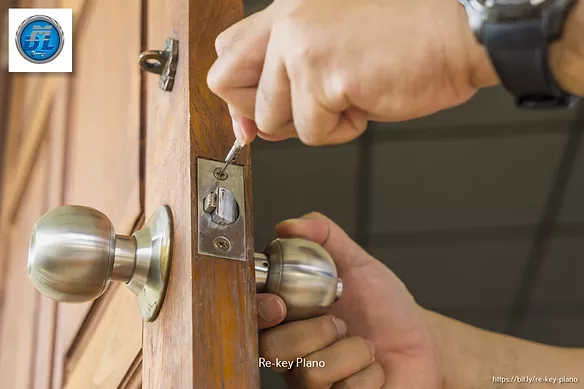
Remove the old damaged parts carefully. Align the new bolt in the hole and secure it with screws. Fit the strike plate on the door frame and tighten screws firmly. Test the lock by turning the key and handle. The deadbolt should now feel tight and work smoothly.
Credit: dmllocksmith.com
Lubricating The Deadbolt
Lubricating the deadbolt is a key step to fix a loose lock. It helps the parts move smoothly. This reduces wear and stops the lock from sticking. Proper lubrication extends the lock’s life and improves security.
Using the right lubricant and applying it carefully keeps the deadbolt working well. Follow these tips for best results.
Choosing The Right Lubricant
Pick a lubricant made for locks. Graphite powder is a popular choice. It does not attract dust or dirt. Silicone spray also works well for deadbolts. Avoid oil-based lubricants like WD-40. They can gum up the lock over time.
Applying Lubricant Safely
First, clean the lock surface with a dry cloth. Shake the lubricant can gently. Spray a small amount inside the keyhole and on the bolt. Do not over-spray to avoid mess. Insert the key and turn it several times. This spreads the lubricant evenly inside the lock.
Testing Lock Security
Testing lock security is a key step after fixing a loose deadbolt lock. It helps confirm that the lock works well and keeps your door safe. This step also checks if the door and lock parts hold tightly. A secure lock protects your home and gives peace of mind.
Checking Lock Functionality
Turn the key or thumb turn to test the lock. It should move smoothly without sticking or jamming. The deadbolt must slide fully into the door frame. Try locking and unlocking the door several times. This ensures the lock works every time you use it.
Listen for any strange sounds while turning the key. Grinding or clicking could mean internal parts are loose or broken. Tighten screws or replace parts if needed. A well-functioning lock stops unwanted entry effectively.
Ensuring Door Stability
Check if the door fits firmly in the frame. Wiggle the door gently to spot any movement. A loose door makes the lock less secure. Tighten the hinges and strike plate screws for a snug fit.
Make sure the deadbolt lines up with the strike plate hole. Misalignment can cause the lock to fail. Adjust the strike plate or door position if necessary. A steady door and precise lock fit improve your home’s security.
Tips To Prevent Future Looseness
Keeping a deadbolt lock tight ensures home safety and peace of mind. Loose locks can cause problems and reduce security. Simple steps can help keep your deadbolt secure for a long time.
Regular Maintenance Schedule
Check your deadbolt every few months. Look for any signs of looseness or wear. Tighten screws and clean the lock parts. Regular care stops small issues from becoming big problems.
Using Longer Screws For Strength
Replace short screws with longer ones. Longer screws reach deep into the door frame. This gives the lock better hold and strength. Use screws at least 3 inches long for best support.
Avoiding Excessive Force
Do not slam the door or force the lock. Gentle use prevents damage to the lock and door. Teach everyone in the home to handle the lock carefully. This extends the lock’s life and keeps it tight.
/how-to-fix-a-loose-lever-door-handle-5222471-04-c0aea79eebf642e1bb378dd872b68742.jpg)
Credit: www.thespruce.com
Frequently Asked Questions
How Do I Fix A Loose Deadbolt Lock?
Tighten the screws on the lock’s faceplate and interior side. If screws are stripped, replace them with longer ones for a secure fit.
Why Is My Deadbolt Lock Loose After Installation?
Loose deadbolt locks often result from improper screw tightening or misaligned strike plates. Check alignment and secure all screws firmly.
Can I Fix A Loose Deadbolt Without Replacing It?
Yes, you can tighten screws, adjust the strike plate, or use longer screws. Replacement is only needed if damage is severe.
How Do I Prevent My Deadbolt From Becoming Loose?
Regularly check and tighten screws. Lubricate the lock mechanism. Ensure the strike plate is properly aligned and secured to the door frame.
Conclusion
Fixing a loose deadbolt lock is easier than it seems. Tighten screws carefully and check alignment. Small adjustments improve security and lock function. Regular maintenance keeps your door safe and sturdy. Spend a few minutes to avoid bigger problems later.
A secure lock means peace of mind at home. Try these simple steps and see the difference. Staying safe starts with a strong, stable deadbolt.