Have you ever faced the frustrating moment when your deadbolt just won’t budge? A stuck deadbolt can leave you feeling helpless and locked out of your own home or room.
But don’t worry—you don’t have to call a locksmith right away or break the door down. You’ll discover simple, effective steps to remove a stuck deadbolt quickly and safely. Keep reading, and you’ll regain control in no time. Your peace of mind is just a few easy fixes away.

Credit: www.reddit.com
Common Causes Of Stuck Deadbolts
Stuck deadbolts cause frustration and delay. Understanding common causes helps fix the problem faster. Several factors can make a deadbolt jam or stop working smoothly. Identifying the cause guides the right solution.
Weather And Temperature Effects
Cold weather makes metal parts shrink. This shrinkage can tighten the lock’s mechanism. Heat, on the other hand, causes metal to expand. This change sometimes misaligns the deadbolt. Both conditions affect the lock’s smooth movement.
Misalignment Issues
Doors and frames shift over time. This shift causes the deadbolt and strike plate to misalign. Misalignment stops the deadbolt from sliding properly. Even small changes can make the lock hard to turn.
Rust And Corrosion Build-up
Moisture causes rust inside the deadbolt. Rust blocks the moving parts from working well. Corrosion also makes the lock stiff and sticky. Locks near the sea or rain face this problem more.
Worn Out Components
Locks wear down after many uses. Springs, pins, or tumblers inside can get damaged. Worn parts do not move smoothly anymore. This wear can make the deadbolt jam or stick.
Tools Needed For Deadbolt Removal
Removing a stuck deadbolt requires the right tools. Having them ready makes the job easier and faster. This section covers the essential tools needed to remove a deadbolt smoothly.
Basic Hand Tools
A screwdriver set is a must-have for deadbolt removal. Most deadbolts use Phillips or flathead screws. A pair of pliers helps grip and turn stubborn parts. An adjustable wrench comes in handy for tight bolts. These simple tools handle most of the work.
Lubricants And Cleaners
Lubricants like WD-40 help loosen stuck parts. Spray a small amount into the lock mechanism. This reduces friction and makes turning easier. Cleaners remove dirt and rust from the deadbolt. Use a cloth or brush to clean thoroughly. Clean parts work better and last longer.
Replacement Parts
Sometimes, parts of the deadbolt need replacing. Keep extra screws, bolts, and springs nearby. A new deadbolt kit might be necessary for complete replacement. Having these parts ready saves time during repairs. It ensures the deadbolt functions properly after removal.
Step-by-step Deadbolt Removal
Removing a stuck deadbolt can seem hard. Follow these simple steps to do it safely. This guide breaks down the process into clear actions. Each step will help you remove the deadbolt without damage.
Preparing The Door And Lock
Start by gathering basic tools like a screwdriver and lubricant. Clear the area around the door for easy access. Check the deadbolt for visible screws or covers. Remove any faceplates carefully to expose screws. Spray a bit of lubricant on the lock to ease movement. Let it sit for a few minutes before trying to move the bolt.
Loosening The Deadbolt
Insert the key into the lock and turn gently. Try to move the bolt back and forth to loosen it. Use a screwdriver to turn the screws holding the lock in place. Keep the screws safe for reassembly later. If the bolt won’t move, tap gently with a hammer. Be careful not to damage the door or lock parts.
Removing The Lock Mechanism
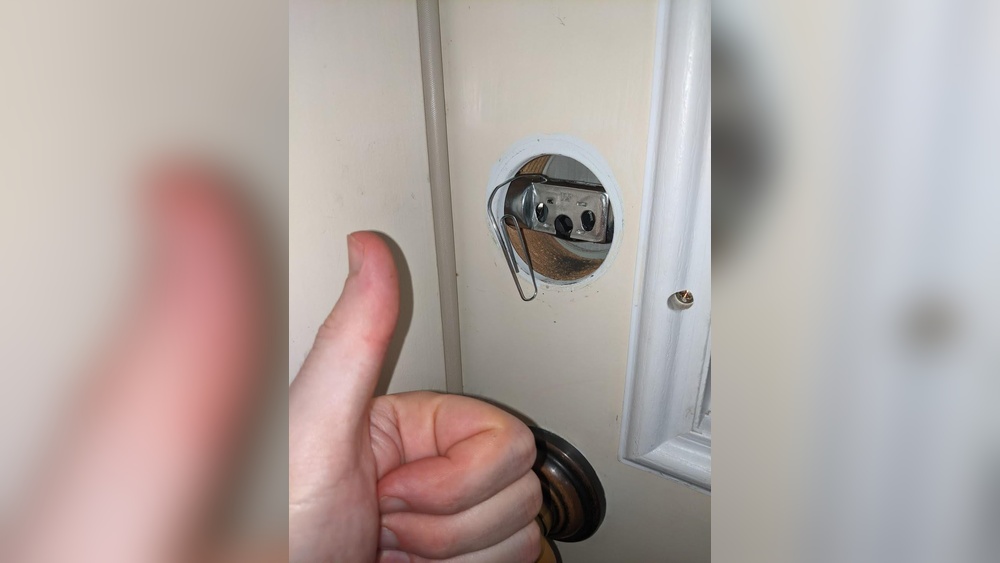
Once screws are removed, pull the lock parts from both sides of the door. Hold the lock firmly while pulling to avoid dropping it. Remove the deadbolt piece from the edge of the door. Inspect the lock mechanism for any damage or dirt. Clean the area before installing a new lock or fixing the old one.

Credit: www.youtube.com
Quick Fixes For A Stuck Deadbolt
A stuck deadbolt can cause frustration and delay access to your home. Quick fixes often solve the problem without needing a locksmith. Simple steps like lubrication, realignment, and tightening screws can restore smooth operation. These easy methods save time and effort.
Lubricating The Lock
Start by applying a lubricant to the deadbolt. Use graphite powder or a silicone-based spray for best results. Avoid oil-based lubricants as they attract dust and dirt. Spray or puff a small amount into the keyhole and around the bolt. Turn the key gently to spread the lubricant inside. This reduces friction and helps the lock move smoothly.
Realigning The Door And Strike Plate
Check if the door or strike plate is misaligned. Misalignment can block the deadbolt from sliding fully. Close the door slowly and watch how the bolt meets the strike plate. Adjust the strike plate by loosening its screws and moving it slightly up, down, or sideways. Tighten the screws again and test the lock. Proper alignment helps the deadbolt fit correctly and work easily.
Tightening Loose Screws
Loose screws can cause the lock to stick or jam. Inspect all screws on the deadbolt, door handle, and strike plate. Use a screwdriver to tighten any loose screws firmly. Avoid overtightening, which can damage the hardware. Secure screws hold parts in place and prevent wobbling. This small step improves the lock’s function and prevents it from getting stuck again.
When To Replace The Deadbolt
Knowing when to replace a stuck deadbolt can save time and keep your home secure. Some deadbolts can be fixed, but others need replacement to work well again. Recognizing the right moment to change the lock helps avoid bigger problems later.
Signs Of Severe Damage
Look for cracks or breaks in the deadbolt casing. Rust or corrosion can make the lock hard to turn. If the key bends or gets stuck, the lock may be damaged. Loose parts or a wobbly lock also show wear. These signs mean the deadbolt is beyond simple repair.
Choosing A New Deadbolt
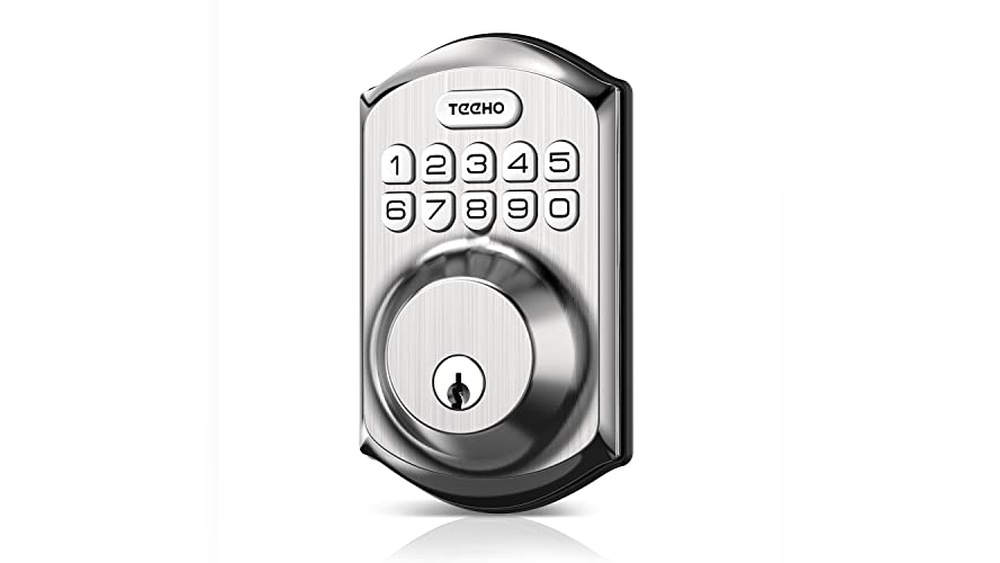
Pick a deadbolt with strong materials like solid brass or steel. Choose one with a high security rating for better protection. Consider a lock that fits your door size and thickness. Think about easy installation and smooth turning. A good deadbolt improves safety and lasts longer.
Installation Tips
Remove the old deadbolt carefully to avoid damage. Clean the door surface before installing the new lock. Follow the instructions step-by-step for best results. Tighten screws firmly but do not over-tighten. Test the lock several times to ensure smooth operation.
Preventing Future Deadbolt Issues
Preventing future deadbolt issues helps save time and frustration. Small efforts keep your lock working smoothly. You can avoid stuck or jammed deadbolts with simple care.
Regular Maintenance
Clean your deadbolt every few months. Use a soft cloth to remove dust and dirt. Apply graphite lubricant inside the keyhole. Avoid oil-based lubricants; they attract dirt. Check screws and tighten them if loose. Regular care keeps the lock from sticking.
Proper Usage Habits
Turn the key gently without forcing it. Avoid using excessive force when locking or unlocking. Always ensure the door is fully closed before turning the deadbolt. Rough use can damage the internal parts. Treat your lock with care to extend its life.
Seasonal Adjustments
Changes in weather affect door alignment. Wood can swell or shrink with humidity. Check your deadbolt and door fit during seasonal shifts. Adjust the strike plate if the bolt doesn’t slide smoothly. Small tweaks prevent the deadbolt from getting stuck.

Credit: www.reddit.com
Frequently Asked Questions
Why Is My Deadbolt Stuck And Won’t Turn?
A deadbolt can get stuck due to misalignment, dirt buildup, or rust inside the lock. Cold weather and worn parts also cause jamming. Identifying the cause helps in choosing the right removal method and prevents further damage.
How Can I Safely Remove A Stuck Deadbolt?
To remove a stuck deadbolt, use lubricant like WD-40, gently jiggle the key, or tap the lock lightly. Avoid forcing the lock to prevent damage. If these steps fail, consider professional help or lock replacement.
What Tools Do I Need To Remove A Stuck Deadbolt?
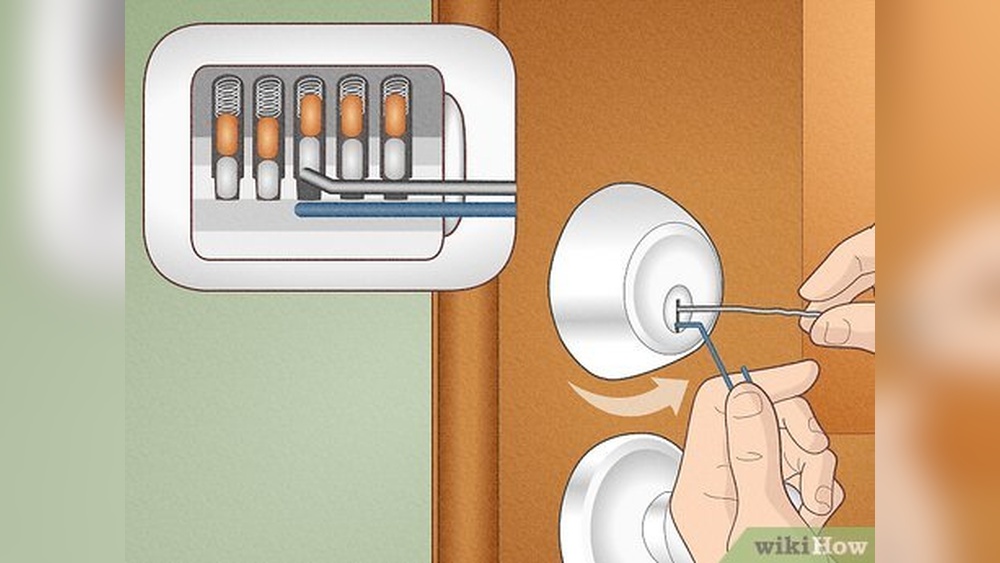
Common tools include a screwdriver, lubricant spray, pliers, and a tension wrench. These help in loosening screws, lubricating the lock, and manipulating the lock mechanism carefully to free the stuck deadbolt.
Can I Fix A Stuck Deadbolt Without Removing It?
Yes, you can try lubricating the lock and gently turning the key back and forth. Cleaning the lock with compressed air may help. If the problem persists, removal might be necessary for thorough repair.
Conclusion
Removing a stuck deadbolt does not have to be hard. Take your time and follow each step carefully. Use the right tools to avoid damage. Keep the lock clean and lubricated to prevent future problems. Small fixes often save you from calling a locksmith.
Stay calm and patient throughout the process. This way, you can fix the deadbolt yourself and keep your door secure.