
If you own a grandfather clock, you know how much it adds charm to your home. But have you ever worried about it tipping over or getting damaged?
Anchoring your grandfather clock to the wall is the best way to keep it safe and steady. In this guide, you’ll learn simple, clear steps to secure your clock without any hassle. By the end, you’ll feel confident that your treasured timepiece is both beautiful and safe.
Keep reading to protect your clock and enjoy peace of mind every day.
Choosing The Right Location
Choosing the right location for your grandfather clock is very important. The spot must keep the clock safe and working well. A good location helps the clock stay steady and protects it from damage. Consider wall type, temperature, and humidity. These factors can affect the clock’s performance and lifespan.
Finding A Stable Wall
Pick a wall that is strong and solid. Drywall alone may not hold the clock well. Look for walls with wooden studs or concrete. Use a stud finder to locate studs behind the wall. Anchoring into studs gives better support. Avoid walls with cracks or damage. A stable wall keeps the clock from tipping or falling.
Avoiding Heat And Humidity
Place the clock away from heaters, fireplaces, and direct sunlight. Heat can dry the wood and damage the clock’s parts. Humidity causes wood to swell and may affect the clock’s mechanics. Find a spot with steady temperature and low moisture. A stable environment helps the clock stay accurate and last longer.
Gathering Necessary Tools
Before anchoring your grandfather clock to the wall, gather all tools. Having the right tools ready saves time and avoids frustration. This simple step ensures a smooth and safe installation process. Prepare your workspace and check each item carefully.
Essential Anchoring Equipment
Start with a stud finder to locate wall studs. Use a drill with the correct drill bits for your wall type. Screws and wall anchors must fit the clock’s size and weight. A level helps keep the clock straight on the wall. A tape measure ensures precise placement. A screwdriver is needed to tighten screws securely. Use a pencil to mark drill spots accurately.
Safety Gear To Use
Protect your eyes with safety goggles during drilling. Wear gloves to avoid splinters and sharp edges. Use ear protection if noise bothers you. Closed-toe shoes protect your feet from dropped tools. Dress in comfortable clothes that cover your skin. Keep a first aid kit nearby for minor injuries. Safety is important for a smooth installation.
Preparing The Clock And Wall
Preparing the clock and wall is the first step to safely anchor your grandfather clock. This step ensures the clock stays stable and prevents accidents. A secure setup protects your valuable clock and your home.
Focus on clearing the space around the clock and marking the right spots on the wall. Both tasks require care and attention for the best results.
Clearing The Area
Remove all objects near the clock’s place. This gives you room to work and prevents damage. Clear furniture and decorations from the wall area. Sweep or vacuum the floor to avoid slips.
Make sure the clock is empty. Take out pendulums or weights to avoid damage during the process. This step also makes the clock lighter and easier to move.
Marking Anchor Points
Use a pencil to mark where you will drill on the wall. Hold the clock close to the wall to find the best spots. Check that marks line up with the clock’s anchor brackets.
Measure twice to avoid mistakes. Use a level tool to keep marks straight. Marking correctly helps the clock stand firm and prevents future problems.
Credit: www.premierclocks.com
Selecting Anchor Types
Choosing the right anchor type is key to safely securing your grandfather clock. Different walls need different anchors. The clock’s weight and wall material guide your choice. Using the proper anchor ensures stability and prevents damage.
Read on to learn about three common anchor types. Each works best for specific wall conditions. This knowledge helps you pick the right one for your clock and wall.
Wall Stud Anchors
Wall stud anchors hold best in wooden studs behind drywall. They offer strong support for heavy clocks. To find studs, use a stud finder or tap the wall. Secure the clock bracket directly into the stud for maximum safety.
Masonry Anchors
Masonry anchors work well on brick, stone, or concrete walls. They expand inside drilled holes to grip tightly. Use a hammer drill to make the hole. These anchors keep heavy clocks firmly attached to solid walls.
Toggle Bolts
Toggle bolts suit hollow walls without studs. They have wings that open inside the wall cavity. This spreads the weight over a larger area. Toggle bolts provide strong support for heavy clocks on drywall or plaster walls.
Installing Wall Anchors
Installing wall anchors is a key step to secure your grandfather clock safely. Anchors help hold screws in drywall or plaster where there are no studs. This keeps the clock steady and prevents it from tipping over.
Choosing the right anchors and installing them correctly makes a big difference. Follow each step carefully to ensure a strong hold. Let’s break down the process.
Drilling Pilot Holes
First, mark the spot where you want to place the anchor. Use a pencil to make a small mark on the wall. This helps guide your drill and keeps the hole in the right place.
Select a drill bit that matches the size of your anchor. Drill a hole at the marked spot slowly. Keep the drill straight to avoid damaging the wall.
Drilling pilot holes makes it easier to insert the anchor. It also prevents cracking or splitting the wall material.
Securing Anchors Firmly
Push the anchor into the hole gently. Use your fingers or a hammer to tap it in if needed. The anchor should fit snugly without wobbling.
Do not force the anchor too hard. This can damage the wall or the anchor itself. Make sure it sits flush against the wall surface.
Once the anchor is in place, insert the screw. Tighten it slowly until it feels secure. The anchor expands inside the wall, holding the screw firmly.
Credit: safe-t-proof.com
Attaching The Clock To The Wall
Attaching the grandfather clock to the wall keeps it stable and safe. This step is important to stop the clock from tipping over. It protects both the clock and people around it. The process is simple with the right tools and care. Follow clear steps to secure the clock firmly and neatly.
Using Brackets Or Straps
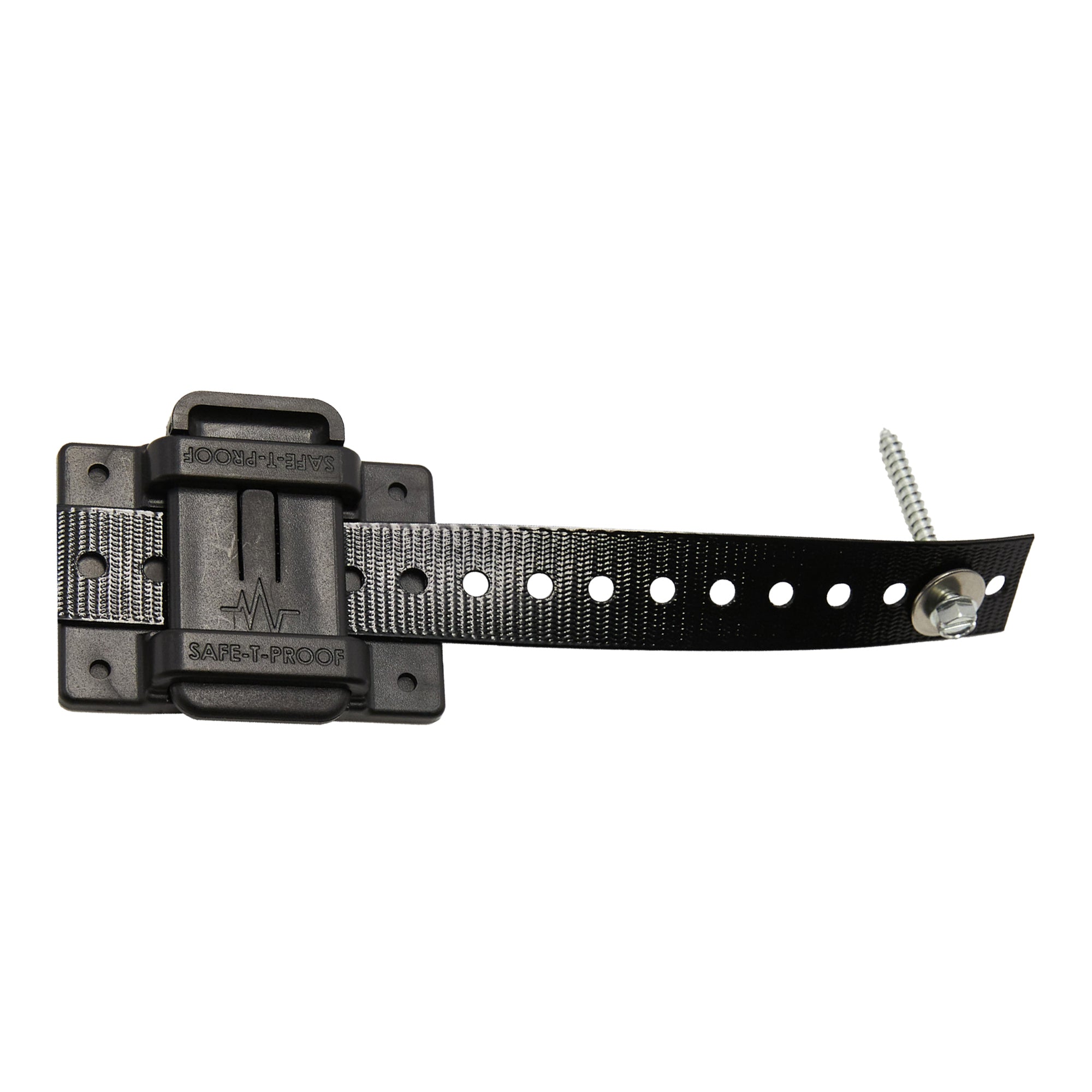
Brackets or straps hold the clock tightly against the wall. Choose metal brackets for strong support. Attach them to the clock’s back and the wall studs. Use screws that fit well and hold tightly. Straps can also work well, especially wide ones. Wrap the straps around the clock and fasten them to the wall. Make sure the brackets or straps do not damage the clock’s finish.
Ensuring Level Alignment
Check that the clock stands straight after attaching. Use a small level tool on top of the clock. Adjust brackets or straps to fix any tilt. A level clock keeps the pendulum moving smoothly. It also helps the clock keep accurate time. Double-check the alignment before final tightening. A straight clock looks better and works well.
Testing Stability And Safety
After anchoring your grandfather clock to the wall, it is important to test its stability and safety. This step ensures the clock stays in place and prevents accidents. A stable clock protects both your investment and your home.
Checking stability is simple but must be done carefully. Small movements help you see if the clock wobbles or feels loose. This way, you can make necessary adjustments before finishing the job.
Gently Rocking The Clock
Start by gently rocking the clock from side to side. Use light pressure with your hands. If the clock moves or shifts easily, it is not secure yet. A solid clock should stay firm and stable.
Watch for any unusual sounds. Creaks or rattles may mean the clock is loose. Pay attention to the base and wall anchors as you test.
Making Adjustments
If the clock moves, tighten the wall anchors or screws. Use a screwdriver to secure loose parts carefully. Check that the brackets are flush against the wall and clock.
Test the stability again after each adjustment. Repeat rocking until the clock feels solid. The goal is zero movement to keep the clock safe.
Maintenance Tips
Maintaining your grandfather clock’s anchor is key to its safety and longevity. Regular care helps keep the clock stable and working well. Small checks and proper cleaning make a big difference.
Regular Anchor Checks
Check the wall anchor every few months. Look for loose screws or any signs of damage. Tighten the screws if they feel loose. Replace damaged anchors immediately. This prevents the clock from tipping or falling.
Also, ensure the anchor fits tightly against the wall. Avoid gaps or wobbling. A firm anchor keeps your clock steady and safe.
Clock Care Guidelines
Dust the clock gently with a soft cloth. Avoid using water or harsh cleaners on wood or metal parts. Keep the clock away from direct sunlight and moisture. These factors can harm the clock’s finish and mechanics.
Wind the clock carefully according to the instructions. Do not overwind the springs. Regular winding keeps the clock running smoothly. Clean the clock’s interior every year or have a professional service it. Proper care extends the life of your grandfather clock.
Credit: safe-t-proof.com
Frequently Asked Questions
How Do I Safely Anchor A Grandfather Clock To The Wall?
Use sturdy brackets or straps designed for heavy furniture. Locate wall studs with a stud finder. Secure the anchors tightly to prevent tipping. This ensures your clock stays stable and avoids damage or injury.
What Tools Are Needed To Anchor A Grandfather Clock?
You will need a stud finder, drill, screws, wall anchors, and a level. These tools help you locate studs and securely fasten the clock to the wall.
Can Anchoring Prevent Grandfather Clock Tipping Accidents?
Yes, anchoring prevents tipping by stabilizing the clock. It reduces the risk of falls, protecting both the clock and people nearby.
Where Should I Attach The Anchor On The Clock?
Attach anchors near the top back of the clock. This location offers the best leverage to keep the clock upright and secure against the wall.
Conclusion
Anchoring a grandfather clock to the wall keeps it steady and safe. It stops the clock from tipping over and causing damage. Use the right tools and follow steps carefully. Secure the clock firmly but gently to avoid harm. Taking time to anchor your clock helps it last longer.
It also keeps your home safer for everyone. A steady clock works better and looks great too. Simple actions make a big difference. Keep your grandfather clock stable for years to come.


