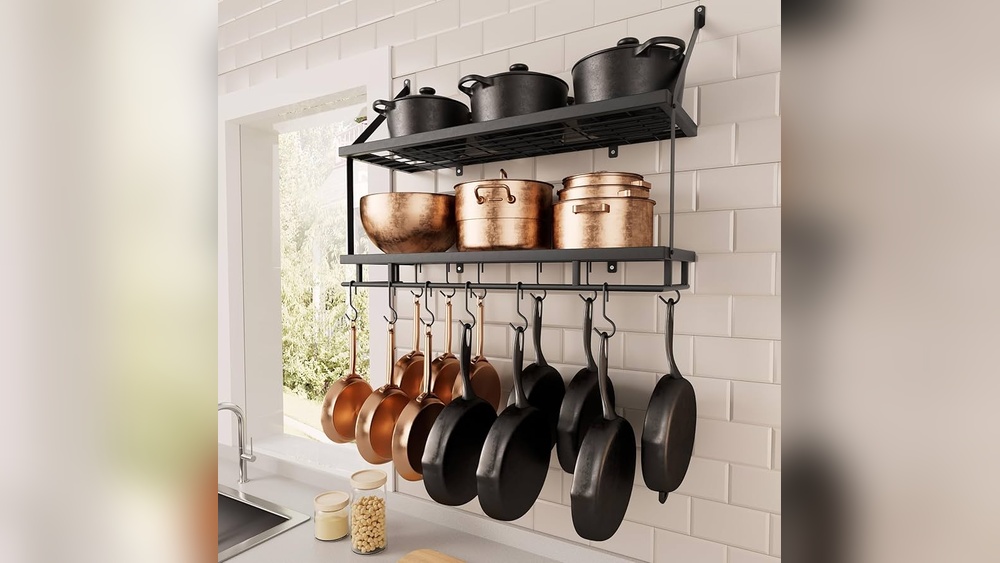
Looking for a smart way to free up space in your kitchen? Hanging your pots and pans on the wall with hooks is a simple trick that can transform your cooking area.
Not only does it keep your cookware within easy reach, but it also adds a stylish touch to your space. If you’ve ever struggled with cluttered cabinets or wasted time searching for the right pan, this method is made for you.
Keep reading, and you’ll discover step-by-step tips to hang your pots and pans safely and beautifully, turning your kitchen into a more organized and inspiring place.
Credit: www.etsy.com
Choosing The Right Wall
Choosing the right wall is key for hanging pots and pans safely and neatly. The wall must hold the weight and be easy to reach. Picking a good spot helps keep your kitchen organized and saves space. Consider the wall type, location, and weight limits before starting.
Assessing Wall Material
Check what your wall is made of first. Drywall is common but not very strong alone. Studs behind drywall can hold more weight. Brick or concrete walls are very strong and good for heavy pans. Avoid thin panel walls as they may not hold hooks well.
Finding The Ideal Location
Choose a spot near your cooking area. This keeps pots close and easy to grab. Make sure the wall space is clear and wide enough. Avoid walls near water or heat sources to protect your pans. Consider the height so everyone can reach the hooks.
Considering Weight Capacity
Calculate the total weight of your pots and pans. Heavy cast iron needs strong support. Use heavy-duty hooks or anchors for heavier items. Spread hooks evenly to balance the weight. Check the wall’s weight limit to avoid damage.
Selecting Hooks For Pots And Pans
Selecting the right hooks is key to hang pots and pans on your wall safely. The hooks must hold the weight and fit your kitchen style. Choosing the wrong hooks can cause damage to your walls or your cookware. This section helps you pick hooks that work well and last long.
Types Of Hooks
S-hooks are simple, curved hooks that hang easily on racks or rods. They work well for most pots and pans. Peg hooks fit into pegboards and keep cookware steady. Adhesive hooks stick to walls without drilling but hold less weight. Magnetic hooks attach to metal surfaces and offer quick access. Choose the type that fits your space and cookware.
Materials And Finishes
Steel hooks are strong and durable for heavy pots. Stainless steel resists rust and looks clean. Brass hooks add a classic touch and resist corrosion. Plastic hooks are light but less strong. Powder-coated finishes protect metal hooks from scratches and rust. Pick materials that suit your kitchen’s moisture and style.
Size And Strength Requirements
Hooks must support the heaviest pot or pan. Small hooks can bend or break under weight. Large hooks provide better grip and balance. Check the hook’s weight limit before buying. Measure pot handles to ensure the hook fits comfortably. Strong and properly sized hooks keep your cookware safe and organized.
Preparing The Wall For Installation
Preparing the wall is the first step to hang pots and pans safely. A strong, steady wall prevents accidents and damage. This part of the project ensures the hooks stay firmly in place. Follow simple steps to get the wall ready for installation.
Gathering Tools And Supplies
Collect all tools before starting. You will need a drill, screwdriver, tape measure, pencil, and wall anchors. Choose hooks that can hold the weight of your pots and pans. Having everything ready saves time and keeps the process smooth.
Marking Hook Positions
Decide where to place the hooks on the wall. Use a tape measure to space them evenly. Mark each spot lightly with a pencil. Check the height so pots hang comfortably within reach. Proper spacing avoids overcrowding and makes your kitchen look neat.
Drilling And Anchoring Tips
Drill holes on the marked spots carefully. Use a drill bit size that matches your wall anchors. Insert anchors to hold hooks tightly. Avoid drilling into pipes or wires by checking with a stud finder. Anchors add strength and prevent hooks from pulling out.

Credit: www.amazon.com
Installing Hooks Safely
Installing hooks safely is key to hanging pots and pans on the wall. Proper installation keeps your cookware secure and prevents accidents. It also protects your wall from damage. Follow clear steps to mount hooks with confidence. Use the right tools and materials for the best results.
Step-by-step Hook Mounting
Start by choosing the right spot on the wall. Use a stud finder to locate wall studs for strong support. Mark the spot with a pencil. Next, drill pilot holes to make screwing easier. Align the hook with the holes and screw it in tightly. Check that the hook does not wiggle. Repeat for each hook needed.
Ensuring Secure Attachment
Use screws that are long enough to reach the stud. Avoid nails or weak anchors that may fail under weight. For drywall without studs, use heavy-duty wall anchors. Test the hook by pulling it gently after installation. Make sure it holds firm without moving. This ensures your pots and pans stay safe.
Avoiding Common Mistakes
Do not hang hooks only on drywall without anchors. Avoid using short screws that cannot hold weight. Do not overload one hook with too many pots. Space hooks evenly to balance weight on the wall. Avoid mounting hooks too close to each other. This prevents scratching and clutter.
Arranging Pots And Pans On Hooks
Arranging pots and pans on hooks keeps your kitchen tidy and efficient. A good setup helps you find what you need fast. It also saves space and protects your cookware. Thoughtful arrangement makes cooking more enjoyable and less stressful.
Careful planning of how you hang each item makes a big difference. Consider size, how often you use them, and the space available. This way, your kitchen stays organized and easy to work in.
Organizing By Size And Frequency
Group pots and pans by size for a neat look. Hang larger pans at the bottom or sides. Smaller pots go higher or in the middle. Place items you use often in the most reachable spots. Rarely used pans can hang further away. This setup saves time and effort during cooking.
Maximizing Space Efficiency
Use all available wall space wisely. Hang pots and pans close but not touching. Use hooks of different sizes for various cookware. Stack lids on separate hooks or a rack nearby. Vertical hanging frees up cabinet and counter space. This approach keeps your kitchen less cluttered.
Maintaining Easy Access
Keep your daily-use pots and pans at eye level. Avoid crowding hooks to allow easy removal. Space hooks enough so handles don’t tangle. Label hooks or group similar items together. Easy access speeds up cooking and cleaning. It also prevents accidents from falling cookware.
Maintaining Wall-mounted Storage
Maintaining wall-mounted storage keeps your kitchen organized and safe. It helps your pots and pans last longer. Regular care prevents damage and clutter. A clean, stable setup makes cooking easier and faster. Follow these simple steps to maintain your hooks and pans well.
Cleaning Hooks And Pans
Wipe hooks regularly with a damp cloth. Avoid buildup of dust or grease. Clean your pans after each use to prevent stains. Use mild soap and warm water for cleaning. Dry hooks and pans completely before rehanging.
Checking Hook Stability
Check hooks every few weeks to ensure they stay tight. Gently pull each hook to test its hold. Tighten screws or replace hooks if loose. Loose hooks risk falling and damaging your pans. Secure hooks keep your kitchen safe and tidy.
Updating Arrangement Over Time
Rearrange pots and pans to fit new cookware. Change the order for easier access to daily items. Remove rarely used pans to save space. Adjust hooks as needed for different shapes and sizes. A fresh layout keeps your kitchen functional and neat.
Creative Alternatives To Hooks
Hanging pots and pans on the wall does not need to mean only using hooks. There are many creative ways to keep your kitchen organized and stylish. These alternatives can save space and give your kitchen a unique look. Choose a method that fits your style and kitchen size.
Using Rails And Racks
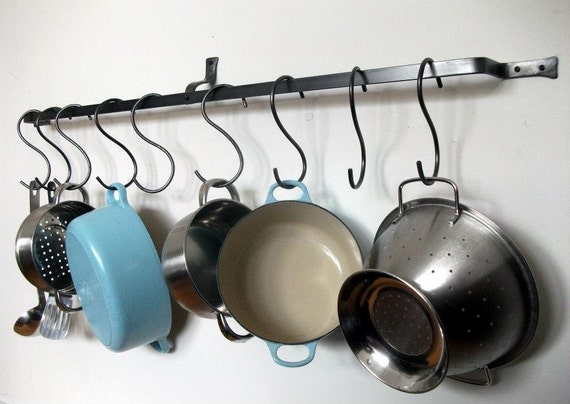
Rails and racks offer a strong and neat way to hang pots and pans. Install a metal or wooden rail on your wall. Then, use S-hooks or clips to hold your cookware. This method keeps items visible and easy to grab. It works well in small kitchens with limited cabinet space.
Magnetic Solutions
Magnetic strips or boards can hold metal pots and pans firmly. Attach a strong magnetic strip to your wall near your cooking area. This keeps your pans close and easy to reach. Magnetic racks also add a modern touch to your kitchen decor.
Diy Hanging Ideas
DIY options allow you to add a personal touch to your kitchen. Use old wooden pallets or reclaimed wood to create custom racks. Add nails or pegs to hang your pots and pans. You can paint or stain the wood to match your kitchen’s style. This option is budget-friendly and fun to make.
:strip_icc()/pegboard-kitchen-storage-47a5ece5-b994784d09b8437585d615e612e3bc66.jpg)
Credit: www.bhg.com
Frequently Asked Questions
How Do I Choose The Right Hooks For Hanging Pots?
Select hooks that support your pots’ weight and size. Use sturdy metal hooks for durability. Ensure hooks have wall anchors for secure mounting.
What Wall Type Is Best For Hanging Pots And Pans?
Solid walls like brick or studs in drywall are ideal. Avoid drywall without anchors to prevent damage or falling pots. Use appropriate anchors for your wall type.
How Much Space Should I Leave Between Each Hook?
Leave at least 3-6 inches between hooks. This spacing prevents pots from bumping and allows easy access. Adjust space based on pot size and handle length.
Can Hanging Pots Save Kitchen Space Effectively?
Yes, hanging pots frees up cabinet and counter space. It creates easy access and adds kitchen decor. Properly hung pots maximize small kitchen efficiency.
Conclusion
Hanging pots and pans on the wall saves space and keeps kitchens neat. Hooks make it easy to organize your cookware. You can find the right spot and tools quickly. This method keeps your pots within reach while cooking. It also adds a charming look to your kitchen.
Try different hook styles to match your taste. Simple steps lead to a tidy, practical kitchen space. Give your kitchen a fresh, organized feel today!