Are you ready to hang shelves, pictures, or hooks but worried about your walls not holding up? Installing plastic wall anchors with a drill is one of the easiest and most reliable ways to make sure your items stay secure.
You don’t need to be an expert or have fancy tools to get it right. In this guide, you’ll learn simple, step-by-step instructions that anyone can follow. By the end, you’ll feel confident handling your own wall projects and avoid common mistakes that lead to loose or damaged walls.
Keep reading, and let’s get your walls ready to hold whatever you need safely and firmly!

Credit: www.youtube.com
Tools And Materials Needed
Installing plastic wall anchors requires the right tools and materials. Having these ready makes the job easier and safer. The correct tools help you drill precise holes and secure the anchors firmly. Choosing the right supplies ensures the anchors hold well in the wall.
Choosing The Right Plastic Anchors
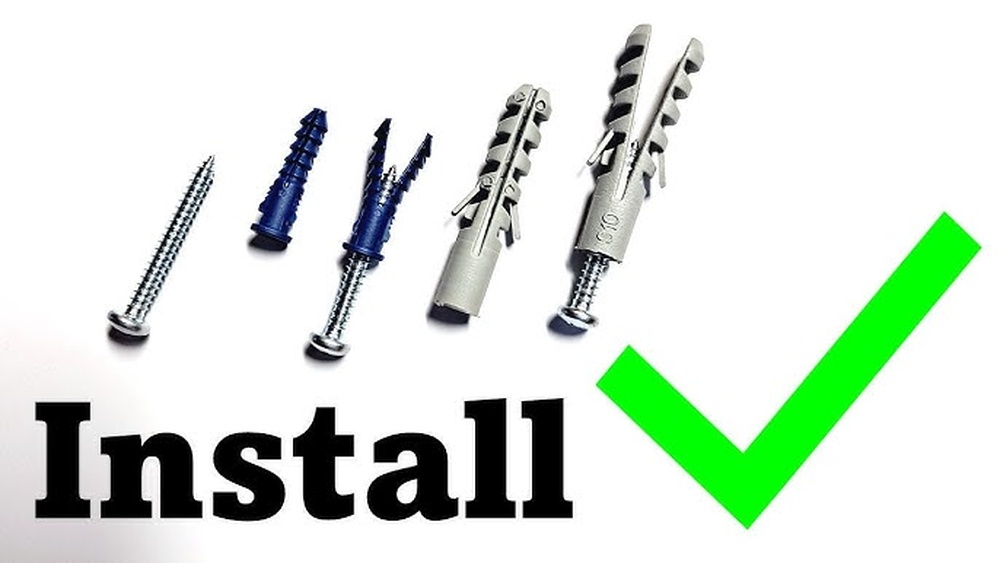
Plastic anchors come in various sizes and types. Pick anchors that fit the weight of the item you want to hang. Use larger anchors for heavier objects. Check the wall type to select anchors made for drywall, plaster, or masonry. Proper anchors prevent damage and provide strong support.
Selecting The Drill And Drill Bits
Use a power drill for quick and clean holes. Choose a drill with adjustable speed for better control. Match the drill bit size to the anchor size. A bit slightly smaller than the anchor works best. Sharp drill bits reduce cracking and make holes smooth.
Additional Supplies
Gather a screwdriver to insert screws easily. Have a pencil to mark drilling spots clearly. Use a tape measure for accurate placement. A level helps keep items straight after installation. Keep safety glasses to protect your eyes from dust and debris.
Credit: www.homedepot.com
Preparing The Wall
Preparing the wall is the first step in installing plastic wall anchors with a drill. This step ensures the anchor will hold firmly and the item hangs securely. Taking time to prepare the wall reduces mistakes and damage.
Proper preparation helps find the best spot to drill. It also avoids hitting wires or pipes hidden inside the wall. Follow simple steps to prepare your wall correctly.
Marking The Drill Spot
Start by deciding where to place the anchor. Use a pencil to mark the exact spot. Make a small, clear mark on the wall. This mark guides the drill bit during drilling.
Measure carefully to keep the mark level and in the right place. Check twice before drilling. A well-marked spot prevents holes in the wrong place.
Checking For Studs And Obstacles
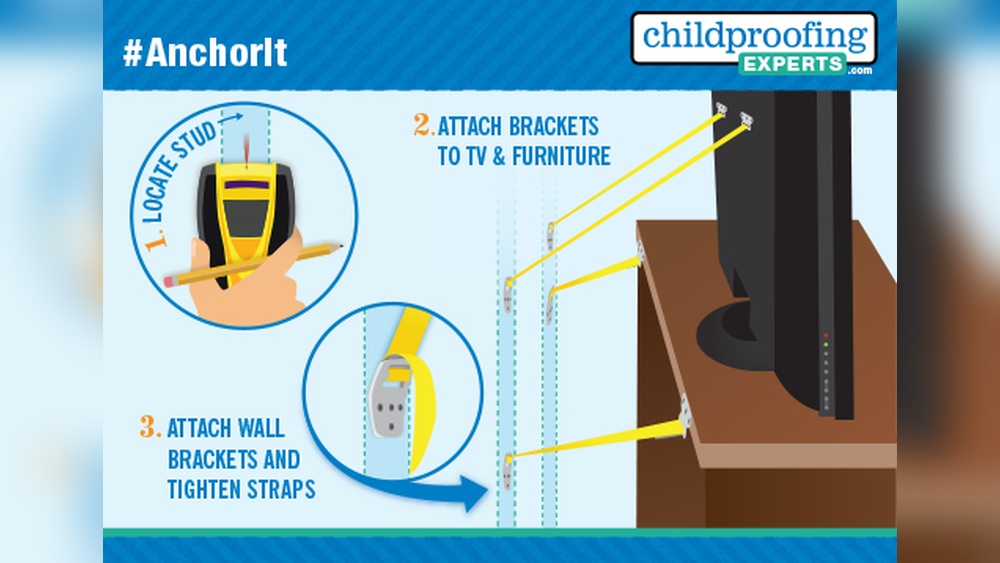
Studs are wooden beams behind the wall. Anchors work best in drywall, not studs. Use a stud finder tool to locate studs.
Scan the wall area to avoid drilling into studs. Also, watch for wires and pipes inside the wall. These can cause serious damage if drilled into.
Move the mark slightly if you find any obstacles. Safety is important. Clear walls make for a smooth anchor installation.
Drilling The Hole
Drilling the hole is a key step in installing plastic wall anchors. This step creates the exact space the anchor needs to fit snugly. A well-drilled hole keeps the anchor secure and prevents damage to your wall. Use the right tools and techniques to get the best results.
Setting The Drill Speed
Choose a slow to medium drill speed. Too fast can crack the wall. Too slow wastes time and effort. Adjust the speed based on your drill model. For drywall, keep it gentle. For harder surfaces, a slightly higher speed works better. Control is more important than speed.
Drilling At The Correct Angle And Depth
Hold the drill straight at a 90-degree angle to the wall. Angled holes cause loose anchors and weak support. Mark the drill bit with tape to control depth. Drill only as deep as the anchor length. Too deep or shallow holes reduce anchor strength. Steady hands help keep the drill steady and precise.
Inserting The Plastic Anchor
Inserting the plastic anchor into the drilled hole is a key step in securing objects to walls. The anchor must fit snugly to hold weight properly. This part requires care and attention to ensure a strong hold.
Aligning The Anchor With The Hole
Hold the plastic anchor close to the hole. Check that the anchor’s tip matches the hole’s size. Position it straight to avoid bending or damage. A correct alignment makes the next step easier and more effective.
Tapping The Anchor Into Place
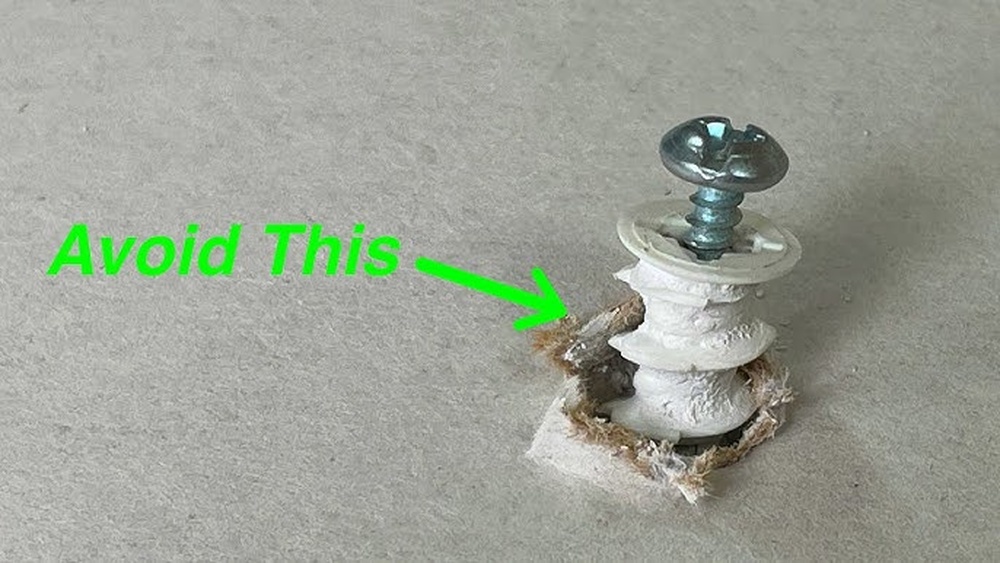
Use a hammer or a small mallet to tap the anchor gently. Tap slowly to push it flush with the wall surface. Do not force it hard; this might crack the anchor or wall. If the anchor does not go in easily, stop and check the hole size.
Securing With Screws
Securing plastic wall anchors with screws is a key step for strong support. This process holds your objects safely on the wall. Using the right screw and technique prevents damage to the anchor and wall.
Choosing The Right Screw Size
Select screws that fit the anchor snugly. Too small screws will not hold well. Too large screws can break the anchor or wall. Match the screw length to the thickness of the anchor and the item you hang. Check the anchor package for recommended screw sizes.
Driving The Screw Without Damaging The Anchor
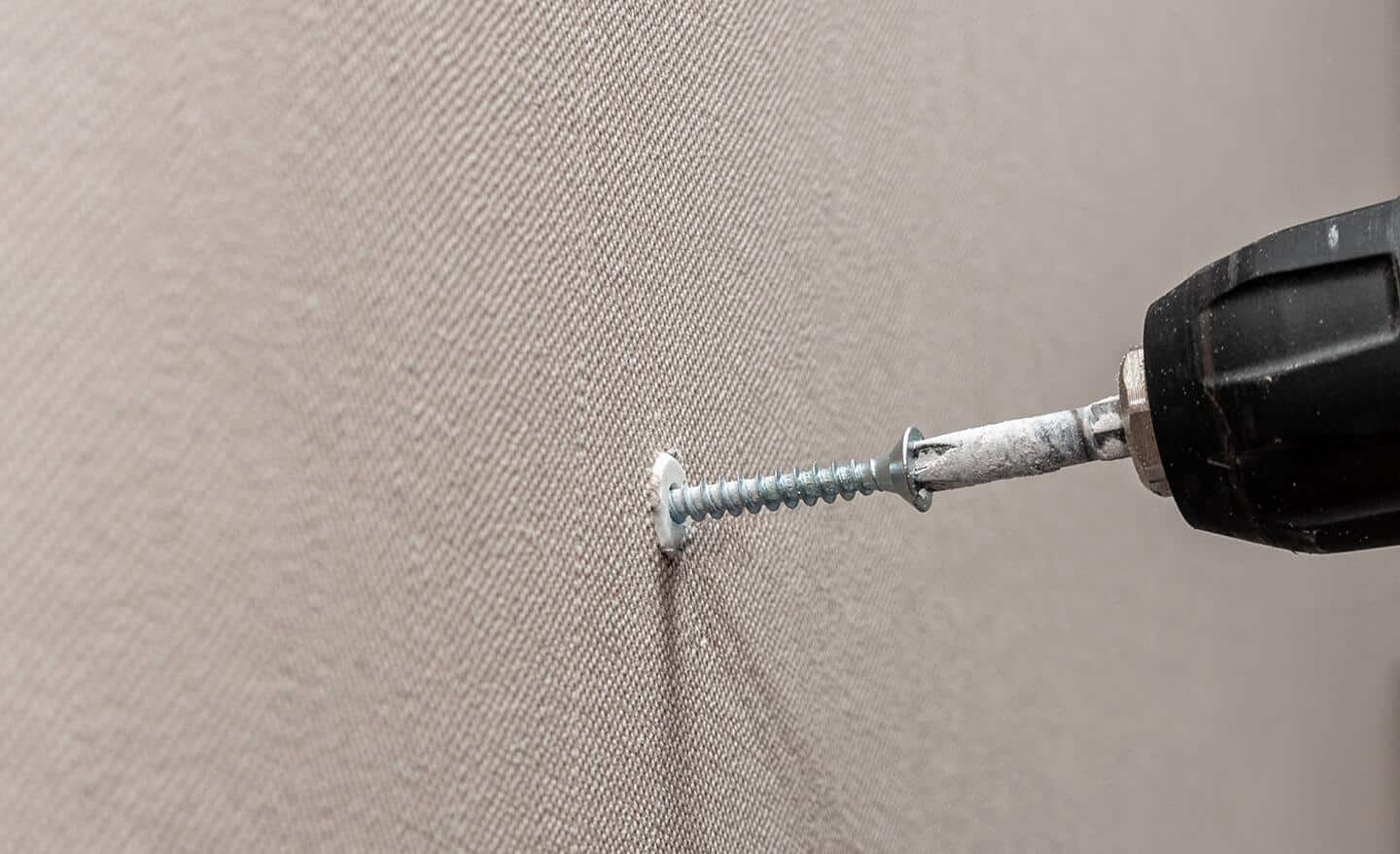
Start screwing slowly to avoid cracks. Use a drill with adjustable speed or a screwdriver. Stop when the screw feels tight but not forced. Over-tightening can crack the anchor and reduce its grip. The screw head should sit flush with the anchor surface. This keeps the mounted object stable and secure.
Common Mistakes To Avoid
Installing plastic wall anchors with a drill is simple. Yet, some mistakes can cause problems. Avoiding these errors helps your anchors hold strong and last longer. Here are two common mistakes to watch out for.
Using The Wrong Drill Bit Size
Choosing the wrong drill bit size can ruin the anchor fit. A bit too large makes the hole loose. The anchor will not grip the wall properly. A bit too small makes it hard to insert the anchor. It can break or get stuck inside. Always match the drill bit size to the anchor size. Check the package for the right drill bit number. This ensures a tight and secure fit every time.
Over-tightening Screws
Over-tightening screws is a common error that damages anchors. Screws need just enough force to hold items in place. Too much pressure can crack or deform the plastic anchor. This weakens the anchor’s grip in the wall. Stop tightening as soon as the screw feels snug. If the screw spins freely or feels loose, remove it and check the anchor. Proper tightening keeps the anchor firm without damage.
Tips For Different Wall Types
Plastic wall anchors work well for many wall types. Each wall needs a different approach to ensure the anchor holds strong. Knowing how to install anchors in various walls prevents damage and improves stability.
Drywall Installation
Drywall is common in many homes. Drill a hole slightly smaller than the anchor size. This helps the anchor grip tightly. Avoid making the hole too big. Insert the anchor gently without forcing it. Tighten the screw slowly to keep the anchor secure. Over-tightening can break the drywall or anchor.
Concrete And Masonry Walls
Concrete and masonry are hard surfaces. Use a masonry drill bit to make the hole. Match the hole size to the anchor for a snug fit. Clean dust from the hole before inserting the anchor. Tap the anchor lightly with a hammer if needed. Tighten the screw carefully to avoid cracking the wall.
:max_bytes(150000):strip_icc()/how-to-use-and-discard-anchor-screws-1822671-Final-ec8091ccf65241b1b1f888549f25003a.jpg)
Credit: www.thespruce.com
Frequently Asked Questions
What Tools Are Needed To Install Plastic Wall Anchors?
You need a drill, drill bits, a screwdriver, plastic wall anchors, and a hammer for installation. Choose the right drill bit size for the anchor.
How Do I Drill A Hole For Plastic Wall Anchors?
Mark the spot, select the correct drill bit size, and drill straight into the wall. Keep the drill steady for an accurate hole.
Can Plastic Wall Anchors Support Heavy Items?
Plastic wall anchors can support light to medium loads. For heavy items, use metal anchors or toggle bolts for better strength.
How Deep Should I Drill For Wall Anchors?
Drill a hole slightly deeper than the anchor’s length. This ensures the anchor fits fully and holds securely.
Conclusion
Installing plastic wall anchors with a drill is simple and effective. Start by choosing the right anchor size for your wall and drill bit. Drill a clean hole, then gently push the anchor inside. Tighten the screw slowly to secure the anchor in place.
This method helps hold items firmly on walls. Practice a few times to feel confident. Safe and steady work gives the best results. Use these steps to hang pictures, shelves, or decorations easily. Now, your walls can support more weight without damage.