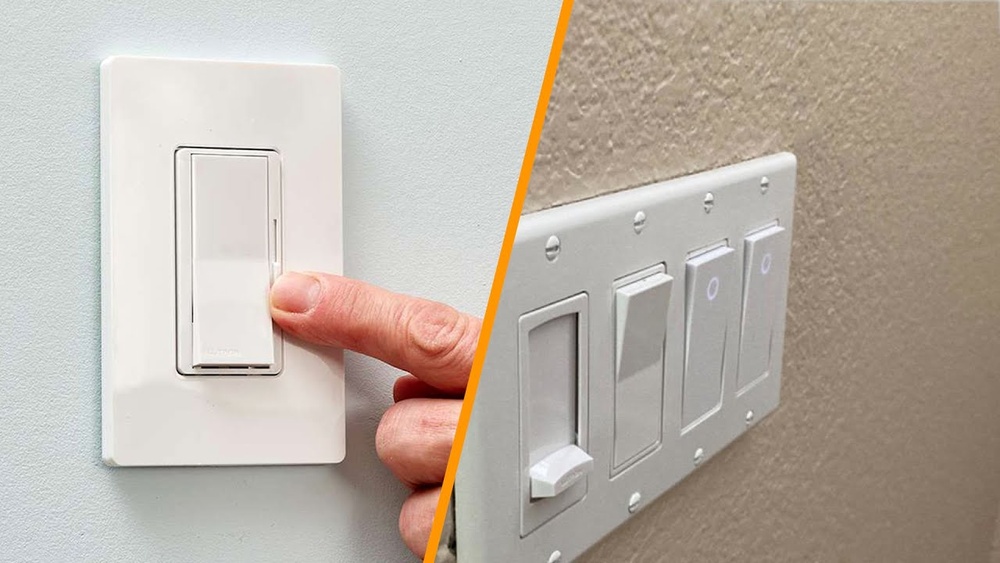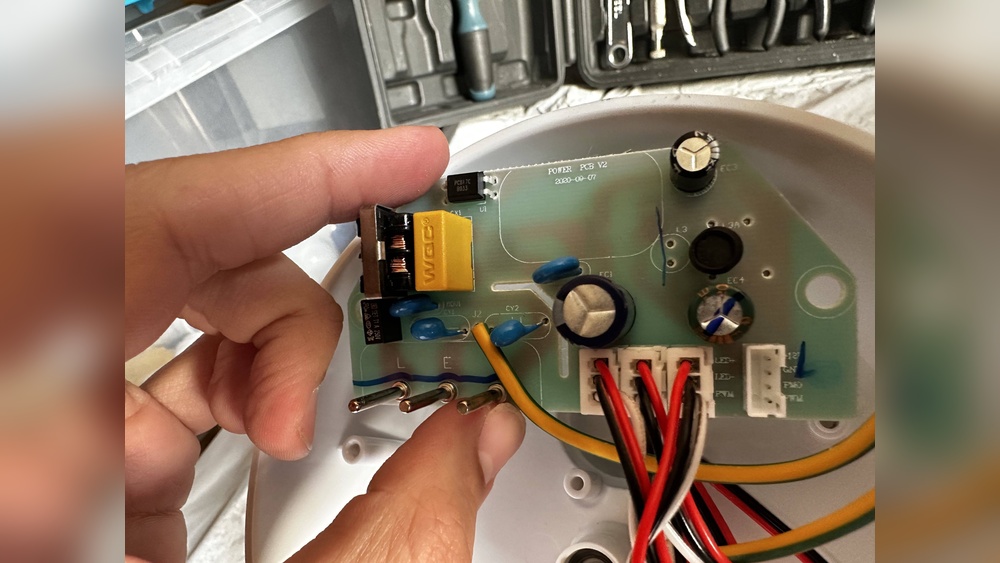
Have you ever been frustrated by a motion sensor light switch that just won’t behave the way you want? Maybe it turns off too quickly, or it doesn’t detect you properly.
If you’re looking for a way to take control and bypass that sensor, you’re in the right place. This guide will show you simple, practical steps to regain control over your lighting without complicated jargon or expensive fixes. Keep reading, and you’ll learn how to make your light switch work exactly how you need it to.

Credit: www.youtube.com
How Motion Sensor Switches Work
Motion sensor light switches turn lights on and off automatically. They detect movement in a room or area. This helps save energy and adds convenience. Understanding how these switches work can help you use them better or bypass them if needed.
Types Of Motion Sensors
There are mainly two types of motion sensors used in light switches. The first type is Passive Infrared (PIR) sensors. They detect heat from moving objects like people. The second type is Ultrasonic sensors. They send sound waves and detect changes when something moves.
PIR sensors work well in quiet spaces. Ultrasonic sensors work better in areas with obstacles. Some switches combine both types for better accuracy.
Common Applications
Motion sensor switches are common in homes, offices, and public places. They turn lights on in hallways and bathrooms to avoid fumbles in the dark. They also help save electricity by turning off lights when no one is around.
These switches improve security by lighting up areas when motion is detected. They are useful in garages, basements, and outdoor spaces. This makes them practical and energy-efficient for many settings.

Credit: www.electriciansforums.net
Reasons To Bypass Motion Sensor Switch
Motion sensor light switches save energy by turning lights on only when needed. Sometimes, people need to bypass these switches for certain reasons. Understanding these reasons helps decide if bypassing is the right choice.
Temporary Override
Sometimes, motion sensors turn lights off too quickly. This can be annoying during long tasks. Bypassing the sensor temporarily keeps lights on. It helps avoid frequent switching on and off. This is useful in workshops or during night activities.
Compatibility Issues
Not all lights work well with motion sensors. Some bulbs flicker or fail to turn on. This happens with certain LED or smart bulbs. Bypassing the motion sensor solves these problems. It ensures the light works as expected without errors.
Safety Precautions Before Bypassing
Bypassing a motion sensor light switch requires care. Safety should be your top priority. Taking the right precautions helps avoid accidents and damage. This section covers key safety steps before starting the process.
Turn Off Power
Always switch off the power at the circuit breaker. This stops electricity from flowing to the switch. Double-check the light switch to confirm no power is running. Using a voltage tester can help ensure safety. Working with live wires is dangerous and can cause shocks.
Use Proper Tools
Use the correct tools for the job. A flathead or Phillips screwdriver is often needed. Insulated tools protect against electric shocks. Avoid makeshift tools like knives or scissors. Proper tools make the work safer and easier. Prepare all tools before starting to avoid rushing.
Credit: www.diychatroom.com
Step-by-step Bypass Methods
Bypassing a motion sensor light switch can help you control lights more easily. Some users want to turn lights on or off without motion detection. Follow these simple steps to bypass your motion sensor switch safely and effectively. Each method has its own tools and process. Pick one that fits your needs and skill level.
Manual Override Switch Installation
Start by turning off the power at the breaker. Remove the motion sensor switch from the wall carefully. Identify the wires connected to the switch. Connect a manual override switch in parallel with the sensor switch wires. This allows you to turn the light on or off manually. Mount the new switch on the wall. Turn the power back on and test the manual override switch. This method keeps your sensor but adds manual control.
Direct Wiring Bypass
Cut power from the breaker before working on wiring. Remove the motion sensor switch from the wall box. Disconnect the sensor switch wires and safely cap them. Connect the load wire directly to the power wire. Use wire nuts to secure connections tightly. This bypasses the sensor completely and allows normal switch operation. Restore power and check if the light turns on manually. This method is simple but removes sensor functions.
Using A Timer Relay
Turn off power at the breaker before installation. Choose a timer relay compatible with your light system. Connect the relay to the motion sensor switch and the light. Set the timer to control how long the light stays on. This bypasses the sensor’s motion detection for fixed time periods. Mount the timer relay in an accessible location. Turn the power back on and test the timer settings. This method adds timed control without relying on motion.
Testing The Bypass Setup
Testing the bypass setup is a crucial step. It ensures your motion sensor light switch works as intended. This process helps catch any errors early. You will verify if the light activates and if the sensor responds properly. Follow these simple checks to confirm your setup is successful.
Check Light Activation
First, observe the light after bypass installation. The light should turn on without delay. Walk into the sensor’s detection area slowly. The light must switch on immediately. If the light stays off, double-check your wiring. Ensure the bypass is correctly connected to the switch. Repeat the test several times for consistency. A steady light response means your bypass works well.
Monitor Sensor Response
Next, focus on the sensor’s behavior. The sensor should detect motion accurately. Move around at different speeds and angles. The light should turn on each time. Test during day and night for full confirmation. Watch for false triggers or delays. If the light flickers or stays on too long, adjust the sensor settings. Proper sensor response guarantees effective bypass performance.
Common Issues And Fixes
Motion sensor light switches can have problems that affect their performance. Knowing common issues and how to fix them helps keep your lights working well. This section covers typical problems and simple solutions.
Light Flickering
Light flickering is a common issue with motion sensor switches. It often happens because of loose wiring or incompatible bulbs. Check the bulb type; use LED bulbs if the switch supports them. Tighten any loose wires in the switch box. Sometimes, flickering occurs from voltage fluctuations. Installing a voltage stabilizer can help stabilize the light.
Sensor Malfunction
Sensor malfunction means the light does not turn on or off properly. Dust or dirt on the sensor can block motion detection. Clean the sensor lens gently with a soft cloth. Incorrect sensor settings may cause problems. Adjust sensitivity and time delay settings according to your needs. If the sensor still fails, the switch might be faulty and need replacement.
When To Consult A Professional
Knowing when to ask a professional for help is important. Some tasks with motion sensor light switches can be tricky and risky. Handling electrical parts without proper skills can cause damage or injury. Learning the signs that call for expert help keeps you safe and protects your home.
Trying to bypass a motion sensor light switch might seem easy. Still, certain problems need a professional’s eye and tools. Recognizing these moments saves time and avoids bigger issues.
Complex Wiring Issues
Motion sensor switches often connect to several wires. Identifying the right wires can confuse many people. Incorrect wiring may cause short circuits or damage the switch. A professional electrician understands wiring layouts and avoids mistakes.
Repeated Switch Malfunction
Sometimes, the switch keeps turning on or off by itself. This may signal a deeper electrical problem. A pro can diagnose faults inside the switch or the circuit. Fixing this early prevents potential electrical fires.
Unfamiliar Electrical Codes
Local laws control how electrical work should be done. These codes aim to keep homes safe and up to date. Professionals know these rules well and follow them strictly. Ignoring codes may cause fines or unsafe setups.
Dealing With High Voltage
Some motion sensor lights work on high voltage circuits. Handling high voltage without training is dangerous. Professionals have tools and skills to work safely. They protect themselves and your home from harm.
Upgrading Or Replacing Entire Systems
Sometimes, bypassing is not enough. The whole lighting system might need replacement or upgrade. Experts can suggest the best options and install new systems correctly. This ensures long-term performance and safety.
Frequently Asked Questions
How Can I Temporarily Bypass A Motion Sensor Light Switch?
You can cover the sensor with opaque tape to block detection. This disables motion sensing temporarily without rewiring or damage. Remember to remove the tape to restore normal function.
Is It Safe To Bypass A Motion Sensor Light Switch?
Bypassing is generally safe if done correctly. Avoid cutting wires or altering the electrical setup without expertise. Using non-invasive methods like taping is recommended for safety and preserving device integrity.
Can I Convert A Motion Sensor Switch To Manual Control?
Yes, some models allow switching to manual mode via a toggle or settings. Check your switch’s manual for instructions. This lets you control lights without motion activation.
What Tools Do I Need To Bypass A Motion Sensor Switch?
Basic tools like screwdrivers and electrical tape are sufficient for simple bypasses. Avoid complex tools unless rewiring. Always ensure power is off before handling electrical components.
Conclusion
Bypassing a motion sensor light switch can solve many common problems. Use simple tools and follow the steps carefully. Always ensure safety before making changes. This guide helps you control your lighting better. Enjoy more convenience and avoid unwanted triggers.
Remember, small fixes can make a big difference. Keep your home comfortable and well-lit without hassle. Stay patient and take your time with each step. Your effort will pay off with smoother lighting control.