Are you tired of that inconveniently placed light switch? Moving it might seem like a big job, especially if you think rewiring is the only option.
But what if you could change its location without touching the wires? You’ll discover simple, practical ways to move your light switch safely and efficiently. Keep reading—you’ll be surprised how easy it can be to make your home more comfortable with just a few smart moves.
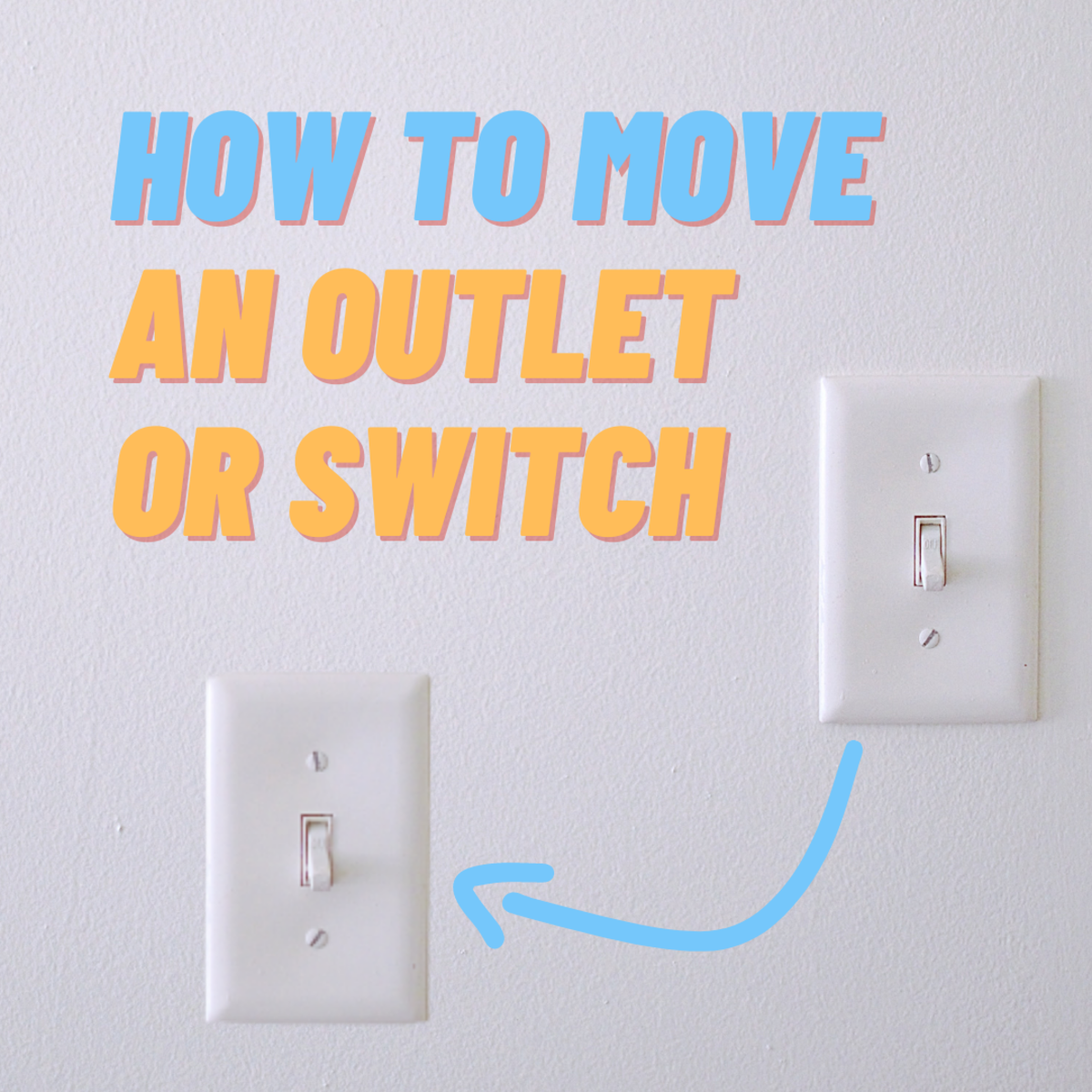
Credit: discover.hubpages.com
Tools And Materials Needed
Moving a light switch without rewiring is a handy skill. It saves time and avoids complex electrical work. Having the right tools and materials makes this job easier and safer.
Prepare all items before starting. This prevents interruptions and ensures smooth work. Below are the basic tools and materials needed for this task.
Basic Hand Tools
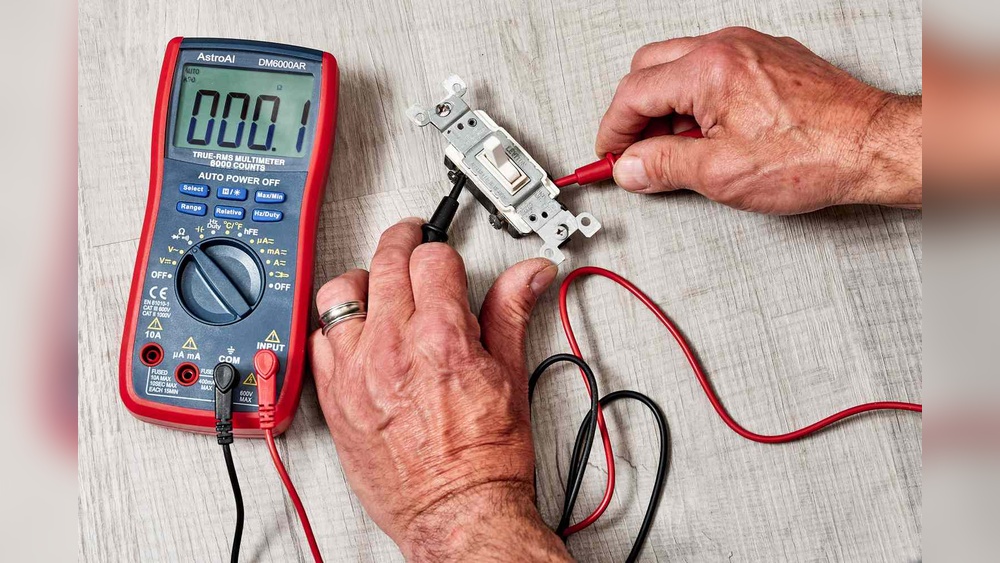
You need a screwdriver set with flathead and Phillips heads. A voltage tester is essential to check power safety. Wire strippers help remove insulation without damage. A utility knife can trim wires and open wall plates.
Materials For Moving The Switch
Get a new switch box to place the switch in its new spot. Use electrical tape to secure wire connections. Wire nuts connect wires safely and hold them tightly. A faceplate covers the switch neatly after installation.
Safety Equipment
Wear insulated gloves to protect against electric shock. Safety glasses shield your eyes from dust and debris. Have a flashlight ready to see clearly inside dark areas.
Additional Supplies
Use a measuring tape to mark the exact new switch location. A pencil helps mark wall spots and drilling points. A drill with bits is needed to make holes for the new box.
Safety Precautions
Moving a light switch without rewiring can be safe if you take proper precautions. Safety is the top priority before starting any electrical work. Small mistakes can cause shocks or fires. Follow these safety steps carefully to protect yourself and your home.
Turn Off The Power
Always switch off the power at the circuit breaker. Do not rely only on the wall switch. Use a voltage tester to make sure the wires have no electricity. This step prevents electric shocks.
Use Proper Tools
Use insulated tools designed for electrical work. Avoid using metal tools without insulation. This lowers the risk of accidental shocks. Have a voltage tester and screwdriver ready.
Wear Safety Gear
Wear rubber-soled shoes and safety gloves. These provide extra protection from electric shocks. Avoid working with wet hands or in damp places. Safety gear keeps you safe during the process.
Understand The Wiring
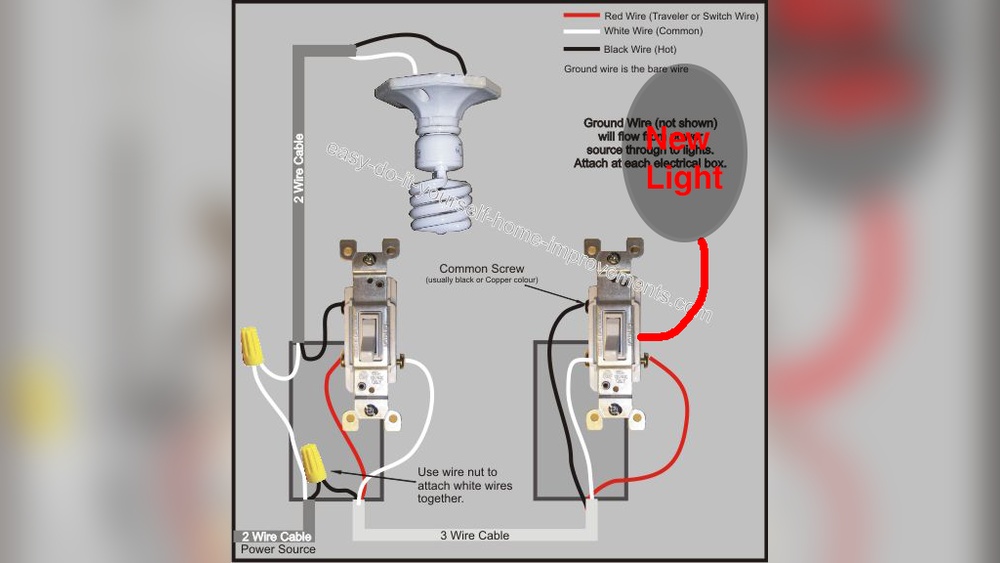
Know which wires control the light switch. Identify the live, neutral, and ground wires. Incorrect handling can cause short circuits. Label wires if needed before moving the switch.
Check Local Codes
Follow your local electrical codes and rules. Some areas require permits for electrical work. This ensures the work is safe and legal. Check with local authorities before starting.
Assessing Your Current Setup
Before moving a light switch, start by assessing your current setup. This step helps you understand the wiring and space available. It ensures you can move the switch safely without rewiring the entire circuit.
Checking everything carefully reduces mistakes and keeps your project simple. It also saves time and effort later.
Locate Existing Switch And Wiring
Find the current light switch on the wall. Turn off the power to avoid electric shock. Remove the switch cover plate to see the switch and wiring inside.
Look for the wires connected to the switch. Notice their color and position. Trace the wires back to the electrical box if possible. Understanding the wiring helps plan the move.
Check Wire Length And Flexibility
Measure the length of the wires inside the box. Make sure they are long enough to reach the new switch location. Wires that are too short need extension or rewiring.
Check if wires bend easily without damage. Stiff or brittle wires can break or cause poor connections. Flexible wires make moving the switch easier and safer.
Choosing The New Switch Location
Choosing the new switch location is an important step in moving a light switch without rewiring. The right spot makes the switch easy to use and keeps your walls neat. Think about where you want the switch and how it fits into the room’s layout. A good location saves time and effort during installation. It also helps keep your home safe and functional.
Consider Accessibility
Pick a spot where everyone can reach the switch easily. Avoid places that are too high or too low. The switch should be at a comfortable height for most people. Think about children, elderly, or people with disabilities. Make sure the switch is near the entrance or exit of the room. This helps turn lights on or off quickly and safely.
Avoid Obstructions
Do not place the switch behind doors, furniture, or large appliances. These can block access and make the switch hard to reach. Look for a clear wall space that stays open. Avoid areas with cables or pipes inside the wall. These can cause problems when moving the switch. Choose a spot with no hidden obstacles for an easy and safe move.
Removing The Old Switch
Removing the old light switch is the first step in moving it without rewiring. This process requires care and attention. Safety must come first to avoid any accidents. Follow the steps below to remove the switch safely and easily.
Turn Off Power
Start by turning off the power at the circuit breaker. This stops electricity from flowing to the switch. Use a voltage tester to check the switch wires. Make sure no power is running before you touch anything. Safety first.
Unscrew And Detach Switch
Use a screwdriver to remove the screws holding the switch cover plate. Set the plate aside carefully. Next, unscrew the switch itself from the electrical box. Gently pull the switch out to see the wires. Keep track of how the wires connect to the switch. This makes it easier to move or reinstall later.
Extending Wire Reach Without Rewiring
Extending the reach of a light switch wire without rewiring is often necessary during small moves or adjustments. It saves time and avoids the hassle of opening walls or ceilings. This method keeps the electrical system safe and functional. It requires basic tools and some careful steps. The goal is to lengthen the wire so the switch fits the new location. Doing this properly ensures the switch works well and stays secure.
Using Wire Extensions
Wire extensions add length to the existing wire easily. Choose the same type and gauge of wire for safety. Cut a piece longer than the distance needed. Strip about half an inch of insulation from each wire end. This exposes the copper for a good connection. Use wire extensions that meet local electrical codes. This keeps the system safe and reliable. Proper extensions prevent voltage drops and overheating.
Connecting With Wire Nuts
Wire nuts join wires quickly and securely. Twist the ends of the original wire and extension together. Hold them tightly and screw on the wire nut clockwise. The nut should cover all copper wires inside. Pull gently to check the connection is firm. Use wire nuts rated for the wire gauge and number of wires. Wrap connections with electrical tape for extra safety. This prevents accidental loosening and keeps wires insulated.
Installing The Switch At New Location
Installing the switch at a new location requires careful steps to ensure safety and functionality. The switch must be mounted securely. The wires need proper connection without rewiring the entire circuit. Follow these simple steps to complete the move correctly.
Mounting The Switch Box
Choose a spot on the wall that is easy to reach. Mark the area where the switch box will fit. Use a drywall saw to cut out the marked space carefully. Insert the new switch box into the hole. Secure it tightly with screws to prevent any movement. Make sure the box is flush with the wall surface. This helps keep the switch stable and neat.
Connecting Wires Securely
Pull the existing wires gently into the new switch box. Strip about half an inch of insulation from each wire end. Match the wires by color: black to black, white to white, and ground to ground. Twist the wire ends together tightly using wire nuts. Wrap electrical tape around each connection for extra safety. Push the connected wires neatly into the box. Attach the switch terminals firmly to the wires. Finally, secure the switch into the box with screws. Test the switch to confirm it works before closing the wall.
Testing The New Setup
Testing the new setup is a key step after moving a light switch without rewiring. It ensures everything works safely and correctly. This step helps avoid surprises like power loss or a broken switch.
Restore Power
Start by turning the circuit breaker back on. This restores electricity to the switch and the connected light. Be careful and make sure no tools or wires touch each other.
Check the breaker panel to confirm the right switch is on. If unsure, test other lights to see if power is back.
Check Switch Functionality
Flip the switch up and down. The light should turn on and off smoothly. If the light does not respond, double-check the connections.
Listen for any buzzing sounds or see if the switch feels loose. These signs mean something is wrong.
Test the switch several times to confirm it works every time. A consistent response means success.
Troubleshooting Common Issues
Troubleshooting common issues helps fix problems when moving a light switch without rewiring. Simple mistakes can stop the switch from working. Checking these issues saves time and effort.
Switch Not Working
Check the power source first. Make sure the circuit breaker is on. Test the switch by flipping it several times. Sometimes dirt or dust blocks the switch. Clean the switch gently with a dry cloth. If the switch still does not work, it may be faulty. Consider replacing the switch with a new one.
Loose Connections
Loose wires cause many switch problems. Turn off the power before touching any wires. Unscrew the switch cover and check the connections. Tighten any loose screws holding wires. Make sure wires are wrapped firmly around terminals. Loose connections can cause flickering or no power. Secure wires properly for a safe switch move.
Credit: www.reddit.com
Tips For A Clean Finish
Moving a light switch without rewiring takes careful work for a neat look. A clean finish makes the switch look natural and safe. Small details can change the whole appearance. Focus on organizing wires and covering gaps.
These tips help you keep the job tidy. They make your switch look like it was never moved.
Securing Wires Neatly
Keep wires tight and close to the wall. Use electrical tape or wire clips to hold them. Avoid loose wires that can catch or look messy. Arrange wires flat inside the box to save space. Clean wiring helps prevent problems later.
Using Wall Plates
Choose the right wall plate size for the new switch position. A larger plate covers any gaps or holes left behind. Screw the plate tightly to avoid wobbling. Wall plates give a smooth, finished look. They hide rough edges and protect wires.

Credit: www.pirouette-editions.fr
Frequently Asked Questions
Can I Move A Light Switch Without Changing Wiring?
Yes, you can move a light switch without rewiring by extending the existing wires. Use wire extensions and proper connectors to maintain safety and function.
What Tools Do I Need To Move A Light Switch?
You need wire strippers, screwdrivers, wire nuts, electrical tape, a voltage tester, and wire extensions to safely move the switch.
How Do I Ensure Safety When Moving A Light Switch?
Turn off the power at the breaker, test wires with a voltage tester, and follow electrical codes to ensure safety.
Will Moving A Light Switch Affect My Home’s Wiring?
No, if done correctly, moving a switch with wire extensions won’t affect your home’s wiring integrity or functionality.
Conclusion
Moving a light switch without rewiring saves time and money. You can change the switch location by extending the wires safely. Always turn off the power before starting any work. Use wire connectors and a new switch box to finish the job.
This method keeps your home safe and the wiring intact. Small projects like this improve your skills and confidence. Try it yourself with care and patience. Simple steps make a big difference in home improvements.