Have you ever tried to peel off adhesive mounting tape, only to end up with sticky residue everywhere? It’s frustrating, messy, and can damage your surfaces if you’re not careful.
But don’t worry—removing adhesive mounting tape doesn’t have to be a struggle. You’ll discover simple, effective methods to get rid of that stubborn tape and leave your walls, furniture, or gadgets clean and damage-free. Keep reading, and you’ll learn easy tricks that save you time and hassle.
Tools Needed
Removing adhesive mounting tape can be tricky without the right tools. Choosing the proper items makes the task easier and safer. Some tools are common household items, while others are specialized products designed for adhesive removal. Using the right tools helps protect surfaces and speeds up the process.
Household Items
Many household items work well for removing tape residue. Rubbing alcohol softens the adhesive, making it easier to wipe away. Cooking oil or peanut butter can also break down sticky glue. Warm soapy water helps loosen tape without damaging surfaces. A plastic scraper or old credit card removes residue gently. Cotton balls or soft cloths apply liquids without scratching. These items are easy to find and cost very little.
Specialized Products
Special products target tough adhesive removal. Goo Gone is a popular choice that dissolves sticky residue quickly. Adhesive removers come in sprays, gels, or wipes. They are designed to protect paint, plastic, and metal. Commercial-grade solvents work well for stubborn tape. Use these products carefully, following instructions for safety. These tools provide fast and effective cleaning when household items fall short.
Prepare The Surface
Preparing the surface is a key step before removing adhesive mounting tape. A clean and tested area helps avoid damage. It also makes tape removal easier and safer. Taking time to prepare saves effort later.
Follow simple steps to get the surface ready. These steps protect your walls, wood, or glass from harm. Start by cleaning the area, then test a small spot. Both steps ensure a smooth and safe process.
Clean The Area
Clear dirt, dust, and grease from the surface. Use a soft cloth with mild soap and water. Wipe gently to avoid scratching or damaging the area. Dry the surface completely with a clean towel. A clean surface improves tape removal results. It helps adhesives loosen more quickly.
Test A Small Spot
Pick a hidden spot on the surface to test first. Apply a little tape remover or rubbing alcohol. Wait a few minutes and check for any discoloration or damage. This test avoids surprises on the main area. If the spot looks fine, proceed with confidence. If not, try a gentler method or product.
Manual Removal Techniques
Manual removal techniques offer a simple way to get rid of adhesive mounting tape. These methods need no special tools or chemicals. They rely on patience and careful handling to avoid damage. The process can be slow but effective for small areas or sensitive surfaces.
Peeling Off Slowly
Start by lifting one corner of the tape gently. Pull the tape back at a low angle, close to the surface. Slow and steady peeling helps reduce residue. Fast pulling may tear the tape or leave sticky bits. Use your fingers to support the tape as you peel. Stop if the tape breaks or resists. Wait a moment, then try again.
Using A Plastic Scraper
A plastic scraper helps lift tape edges without scratching. Choose a scraper with a flat, smooth edge. Slide the scraper under the tape corner carefully. Work the scraper along the tape to loosen it. Avoid sharp or metal tools to protect the surface. Use gentle pressure to prevent damage. Clean the surface afterward to remove leftover glue.
Credit: echotape.com
Heat Application Methods
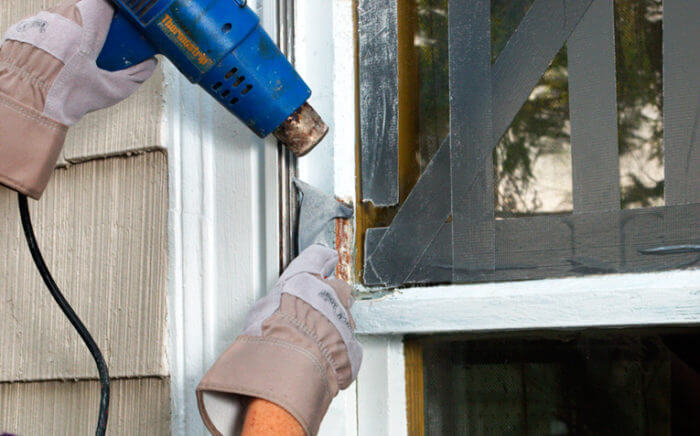
Heat application methods work well to soften adhesive mounting tape. Heat makes the glue less sticky and easier to remove. These methods are safe for most surfaces and tools found at home. Use gentle heat to avoid damage. Here are two simple ways to apply heat effectively.
Using A Hair Dryer
A hair dryer is a handy tool for softening adhesive tape. Hold the dryer a few inches from the tape. Set it on medium heat and move it in slow circles. Heat the tape for about 30 seconds. The warmth loosens the glue’s grip. After heating, gently peel the tape off. Repeat if the tape feels stubborn.
Applying Warm Cloth
A warm cloth can also soften adhesive tape. Soak a clean cloth in hot water and wring it out. Place the warm cloth over the tape. Leave it for 1 to 2 minutes. The heat seeps into the tape and weakens the glue. Remove the cloth and slowly pull the tape away. This method is quiet and gentle on surfaces.
Chemical Solutions
Chemical solutions can help remove adhesive mounting tape effectively. They break down the sticky residue, making it easier to clean. These solutions are simple and use common household items or store-bought products. Always test the chemical on a small hidden area first. This prevents damage to the surface underneath.
Rubbing Alcohol
Rubbing alcohol is a powerful and safe option for many surfaces. Apply it to a cotton ball or cloth. Rub the adhesive gently until it starts to dissolve. Let the alcohol sit for a few minutes to soften the tape residue. Wipe away the softened adhesive with a clean cloth. Repeat if necessary, but avoid harsh scrubbing.
Vinegar And Oil
Mix equal parts of white vinegar and cooking oil for a natural remover. Vinegar breaks down the glue, while oil loosens the sticky residue. Apply the mixture to the tape with a cloth or sponge. Let it soak for 10 to 15 minutes. Then, rub gently to lift the adhesive. Clean the area with soap and water afterward.
Commercial Adhesive Removers
Commercial adhesive removers are made for sticky tape residue. They contain chemicals that dissolve glue quickly. Follow the instructions on the product label carefully. Apply the remover to the tape residue and wait a few minutes. Use a cloth or scraper to wipe off the softened adhesive. These products work well but may have strong odors.
Handling Stubborn Residue
Stubborn adhesive residue can be tough to remove. It often sticks to surfaces even after peeling off the tape. This sticky leftover needs a careful approach to avoid damage. Patience and the right techniques help clear the mess effectively.
Repeat Treatment
Sometimes one try is not enough. Apply the remover or cleaner again on the residue. Let it sit for a few minutes to soften the glue. Use a cloth or scraper gently to lift the sticky bits. Repeat these steps until the surface feels clean.
Gentle Scrubbing
Use a soft brush or sponge for scrubbing. Avoid harsh scrubbing that may scratch the surface. Move in small circles to break down the residue. Combine scrubbing with a cleaning solution for better results. Rinse the area with warm water after scrubbing.
Preventing Surface Damage
Removing adhesive mounting tape can be tricky. The tape might stick very well, and pulling it off carelessly can damage the surface underneath. Protecting your walls, furniture, or other surfaces is important. Taking steps to prevent damage saves time and money. Follow these simple tips to keep your surfaces safe.
Test In Hidden Areas
Always try the tape remover on a small hidden spot first. This shows how the surface reacts. Some materials may discolor or peel easily. Testing helps avoid surprises and keeps your surface intact. Use a cotton swab to apply a small amount of remover. Wait a few minutes and check for any damage.
Avoid Harsh Chemicals
Strong chemicals can harm paint, wood, or plastic. Avoid using bleach, acetone, or ammonia-based cleaners. These can cause fading or roughness. Instead, choose mild solutions like soapy water or oil-based removers. These are gentle but effective. Always apply carefully and wipe off quickly. Protect your surface by using safe products only.

Credit: xfasten.com
Tips For Different Surfaces
Removing adhesive mounting tape can be tricky. The best way depends on the surface. Different surfaces need different care to avoid damage. This guide helps you remove tape safely from glass, wood, plastic, and metal.
Glass And Mirrors
Start by softening the tape with warm soapy water. Use a cloth to rub gently. Avoid sharp tools that can scratch the glass. Rubbing alcohol or vinegar works well to remove sticky residue. Apply a small amount on a cloth and wipe the surface. Repeat if needed until the tape is gone.
Wood And Painted Walls
Test a small hidden area first. Use a hairdryer to warm the tape and soften the adhesive. Peel the tape slowly to avoid peeling paint or damaging wood. Use a soft cloth with a little oil, like olive or baby oil, to remove leftover sticky bits. Wipe clean with a damp cloth afterward.
Plastic And Metal
Apply heat using a hairdryer to loosen the adhesive. Peel the tape carefully to avoid scratching. If residue remains, use rubbing alcohol or a mild adhesive remover. Apply with a cloth and rub gently. Clean the surface with soap and water after removing the tape.

Credit: www.youtube.com
Frequently Asked Questions
How Do I Safely Remove Adhesive Mounting Tape?
Use heat from a hairdryer to soften the adhesive. Gently peel the tape off using a plastic scraper. Avoid sharp tools to prevent surface damage. Clean residue with rubbing alcohol or adhesive remover afterward.
What Household Items Remove Adhesive Tape Residue?
Common items include rubbing alcohol, vinegar, and cooking oil. Apply a small amount on a cloth and rub gently. These help break down adhesive without harming most surfaces. Always test on a small area first.
Can Heat Make Tape Removal Easier?
Yes, heat softens adhesive, making tape removal easier. Use a hairdryer on low heat and warm the tape area. This reduces stickiness and allows gentle peeling without residue or damage.
Is Adhesive Remover Safe For All Surfaces?
Most adhesive removers are safe but check product labels. Test on a hidden spot before full use. Avoid harsh chemicals on delicate surfaces like fabric or painted walls to prevent damage.
Conclusion
Removing adhesive mounting tape takes patience and the right tools. Use gentle heat or oil to soften the glue. Peel carefully to avoid damage to surfaces. Clean leftover residue with soap or rubbing alcohol. Take your time and work slowly for best results.
These steps help keep your walls and furniture safe. Now, you can remove tape without stress or mess. Easy, effective, and safe—just what you need.