Are you tired of struggling to hang decorations or fix items on your fabric surfaces? You might have heard about Gorilla Mounting Tape and wondered, “Does Gorilla Mounting Tape work on fabric?” You’re not alone.
Finding the right adhesive that sticks well without damaging your fabric can be tricky. You’ll discover the truth about Gorilla Mounting Tape’s effectiveness on fabric and learn tips to get the best results. Keep reading to save time, avoid frustration, and make your next project easier than ever.
Gorilla Mounting Tape Basics
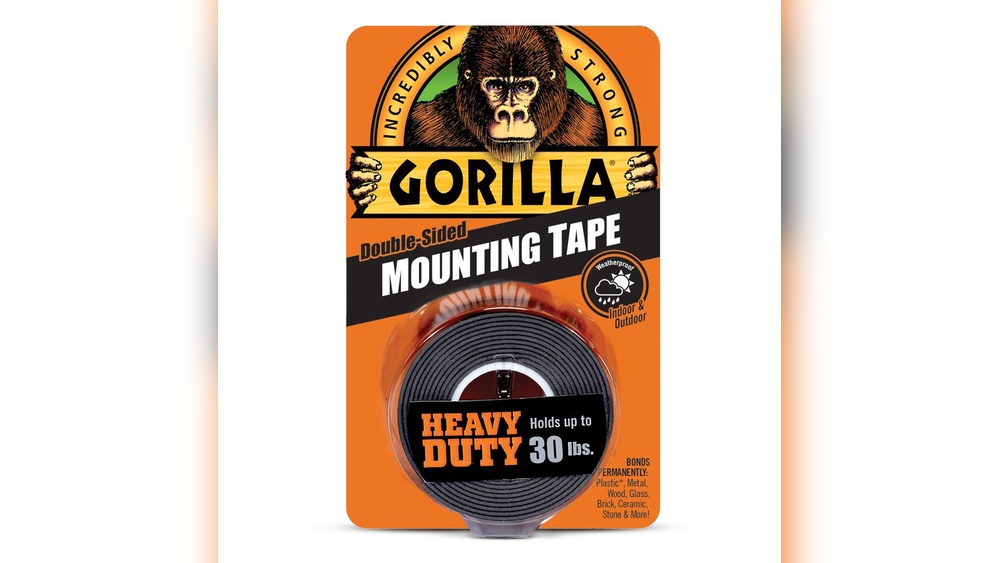
Gorilla Mounting Tape is popular for sticking items without nails or screws. It promises strong hold and easy use. Understanding its basics helps decide if it works on fabric.
This tape is made to stick firmly on many surfaces. Knowing what it is made of and how it works clarifies its use on fabric.
Tape Composition And Features
The tape has strong adhesive on both sides. It is double-sided and very thick. The adhesive is water-resistant and weatherproof. This means it can hold in damp or hot places. The tape is also flexible, so it fits uneven surfaces. It has a clear or white color to blend with items.
Intended Uses
Gorilla Mounting Tape is designed for heavy items on walls. It holds pictures, hooks, and signs well. It works best on smooth, hard surfaces like metal, glass, and wood. The tape can stick to some plastics and painted surfaces too. It is not mainly made for fabrics but can work on thick, tightly woven cloth. Thin or stretchy fabrics may not hold well with this tape.
Fabric Types And Characteristics
Different types of fabric affect how well Gorilla Mounting Tape sticks. Fabric can be smooth, rough, thick, or thin. These qualities change the tape’s grip and hold. Knowing fabric types helps predict tape performance.
Some fabrics work better with tape than others. The texture and porosity of fabric also impact the stickiness. Understanding these traits guides the choice of mounting solutions.
Common Fabrics Tested
Cotton is soft and has a loose weave. It often absorbs glue and tape adhesive. Polyester is smooth and less porous. It can be harder for tape to stick well. Wool is thick and rough. The fibers create gaps that reduce tape contact. Nylon is shiny and slick. Tape may slip on this surface. Linen has a coarse texture and is quite porous. Adhesive can soak in but may lose strength.
Surface Texture And Porosity
Fabric texture means how rough or smooth the surface feels. Rough fabric has many bumps and holes. Tape can stick better by gripping these bumps. Smooth fabric offers less grip. Tape may peel off easily.
Porosity means how many tiny holes the fabric has. High porosity lets adhesive soak inside. This can weaken the tape’s surface bond. Low porosity keeps adhesive on top. It creates a stronger hold. Both texture and porosity affect tape’s success on fabric.
Testing Methodology
Testing Gorilla Mounting Tape on fabric requires a clear and careful approach. The method must show how well the tape sticks and holds on different fabric types. This section explains the steps taken to get accurate results. Each part of the test helps us understand the tape’s real performance on fabric surfaces.
Preparation And Setup
Start by selecting several fabric types, such as cotton, polyester, and denim. Cut each fabric into small, equal pieces. Clean a smooth surface to stick the fabric pieces on. This ensures no dirt affects the tape’s hold. Gather Gorilla Mounting Tape and scissors for cutting the tape to size.
Application Process
Peel off the tape’s protective layer carefully. Press the tape firmly onto the fabric piece. Apply even pressure for about 30 seconds. Attach the fabric with tape onto the clean surface. Press again to secure the bond. Wait for one hour before testing for a strong hold.
Environmental Conditions
Test the taped fabric in different environments. Try room temperature first. Then, expose the samples to humidity and heat. Check how moisture affects the tape’s grip. Also, test in a cooler setting. These steps show how well the tape works under real-world conditions.
Performance On Different Fabrics
Gorilla Mounting Tape shows different results on various fabric types. Fabrics have unique textures and fibers. These features affect how well the tape sticks and lasts. Testing the tape on cotton, polyester, denim, and silk helps understand its true performance.
Performance varies because some fabrics are smooth, while others are rough or stretchy. This section breaks down the key factors for tape use on fabric.
Adhesion Strength Results
The tape sticks strongest to smooth, flat fabrics like polyester. It holds well on cotton but less so than polyester. Rough fabrics like denim show moderate adhesion. Silk and very soft fabrics have the weakest hold. The tape cannot grip loose or shiny fibers well.
Durability Over Time
On sturdy fabrics, the tape stays firm for weeks. Cotton and polyester support longer hold without lifting. Denim’s roughness causes some tape edges to peel after days. Stretchy fabrics cause the tape to lose grip faster. Silk may fail within hours due to its smooth surface.
Effect Of Fabric Movement
Moving or stretching fabric reduces tape performance. Stretchy fabrics like jersey or spandex break the tape bond quickly. Heavy movement causes edges to lift and peel. Stable, non-stretch fabrics keep tape secure longer. Avoid using the tape on fabrics that bend or move a lot.
Pros And Cons Of Using Tape On Fabric
Using Gorilla Mounting Tape on fabric has its benefits and drawbacks. Understanding these can help decide if it suits your project needs. Tape offers a quick and easy method for attaching items to fabric. Yet, it may not work well for all fabric types or long-term use.
Advantages Observed
Gorilla Mounting Tape sticks firmly to many fabric surfaces. It holds light to medium-weight objects without slipping. The tape is water-resistant, helping it stay strong in moist conditions. It leaves little mess compared to glue or pins. Applying the tape is fast and simple, saving time.
Limitations And Issues
Some fabrics resist the tape’s adhesive, causing weak bonds. Rough or textured fabrics reduce sticking power. Removing the tape can damage delicate fabrics or leave sticky residue. The tape does not stretch, so it may peel off flexible materials. Heavy items often cause the tape to fail on fabric.

Credit: uk.gorillaglue.com
Alternative Solutions For Fabric Mounting
Mounting items on fabric can be tricky. Gorilla Mounting Tape may not always stick well on soft or textured fabric. It can peel off or leave residue. Trying other methods can help secure objects better without damage. These alternatives work well for different fabric types and needs.
Other Adhesive Options
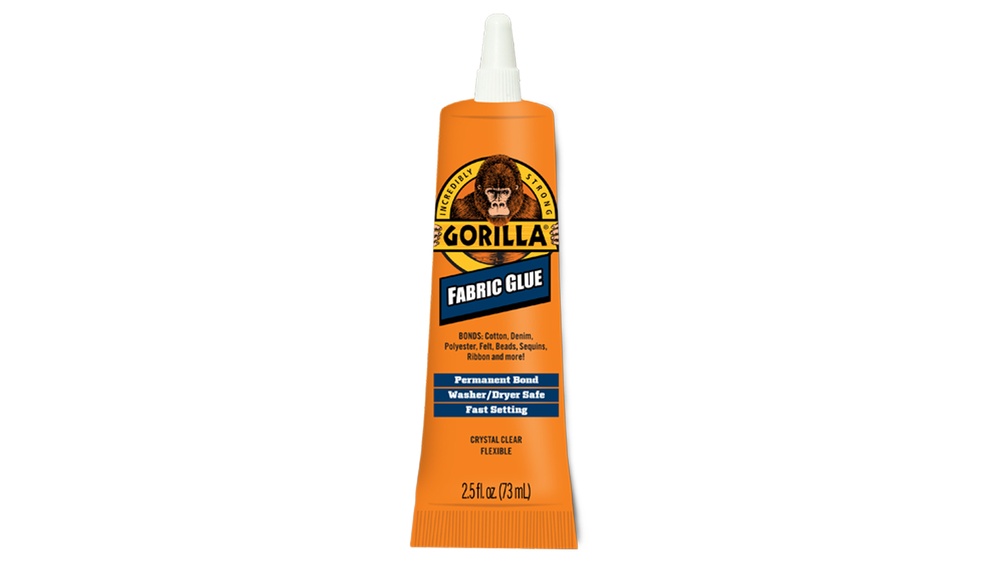
Double-sided fabric tape offers a strong hold on cloth. It is designed to stick without harming fabric fibers. Fabric glue is another choice. It bonds permanently but works best for small projects. Spray adhesive spreads evenly and holds light items. Test adhesives on a small fabric area first. This avoids stains or weak bonds.
Mechanical Fastening Methods
Sewing is a simple and effective way to attach items. Use needles and thread to secure patches or decorations. Safety pins and clips hold things without damage. Velcro strips can be sewn or glued for a removable option. These methods avoid messy adhesives and last longer on fabric. Choose the one that fits your project size and fabric type.
Tips For Best Results
For the best results using Gorilla Mounting Tape on fabric, you must follow a few simple tips. These tips help the tape stick firmly and last longer. Proper preparation and correct application make all the difference. Below are key steps to get the best hold on fabric surfaces.
Surface Preparation
Clean the fabric area before applying the tape. Remove dust, dirt, and oils. Use a gentle cleaner or rubbing alcohol. Let the fabric dry completely. Avoid using the tape on wet or damp fabric. Smooth out wrinkles and folds for better contact. A flat surface helps the tape stick stronger.
Application Techniques
Cut the tape to the needed size. Peel off the backing slowly. Press the tape firmly onto the fabric. Apply strong pressure for 30 seconds or more. Press the edges well to avoid peeling. Wait a few hours before hanging or using. This gives the adhesive time to bond well.
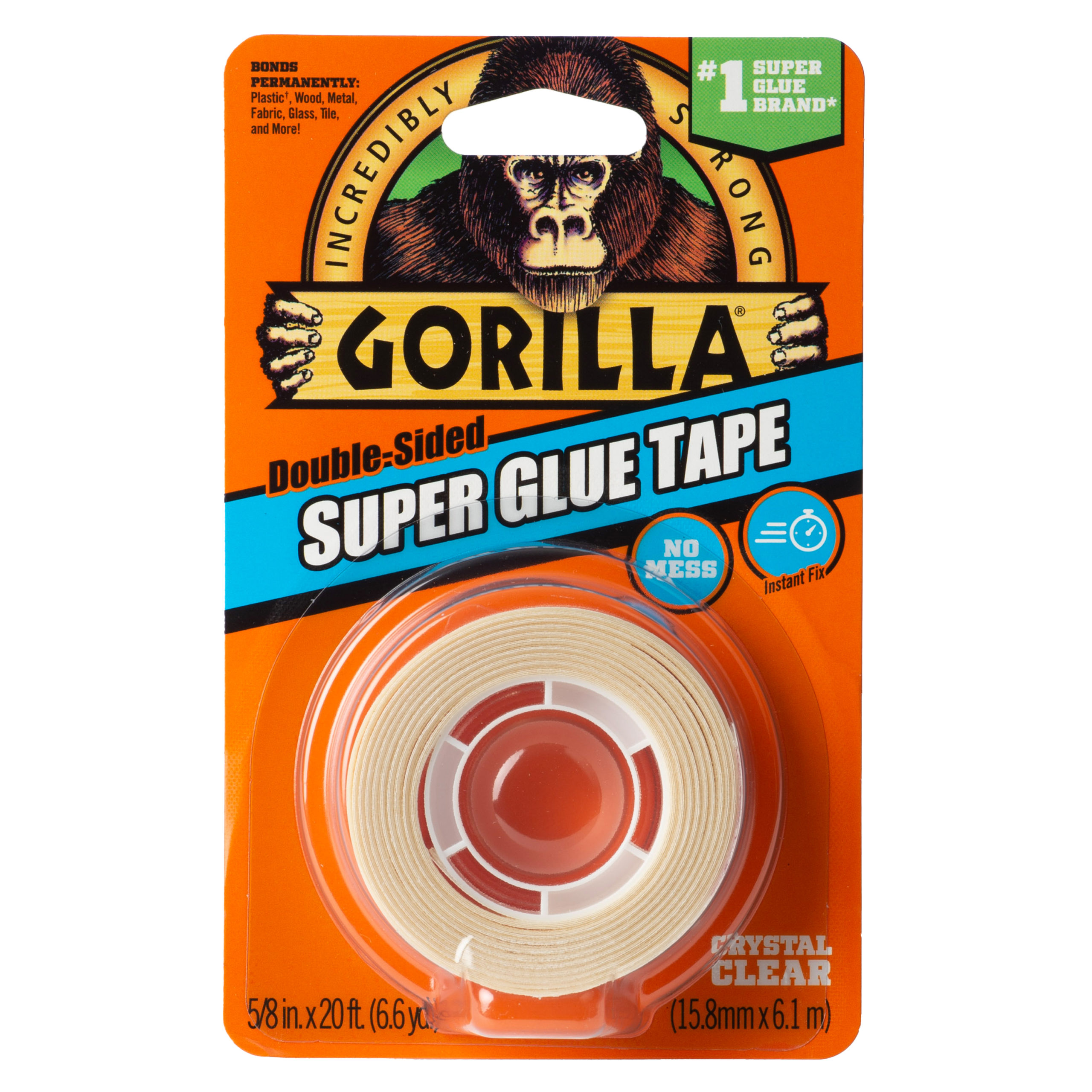
Credit: gorillatough.com

Credit: uk.gorillaglue.com
Frequently Asked Questions
Does Gorilla Mounting Tape Stick Well On Fabric?
Gorilla Mounting Tape can stick on some fabrics, but results vary. It works best on smooth, non-porous surfaces. On textured or porous fabrics, adhesion may be weak and temporary.
How Long Does Gorilla Mounting Tape Last On Fabric?
The tape’s hold on fabric may last a few days to weeks. Factors like fabric type, weight, and environment affect durability. It’s not ideal for long-term fabric mounting.
Can Gorilla Mounting Tape Damage Fabric?
Yes, Gorilla Mounting Tape can damage delicate fabrics. Removing it might pull threads or leave residue. Use caution on sensitive materials or test on a small area first.
Is Gorilla Mounting Tape Washable On Fabric?
No, Gorilla Mounting Tape is not designed to withstand washing. Water and detergent will weaken the adhesive, causing it to lose stickiness and fall off fabric.
Conclusion
Gorilla Mounting Tape can stick to some fabrics but not all. It works best on smooth, flat surfaces. Rough or stretchy fabrics may cause the tape to lose grip. Test a small area first to avoid damage. Keep in mind, the tape may not hold heavy items on fabric.
For strong and lasting results, consider other options. This tape is useful but has limits when used on fabric. Choose the right tape for your project’s needs. Simple steps help you get the best hold every time.